
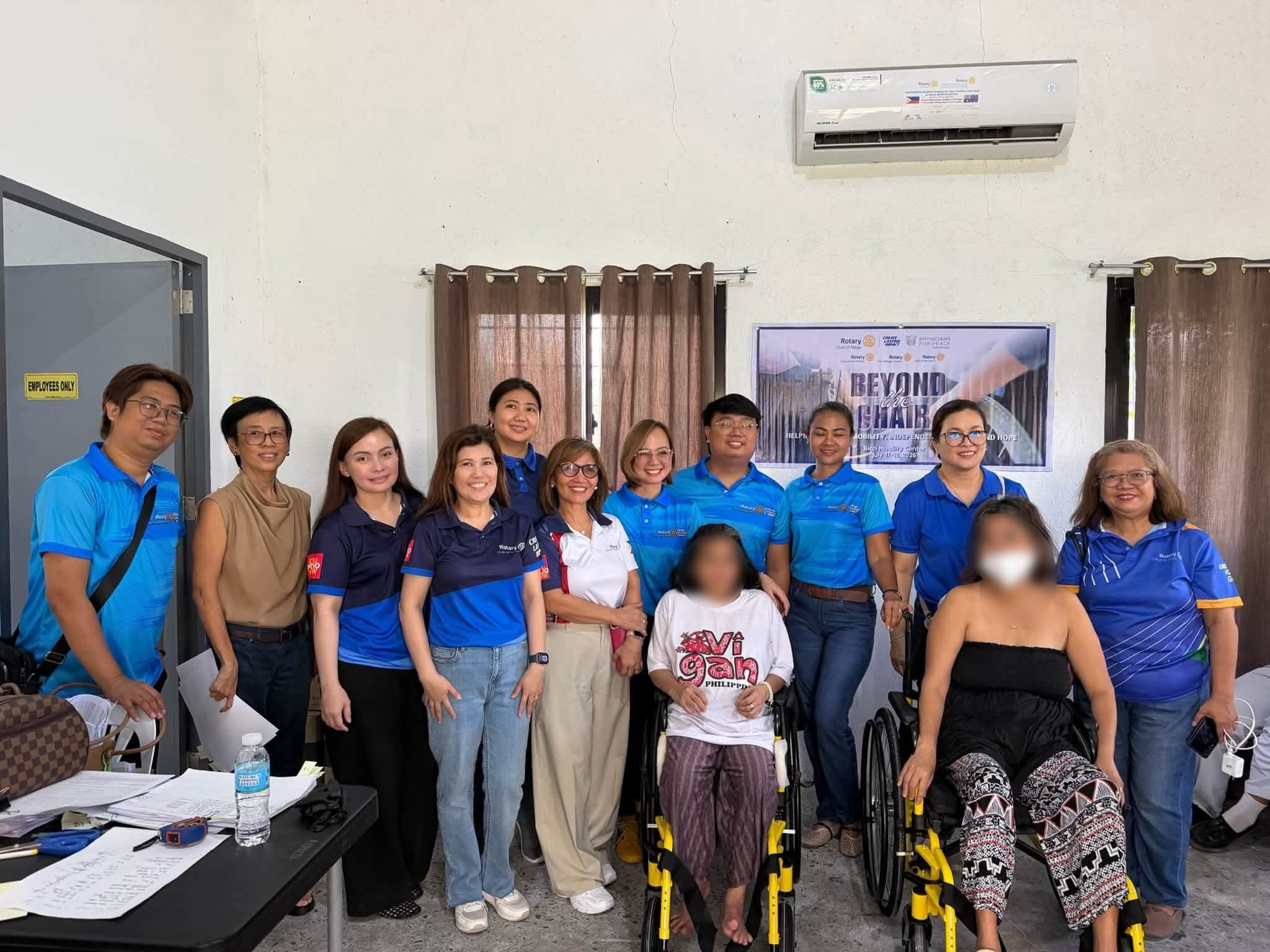
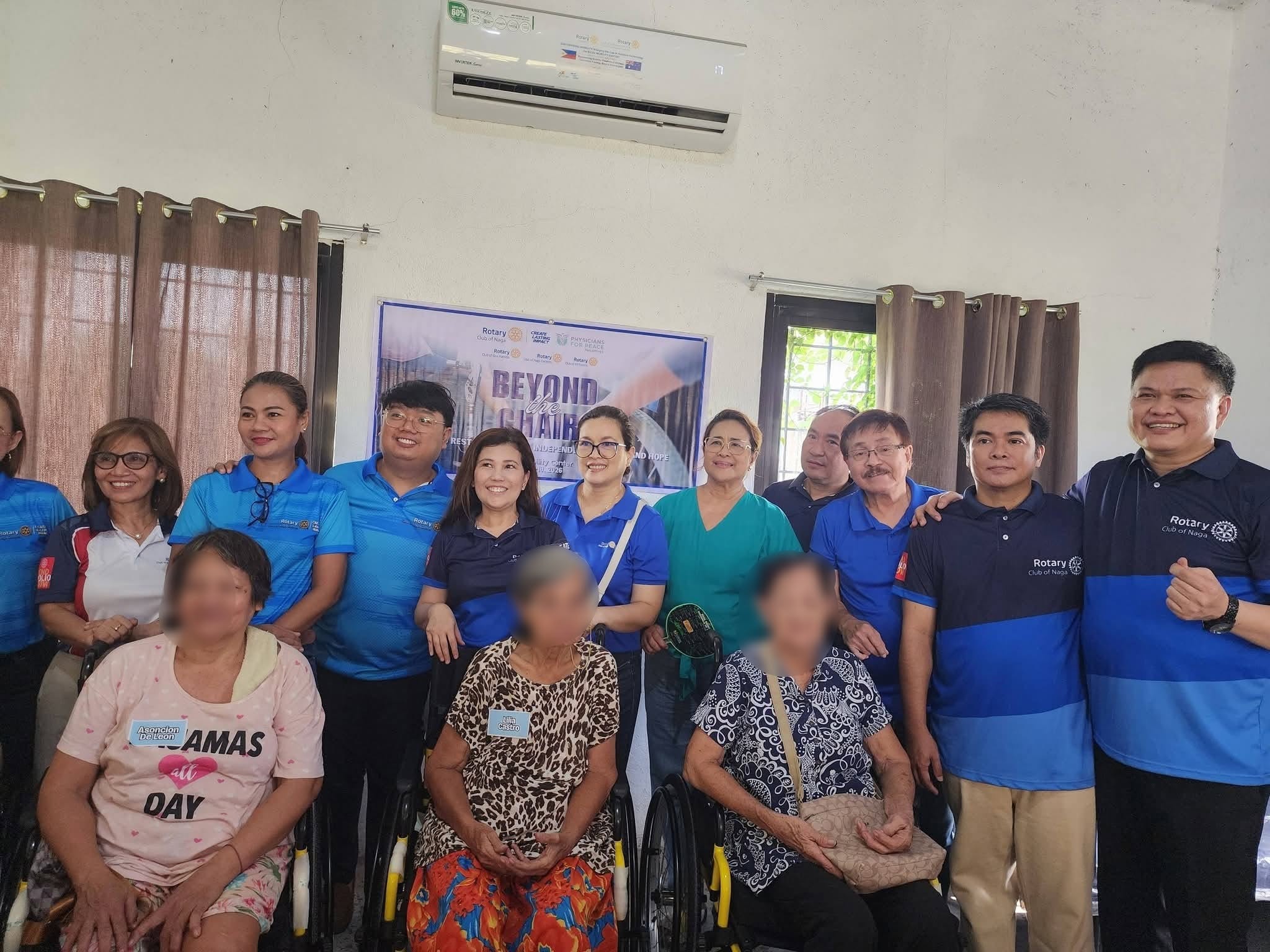
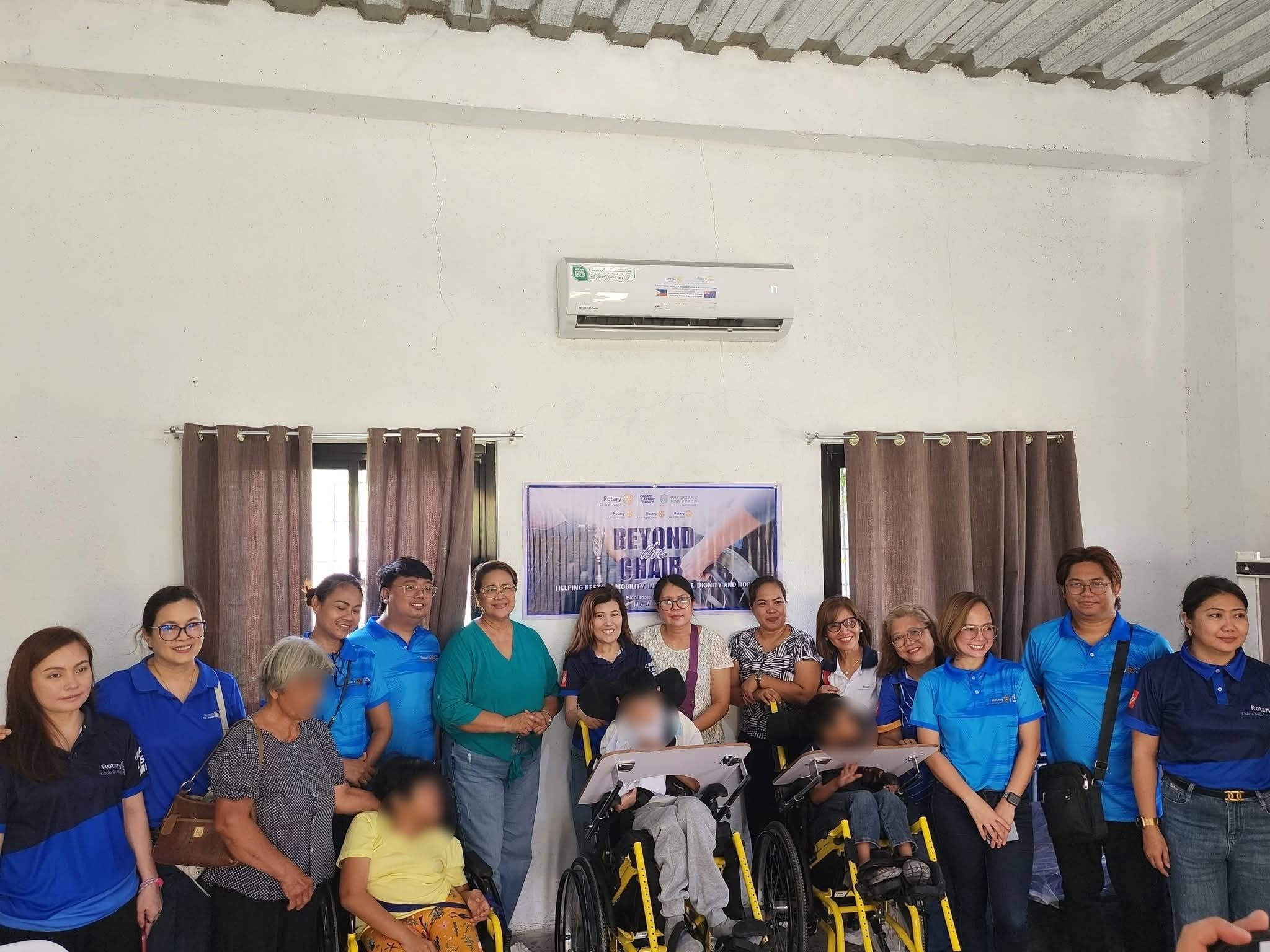
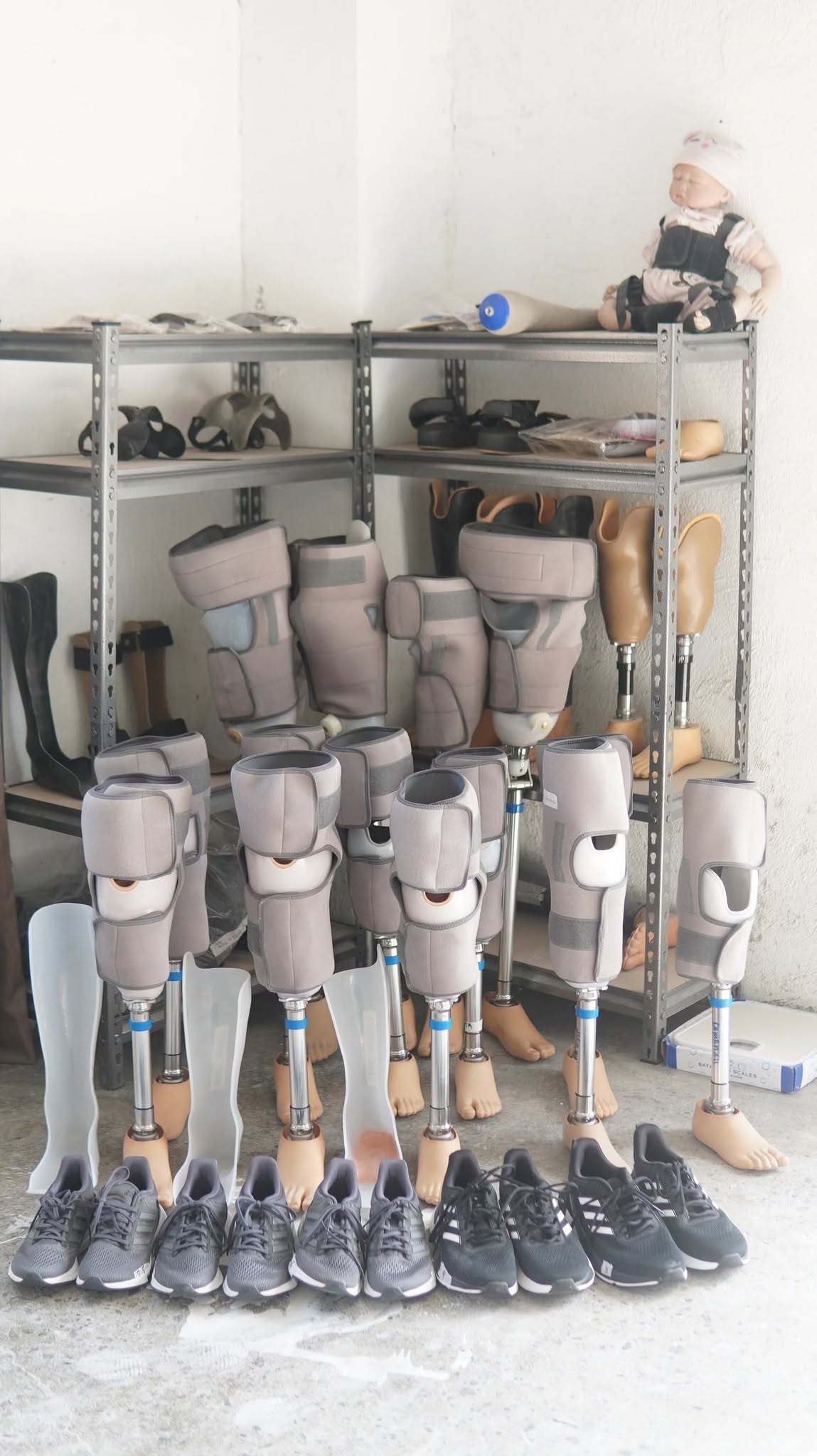
During the Philippines’ National Disability Prevention and Rehabilitation Week, a Rotary-backed team in Bicol delivered both prostheses and wheelchairs to beneficiaries who had waited years for either
By PDG LYNE A. ABANILLA, Physicians for Peace Philippines
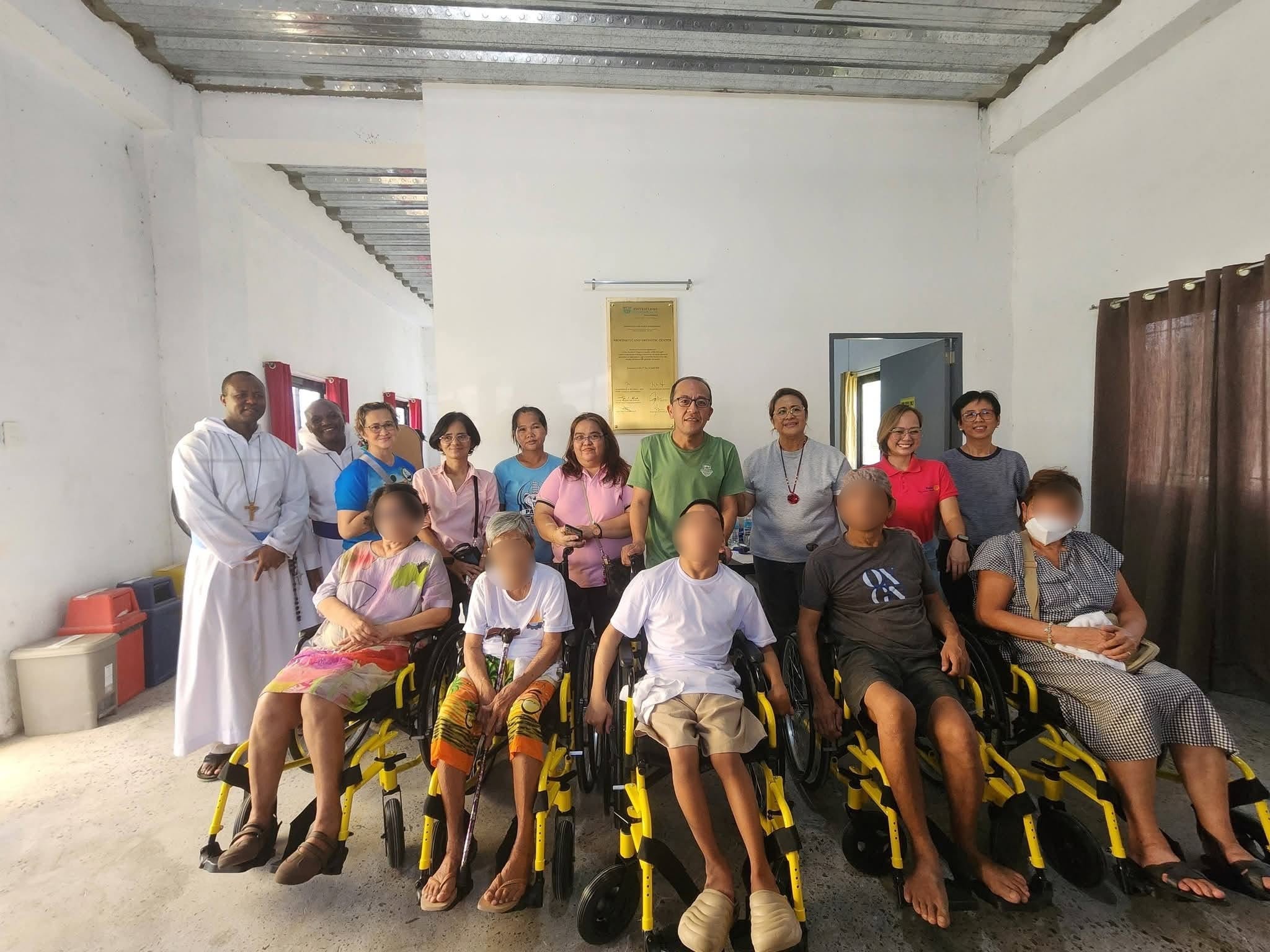
On July 22, 2026, in a hall in the Bicol region of the southern Philippines, prostheses and wheelchairs were handed over to beneficiaries at the same event, in the same week the country sets aside every year for the rights of persons with disabilities.
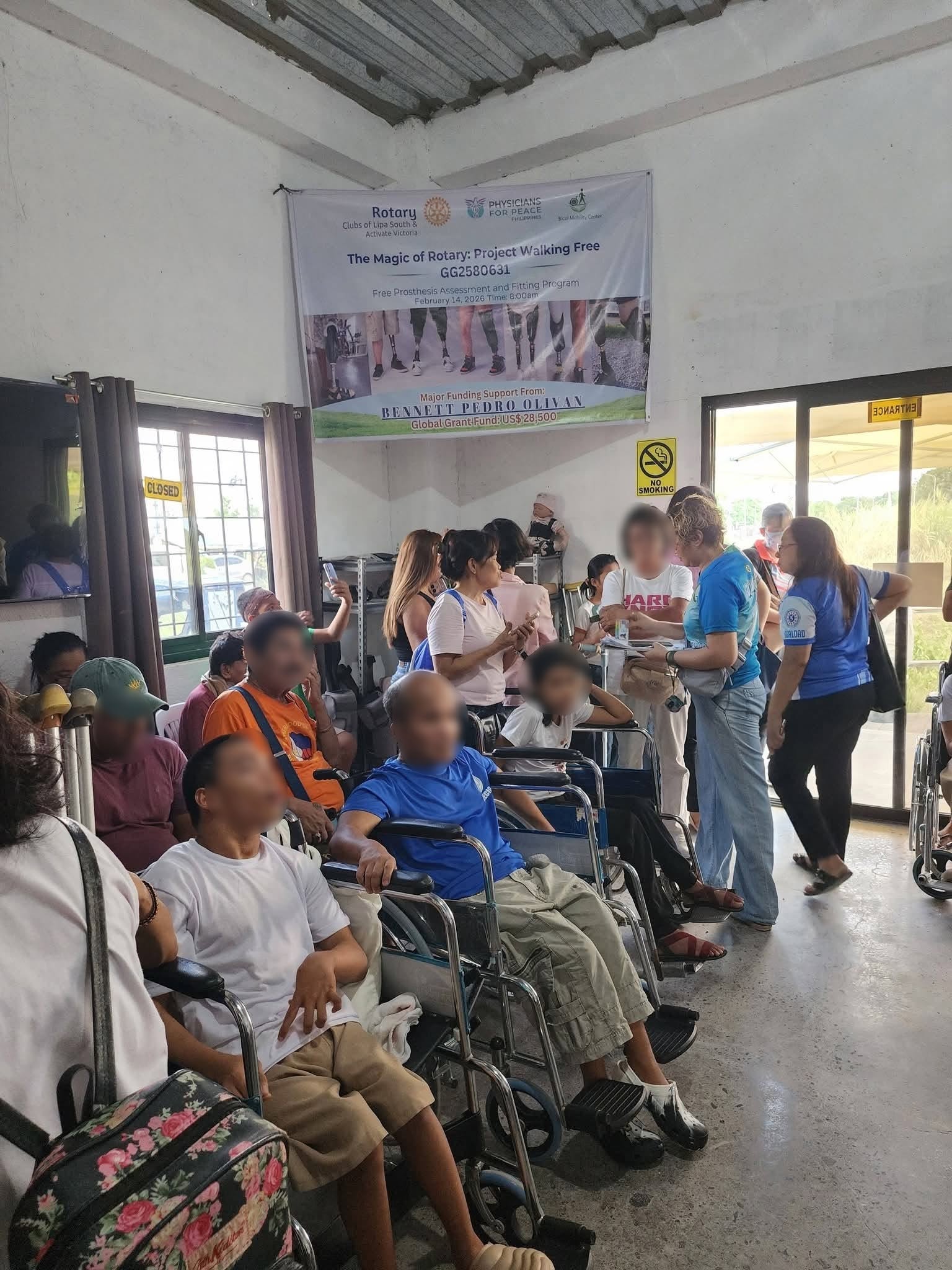
Some arrived on crutches. Some in borrowed wheelchairs. Some were carried in by family. All of them left the day differently than they entered it.
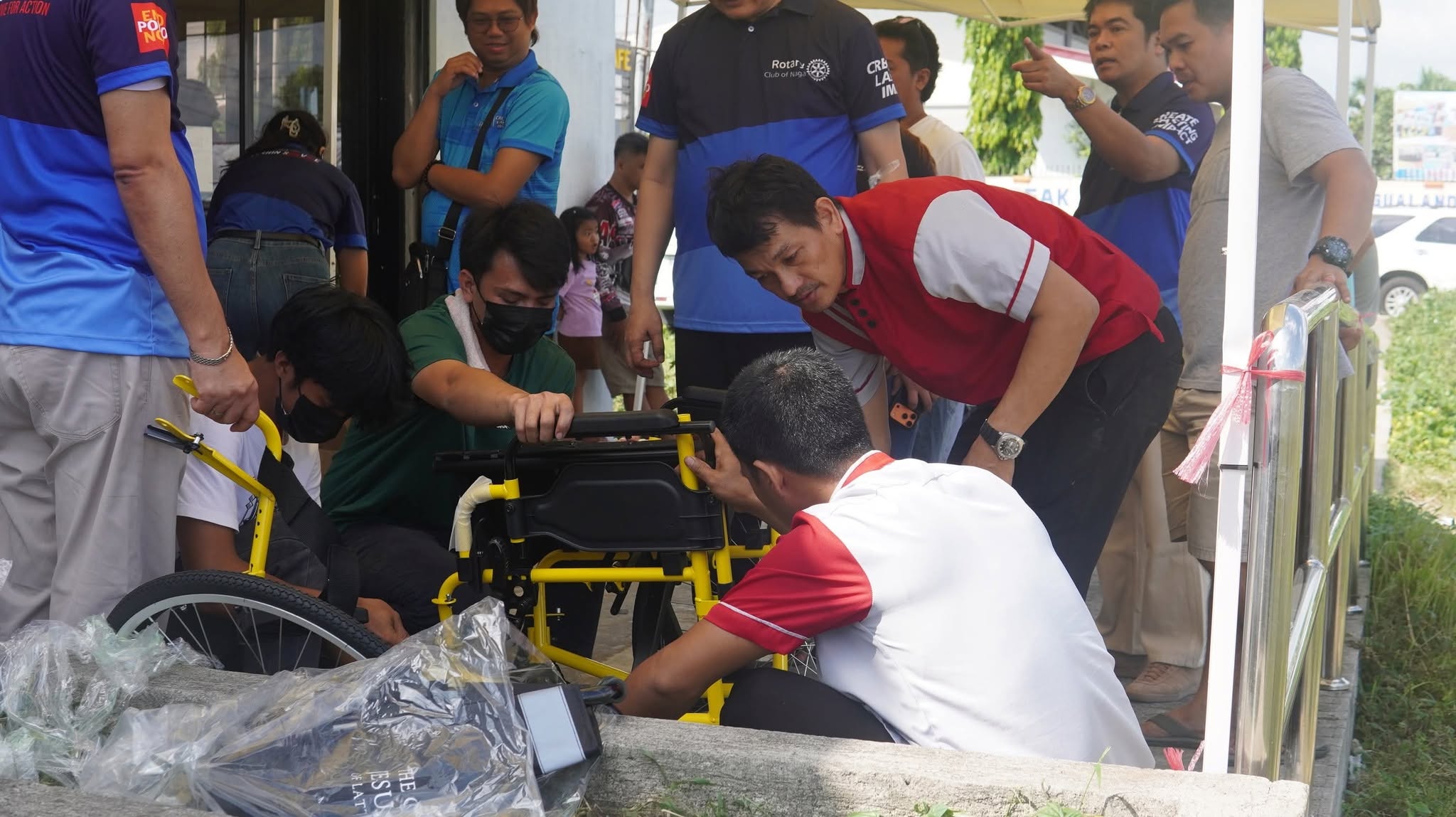
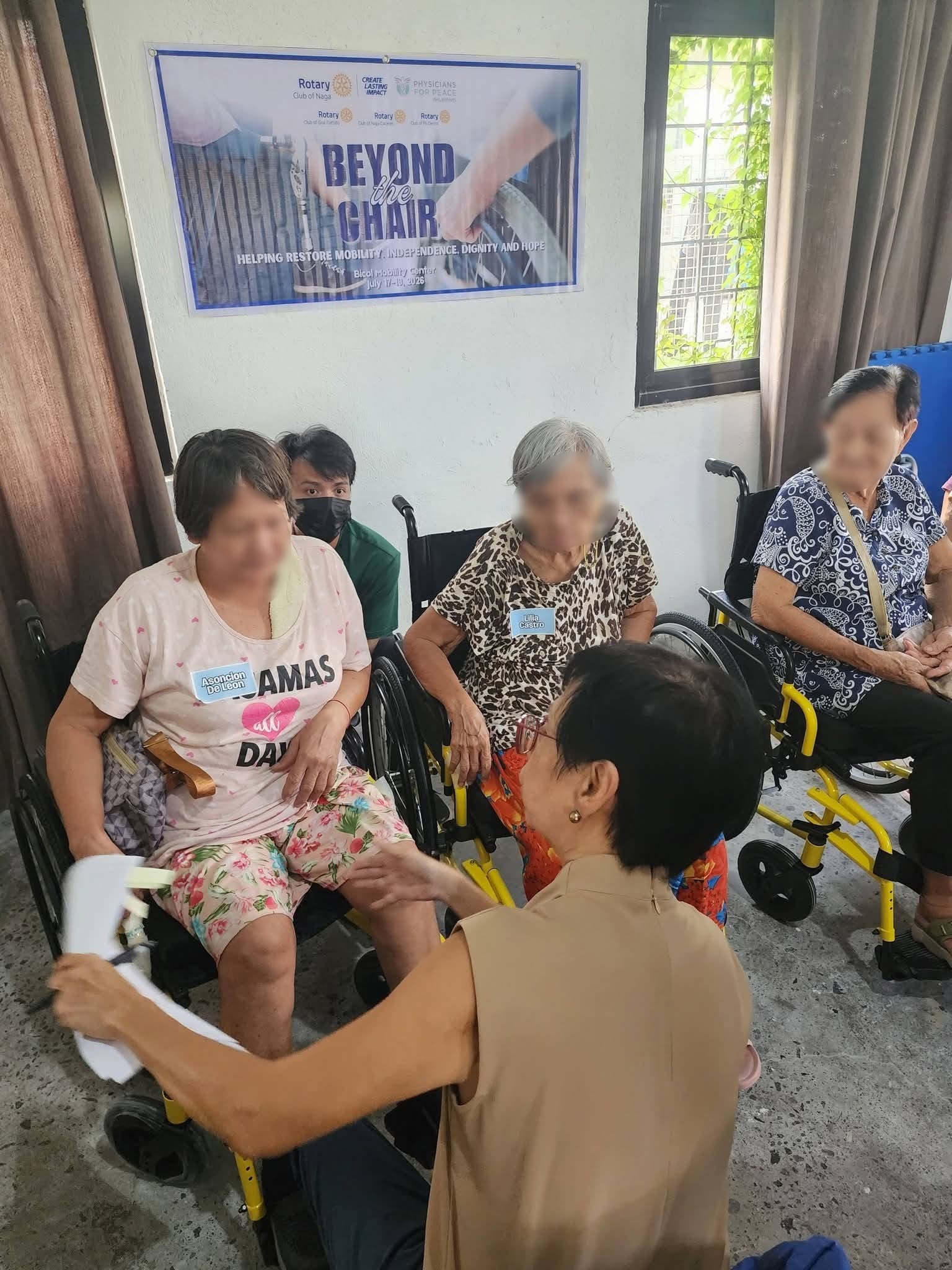
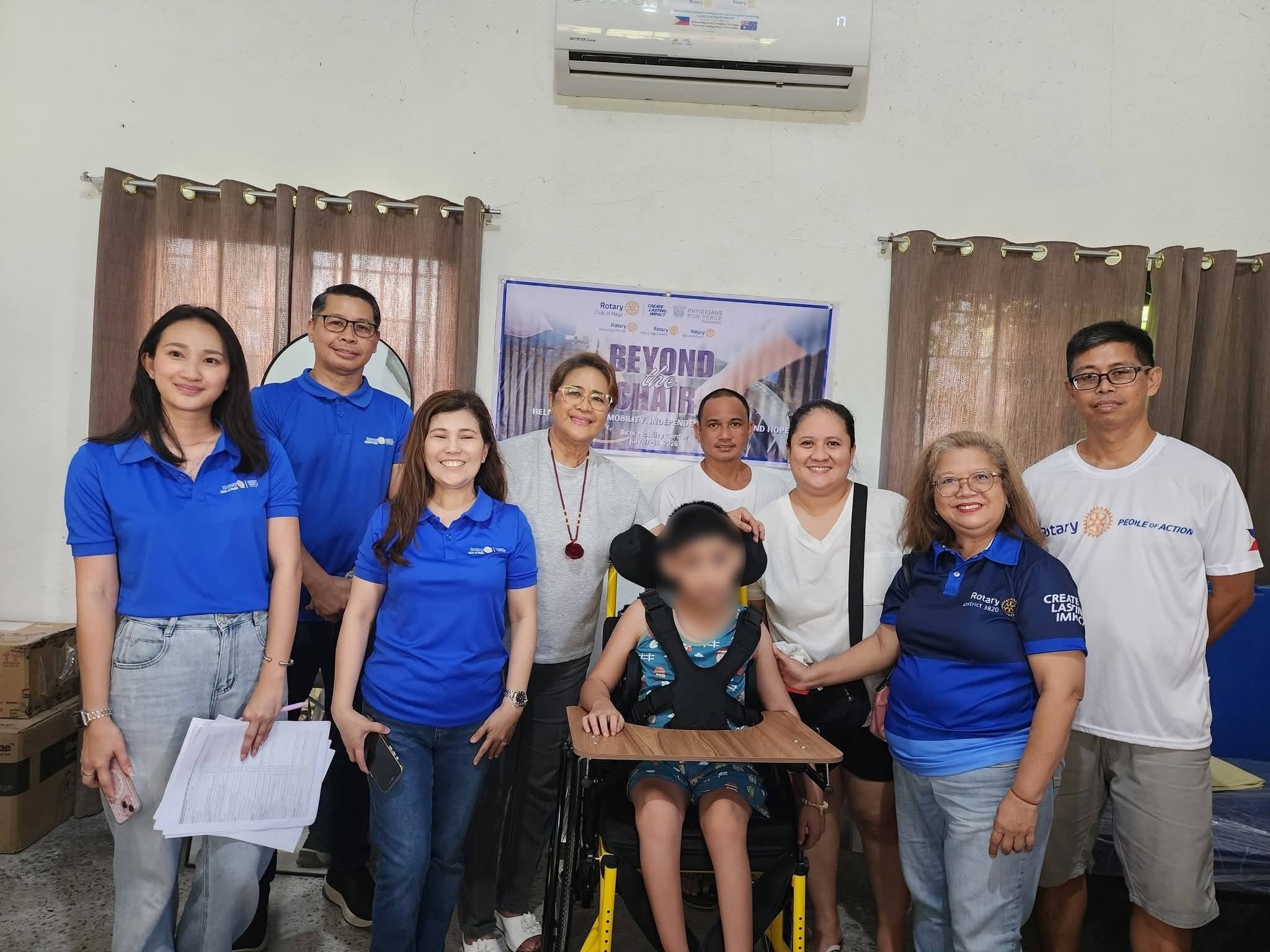
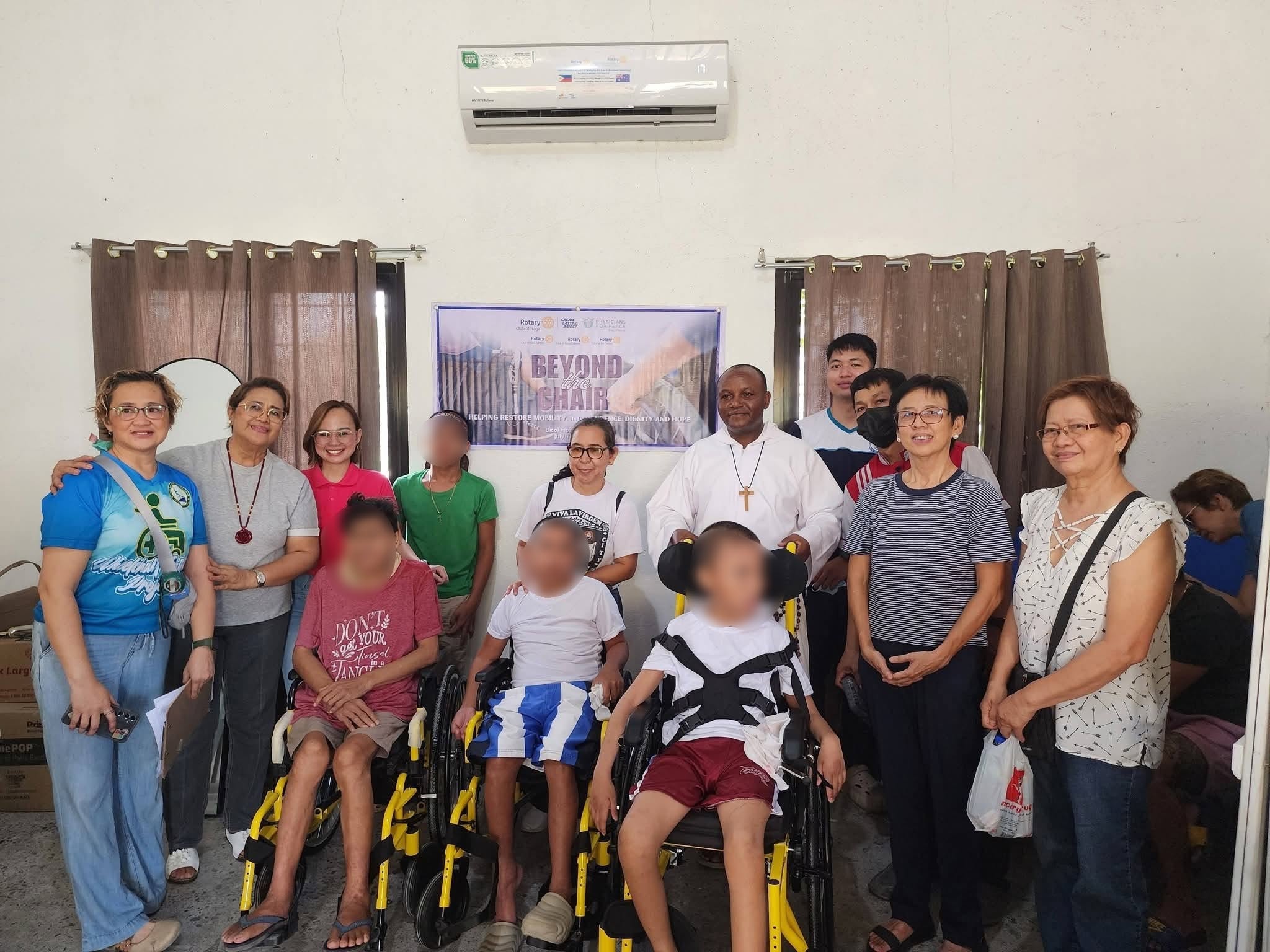
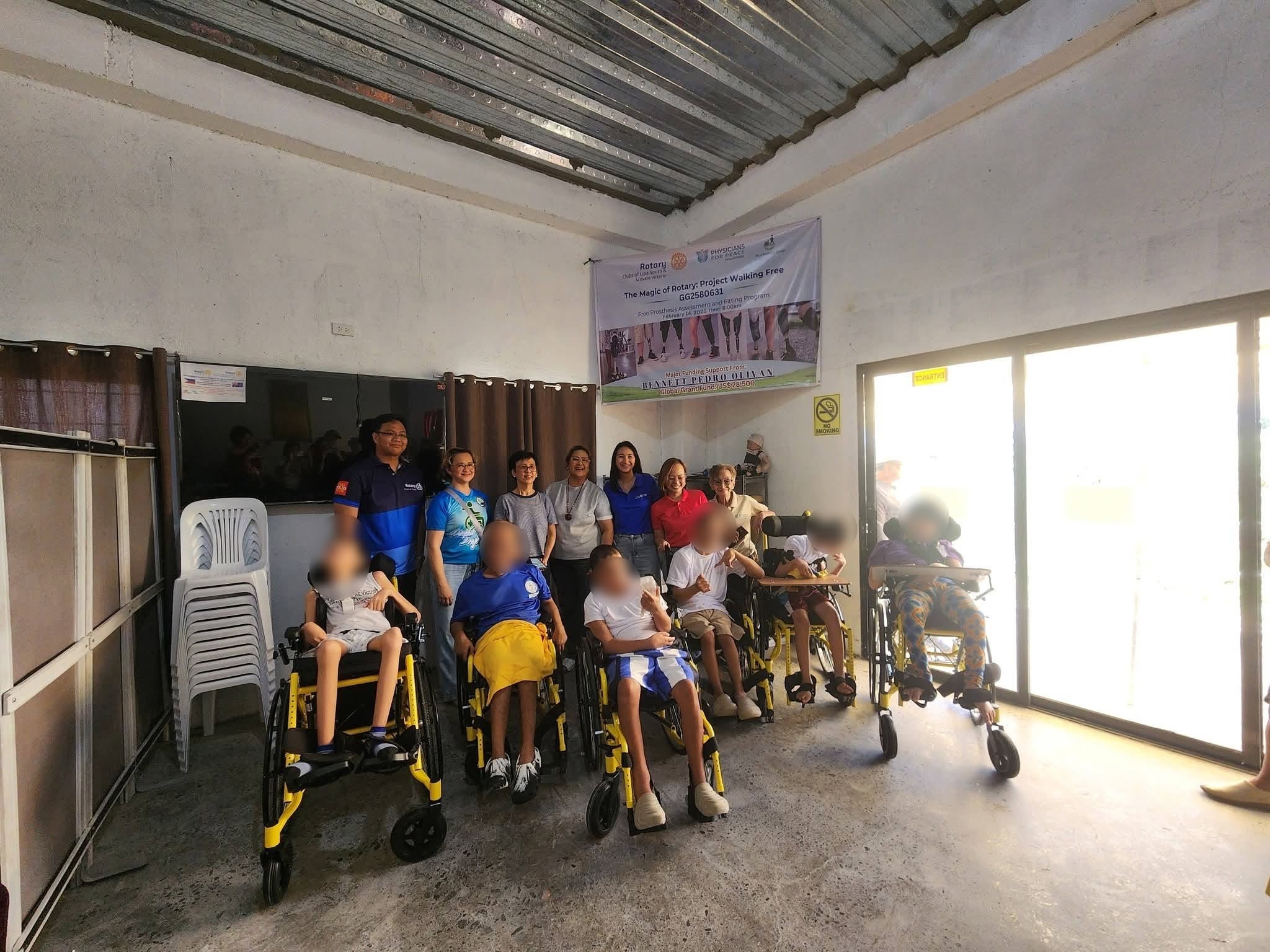
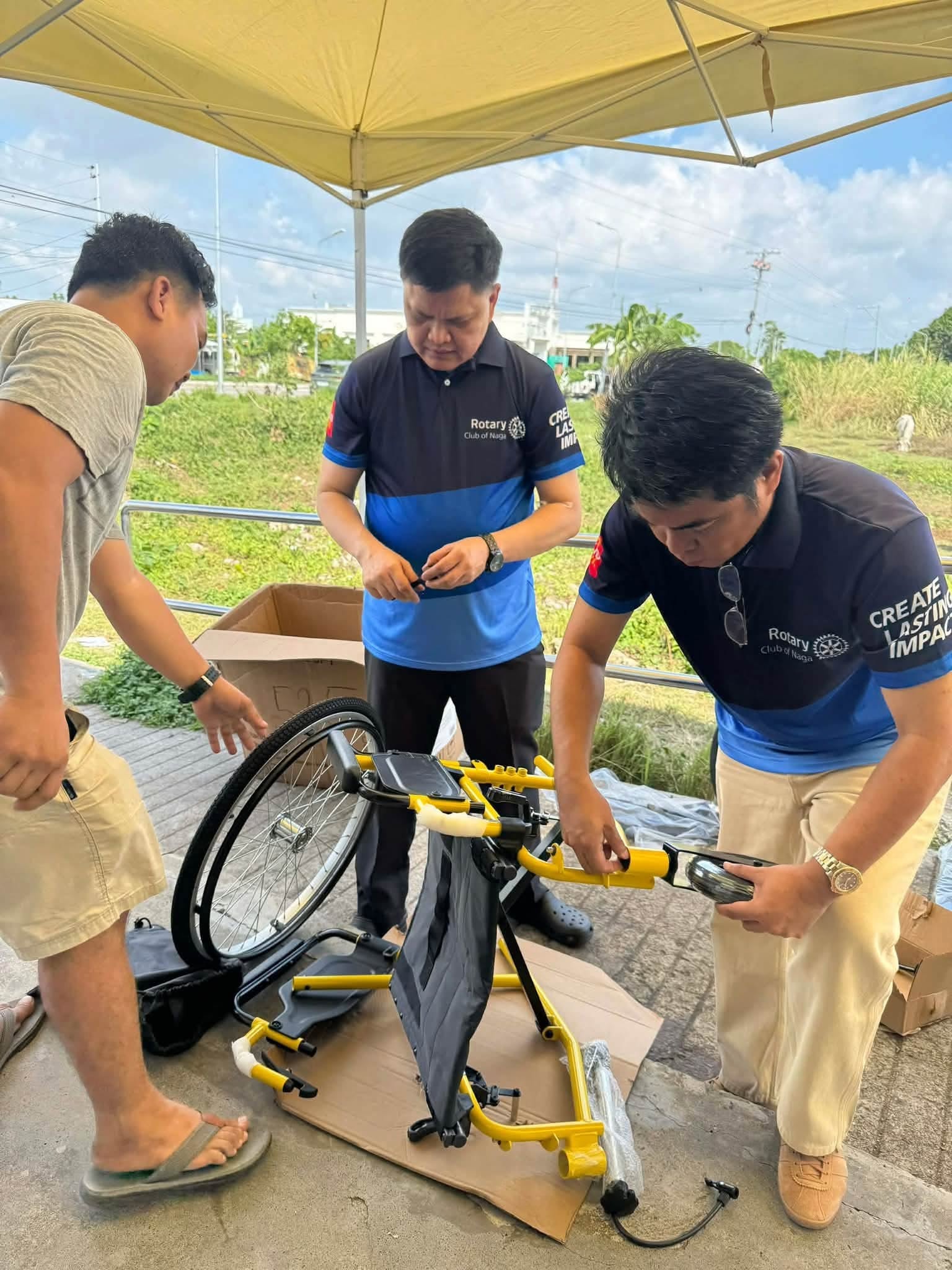
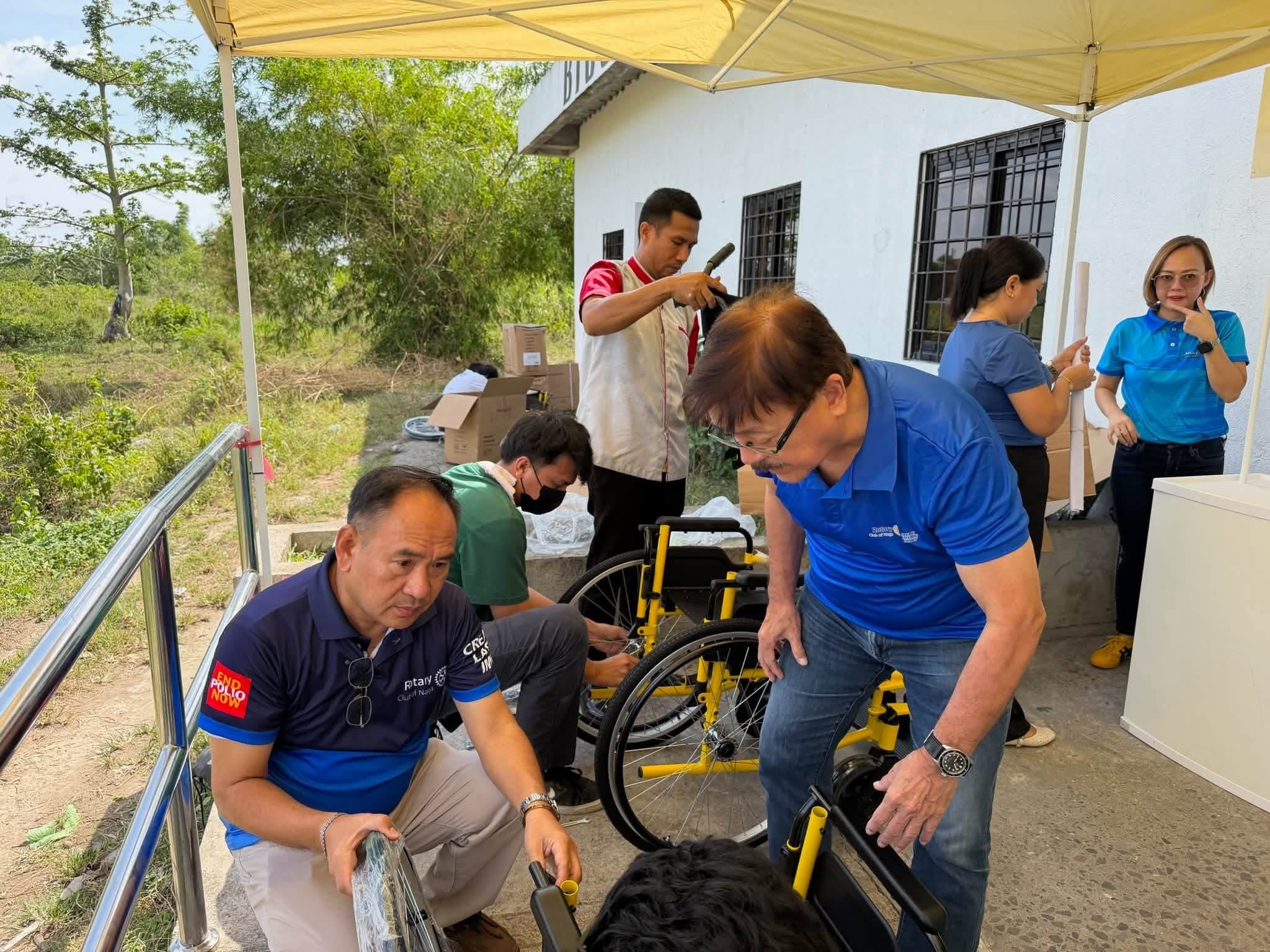
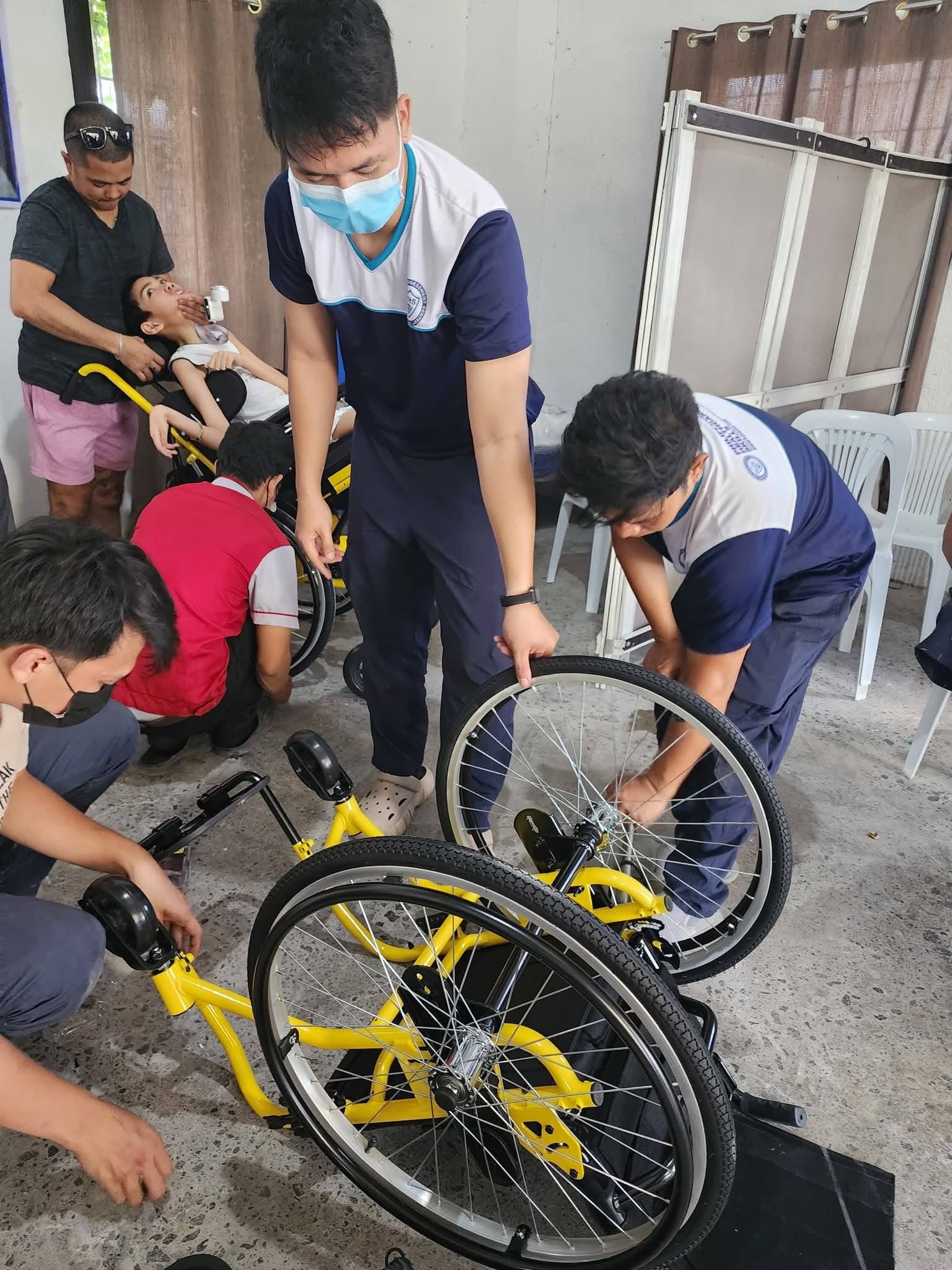
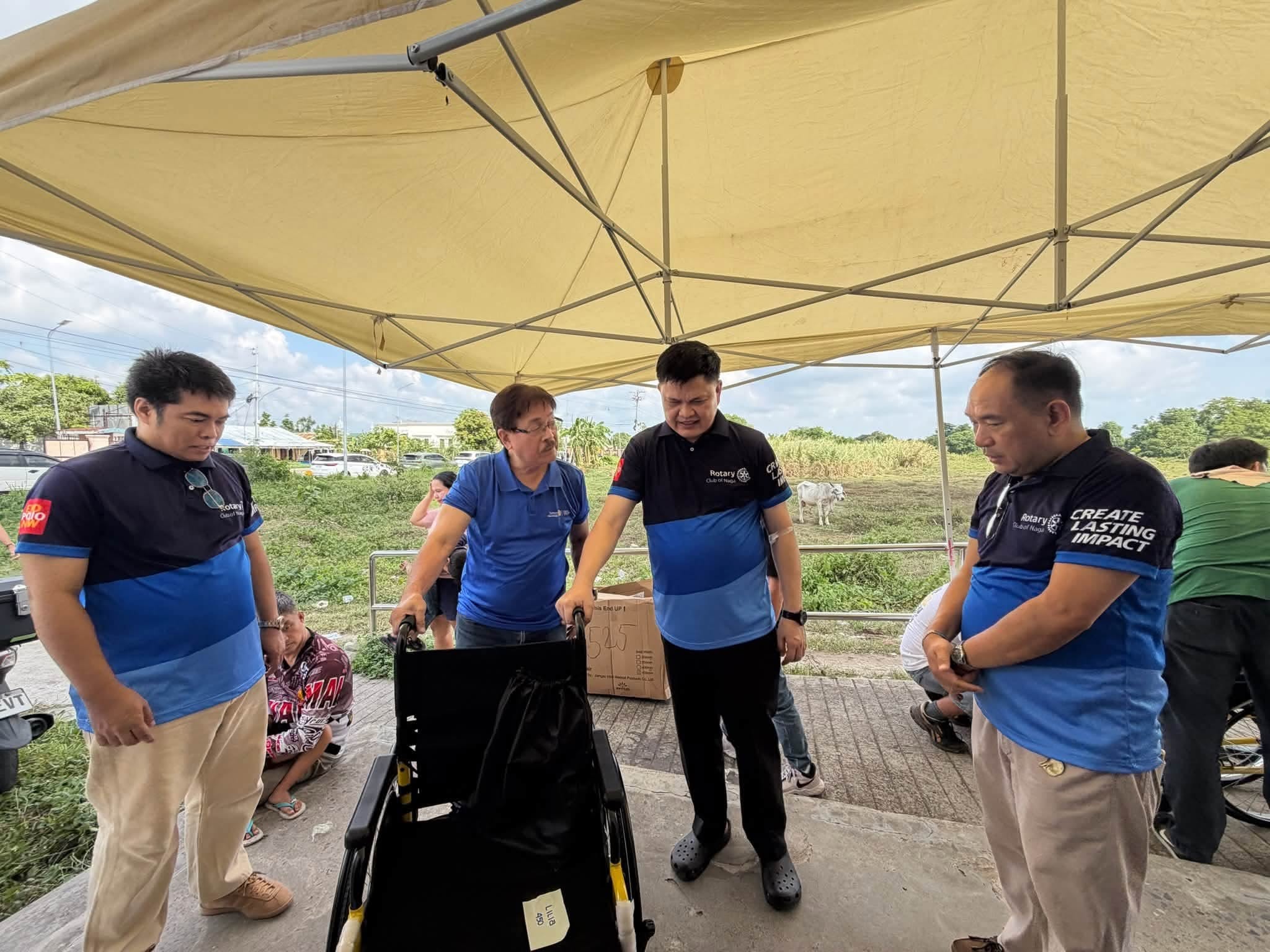
The event was organized by the Bicol Mobility Center in Payatas Road in Naga City, in partnership with Physicians for Peace Philippines and the Rotarians behind two mobility initiatives: Beyond the Chair, a wheelchair provision program in partnership with The Church of Jesus Christ of Latter-day Saints, and the Magic of Rotary: Project Walking Free, a Rotary Foundation Global Grant. Together, the two programs addressed the two most common categories of mobility loss — the loss of a limb, and the loss of the ability to move without assistance — in a single coordinated delivery.
A week with a proclamation behind it
National Disability Prevention and Rehabilitation Week is not a symbolic date. It carries the force of Presidential Proclamation No. 361, issued in 2000, which set the third week of July aside every year to stimulate public awareness of disability issues and encourage national responsibility for the economic and social upliftment of persons with disabilities. The week culminates on July 23, the birthday of Apolinario Mabini, the revolutionary intellectual known as “the Sublime Paralytic,” whose paralysis in his early 30s did not stop his mind or his role in the founding of the Philippine Republic.
The choice of Mabini’s birthday is deliberate. It anchors the week in the Filipino conviction that disability is not the end of contribution. And it reframes the annual observance not as a plea for sympathy but as a national accounting of what has been done, in the year past, to close the gap between rights on paper and rights lived.
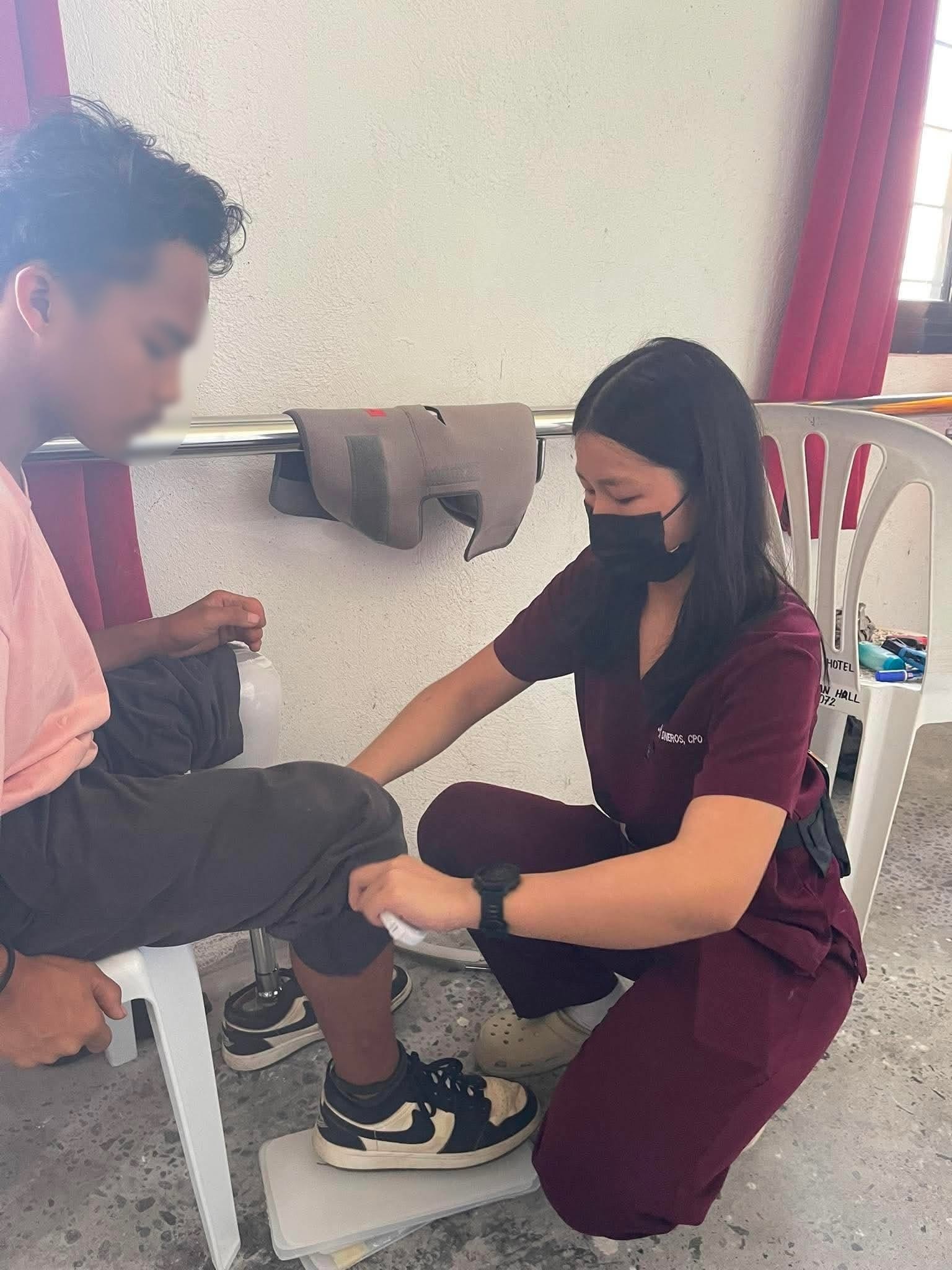
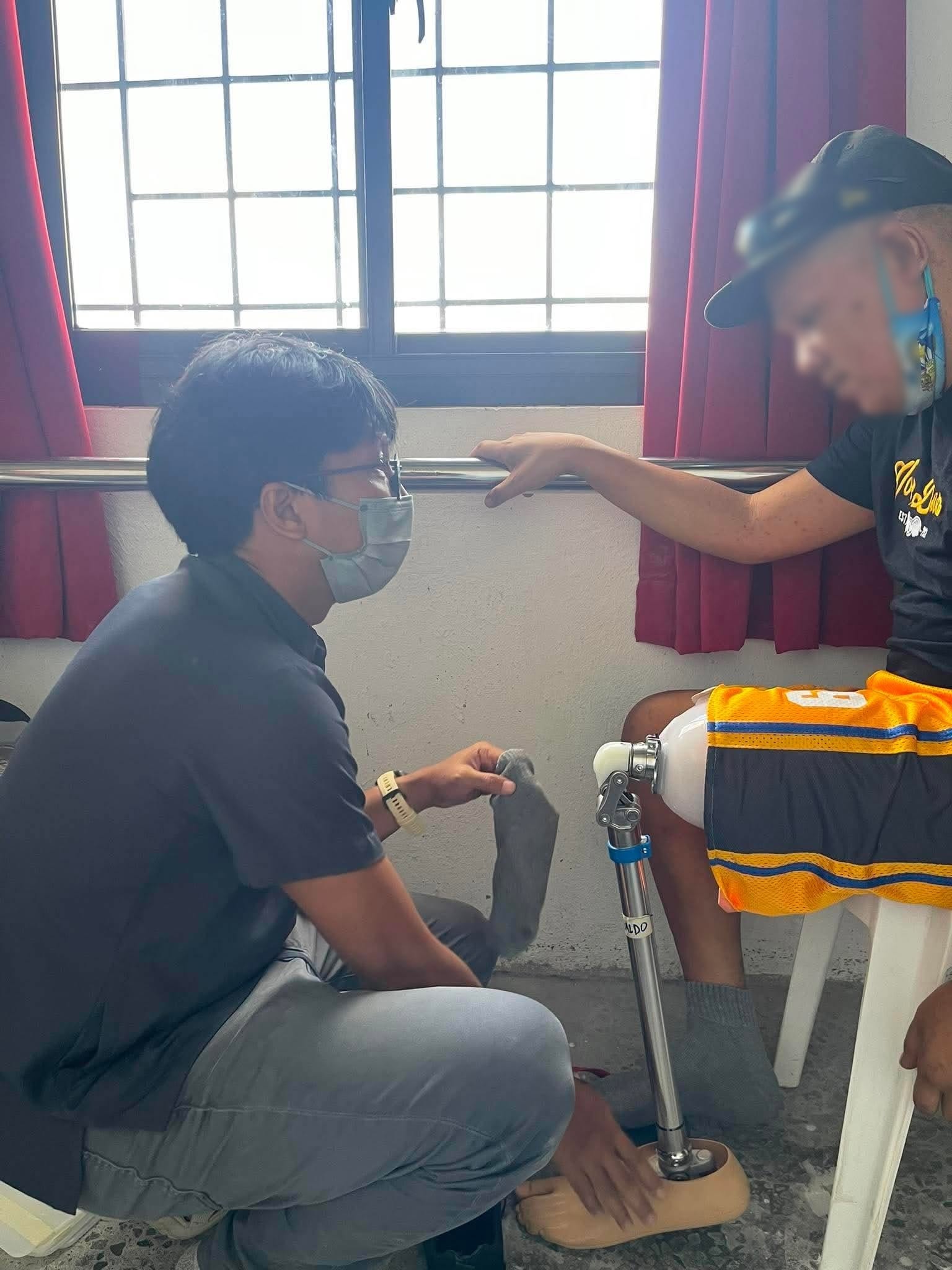
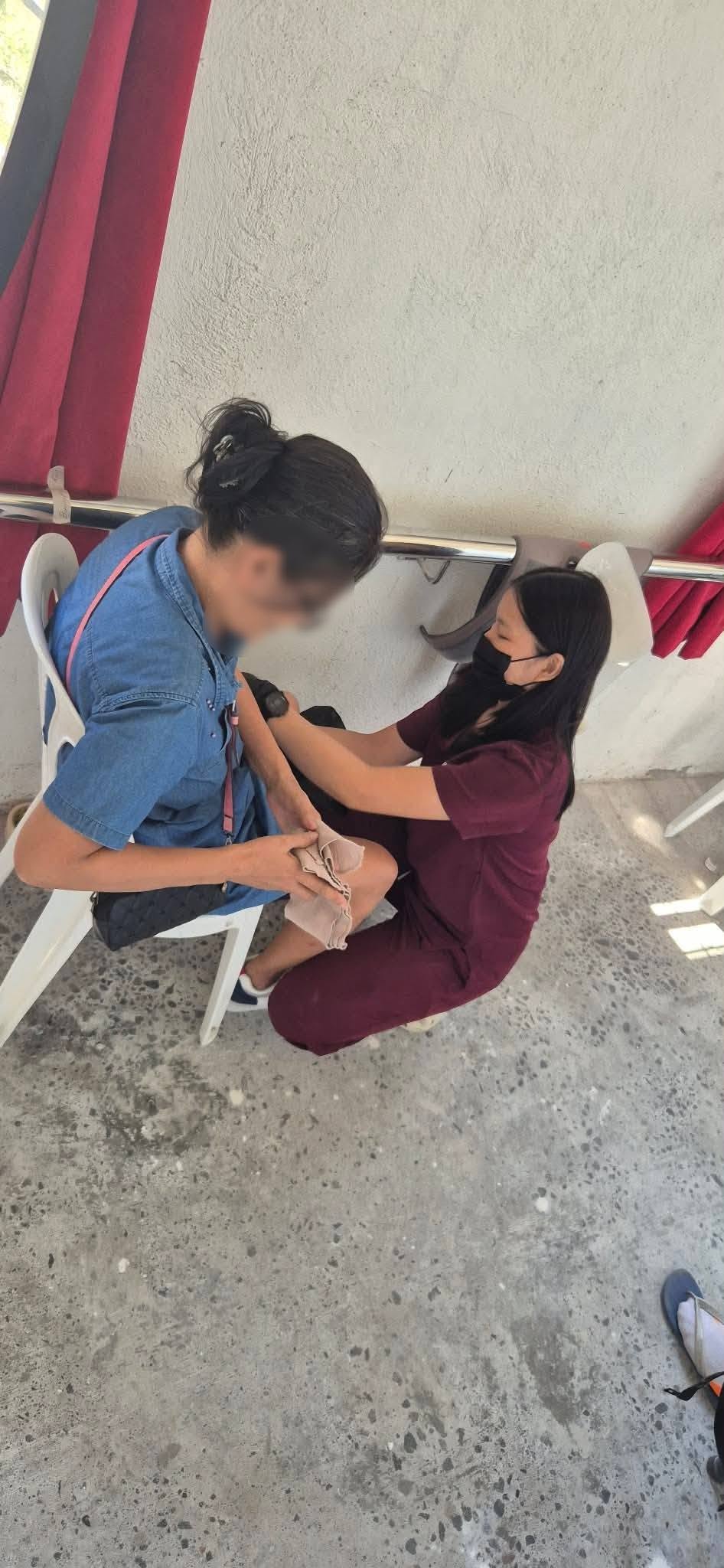
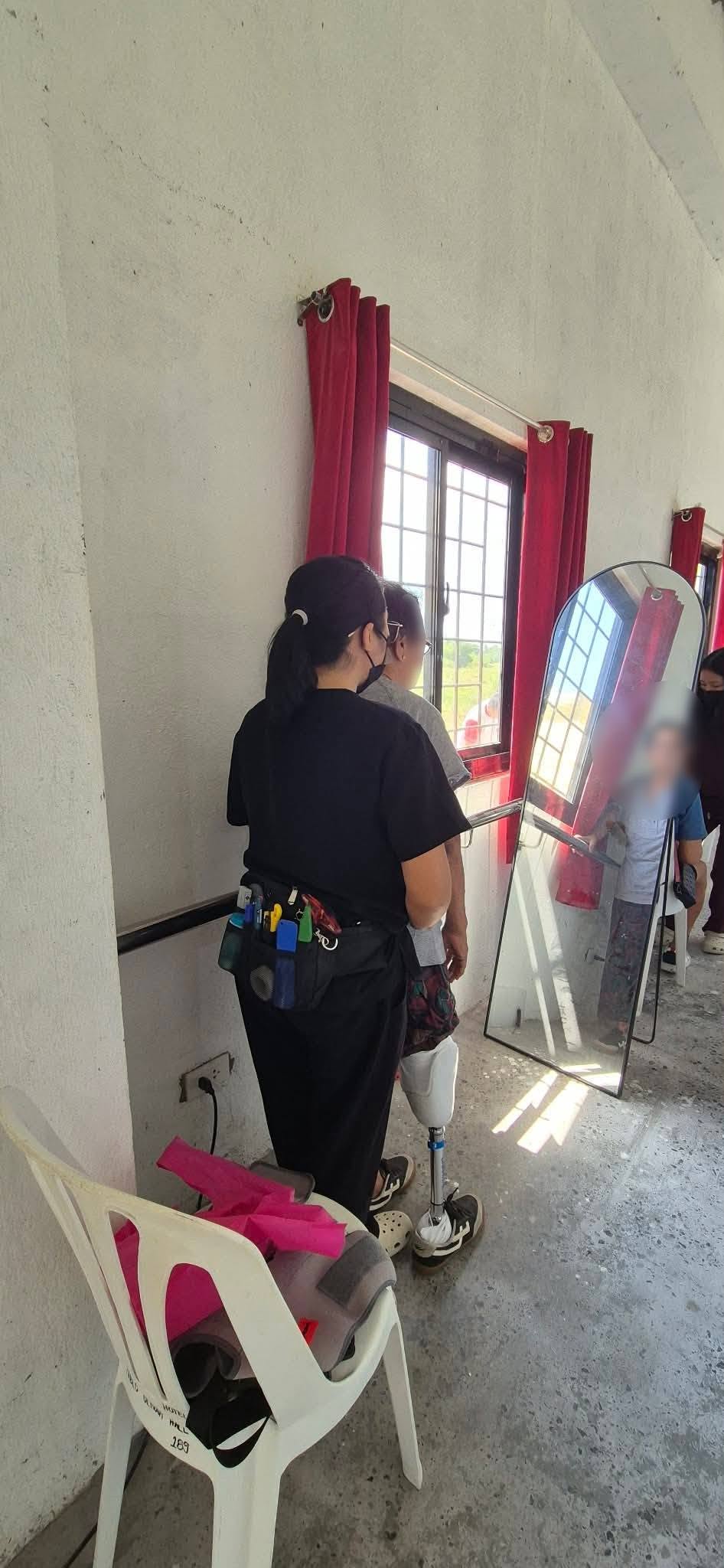
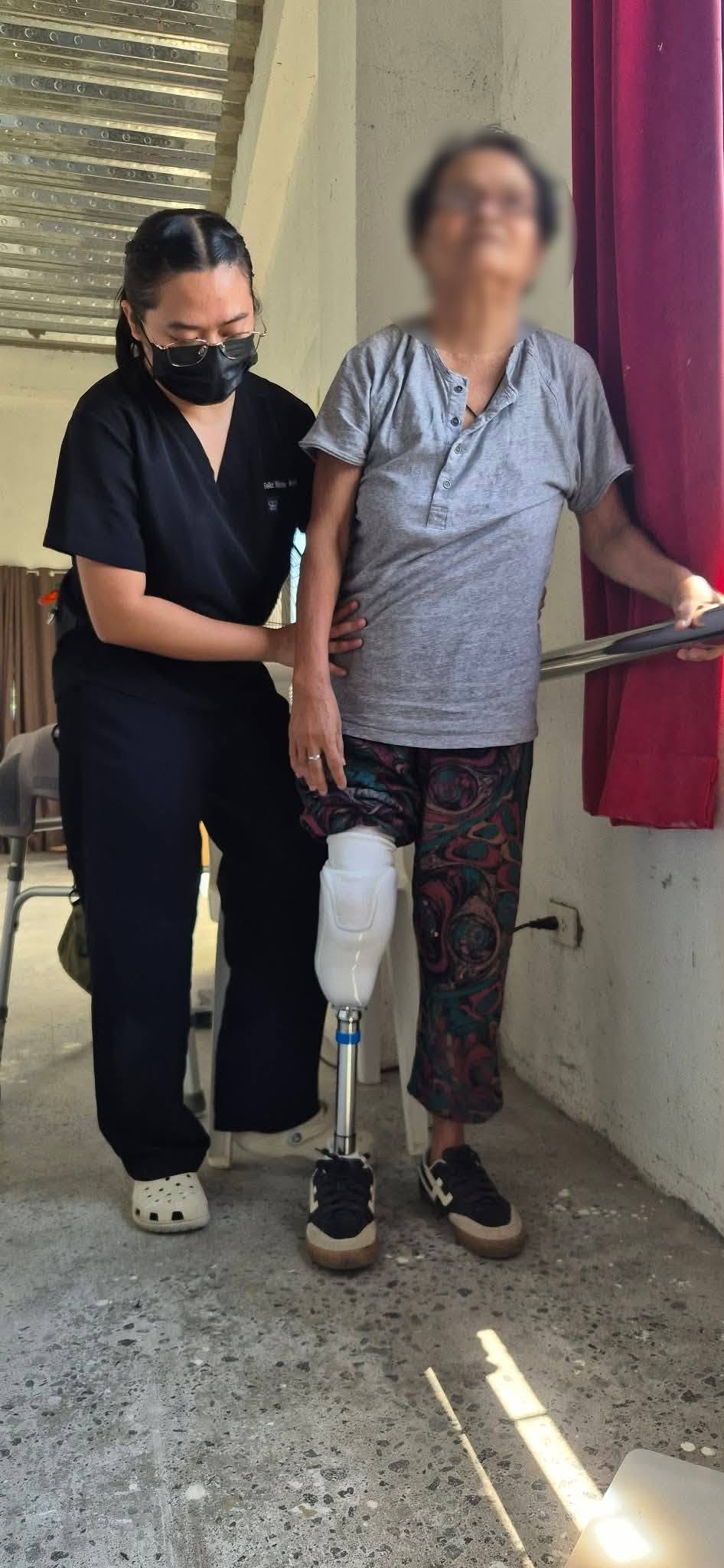
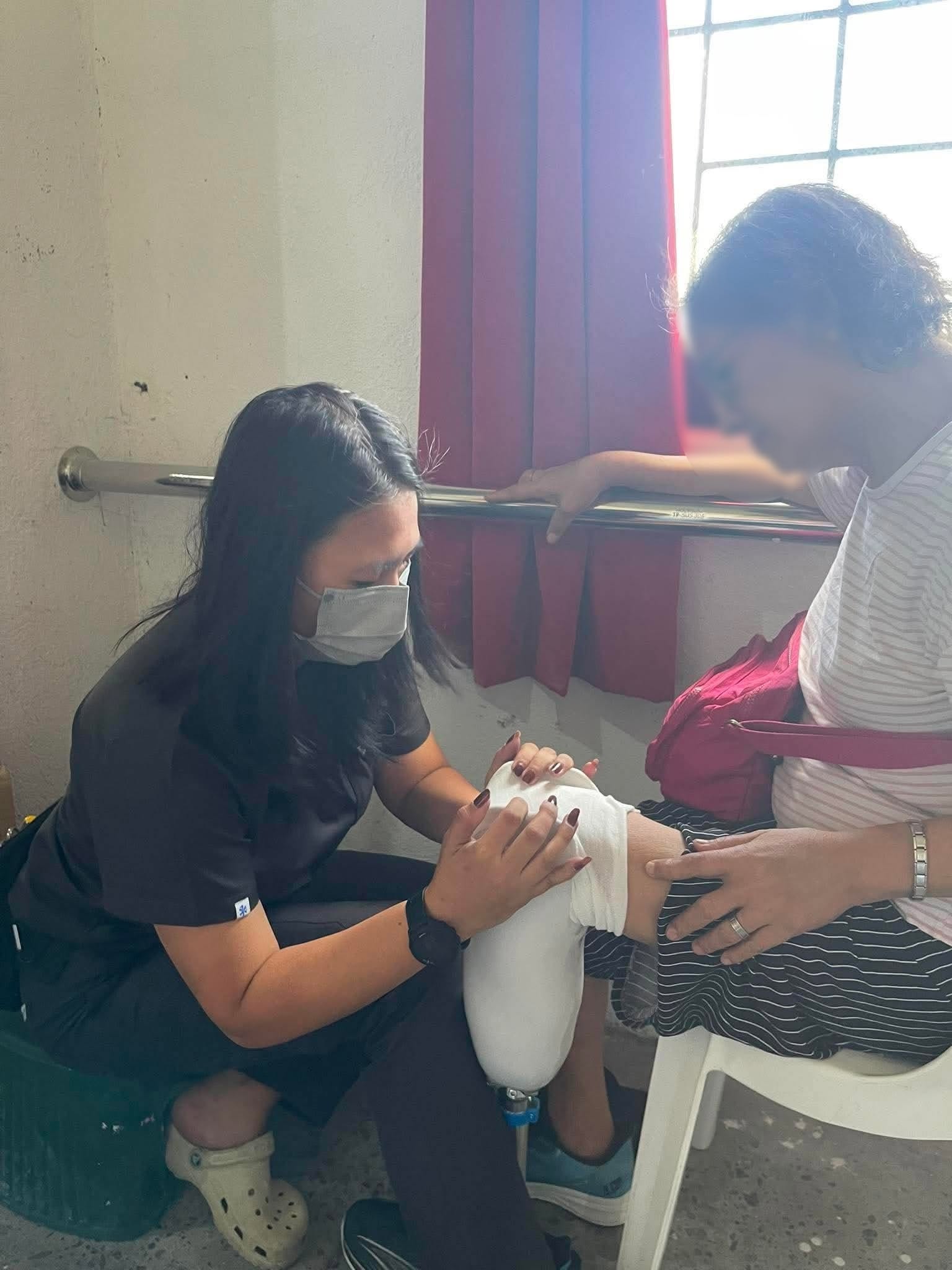
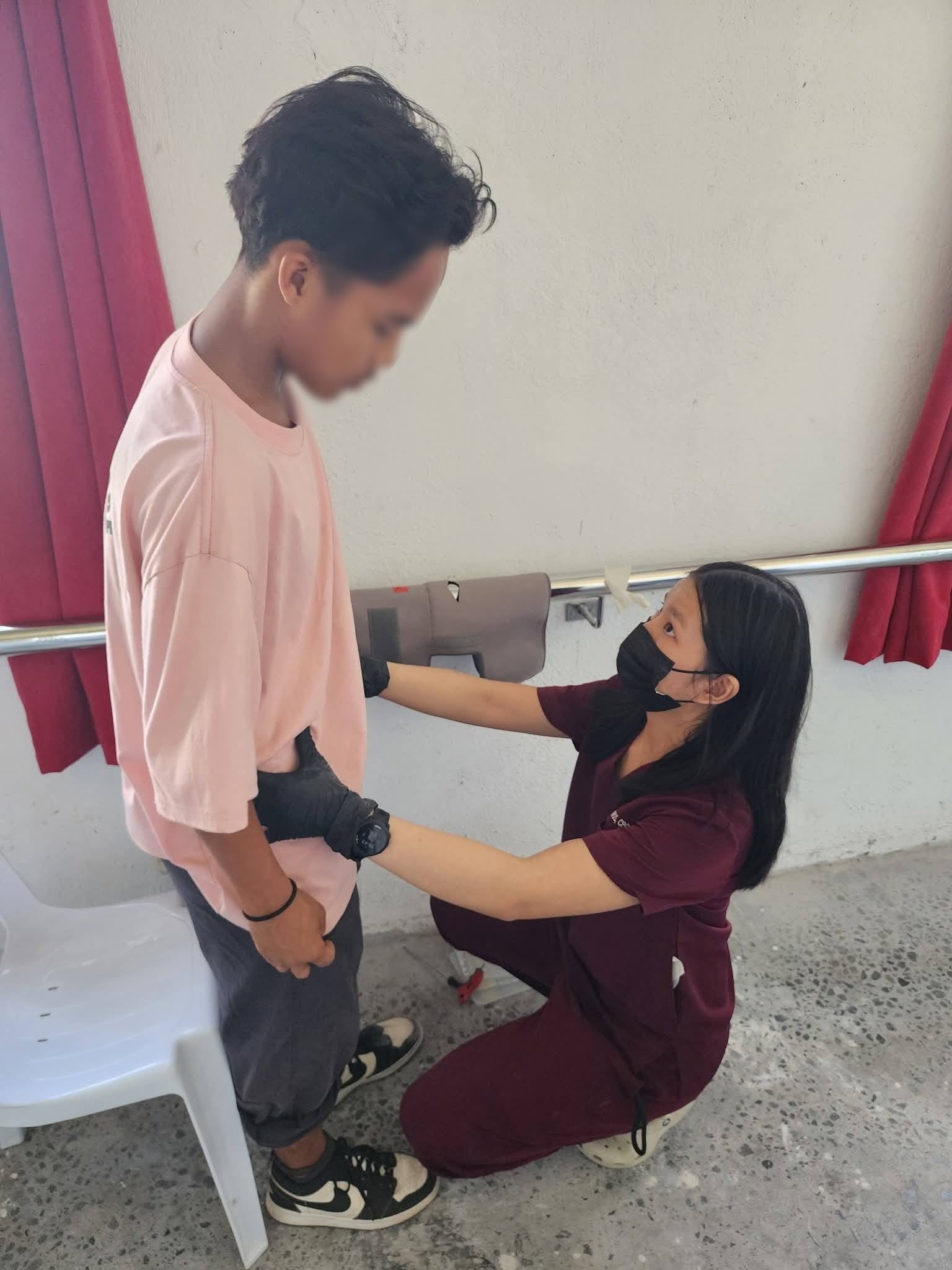
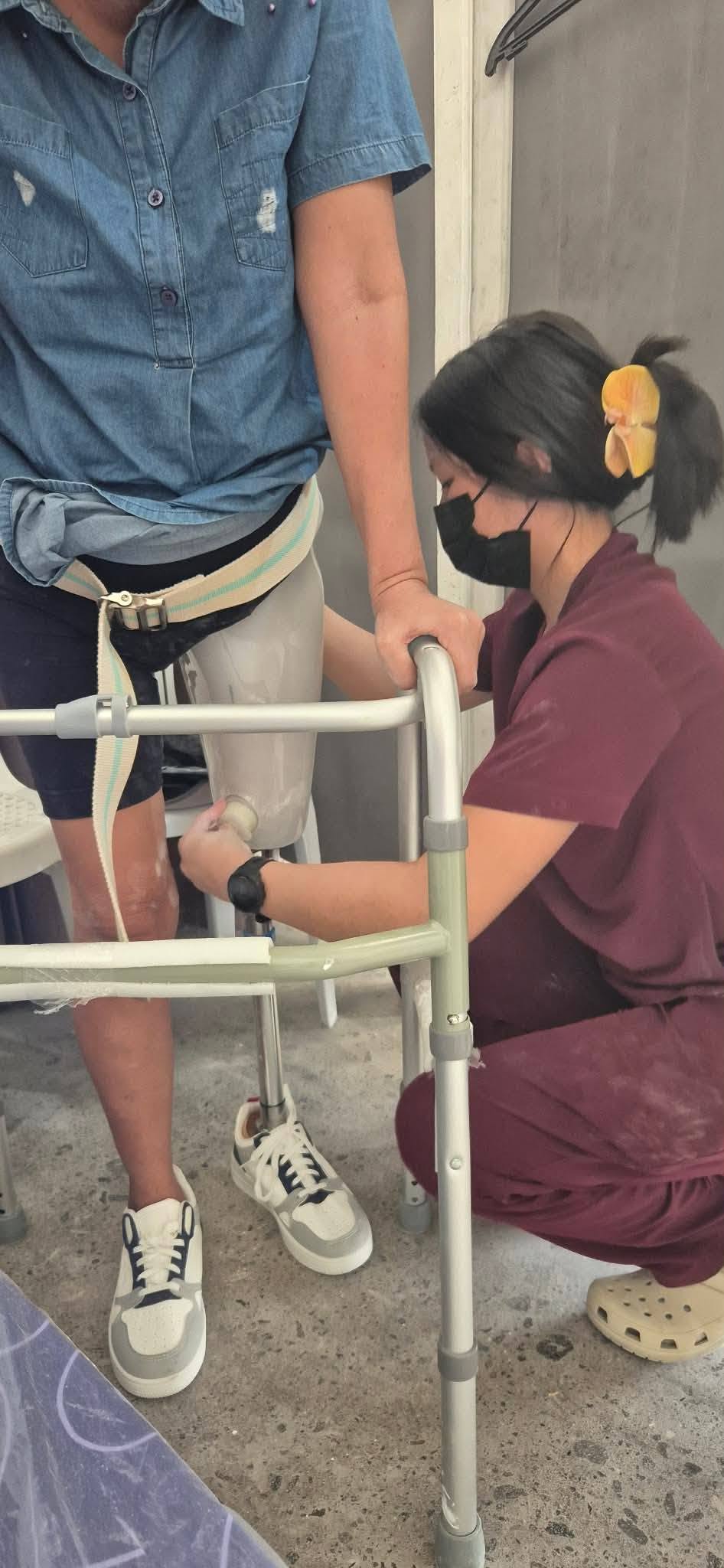
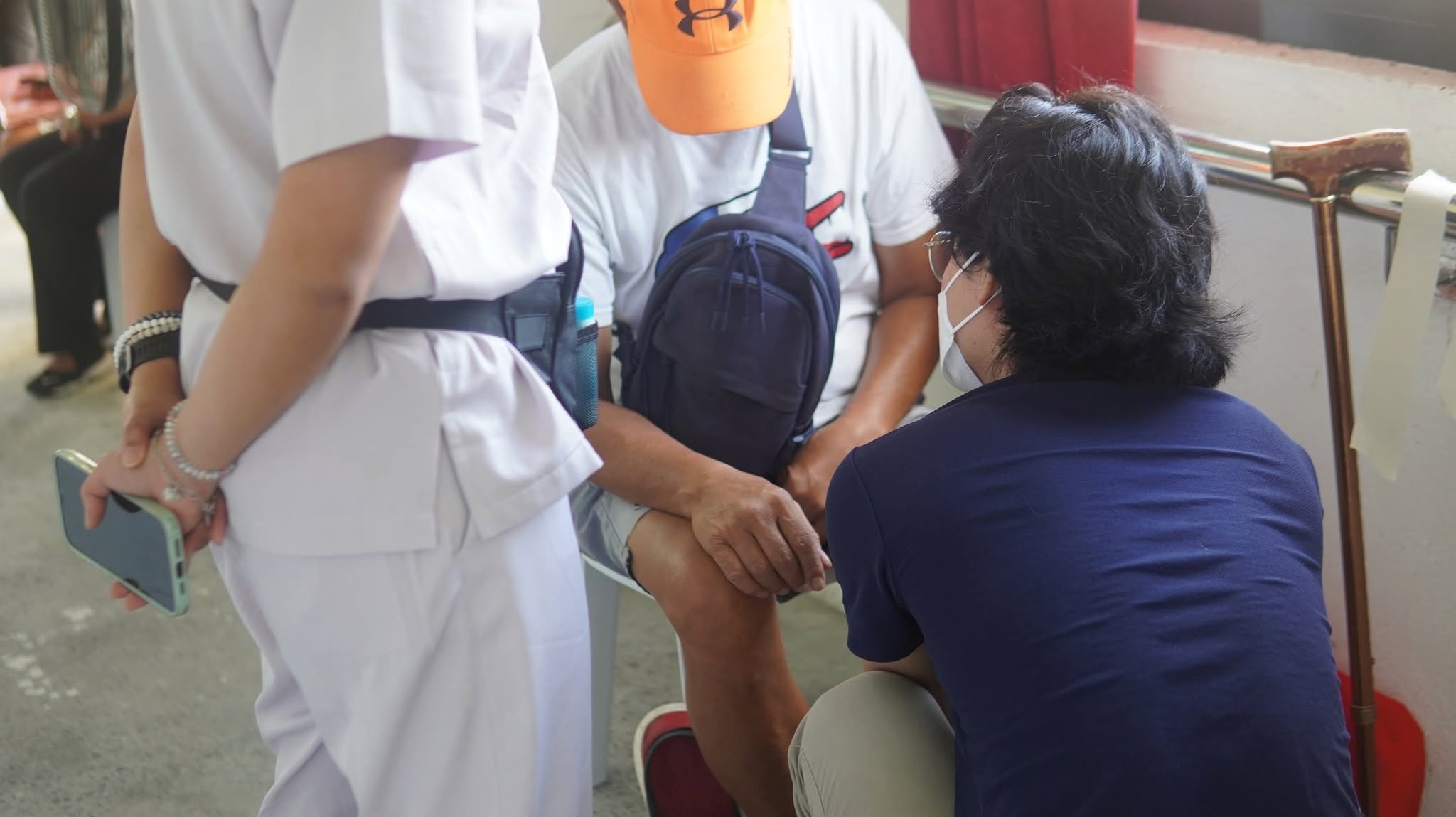
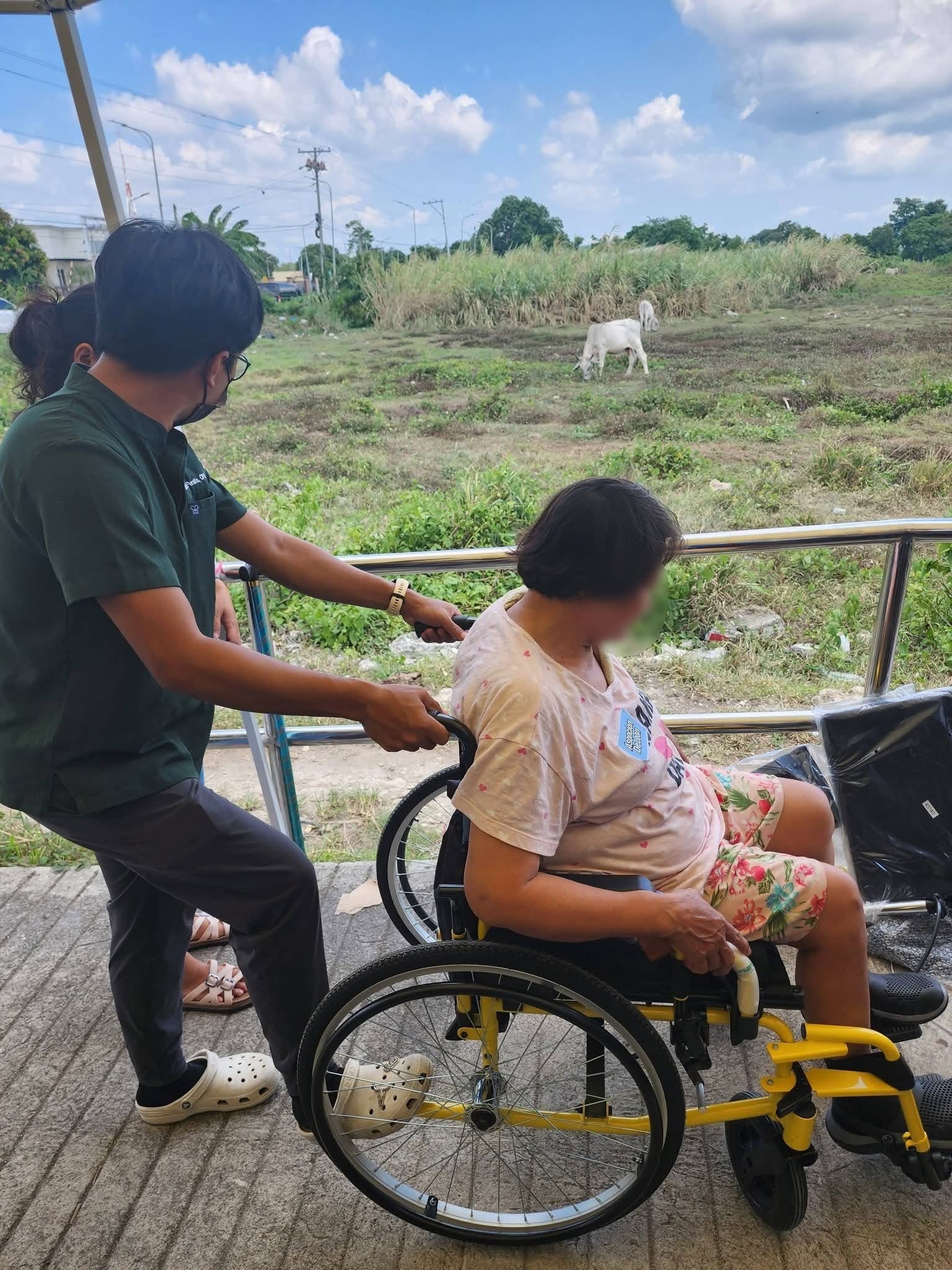
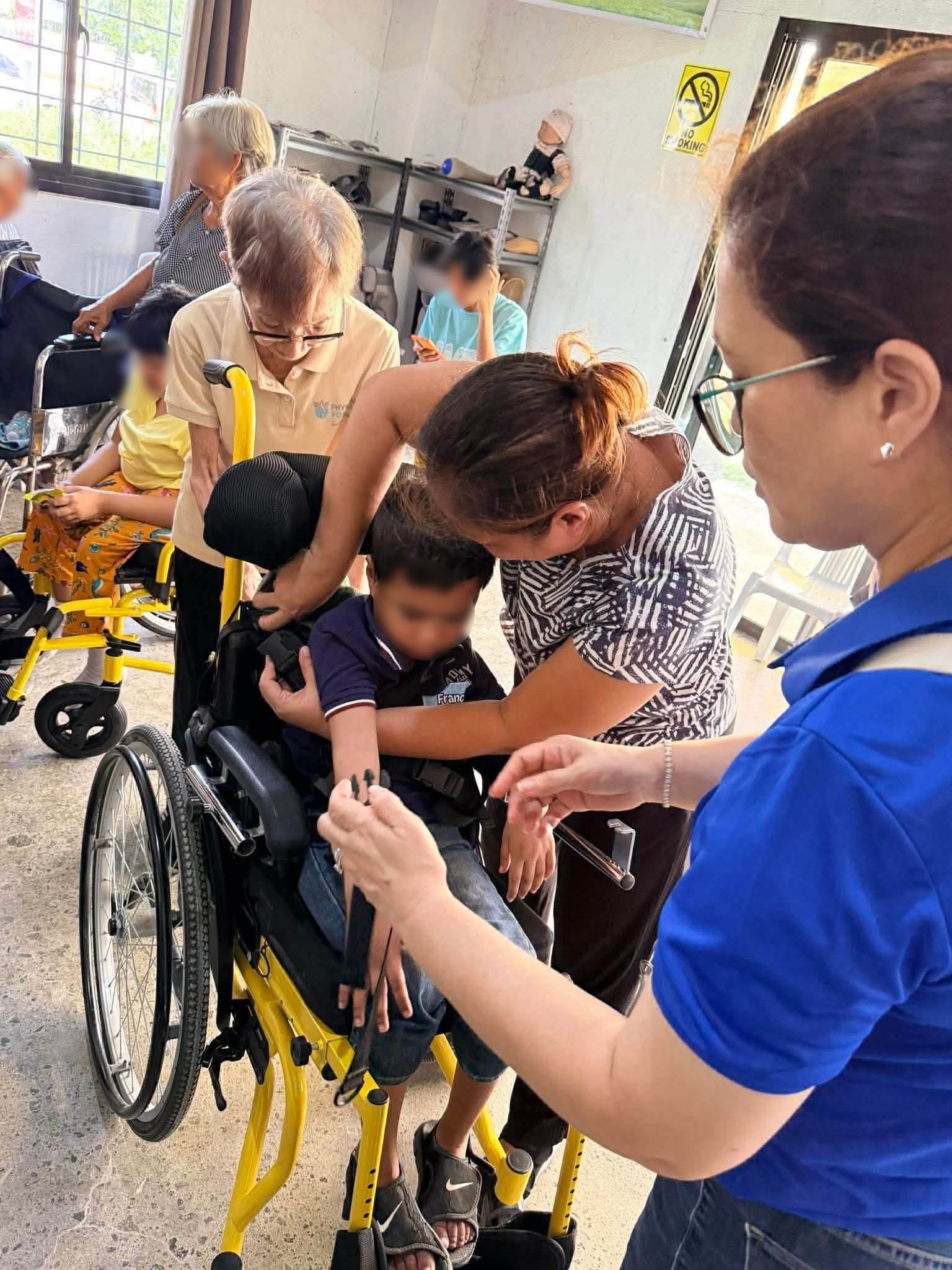
For the beneficiaries in Bicol on July 22, the accounting was concrete: a wheelchair fitted to a body, a prosthesis cast from a residual limb, a device to take home.
Two programs, one purpose
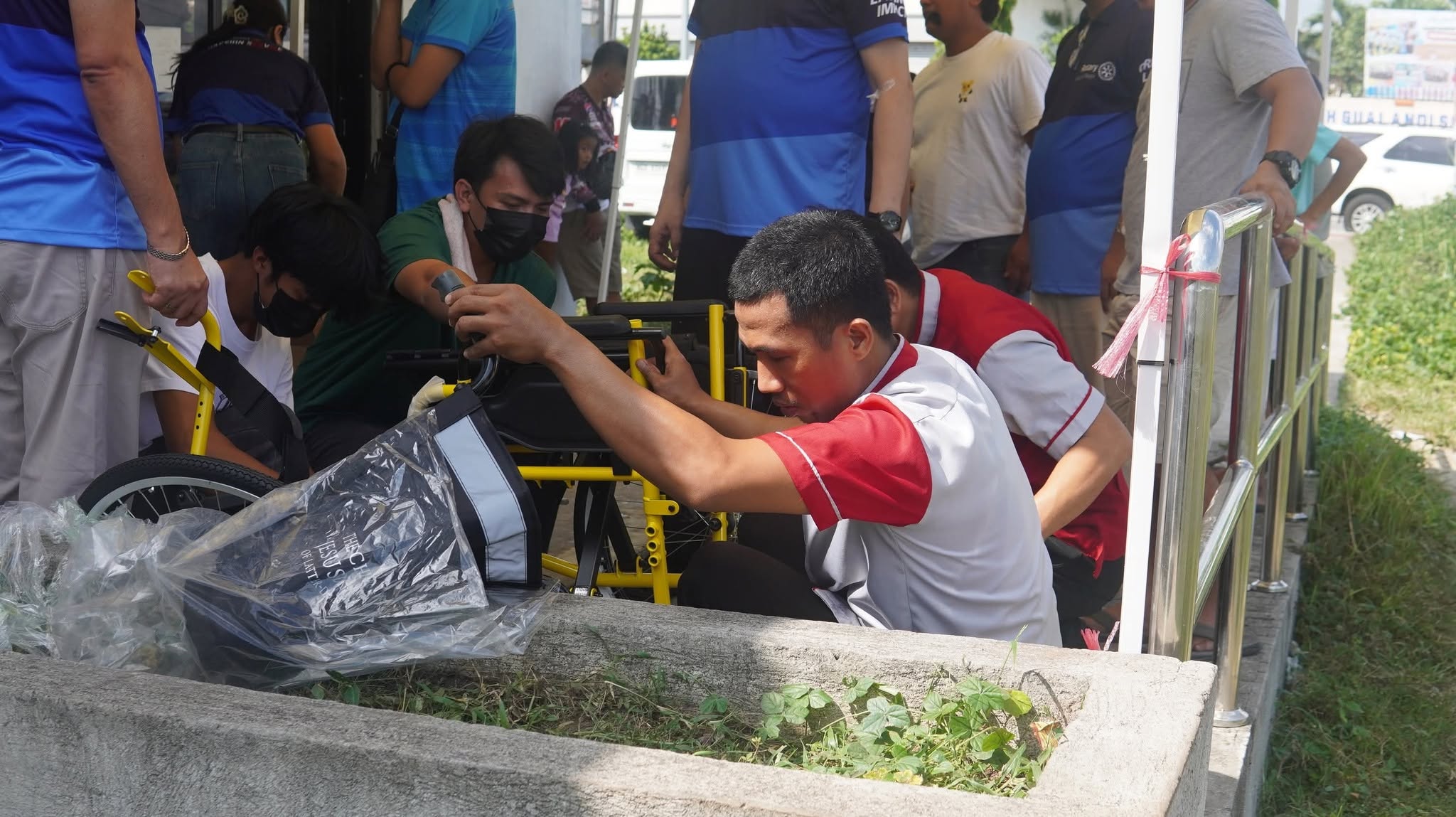
Beyond the Chair is a wheelchair provision program built to reach communities where a properly sized wheelchair is often the difference between a life in a single room and re-entry into a community. A wheelchair is not one-size-fits-all. A device too large is a fall hazard; one too small causes pressure injuries. Beyond the Chair is designed around fitting the wheelchair to the person rather than the reverse, and around providing the follow-up that keeps the chair usable as the user’s body changes over time.
The Magic of Rotary: Project Walking Free is a Rotary Foundation Global Grant, GG2580631, funded by the Rotary Club of Lipa South of D3820 in the Philippines, the Rotary Club of Activate Victoria in Australia, and other partners, with major funding support from Bennett Pedro Olivan. It provides custom-cast lower-limb prostheses to Filipino amputees who could not otherwise afford them.
Nationally, there are more than 600,000 amputees living in the Philippines, according to research published in BMJ Case Reports, and the University of the East Ramon Magsaysay Memorial Medical Center estimates that roughly 80 percent of Filipino amputees do not have a prosthesis, largely because of cost. At the Bicol delivery, the two programs ran side by side, meeting beneficiaries whose needs fell in either category — and, for a few, in both.
By the numbers
| July 22, 2026 | Free wheelchair and prosthesis delivery in Bicol, during the third week of July — National Disability Prevention and Rehabilitation Week |
| US$28,500 | Rotary Foundation Global Grant fund for Project Walking Free (GG2580631) |
| 600,000+ | Amputees living in the Philippines (BMJ Case Reports) |
| ~80 percent | Estimated share of Filipino amputees without a prosthesis (UERMMMC / DOST-PCHRD) |
The people who make the mobility work
Restoring mobility is not the work of a single delivery day. It is the work of the specialists who assess, cast, fit, adjust, and follow up. In Bicol, that work had names.
Project Walking Free is one of a growing number of Rotary Foundation initiatives focused on mobility in the Philippines. Physicians for Peace Philippines, the implementing partner in this grant, runs the organization’s mobility program nationally and has worked with Rotary clubs on similar prosthetic and wheelchair provisions in Manila, Las Piñas, Rizal, Makati, Batangas, Bulacan, La Union, Pangasinan, Mindoro, Iloilo, Tacloban, Ormoc, Batanes, Cordillera Mountain Province, and elsewhere. The Foundation has funded such projects for decades as part of its broader commitment to disease prevention, treatment, and community-based rehabilitation.
“Thank you very much for what you provided from Rotary—Physicians for Peace, and Bicol Mobility Center. It is a huge help to me and I hope you can help many more people like me. Once again, may God reward you all,” said Christina, one of the beneficiaries who received a device that day.
For the individual beneficiary, though, the significance of the day is more personal than the aggregate numbers can capture. It is the freedom to walk to church again. To return to work. To carry a grandchild across a room. To close the front door behind you and step out into a world that had been receding for too long.
That, in the end, is what a Rotary Global Grant does when it works. It gathers resources from two countries, deploys them through partners who know the community, and hands over something more valuable than the device it paid for. It hands over a life, or the return of one. For the more than half a million Filipinos still waiting, and for the beneficiaries of Project Walking Free who left the hall in Bicol on their own two feet, the walking has only just begun.
“Rotary has become a major partner in our desire to make prostheses and orthoses in the country, accessible, affordable and appropriate,” Dr. Josephine Bundoc said.
Clinical assessments were led by Dr. Josephine R. Bundoc, a rehabilitation medicine physician who determined each beneficiary’s need and readiness for a device. Patient coordination — the logistical work of matching the right patient to the right device at the right stage of readiness — was managed by Physicians for Peace Philippines together with Lithe Prosthetics and Orthotics Inc., whose planning in the weeks before delivery is the reason the day itself ran the way it did.
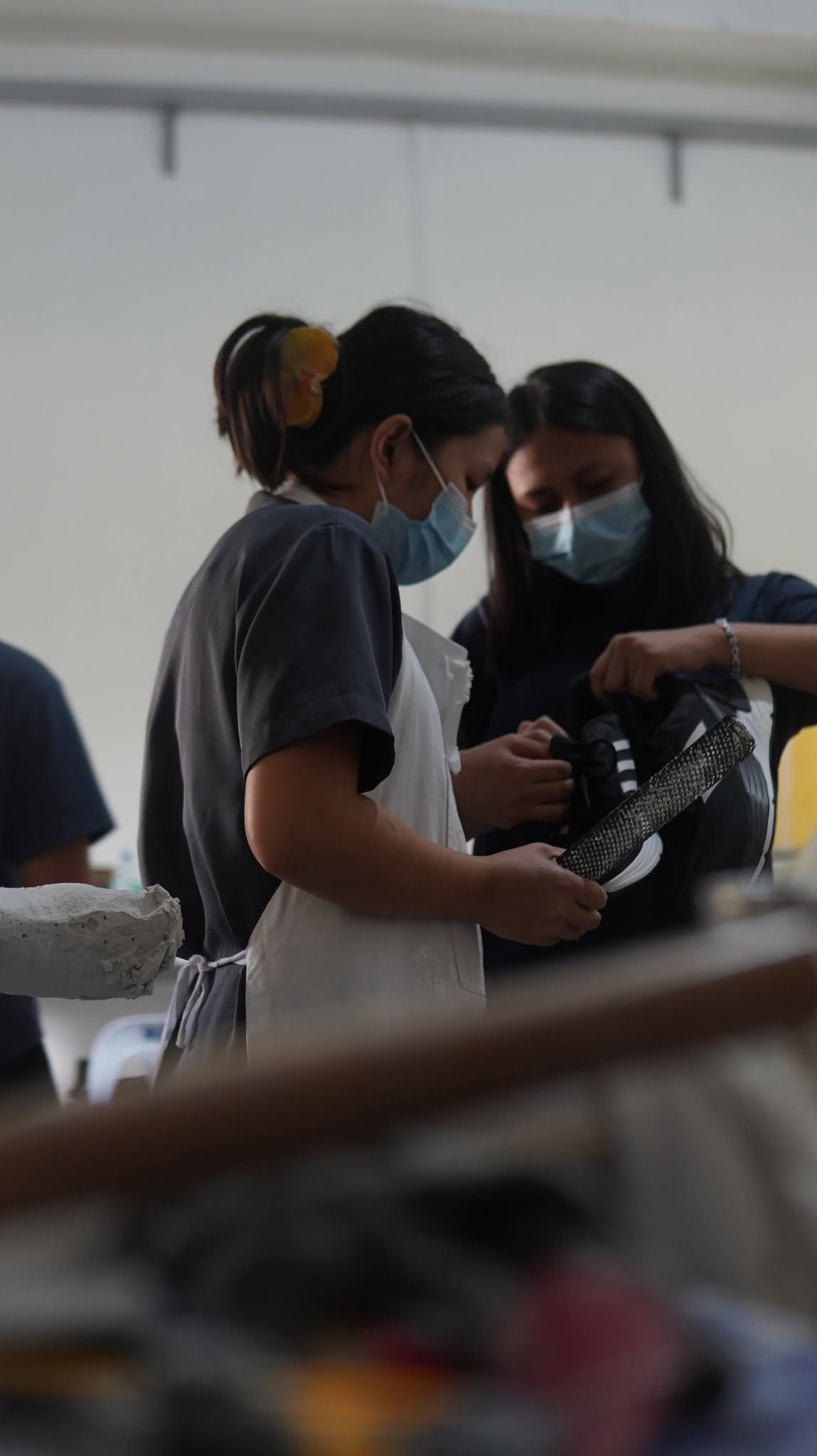
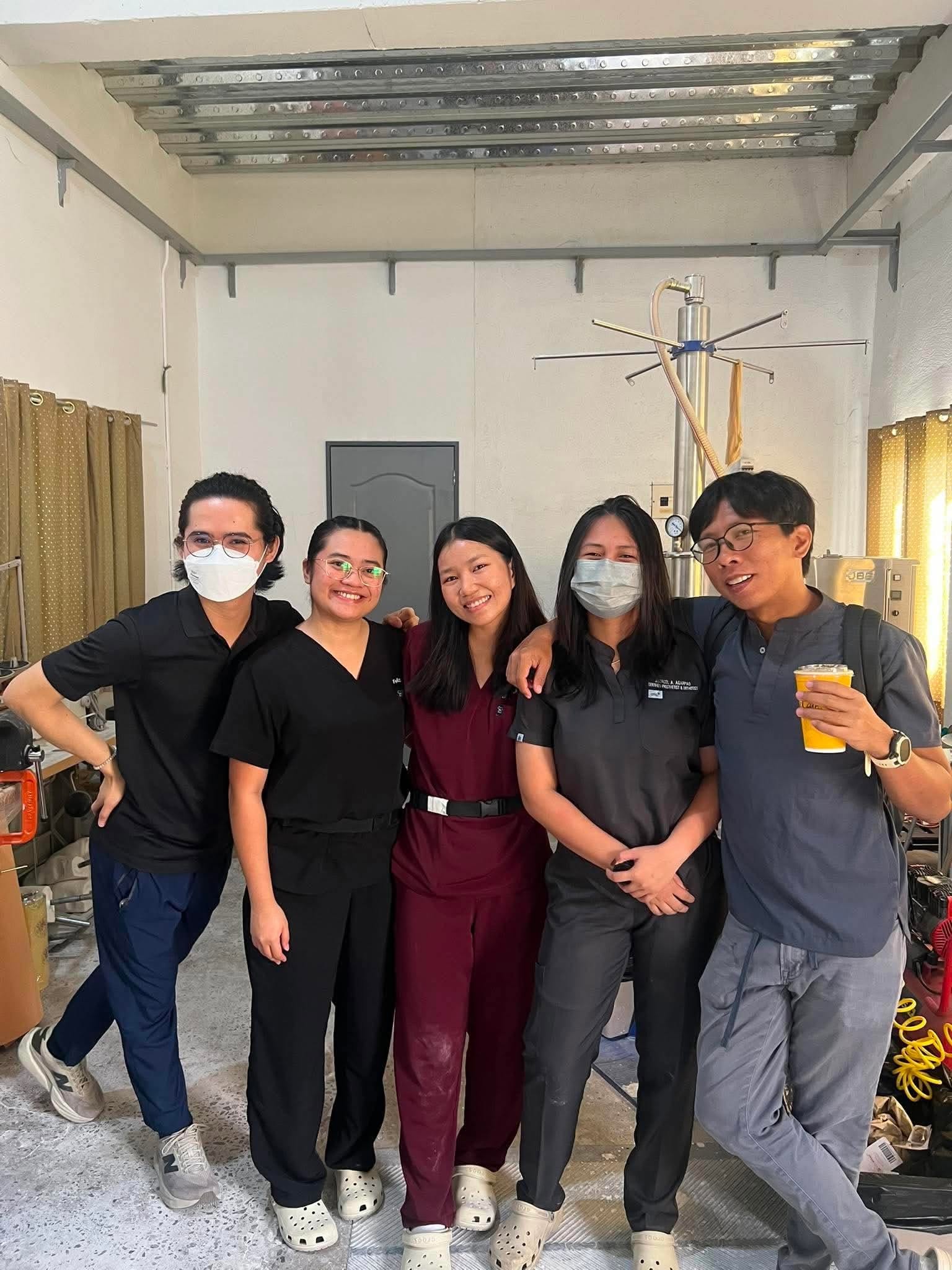
The prostheses themselves were cast and fitted by ISPO-registered Category 1 Certified Prosthetist Orthotists (CPO), a credential set by the International Society for Prosthetics and Orthotics that represents the internationally recognized professional standard in the field. The team included Bernand Peralta of Lithe Prosthetics and Orthotics Inc. together with his team of Certified Prosthetists Feliz Nicole Arcilla, Jonacel Alejandrino Agarpao and Jane Dineros and Alex Abellon, supported by two locally trained prosthetic and orthotic technicians whose presence in the region ensures follow-up care beyond the day of the event.
CPO Bernard Peralta said, “Our team of prosthetists-orthotists is committed to serve the Bicol region thru Bicol Mobility Center. The newest CPOs, scholars from PFP, are looking to give back to their kababayans by restoring mobility and give them opportunity to participate in society. We are thankful to Rotary Clubs for organizing the missions and sharing their resources for this cause.”
The presence of that credential in a regional Philippine setting matters. In much of the developing world, prosthetic and orthotic services are constrained not only by cost but by the shortage of trained personnel. The Bicol delivery was made possible by a chain that ran from Rotary grants in Manila and Melbourne, through the clinical judgment of specialists on the ground, to two local technicians who will be the first point of contact when a socket needs adjustment or a wheelchair needs a new part months from now.
What arrives with the wheels and legs
The devices are the visible outcome of the day. The larger outcome is quieter. It is the beneficiary who can now leave home without arranging a companion. The parent who can carry a grandchild. The former worker who can consider a return to earning. The person who can attend a wake, a wedding, a Sunday service, a market, and re-enter the small daily choreography of belonging.
Filipino health research has consistently shown that prosthesis use is associated with significantly greater independence in activities of daily living and higher quality-of-life scores. The same holds for wheelchair users when the wheelchair is properly fitted. Independence, in the material sense, is the physical infrastructure of every other right the proclamation exists to advance.
A week that meant it
Weeks of national observance can pass as press releases. In Bicol this year, National Disability Prevention and Rehabilitation Week passed as a series of fittings and a hall full of people who did not need to be told what mobility means because they were now, for the first time in a long time, living it.
For the Bicol Mobility Center, for the Rotarians whose grants made the day possible, and for the specialists whose training turned funds into function, the work of the week continues past the week itself. A prosthesis is not a one-time gift. A wheelchair is not a one-time solution. Both need what the local team in Bicol is designed to give: presence, follow-up, and time. Which is another way of saying that the rights celebrated in the third week of July — rights advanced by The Rotary Foundation through its areas of focus and by the partners who carry them into the field — are not seasonal. They are the year’s work of showing up.
Physicians for Peace Philippines is a nonprofit delivering healthcare mission programs across the country in mobility, burn care, hearing, women’s health, and community health. Learn more at physiciansforpeace.ph.