QUEZON CITY — Kids don’t wait well. Anyone who has raised one knows this. A child who can’t walk the way other kids walk doesn’t sit quietly with that. They notice. They ask why. And every month that passes without an answer is a month spent watching from the sidelines of their own childhood.
That’s the gap a new project launched on September 2 at the Philippine Children’s Medical Center is meant to close.
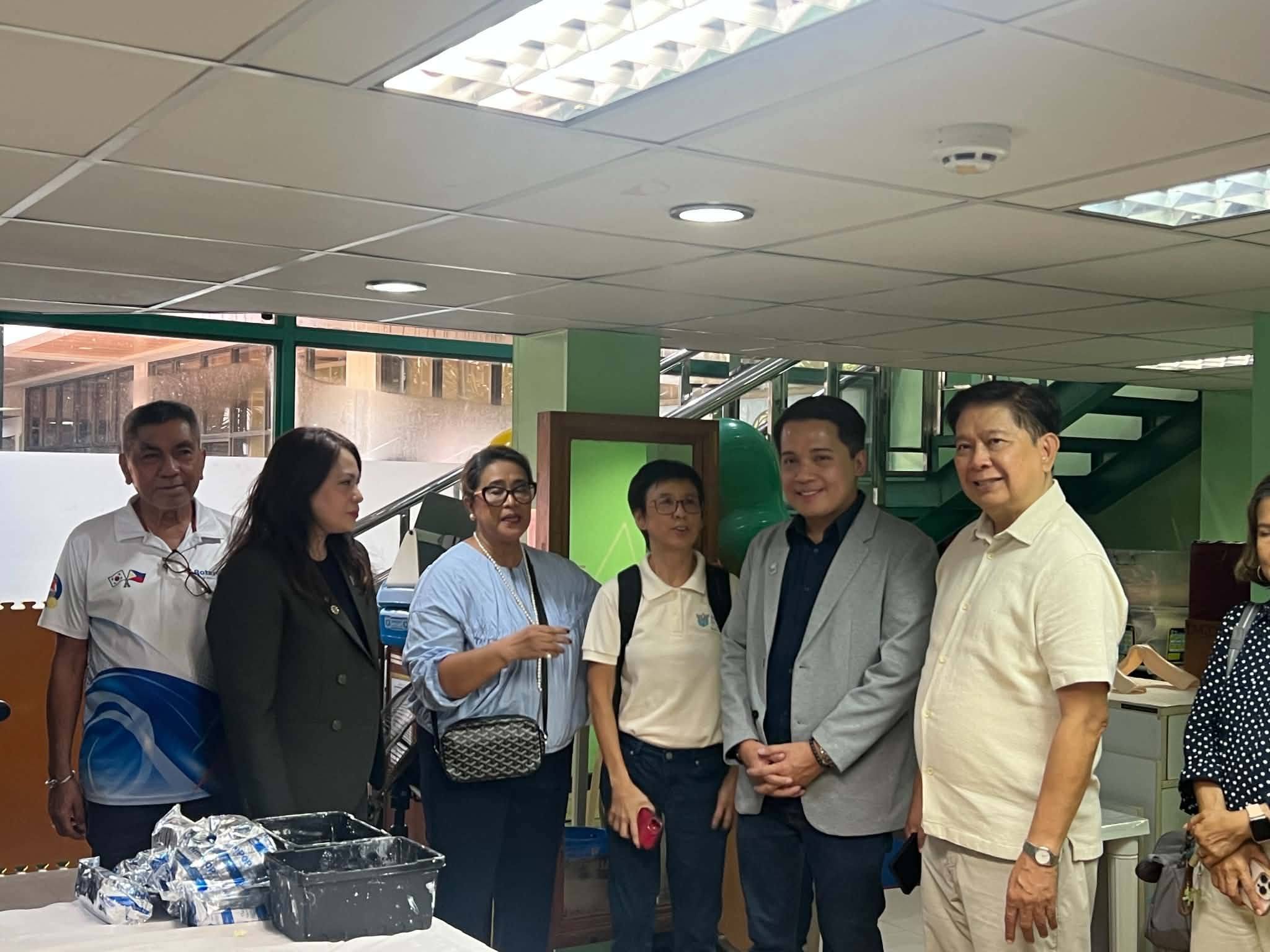
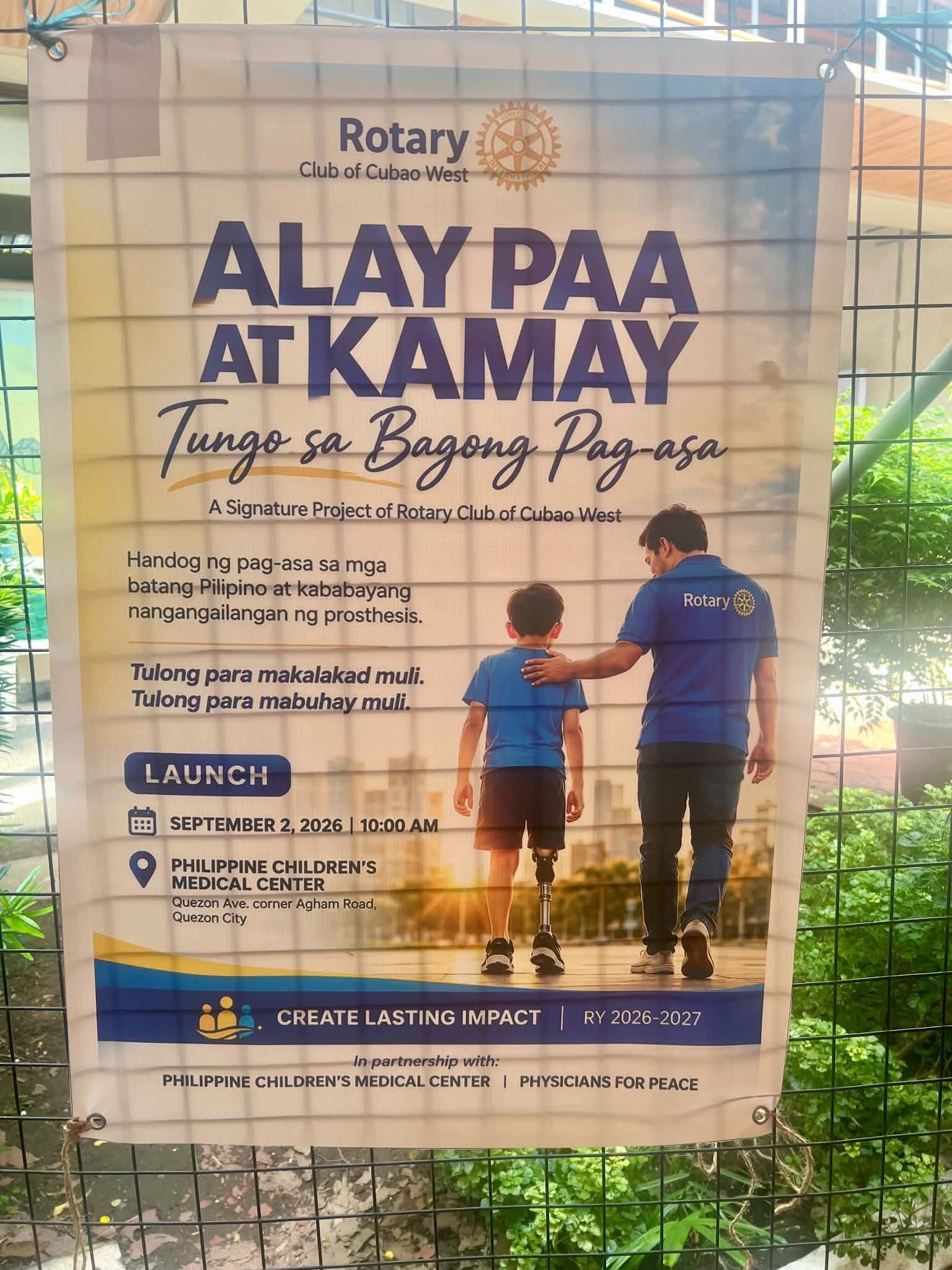
The Rotary Club of Cubao West, District 3780, along with its international partners, launched Project Alay Paa at Kamay Tungo sa Bagong Pag-asa at 10 a.m. at PCMC in Quezon City, with Physicians for Peace Philippines serving as implementing partner. The name means an offering of feet and hands toward new hope, and the project carries a line on its own banner that says it plainly: tulong para makalakad muli, tulong para mabuhay muli. Help to walk again, help to live again. The project is funded through a Rotary Global Grant from The Rotary Foundation, and it’s a signature project of the Rotary Club of Cubao West of D3780 for Rotary Year 2026-2027.
What the Project Provides
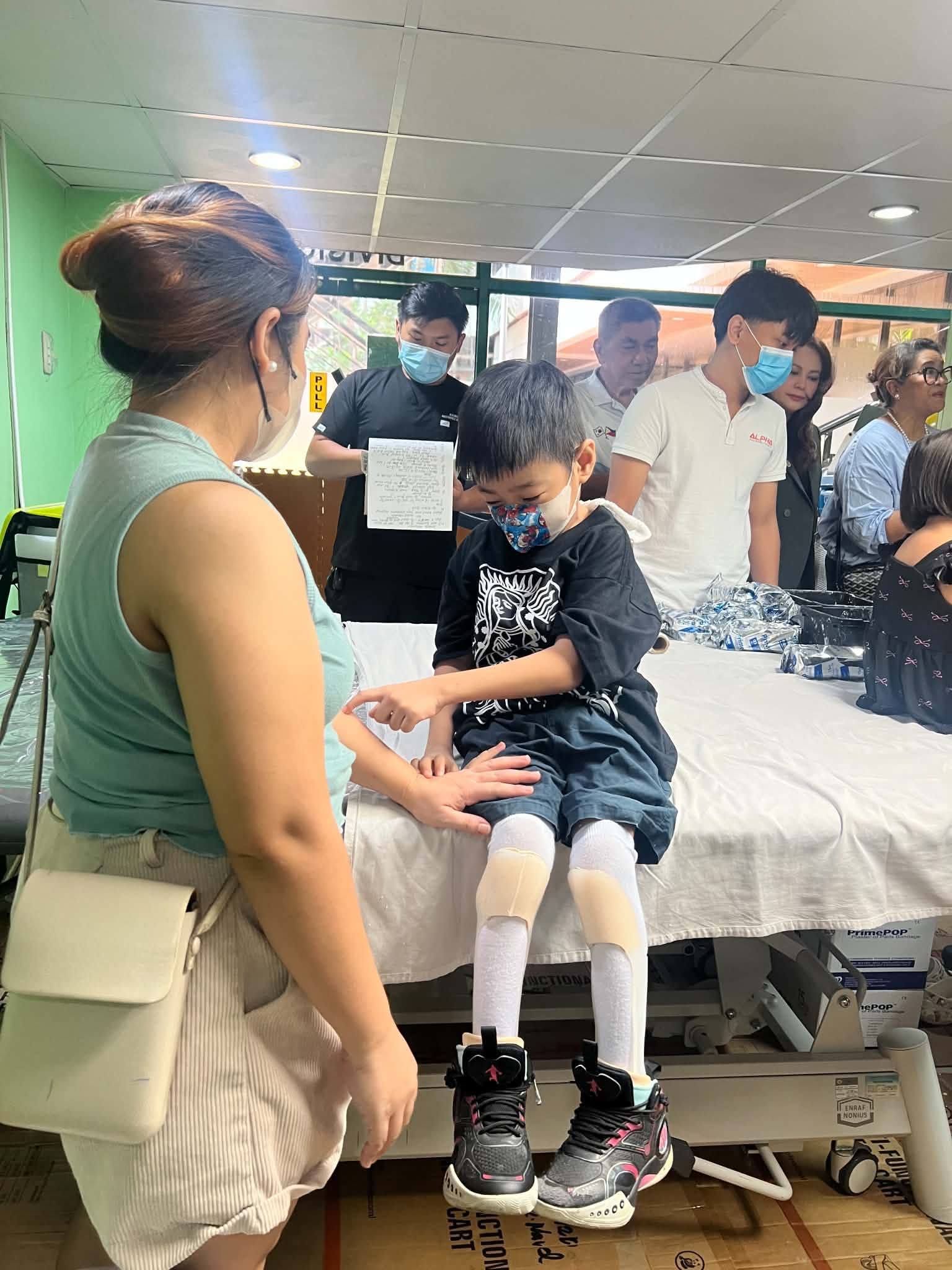
Children needing ankle-foot orthoses, hinged ankle-foot orthoses, and below-knee prostheses will benefit from this project. These are three different devices for three different situations, and the difference matters.
An ankle-foot orthosis supports a foot and ankle that can’t fully control themselves, common in children with cerebral palsy or nerve conditions that weaken the lower leg. A hinged version allows some natural ankle movement while still providing support, which matters a great deal for a growing child who needs the device to move the way their body is trying to move, not fight against it. A below-knee prosthesis replaces a missing lower leg entirely, built and fitted to a child’s smaller frame and refitted again and again as that child grows.
That last point is worth sitting with. Pediatric prosthetic and orthotic care isn’t a single fitting. A child outgrows a device the way they outgrow shoes, except a shoe that no longer fits just gets uncomfortable. A prosthesis or orthosis that no longer fits can cause real harm: pressure sores, gait problems, pain that a small child may not even know how to describe to an adult. Programs like this one have to plan for that reality from the start.
Why the Setting Matters
Launching this project at the Philippine Children’s Medical Center wasn’t incidental. PCMC is one of the country’s leading pediatric hospitals, and placing the program there means clinical assessment, casting, and fitting can happen alongside the rest of a child’s medical care, instead of requiring families to shuttle between separate facilities. For a parent already managing appointments, therapy schedules, and a child’s changing needs, that kind of integration is not a small convenience. It’s often the difference between a family completing the process and a family giving up partway through.
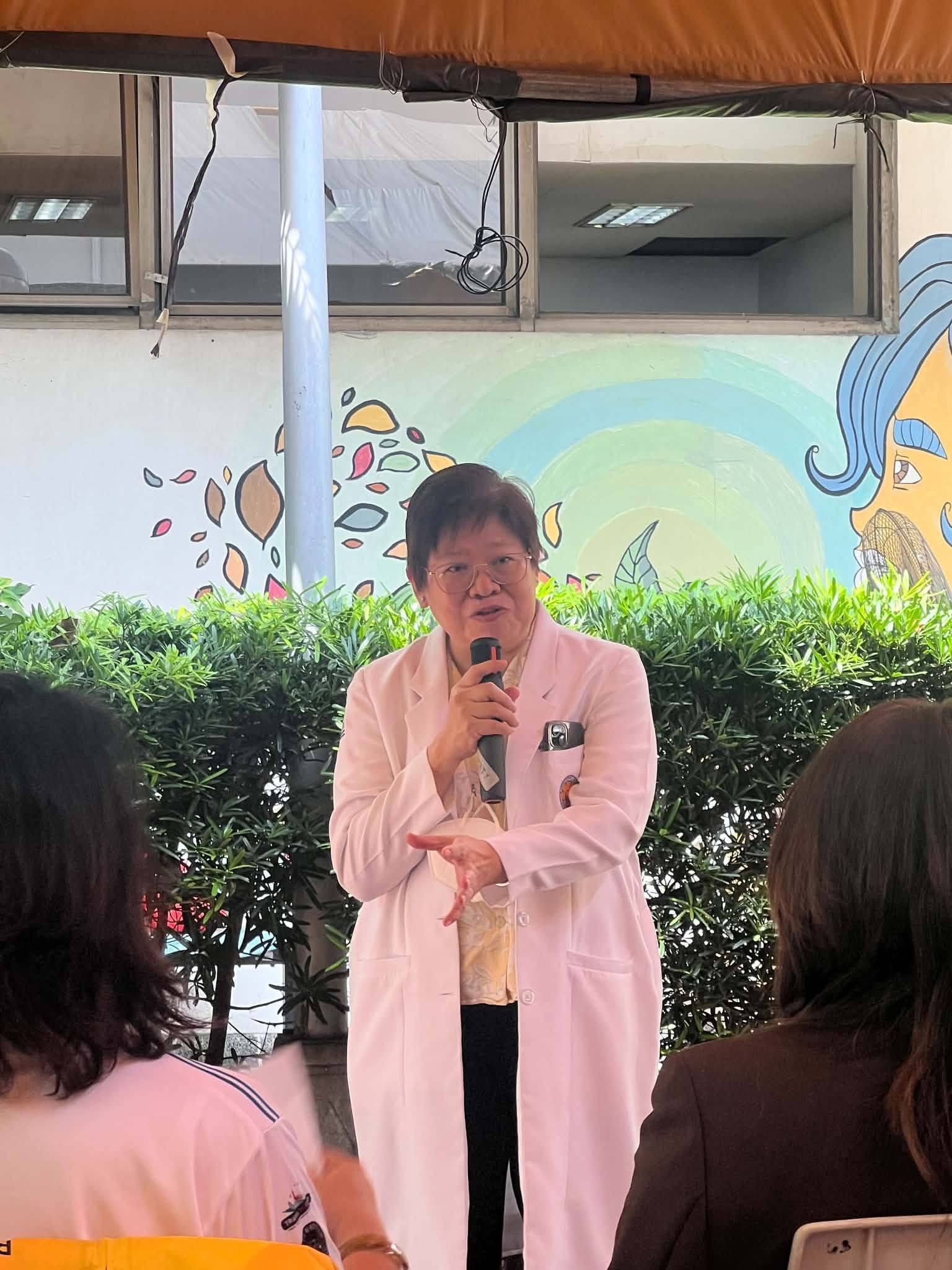
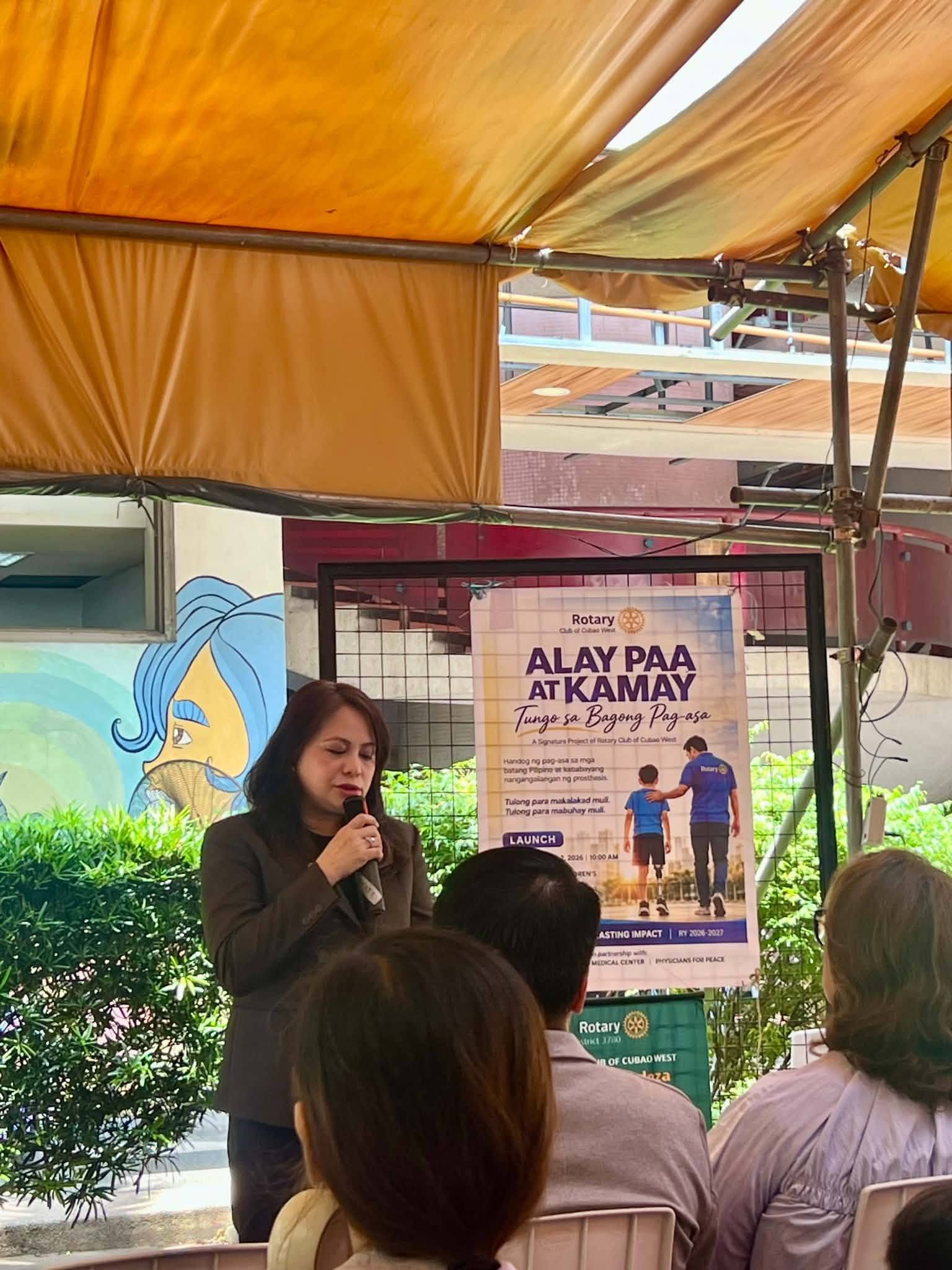
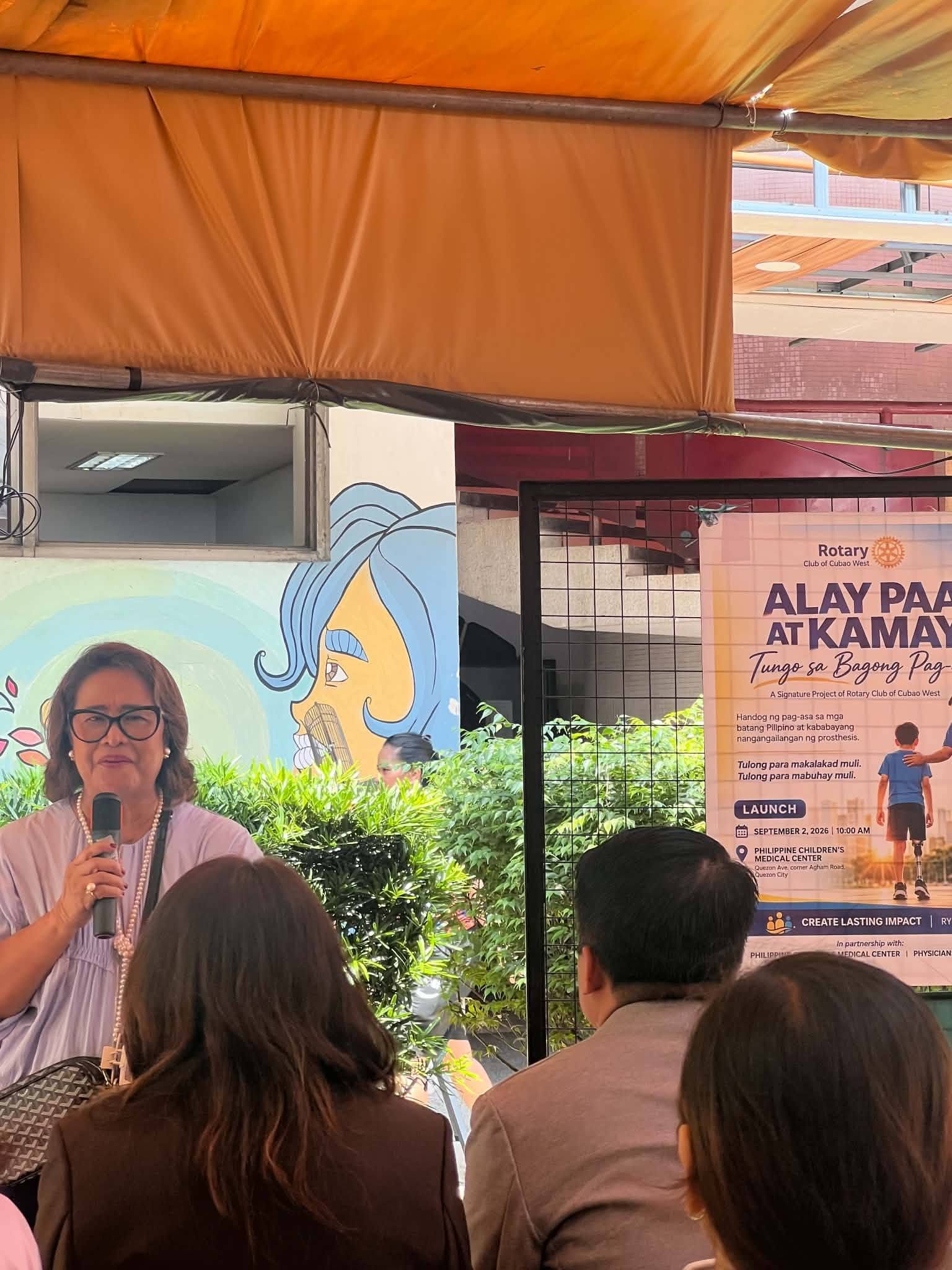
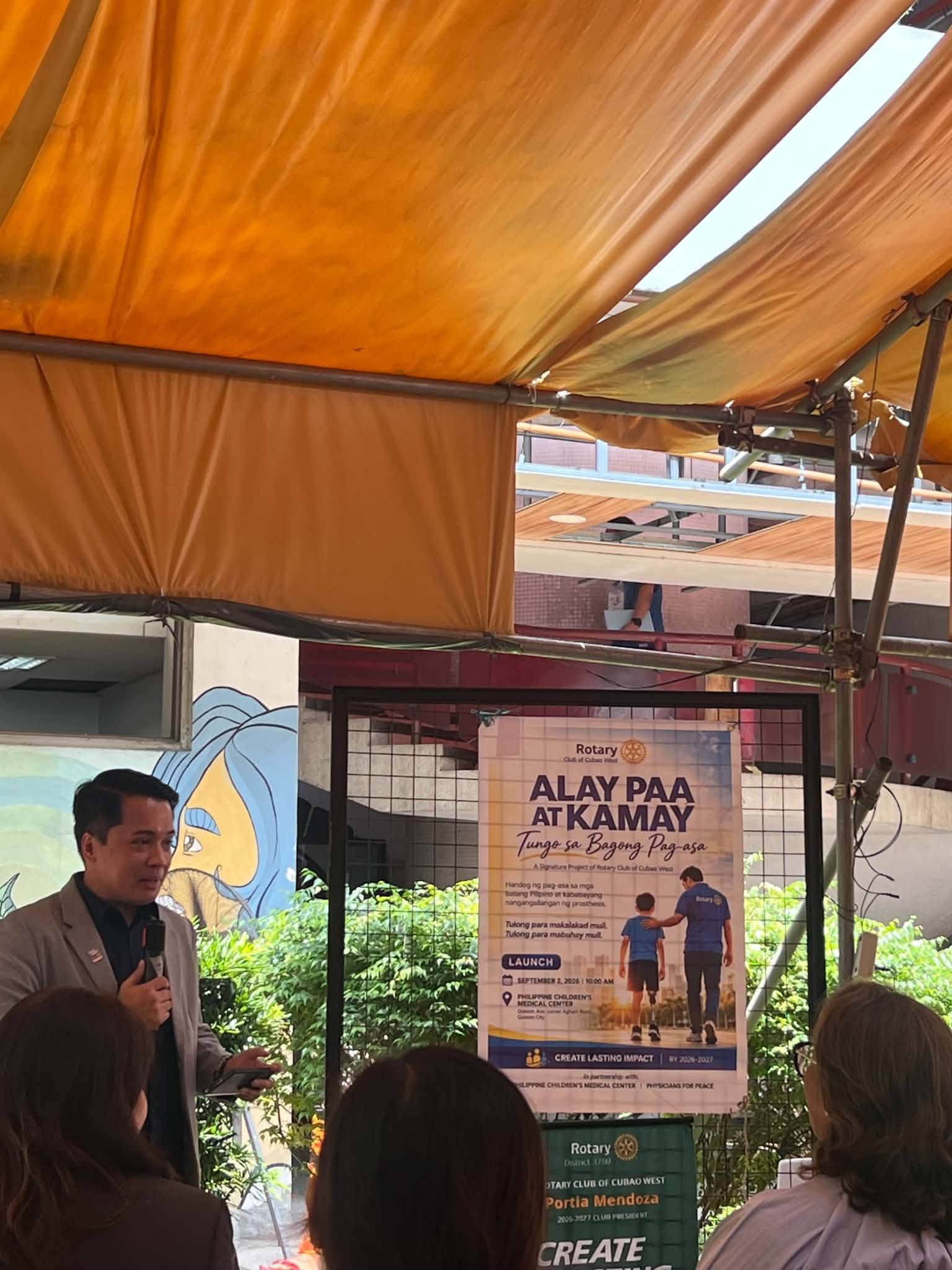
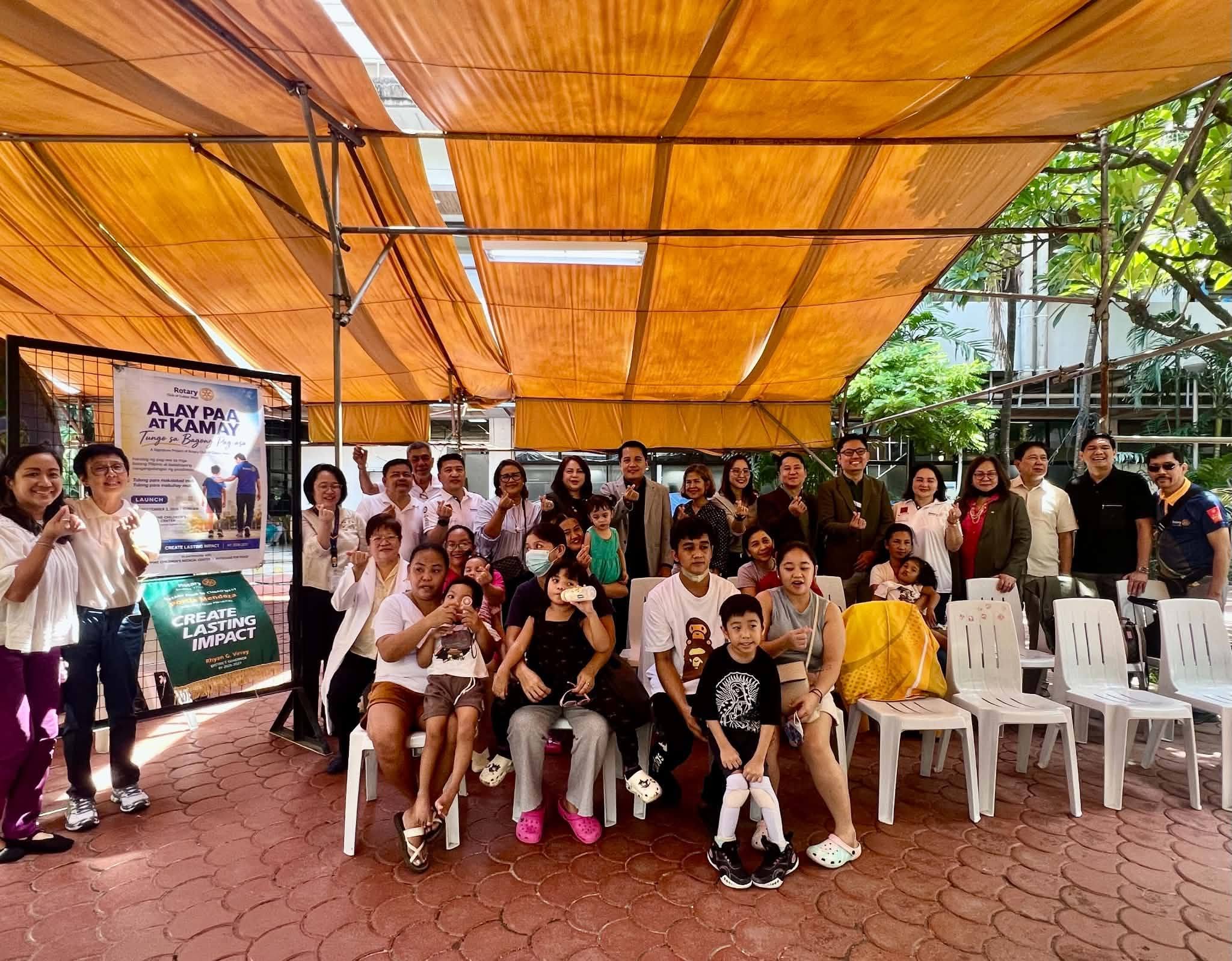
The launch itself drew a crowd that made the point without anyone having to say it out loud. Families, Rotarians, hospital staff, and program partners gathered under a tent outside PCMC, filling the rows of chairs set up for the occasion. The banner behind them carried the project’s image: a Rotarian walking alongside a boy fitted with a prosthetic leg, hand resting on his shoulder, both of them mid-stride. It’s a simple picture, and it says everything the project is trying to do.
A Grant Built on Trust
Rotary Global Grants don’t happen without a chain of people deciding, independently, that a cause is worth their support. This one runs through the Rotary Club of Cubao West of D3780 and its international partners, funneled through The Rotary Foundation, and landing in the hands of Physicians for Peace Philippines to carry out on the ground.
Dr. Josephine Bundoc, whose name has become familiar through PFPP’s mobility work across the country, brings her clinical leadership to this project as well. Her role in assessing patients and guiding the medical side of this kind of care has shaped mobility programs from Bicol to Metro Manila, and this project carries that same standard into pediatric care.
None of it comes together without Rotary’s funding, PCMC opening its doors, and PFPP’s team doing the actual clinical work of casting, fitting, and follow-up. Each piece depends on the others. That’s not a coincidence. It’s the whole model.
What Comes Next
A launch day is a beginning, not a finish line. The children enrolling in this project today will be measured, cast, and fitted over the weeks ahead, and many will return again as they grow and their devices need adjusting. That ongoing relationship is the actual substance of the project, even if the launch is the part that gets photographed.
What a child gains from a properly fitted orthosis or prosthesis isn’t just the ability to walk. It’s the ability to keep up with siblings, to play the way other kids play, to stop being the one who sits out. For a child, that’s not a small thing. It’s most of what childhood is supposed to be.
Thank you to Rotary, to PCMC, to PFPP, Past District Governor Lyne A. Abanilla of D3810 and to Dr. Bundoc for bringing this project to life. Together, much can be done, and the proof of that will be measured in the years ahead, one child at a time.
Physicians for Peace Philippines continues its commitment to restoring mobility, dignity, and independence to underserved communities across the country. To partner, donate, or volunteer, visit physiciansforpeace.ph.