
ILOILO CITY – There is a particular kind of stillness that settles over a person who has stopped expecting to move on their own again. It is not despair, exactly. It is something quieter than that. An adjustment. A folding inward. You learn to wait for someone to carry you, to lift you, to be your legs. And the world, slowly, gets smaller. The doorway becomes a boundary. The street becomes a rumor. The life you used to have becomes a story you tell in the past tense.
That is the stillness Physicians for Peace Philippines came to Iloilo City to interrupt.
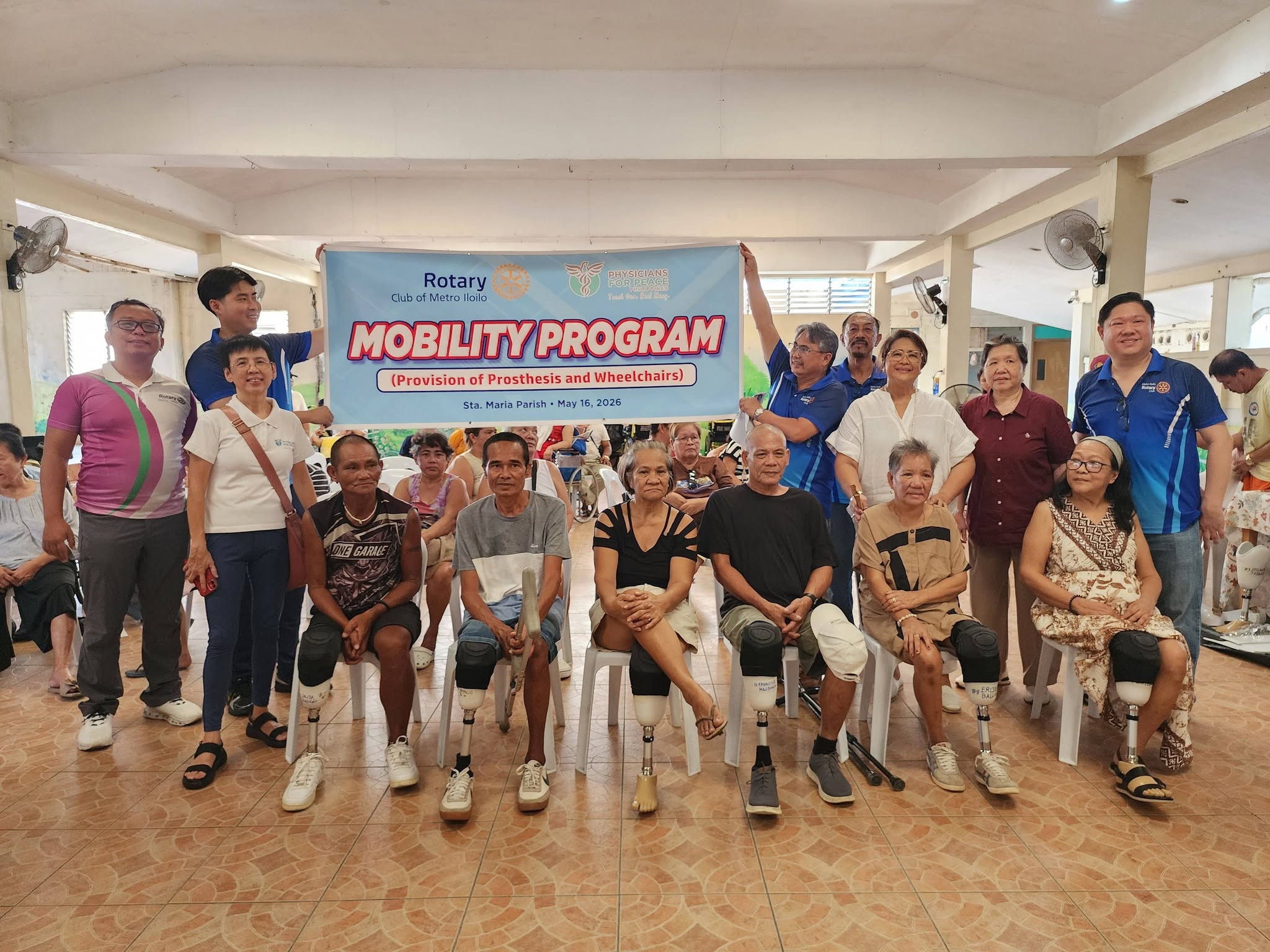
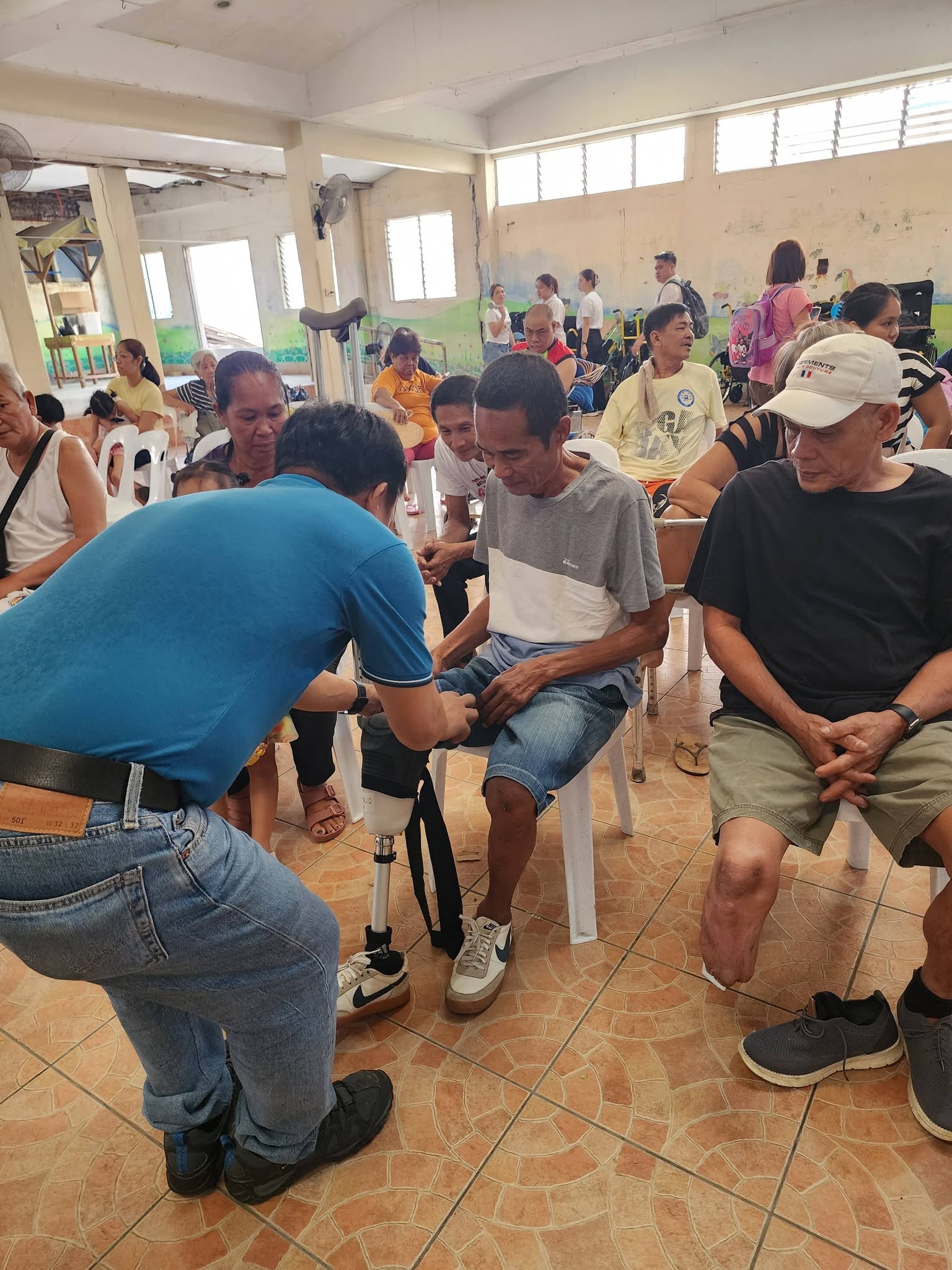
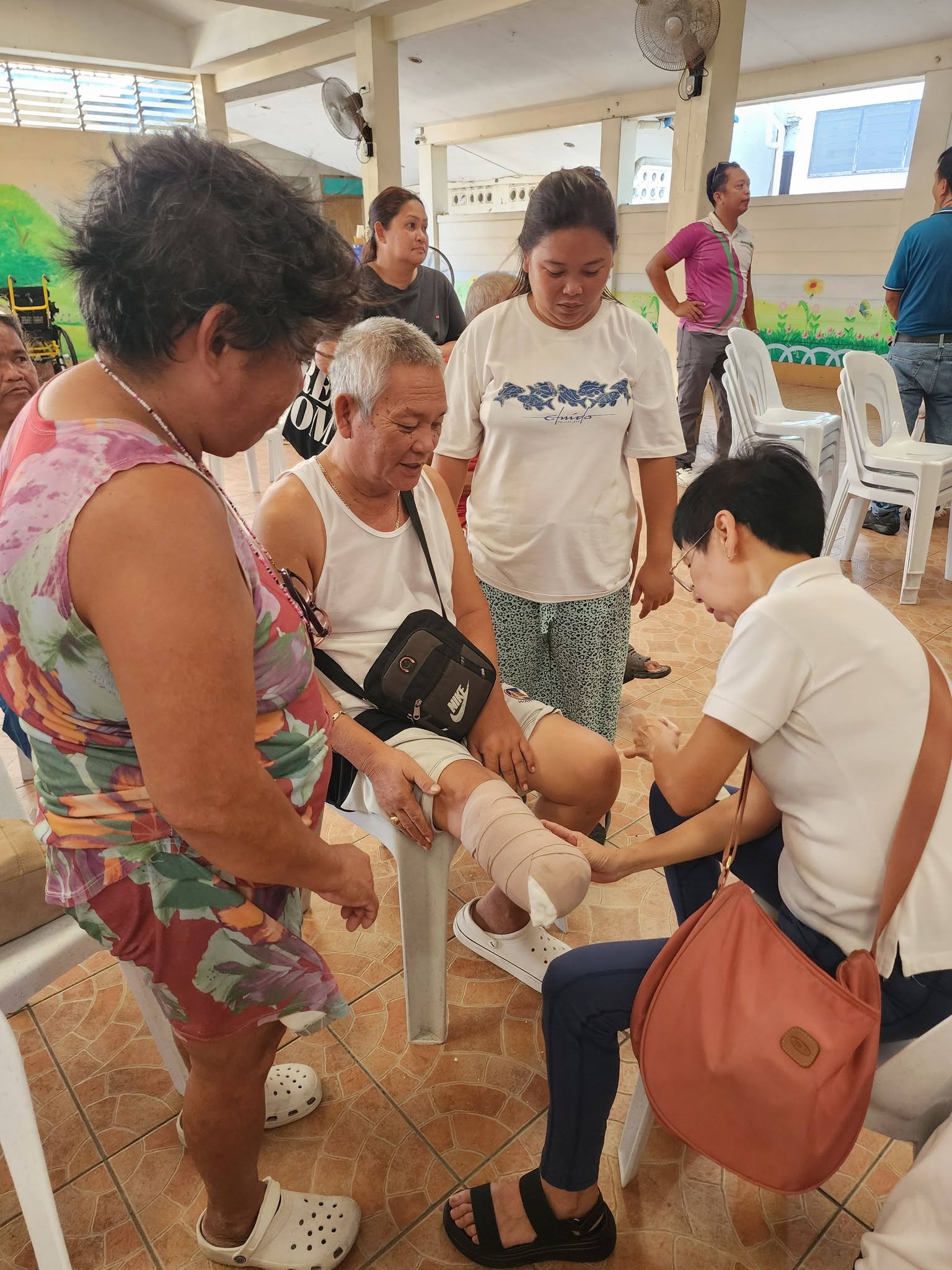
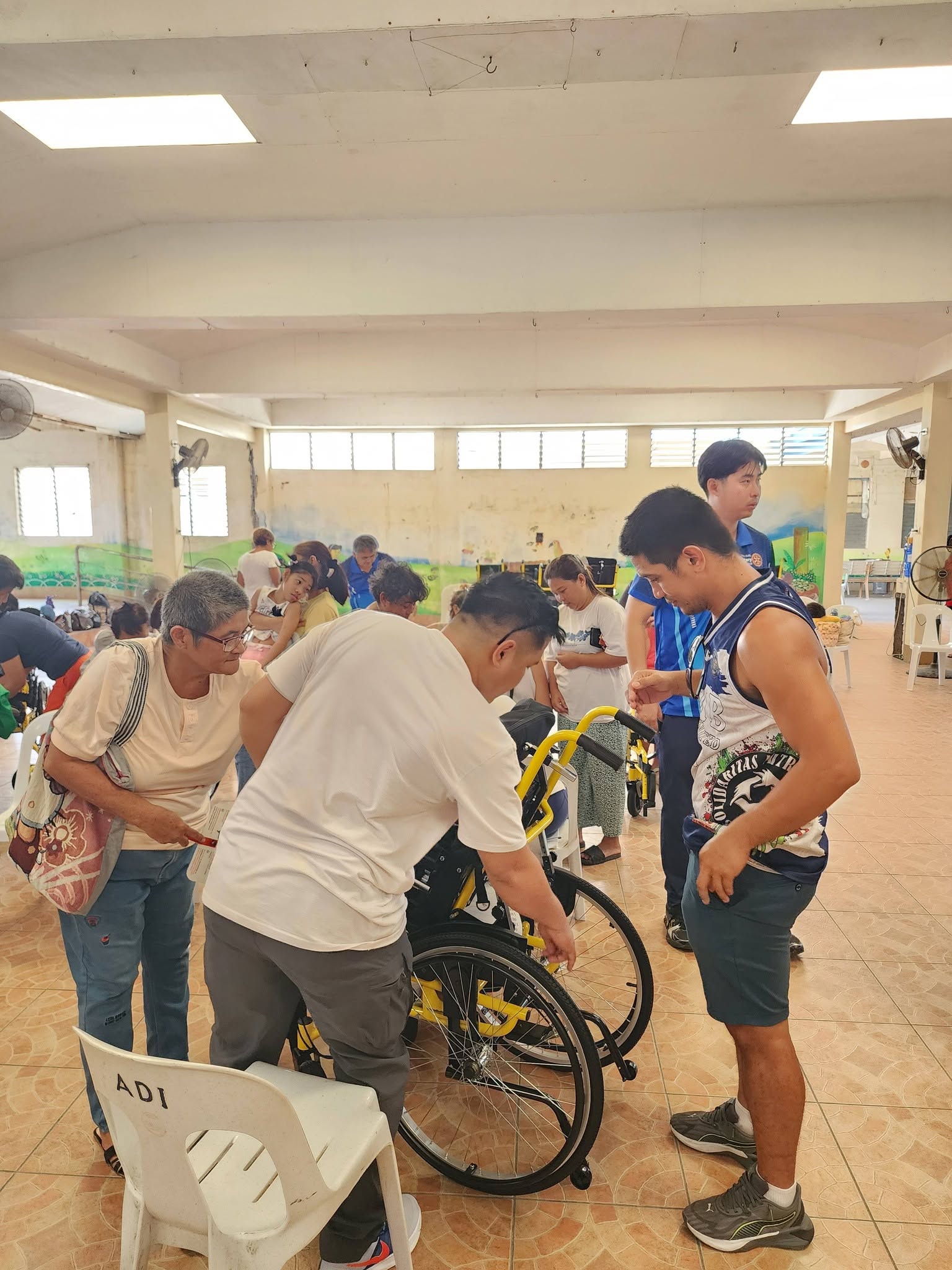
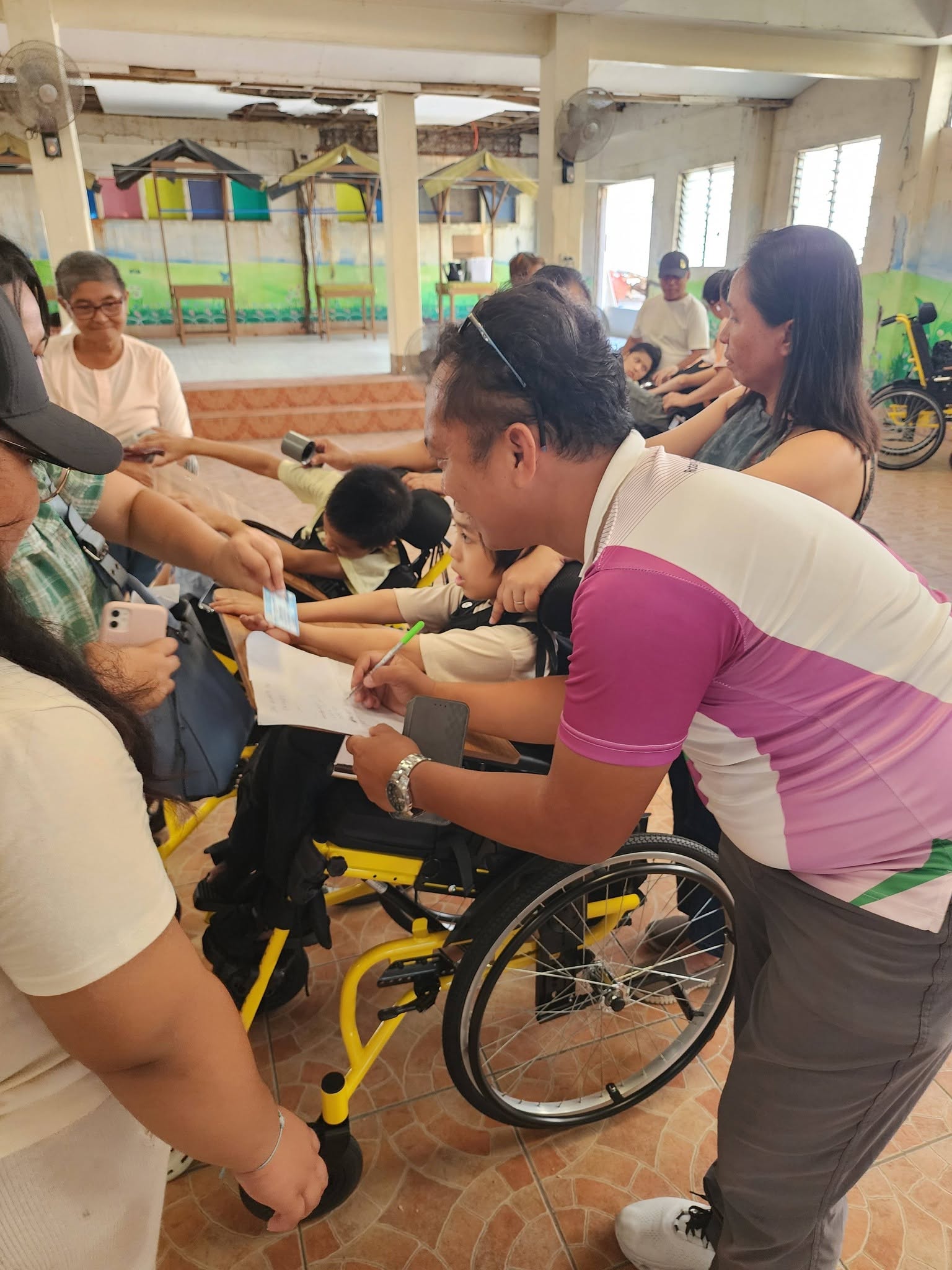
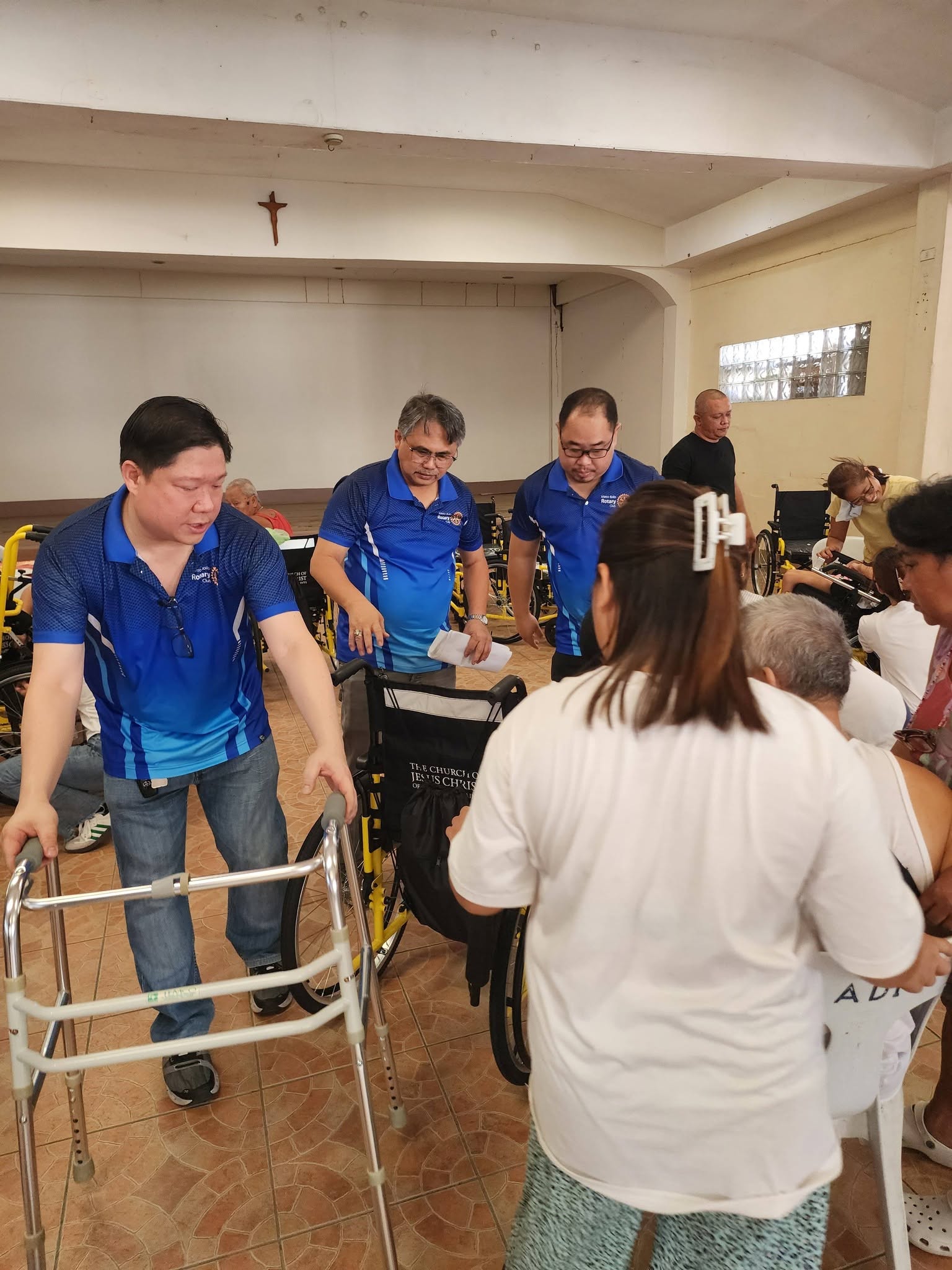
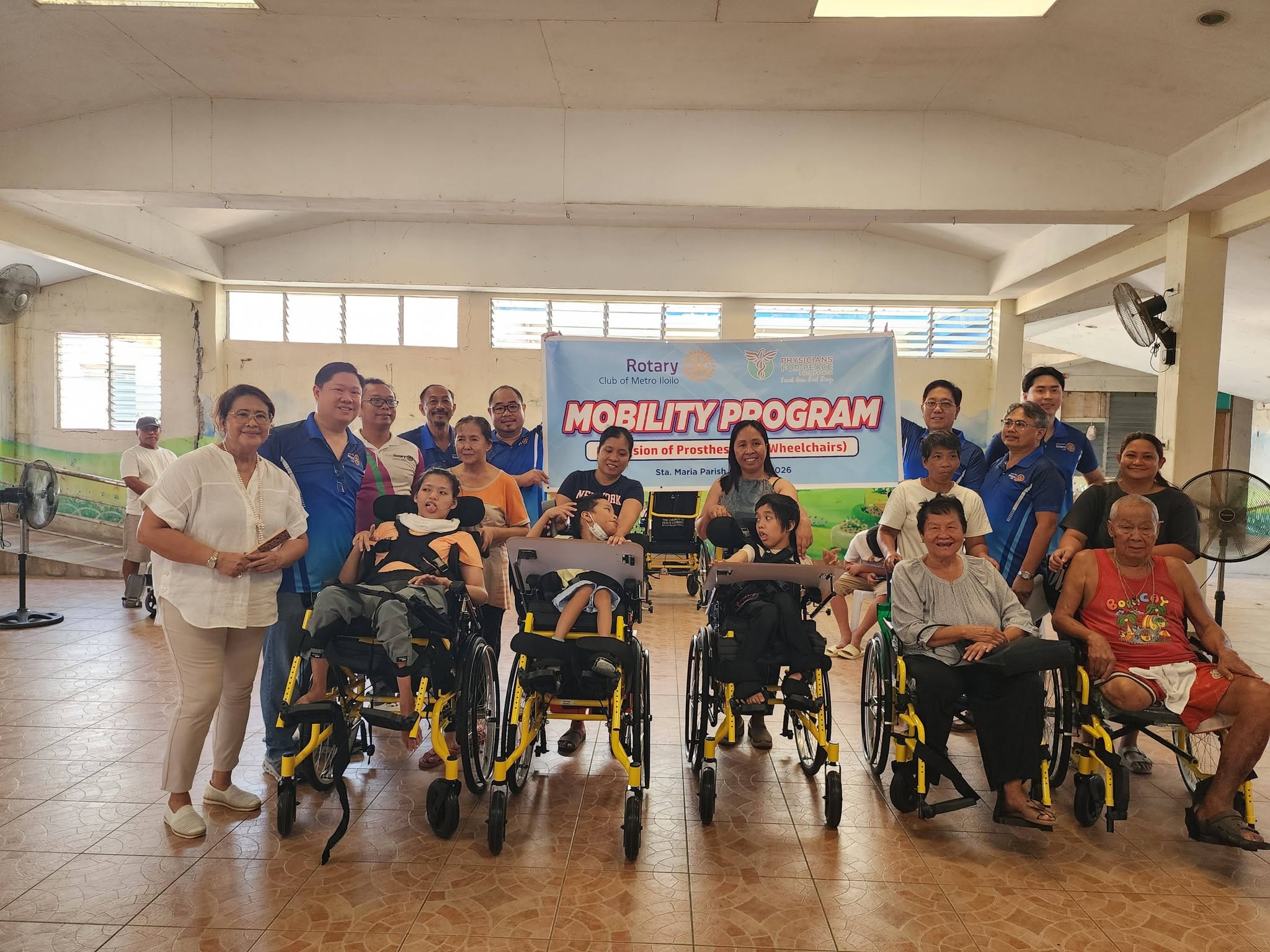
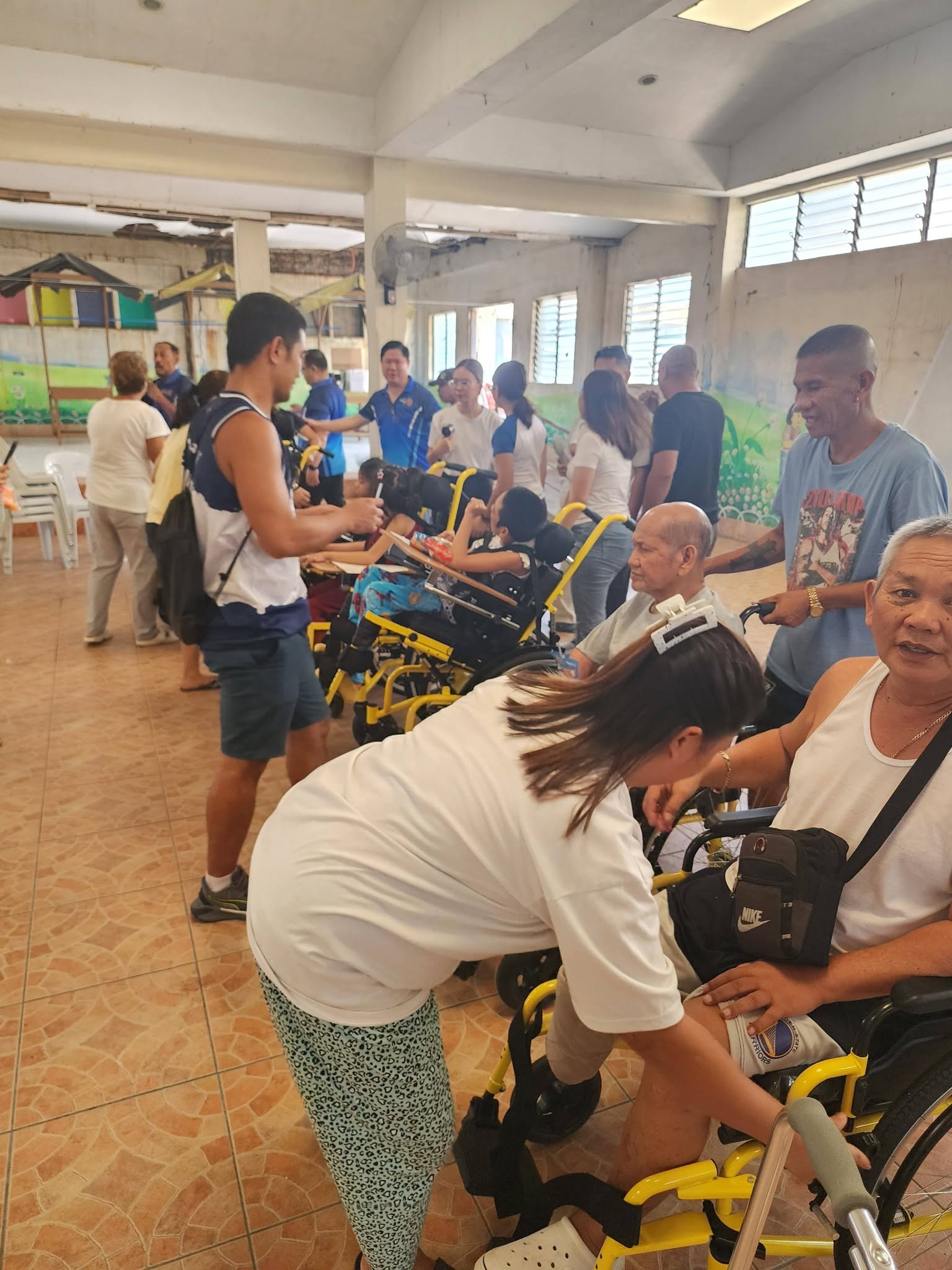
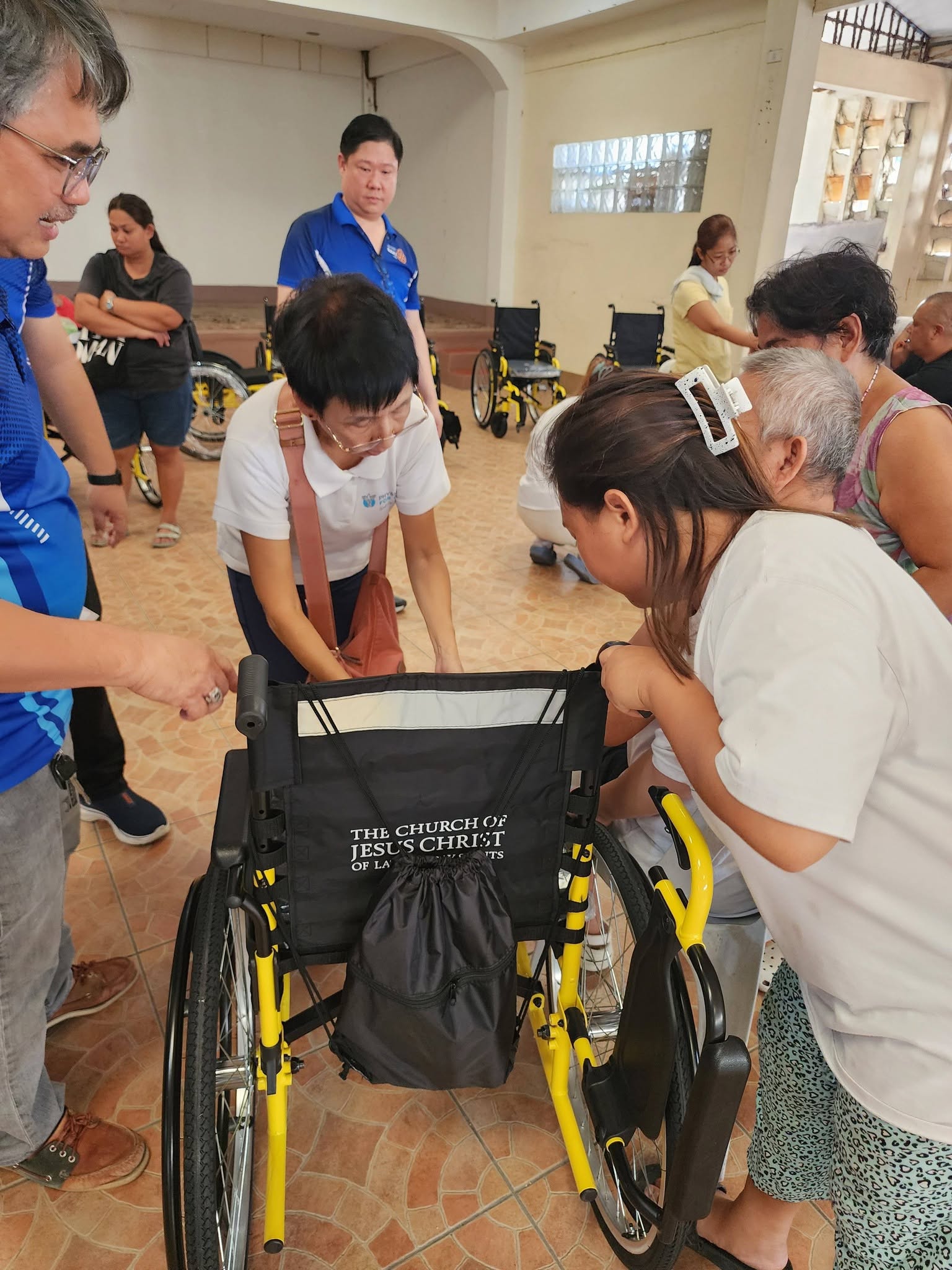
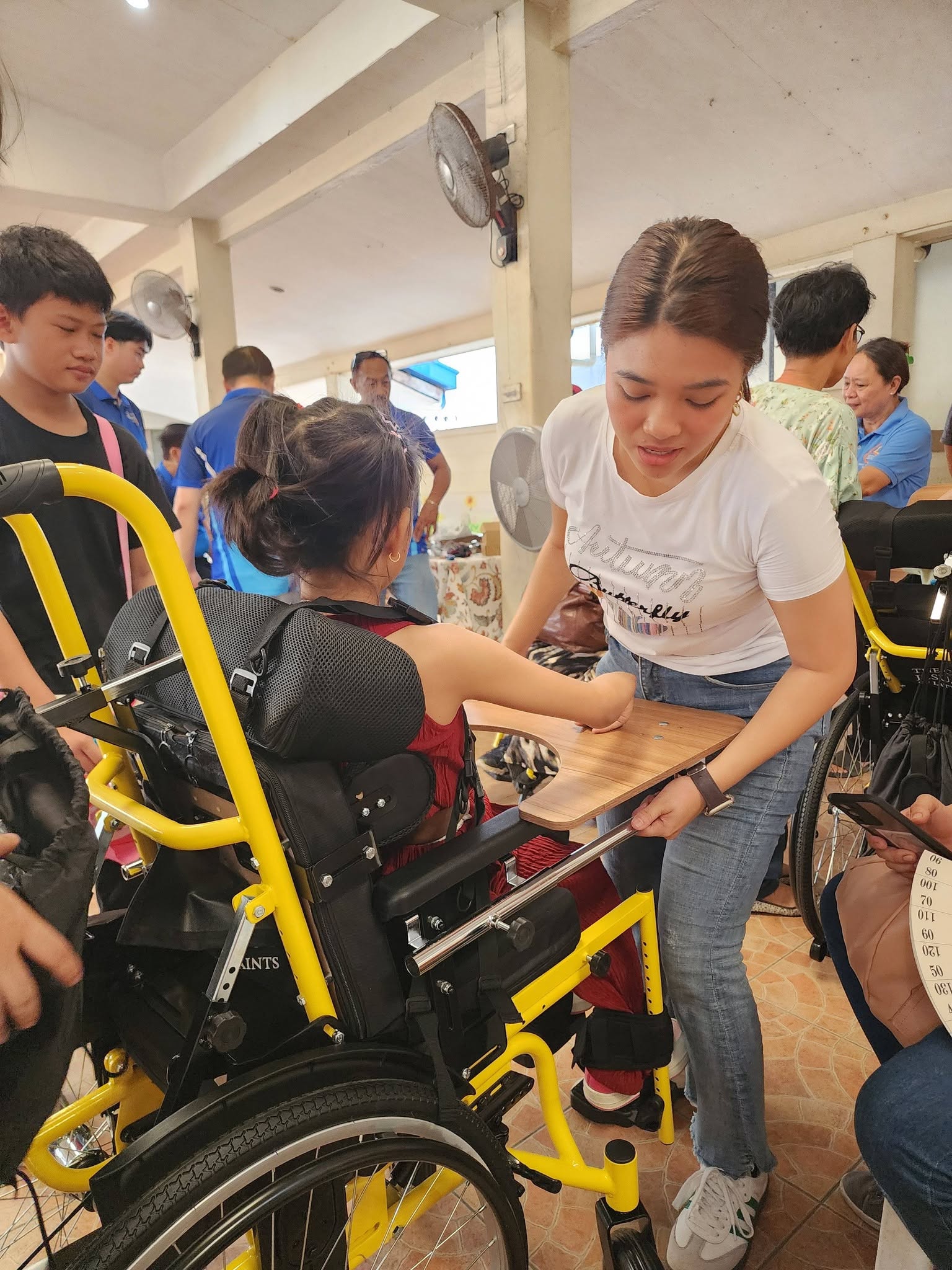
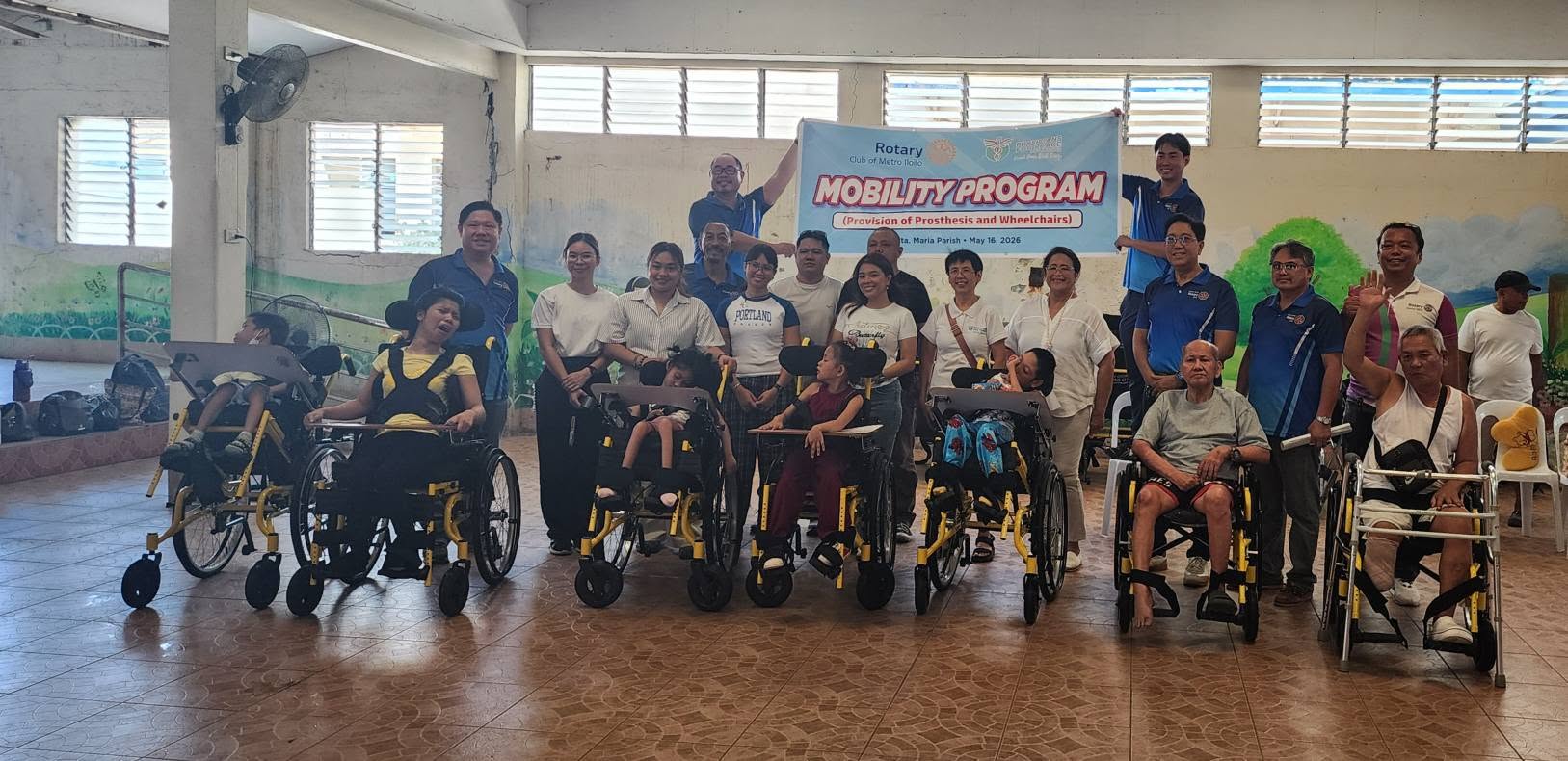
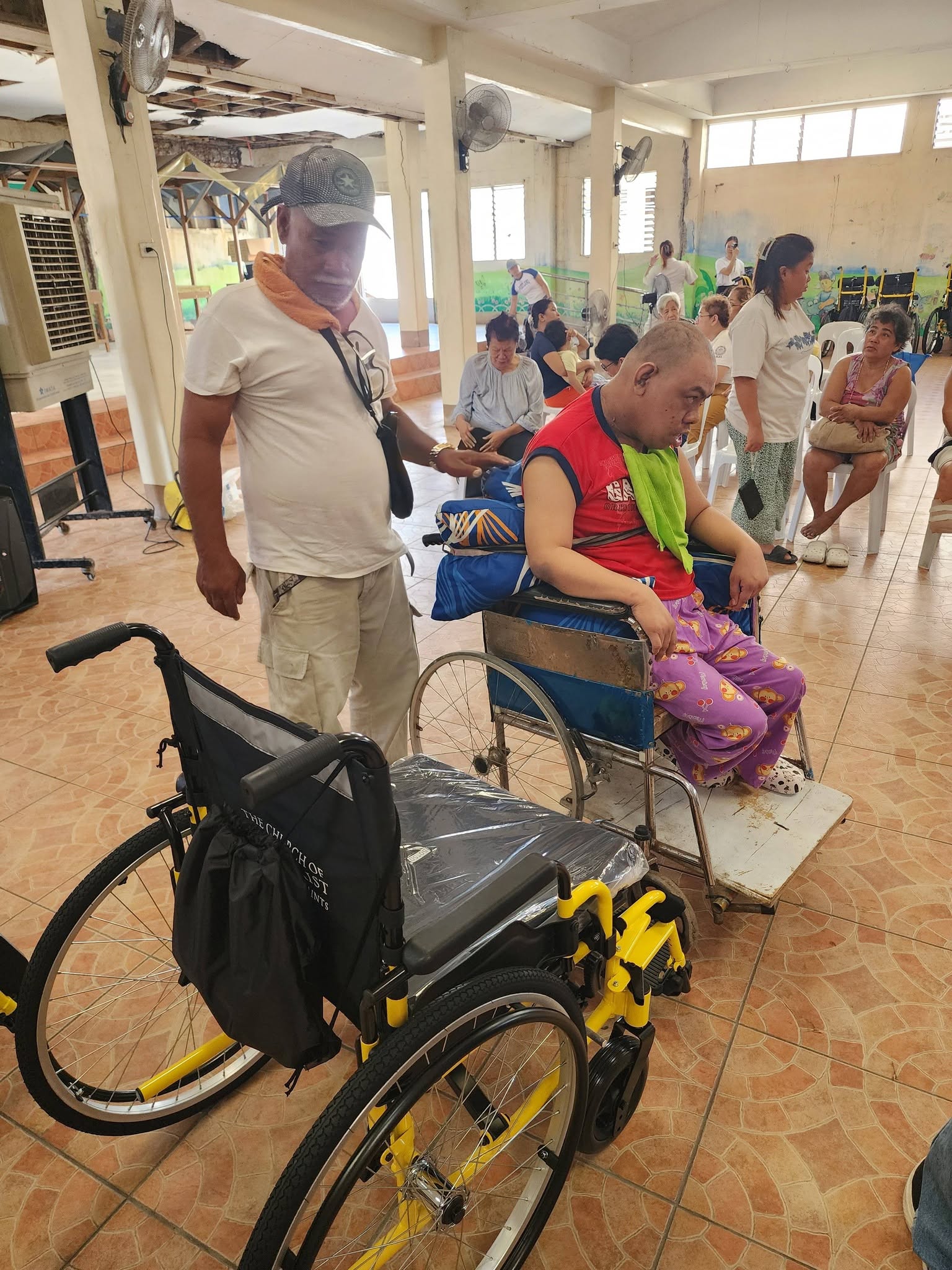
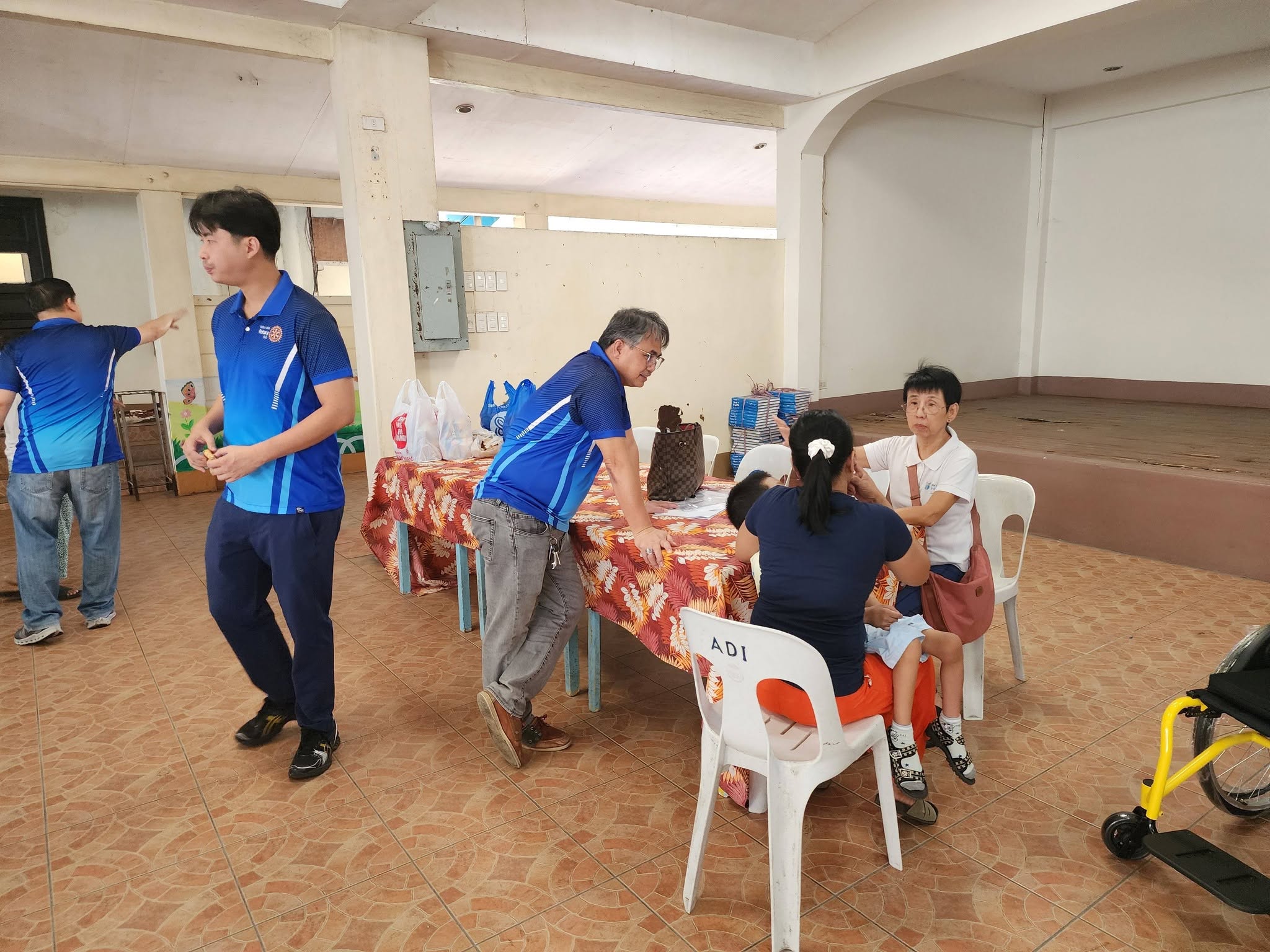
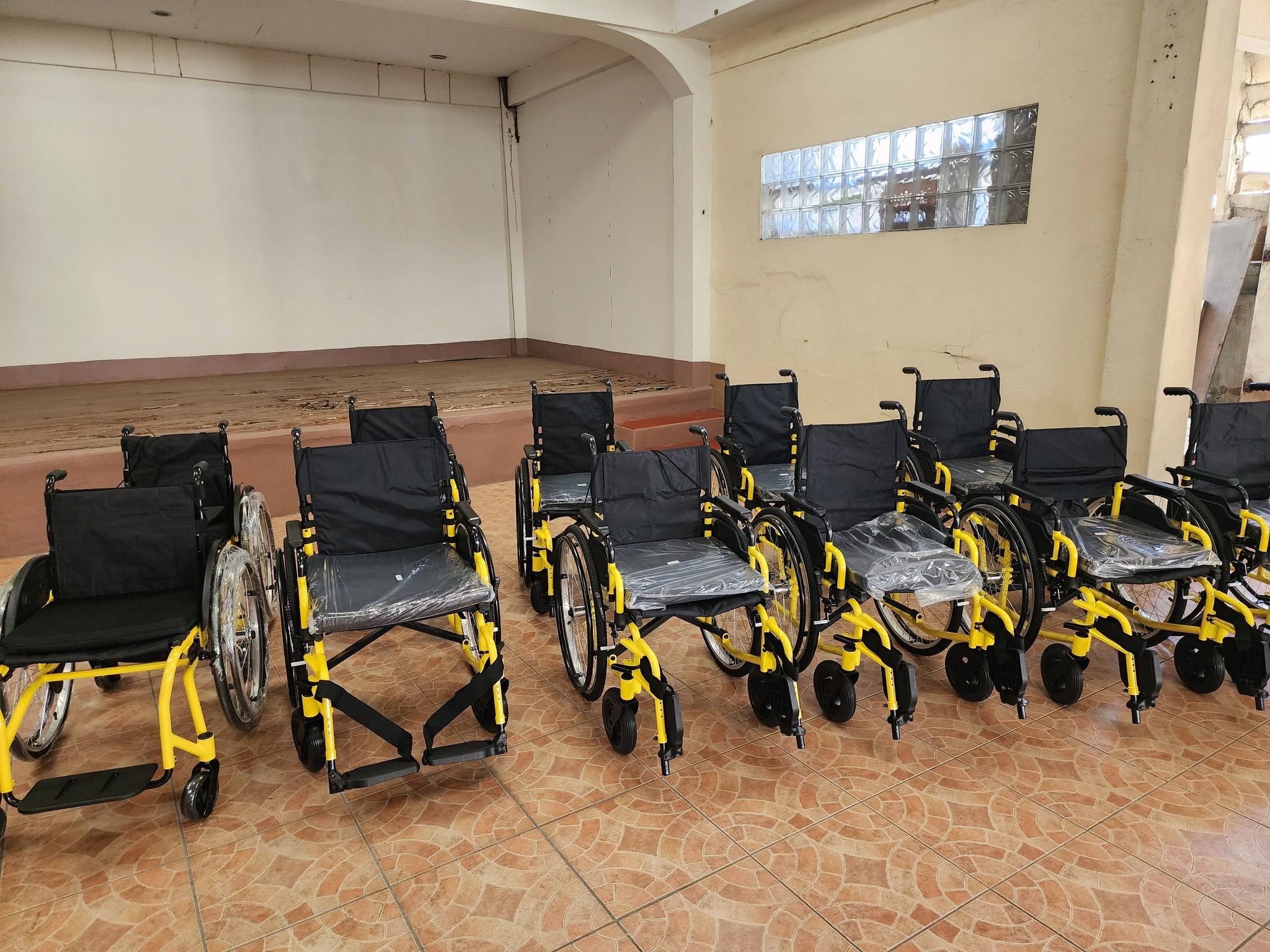
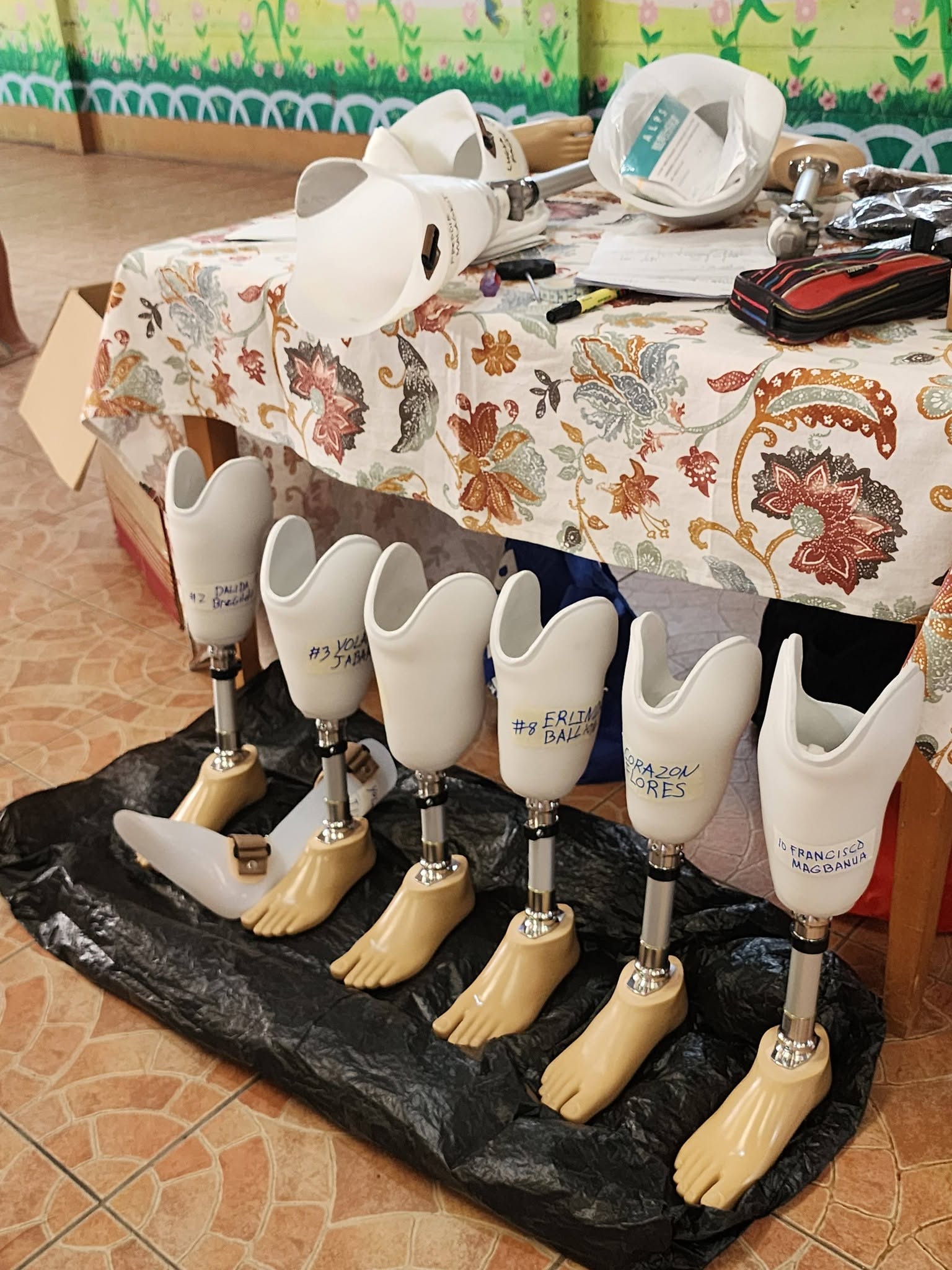
In partnership with the Rotary Club of Metro Iloilo, PFPP recently brought a prostheses and wheelchair provision mission to the city, reaching residents for whom mobility had become a daily negotiation, an obstacle to be solved each morning before anything else in life could begin. For these beneficiaries, the devices distributed that day were not equipment. They were the difference between being carried and walking. Between watching the world and rejoining it.
More Than a Mechanical Fix
It is tempting to think of a prosthetic limb or a wheelchair as a simple solution to a simple problem. A leg is gone, so you provide a leg. A person cannot walk, so you provide wheels. But anyone who has worked a mobility mission knows the truth is far more layered than that.
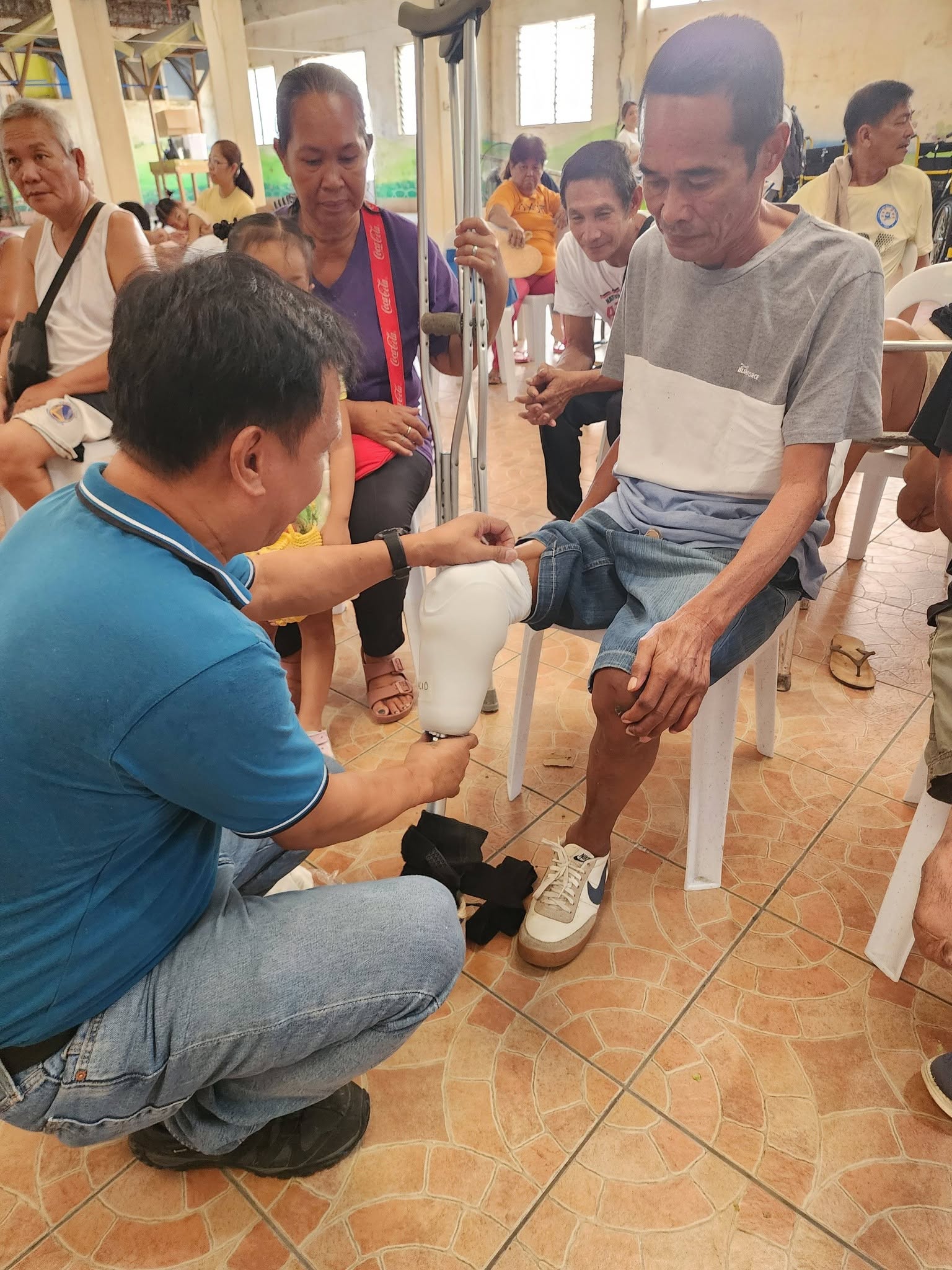
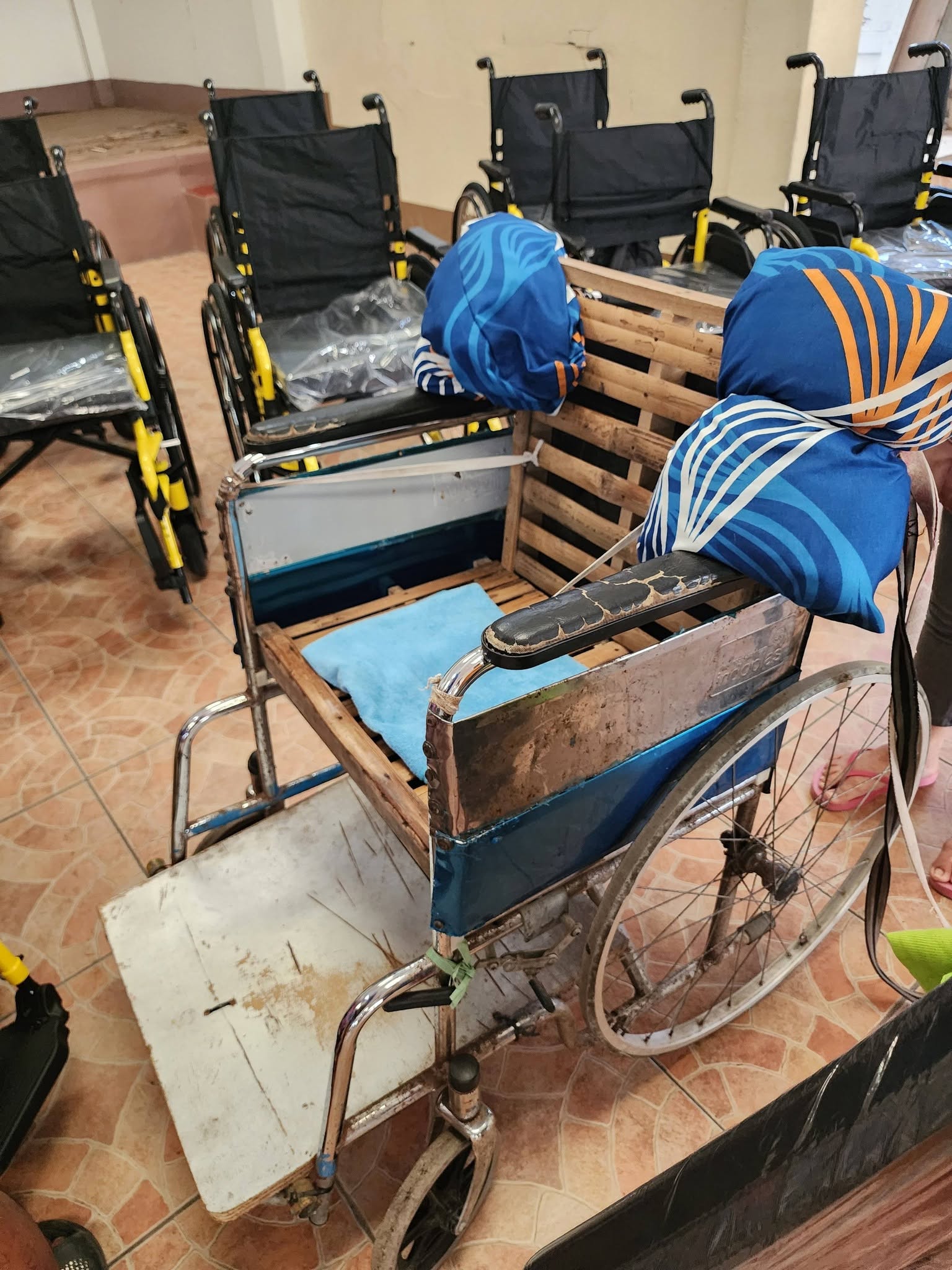
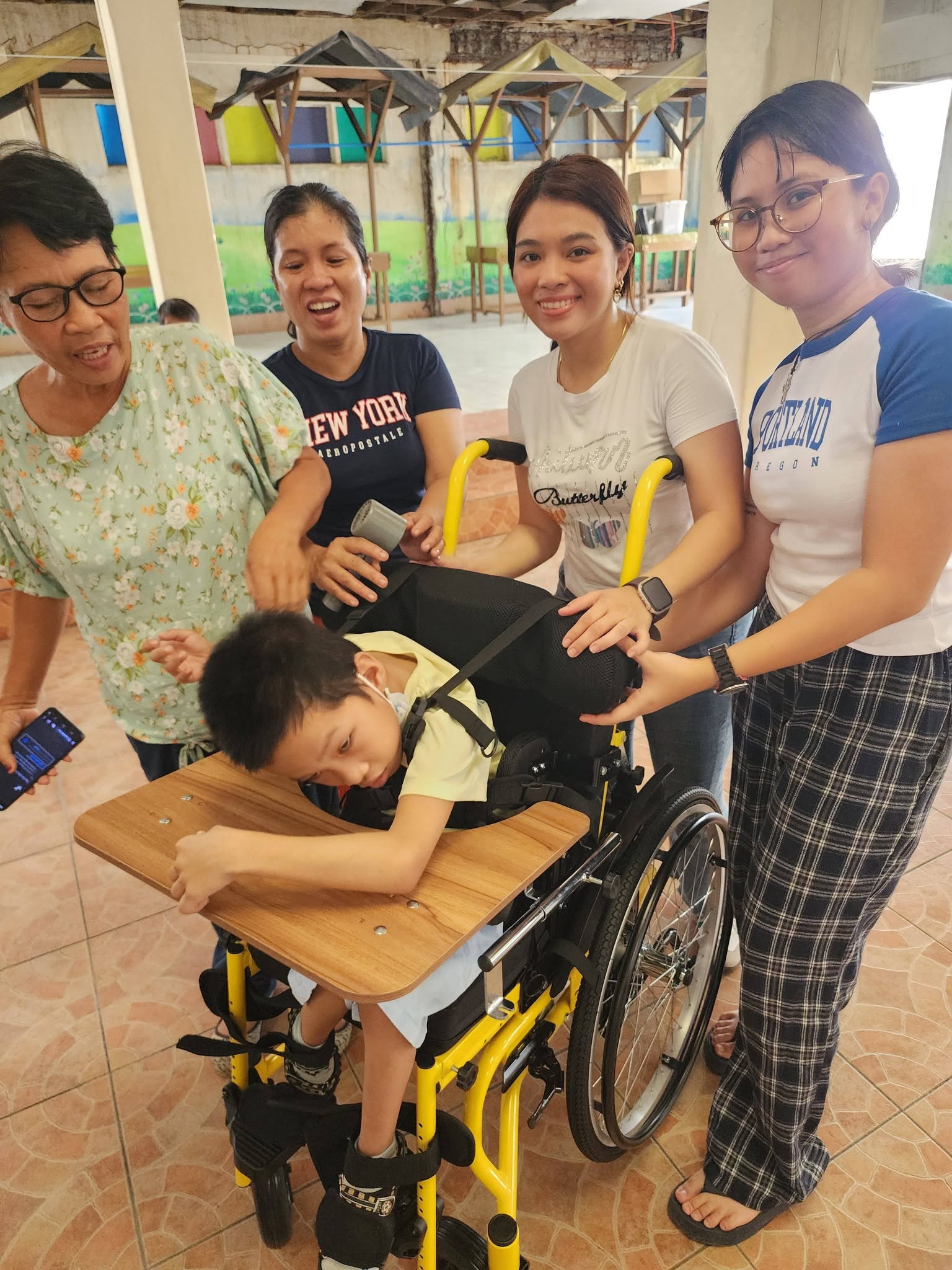
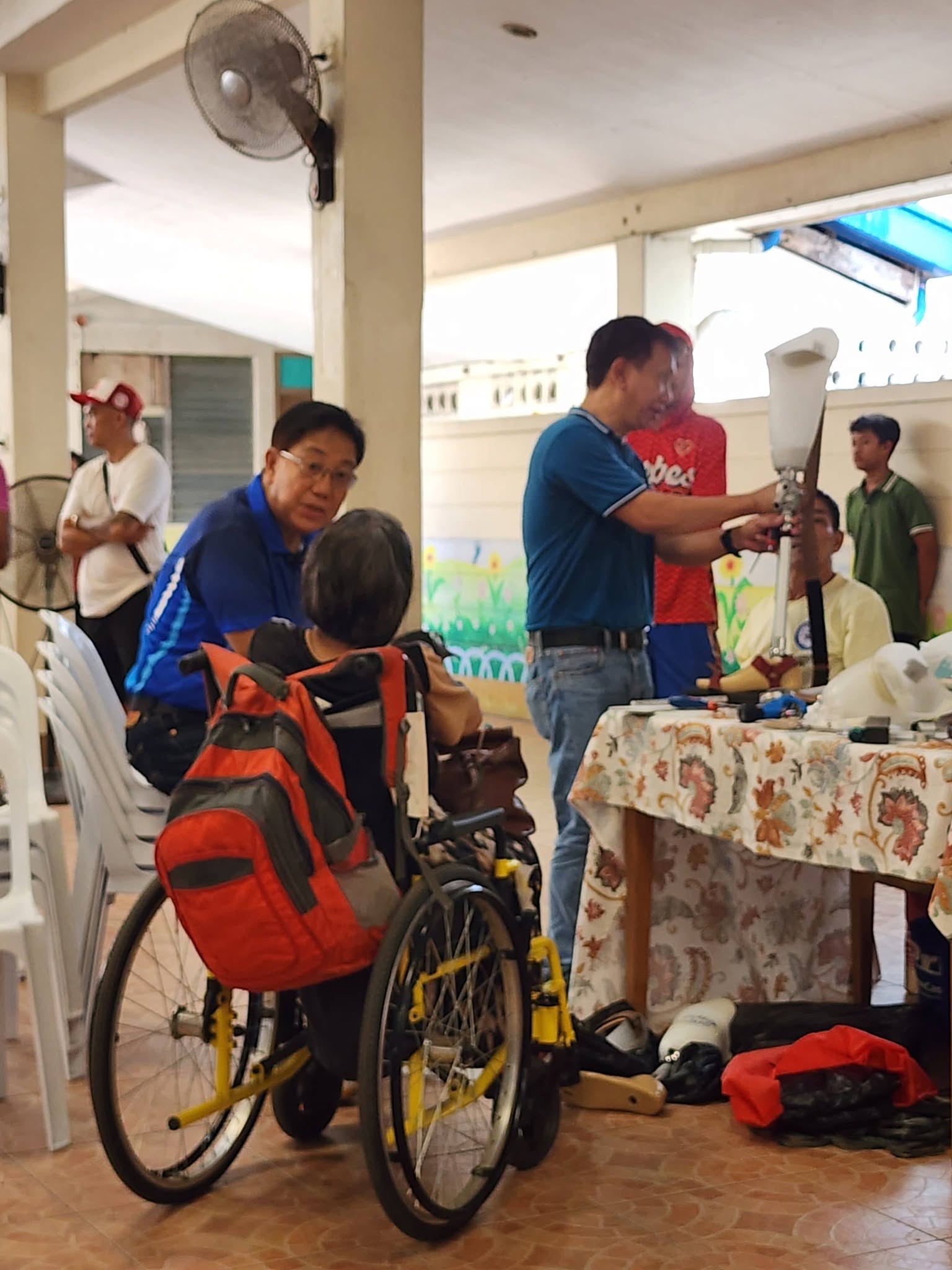
A prosthesis must be fitted, adjusted, and learned. The body has to be coaxed into trusting it. There are measurements and alignments, the careful matching of device to person, and then the tentative first steps, the hand reaching for a wall, the breath held, and then released when the weight holds. A wheelchair, too, is more than a chair. It is sized to the body, fitted to the life it will live in, considered against the doorways it must pass through and the roads it must roll over.
This is the work that PFPP’s mobility advocacy has always understood. Restoring movement is restoring dignity, and dignity does not come off an assembly line. It comes from attention. From the patience of fitting and refitting until the device becomes less a tool the person uses and more an extension of who they are.
The Power of Partnerships
A mission of this kind is never the work of one organization. It is a convergence, the meeting point of many hands that decided, separately and then together, that this was worth doing.
The Rotary Club of Metro Iloilo stood at the center of this effort, and PFPP is deeply grateful to fellow Rotary Governor Ramon Cua Locsin, Governor John Michael Ng, Governor Adrian Funtelar, Club President Patrick Locsin, and the dedicated members whose commitment turned intention into action. Their service embodies exactly the kind of bridge Rotary was built to build, connecting resources and goodwill to the people who need them most.
The mission was made possible, too, by the generosity of The Church of Jesus Christ of Latter-day Saints, whose support for mobility provision has helped restore movement to so many across the country. The Parish of Santa Maria opened its arms to the effort, offering the kind of community grounding that allows a mission to feel less like an event and more like a homecoming. And the Walk and Work team in Iloilo lent their hands and their expertise to the assists, the countless small acts of help that, taken together, made the entire day run.
Together, much can be done. It is a phrase easy to say and harder to prove, but Iloilo City proved it. None of these groups could have done this alone. All of them, united for good, did it together.
The First Steps
There is a moment at every mobility mission that never loses its power, no matter how many times you witness it. It is the moment a person stands, or rolls forward, under their own power for the first time in a long time.
Sometimes there are tears. Sometimes laughter. Sometimes only silence, the kind that is heavier and more meaningful than any words could be. A person looks down at the new limb, or grips the wheels of the chair, and you watch something shift behind their eyes. The horizon, which had narrowed to the size of a room, begins to widen again. The market they can return to. The grandchild they can chase. The work they can take up once more. The doorway that is, finally, just a doorway again, and not the edge of their world.
That is what was distributed in Iloilo City. Not just prostheses and wheelchairs, but futures. Mornings that begin with possibility instead of negotiation.
What Stays
When the mission ends and the volunteers pack down, what remains is not the memory of the event but the daily reality it changed. Somewhere in Iloilo City tonight, a person who arrived needing to be carried went home moving on their own. Tomorrow they will wake, and the device will still be there, and so will the freedom it brought.
This is the quiet, lasting work of mobility provision. It does not announce itself. It simply gives a person back to their own life, and lets that life unfold from there.
Physicians for Peace Philippines continues its commitment to restoring mobility, dignity, and independence to underserved communities across the country. To partner, donate, or volunteer, visit physiciansforpeace.ph.