There is a particular grief that comes with losing a limb, and it is not only the grief of the body. It is the grief of all the ordinary things that suddenly require thought. Standing up. Crossing a room. Stepping off a curb. The thousand small movements a person once made without noticing now demand planning, effort, and often the help of someone else. Independence, it turns out, lives in the legs more than we ever realize until they are gone.
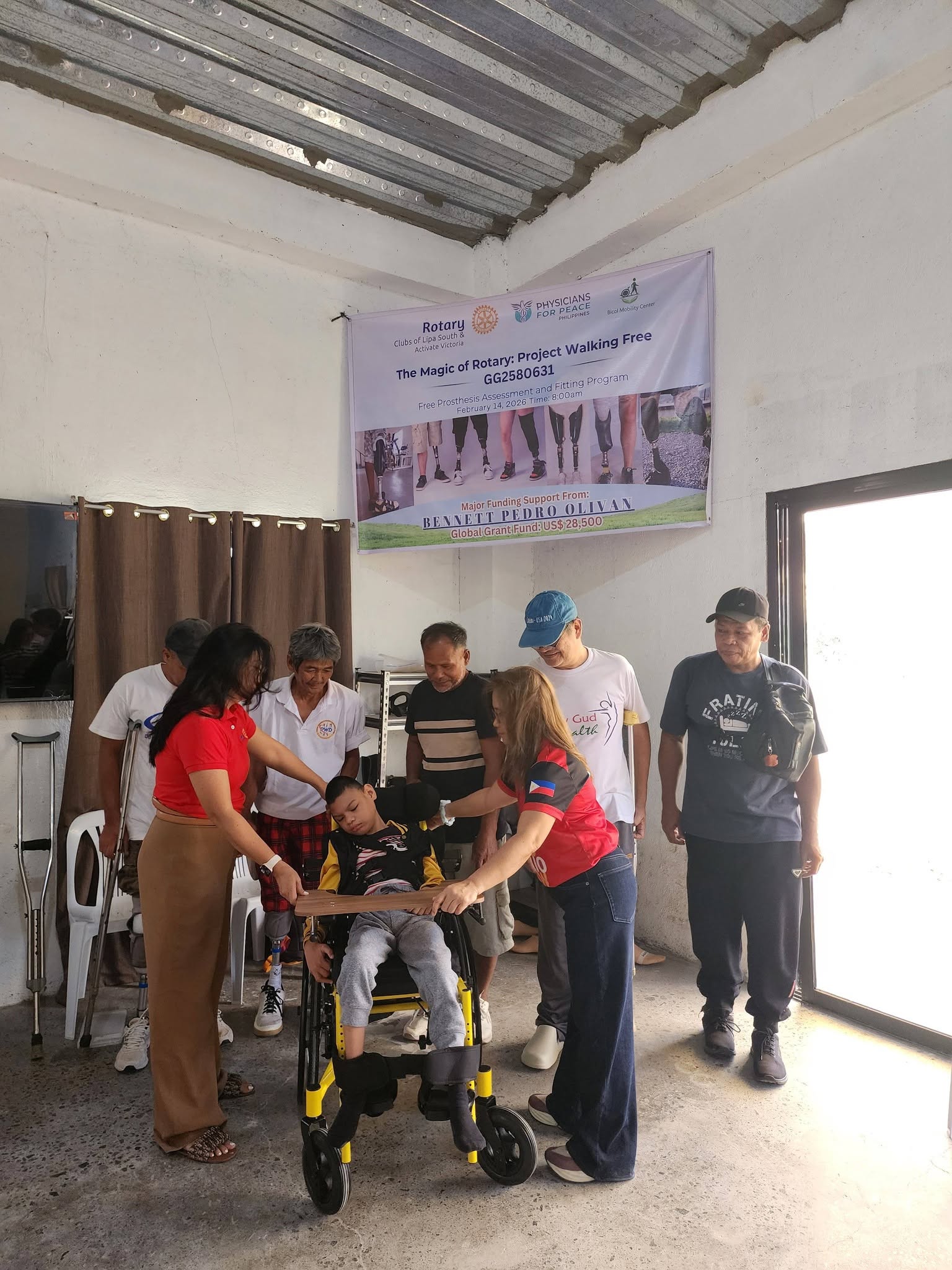
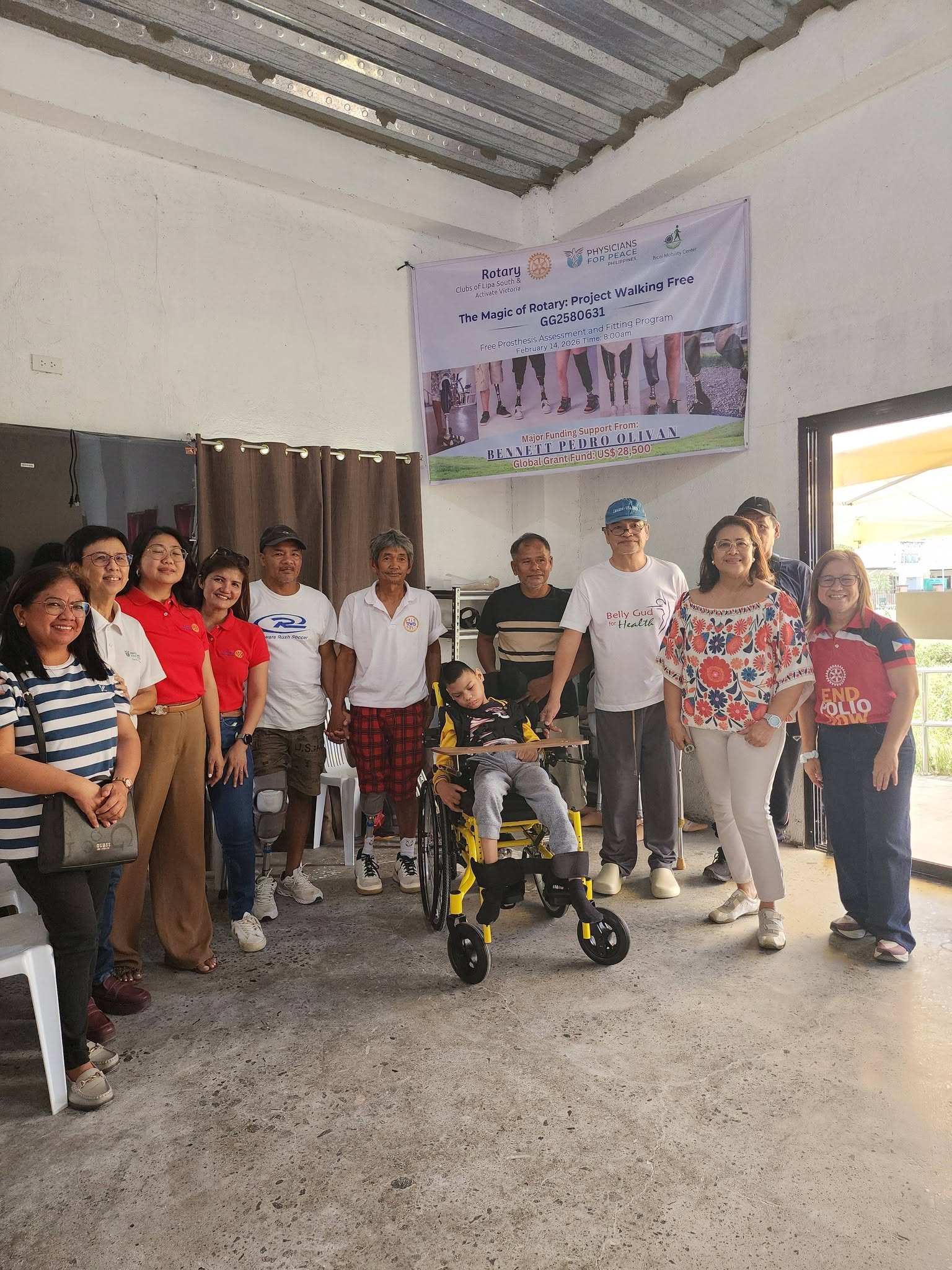
This is the grief that Physicians for Peace Philippines and its partners have set out to answer, one prosthesis at a time. And recently, that work continued, with the ongoing provision of below-knee and above-knee prostheses to patients whose lives are being changed by the simple, profound act of being able to stand on their own again.
Ongoing, Not One-Time
It is worth pausing on that word: ongoing. So much of charitable work arrives in a single burst, a mission, a ceremony, a photograph, and then recedes. But prosthetic care does not work that way, and it cannot. A prosthesis is not handed over and forgotten. It is fitted, adjusted, and revisited. The body changes. The device wears. The person learns to walk on it, and that learning is its own kind of work, requiring patience, follow-up, and a partner committed to staying for the long haul.
That is why ongoing provision matters so much. It signals a relationship rather than a transaction, a promise that the people behind this effort will be there not just for the first fitting but for the journey that follows. PFPP’s mobility program has always understood that restoring movement is a process, not a moment.
Two Kinds of Loss, Two Kinds of Restoration
A below-knee prosthesis and an above-knee prosthesis are different undertakings, and the distinction matters more than most people would guess. With a below-knee amputation, the patient keeps their own knee, that remarkable joint that does so much of the quiet work of walking, balancing, and rising. Rehabilitation, while never easy, has that natural advantage to build upon.
An above-knee prosthesis asks far more. The knee itself must be replaced by the device, and the patient must learn to trust an artificial joint to bend, hold, and carry them. It demands more fitting, more therapy, and more courage. To provide both, to meet patients wherever their loss has left them, speaks to the seriousness of this effort. It does not take only the easier cases. It takes the person in front of it, whatever they need.
A Grant Built on Partnership
None of this would be possible without the partnership that funds and sustains it. This work is carried out by a Rotary Global Grant, made possible through the Rotary Club of Lipa South together with its international partners, and supported by The Rotary Foundation, whose grants turn local goodwill into lasting impact across borders.
It is the familiar and always moving shape of Rotary service: a local club, rooted in its own community, joining hands with partners abroad to fund something that no one of them could accomplish alone. The Rotary Foundation provides the framework, the international partners provide the means, and a club like RC Lipa South provides the local commitment that ensures the help actually reaches the people who need it. Physicians for Peace Philippines provides the clinical hands that turn the funding into a fitted, functioning limb. Each link in that chain is essential.
Life-Changing Is Not a Figure of Speech
It is tempting to call projects like this life-changing out of habit, the way we reach for big words to describe good deeds. But here the phrase is simply accurate. For a person who has been unable to walk, a prosthesis does not improve their life at the margins. It changes the entire shape of it.
It is the farmer who can return to the fields. The parent who can stand to cook a meal or carry a child. The worker who can earn again instead of depending on others. The person who can walk out their own front door and into the world without needing anyone’s arm to lean on. These are not small things. They are, in fact, the whole of a life, restored piece by piece, step by step.
The Work Continues
With deep gratitude to The Rotary Foundation, to the Rotary Club of Lipa South and its international partners, and to everyone who made this Global Grant possible, the provision of prostheses continues. There are more patients waiting. More legs to fit, more steps to teach, more lives to give back.
That is the nature of this work. It is never quite finished, because there is always one more person waiting to walk again. And as long as that is true, Physicians for Peace Philippines and its partners intend to keep showing up.
Physicians for Peace Philippines continues its commitment to restoring mobility, dignity, and independence to underserved communities across the country. To partner, donate, or volunteer, visit physiciansforpeace.ph.