SAGADA, Mountain Province — The road to Sagada does not rush you. It winds. It climbs. It makes you earn the view, and by the time the pine trees thicken, and the mist starts hugging the road like an old blanket, you already know you are somewhere different. Somewhere that exists on its own terms. Which is exactly why getting healthcare up here has never been simple.
Sagada sits more than 1,500 meters above sea level, the kind of place that inspires bucket-list captions and Instagram filters. But for the Igorot communities who live, farm, and age on these slopes, altitude is not aesthetic. It is geography. And geography, when you have failing eyesight, a chest that has been coughing for months, or legs that no longer carry you the way they used to, can be a very stubborn barrier.
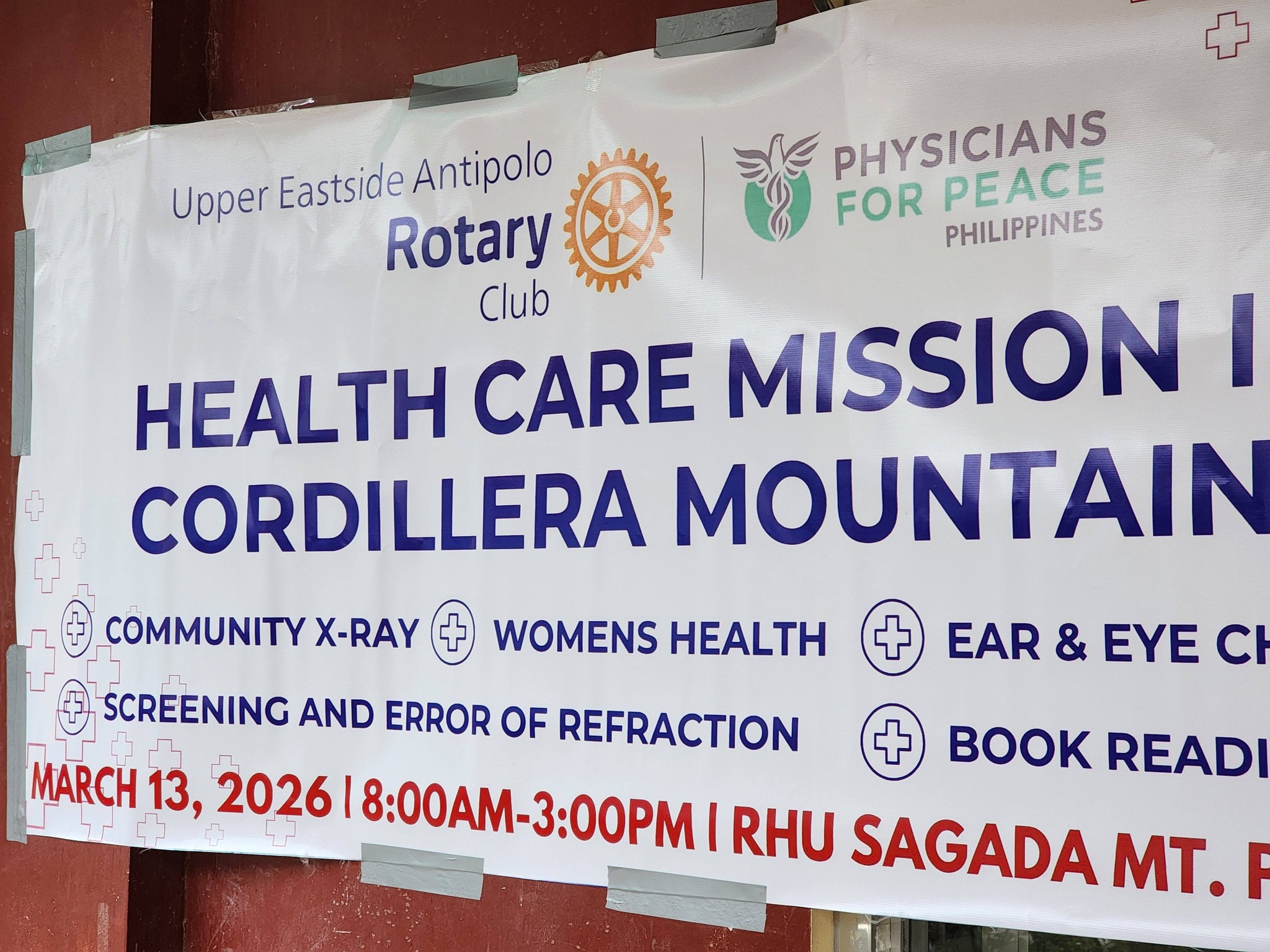
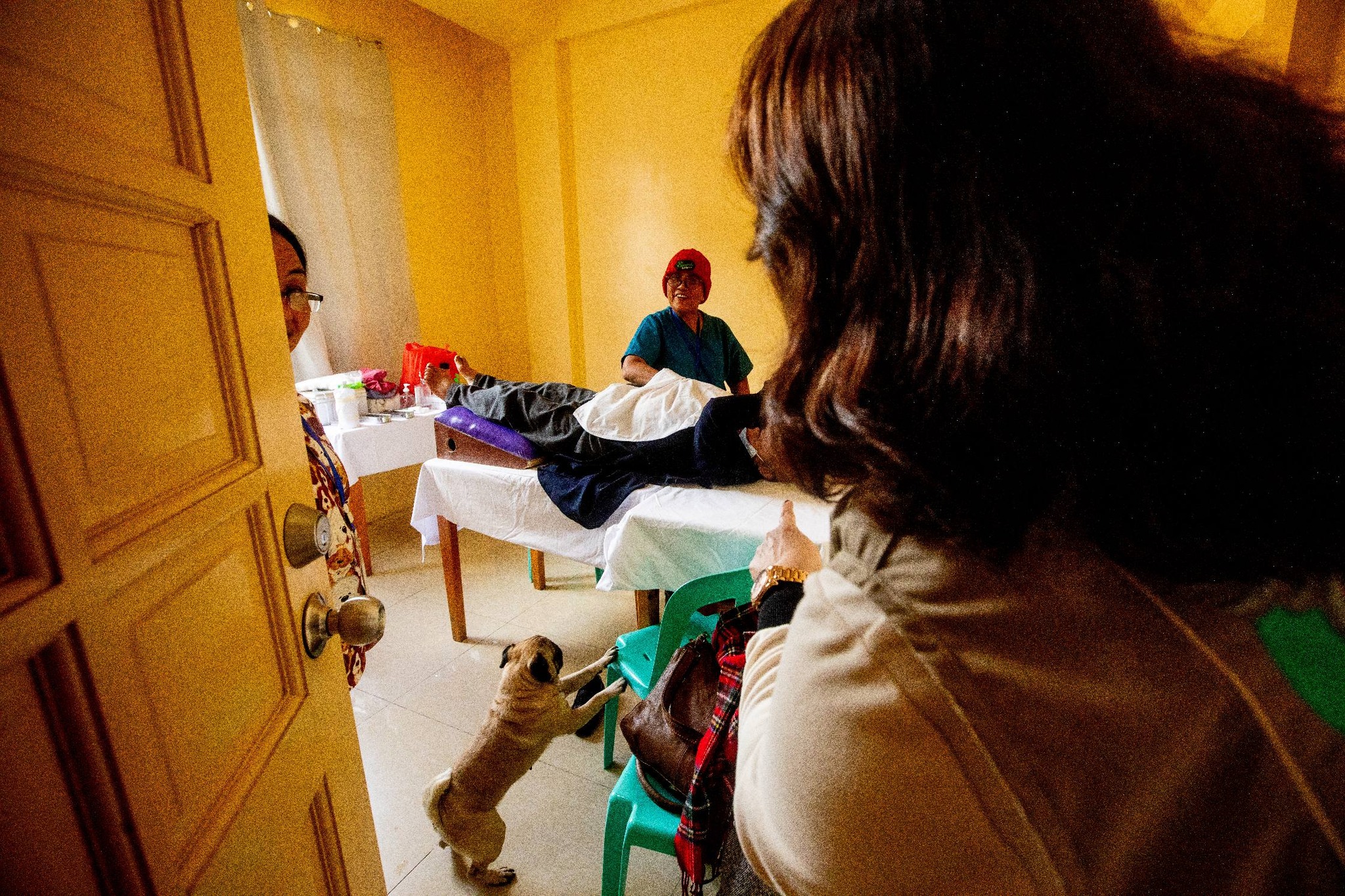
That barrier got a little smaller recently. Physicians for Peace Philippines, together with the Rotary Club of Upper Eastside Antipolo District 3800, the Local Government Unit of Sagada, with support from Baguio General Hospital and the Philippine Tuberculosis Society – Tuguegarao Branch, brought a full healthcare mission up into these mountains, reaching residents who, for many of them, had been waiting a very long time for someone to come to them. Co-sponsored by De La Salle Lipa Batch ’82 and with mobility devices donated by The Church of Jesus Christ of Latter-day Saints, the mission touched every dimension of care that communities in remote geographies often go without: vision, hearing, tuberculosis screening, women’s health, community X-ray, and mobility assistance.
The Morning That Gathered the Mountain
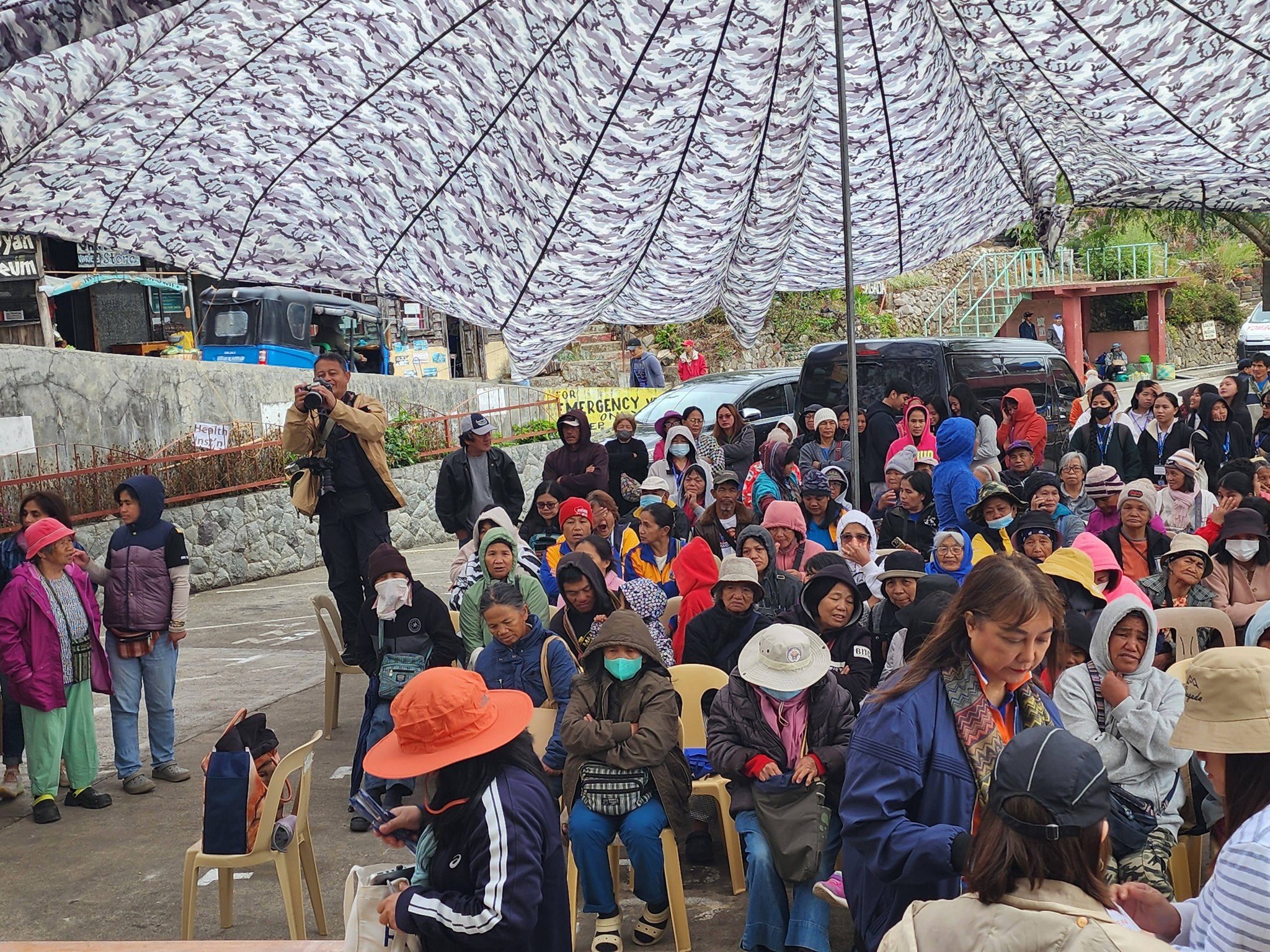
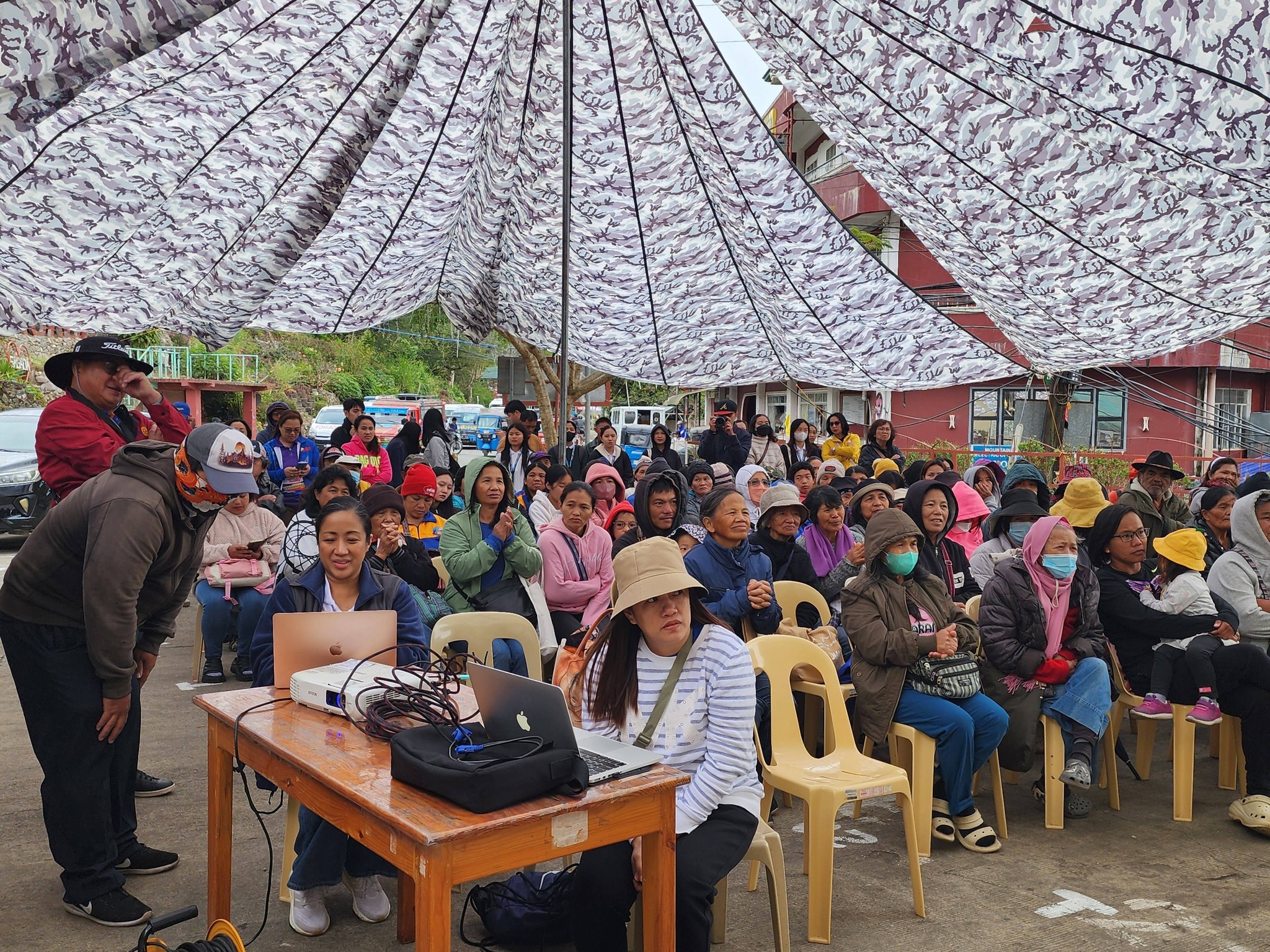
You know a medical mission has found the right place when the line forms before the tarpaulins are even finished being hung. By the time volunteers arrived to set up, Sagada’s residents were already there. Lolo and lola in hand-woven blankets, mothers with children strapped close, farmers still carrying the smell of pine resin on their clothes. Waiting. Patient in the way that people in the mountains learn to be patient: without complaints, but with a quiet urgency that tells you this moment matters.
The LGU of Sagada had done the hard groundwork. Community mobilization in a municipality this remote requires more than announcements. It requires trust. Local officials and health workers had already reached out to the barangays, coordinating transport for those who could not walk to the venue on their own. Beneficiaries with severe mobility limitations, some of whom had not left their homes in months, were brought in by tricycles arranged by the LGU. It was the kind of logistical care that rarely makes it into the headlines but makes everything else possible.
Seeing Clearly at 1,500 Meters
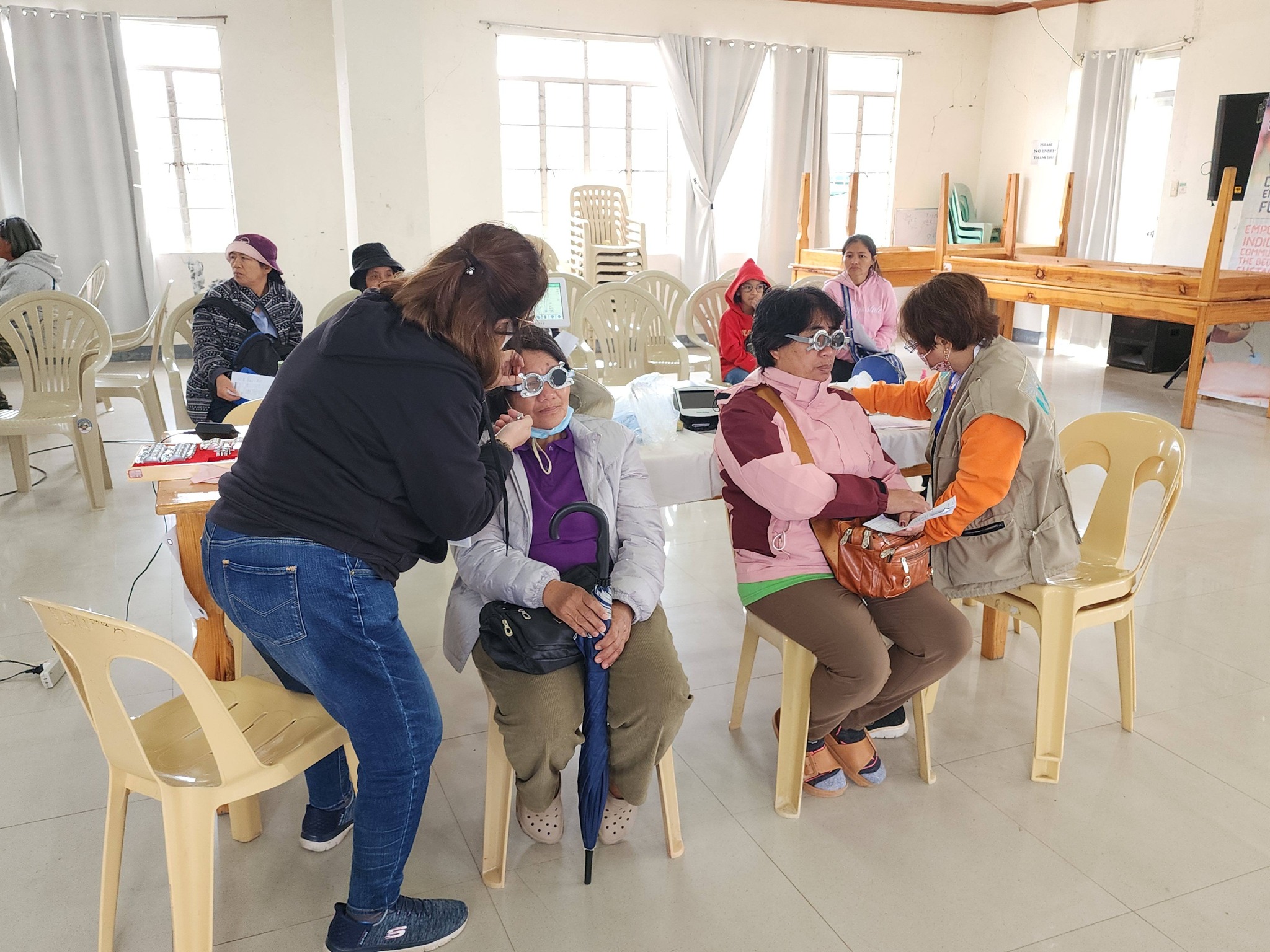
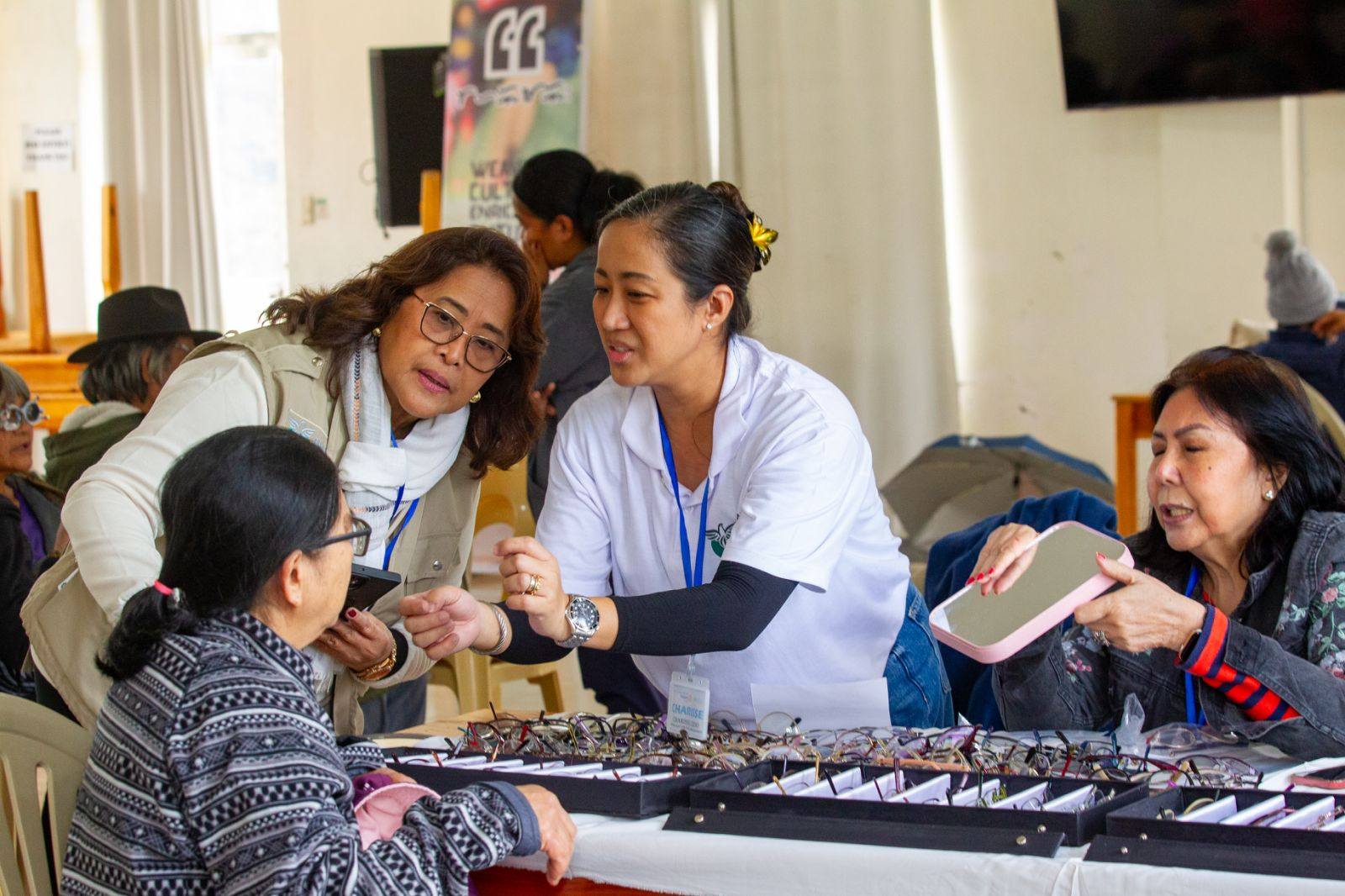
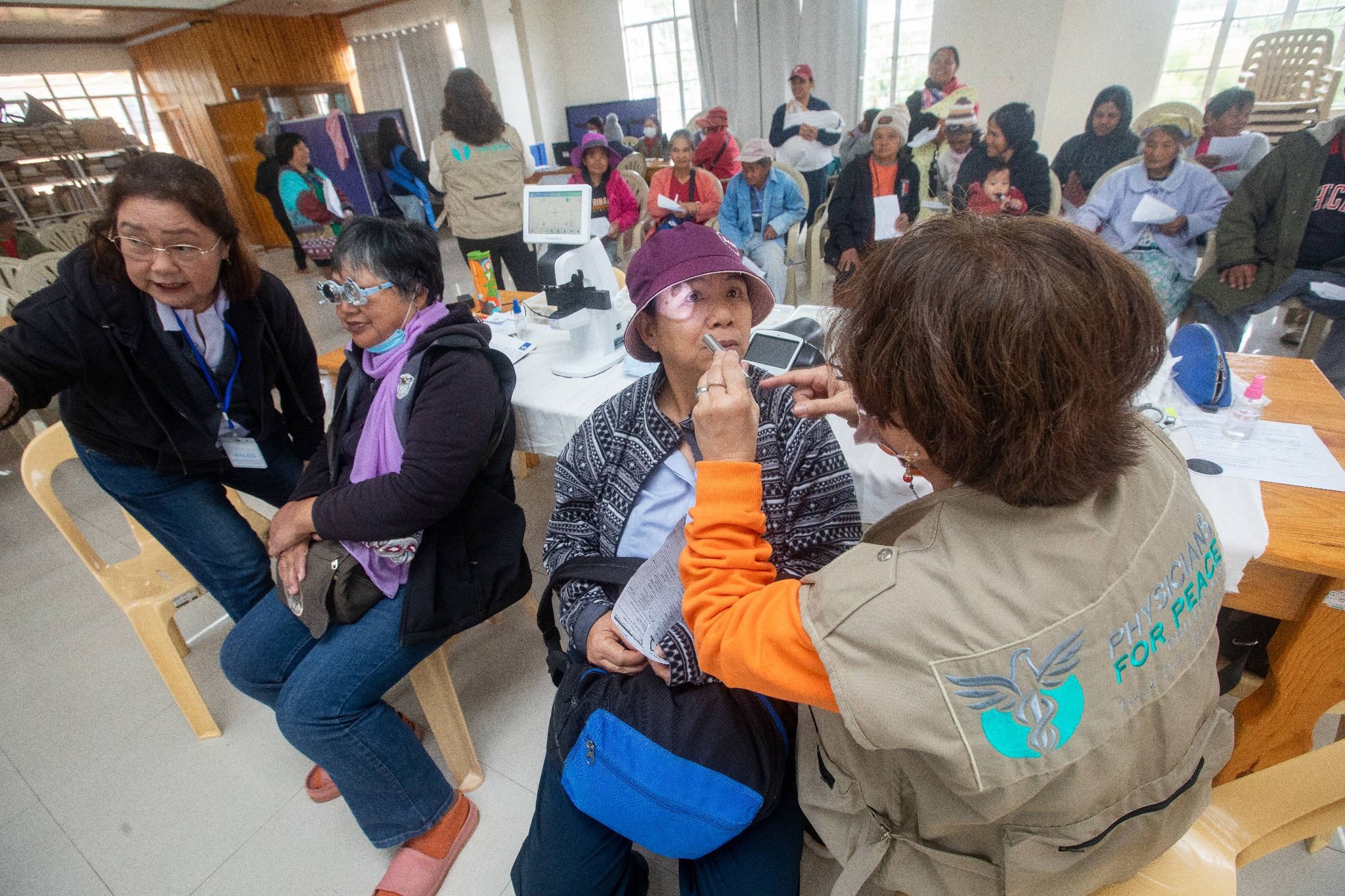
The vision care station was, as it always is at PFPP missions, the one with the longest line and the loudest gasps. There is something quietly spectacular about watching someone put on a corrective lens for the first time in years. The world sharpens. Faces become faces again, not just blurs. A grandmother who had been squinting at her grandchildren for so long she had forgotten what their features looked like; suddenly, she knows again. That moment does not require translation.
In Sagada, where small-scale weaving and farming are still central to livelihood, clear eyesight is not a luxury. Threading a loom. Identifying ripe vegetables in a garden. Reading a health referral slip. These are the quiet, practical reasons why the PFPP’s Seeing Clearly Program matters so viscerally to communities far from eye clinics and optical shops.
A Sound That Travels Far
The hearing healthcare station, managed in partnership with specialists from Hear Sound Hearing Health Center, worked through its queue methodically. Hearing loss in mountain communities is often invisible and vastly underreported. Many residents have simply adjusted, stopped participating in conversations, stopped going to meetings, and stopped being heard because they can no longer hear.
When the audiologists fitted hearing devices and watched patients’ faces shift from concentration to comprehension to joy, that sequence never gets old, no matter how many missions you have witnessed. A man who had not heard his wife’s voice clearly in years. A child who did not know there was a world of sound beyond the muffled version she had always known. These are not stories you summarize in a data sheet.
The Slow Work of the X-Ray
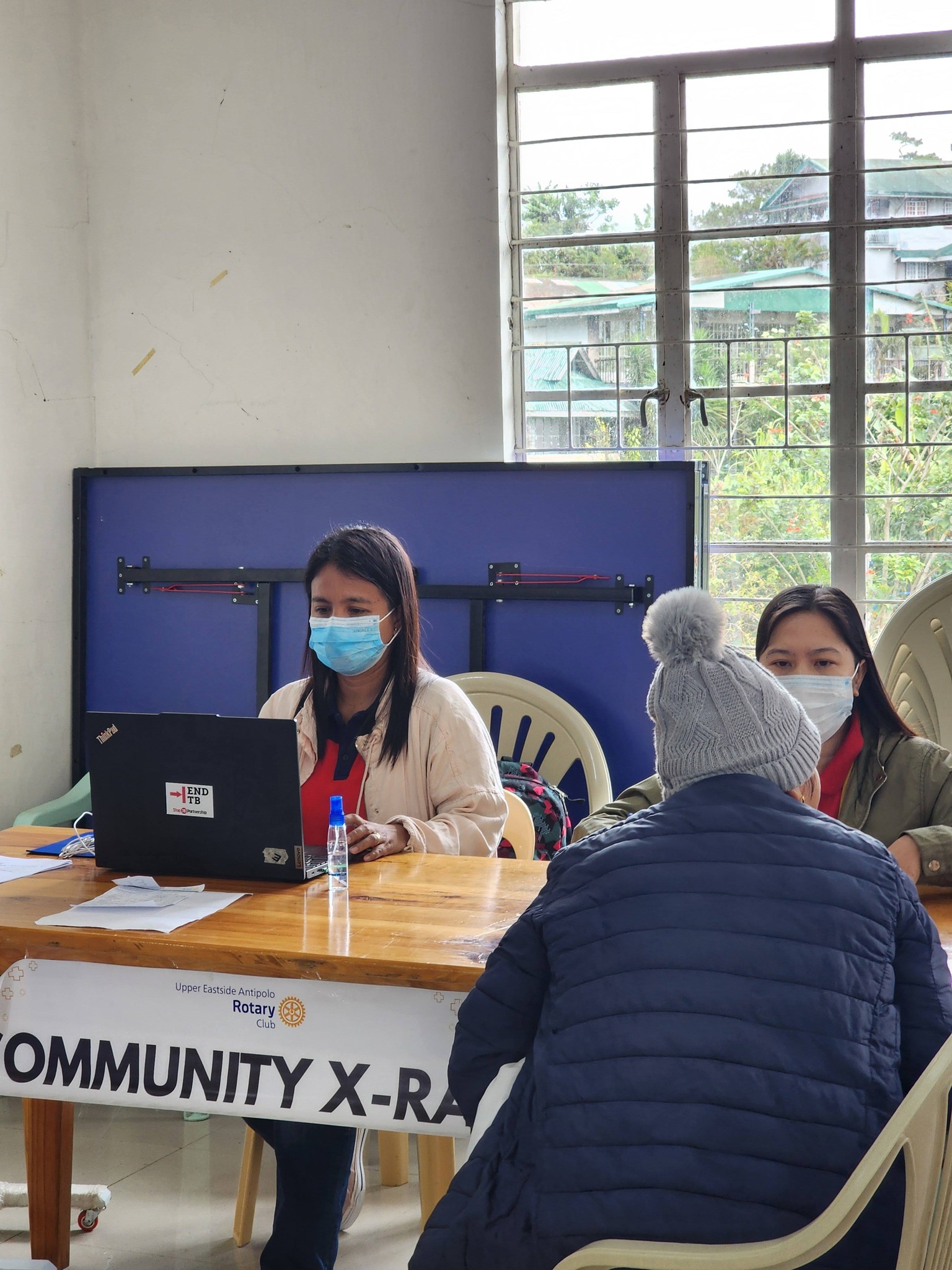
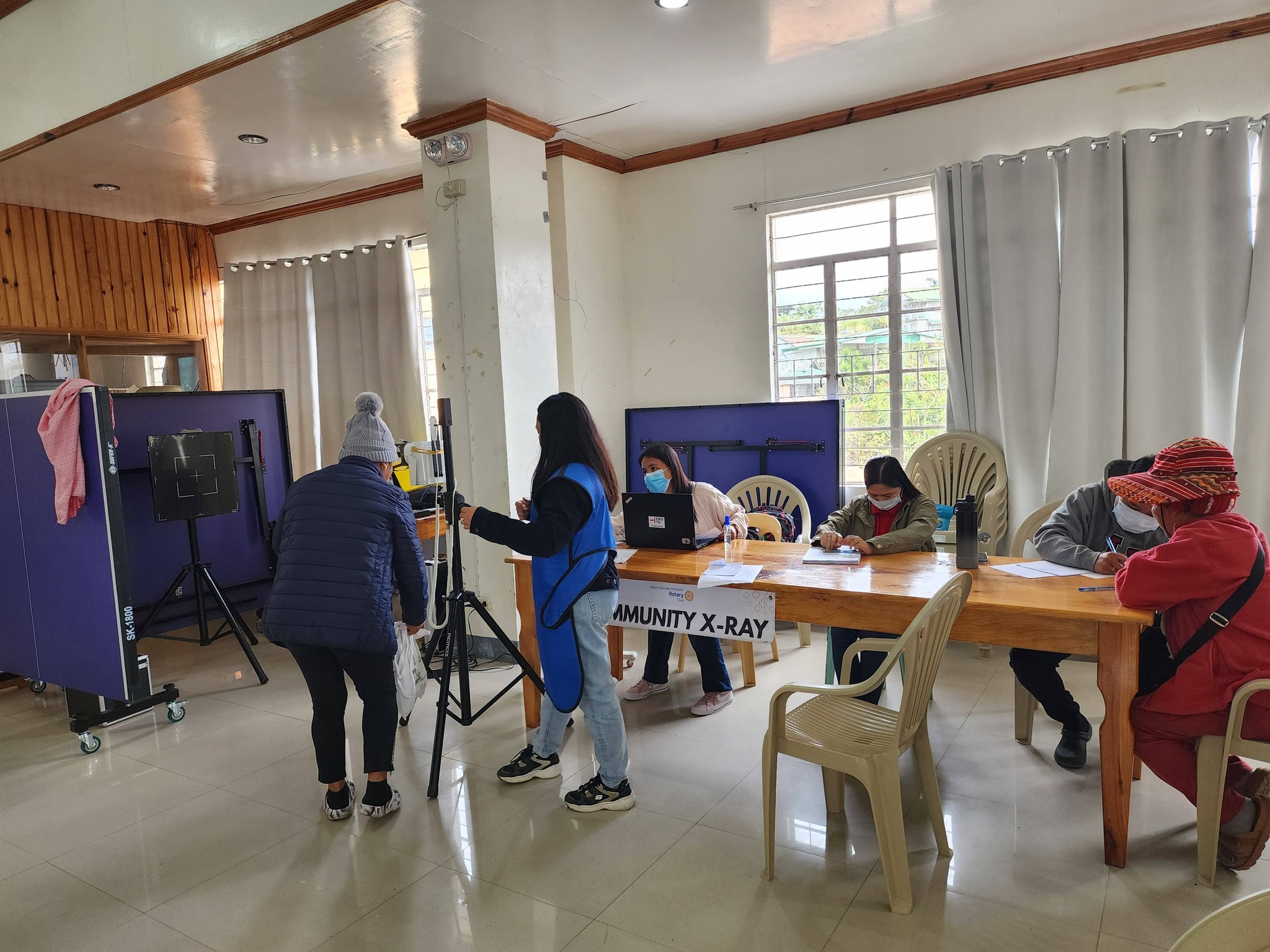
The Philippine Tuberculosis Society’s support for the community X-ray component brought something to Sagada that residents rarely access without significant travel and expense. Going down to Baguio City for a chest X-ray means a full day, bus fare, waiting rooms, and lost income. Here, the machine came to them.
This was especially significant given the involvement of the Philippine Tuberculosis Society – Tuguegarao Branch, whose expertise in TB detection and management added a layer of clinical depth to the mission. Mountain Province has historically recorded TB cases that go undiagnosed for too long, partly because of distance, and partly because symptoms like a persistent cough in cold highland air get dismissed as ordinary. Community X-ray, done right here in Sagada, shortens that diagnostic gap in ways that can genuinely save lives.
When Women Come Forward
The women’s health station, as always, required a particular kind of atmosphere to work. Privacy. Dignity. A space where a woman can ask the question she has been carrying since the last time a health worker came around, which, in some cases, means years.
The PFPP team created that space. Consultations, screenings, and health education sessions were conducted with the kind of discretion and respect that allows women in conservative highland communities to step forward, some for the very first time. The health workers here were not just dispensing services. They were building enough trust in a single day for women to make decisions about their own bodies that no one had previously invited them to make.
Wheels on Mountain Ground
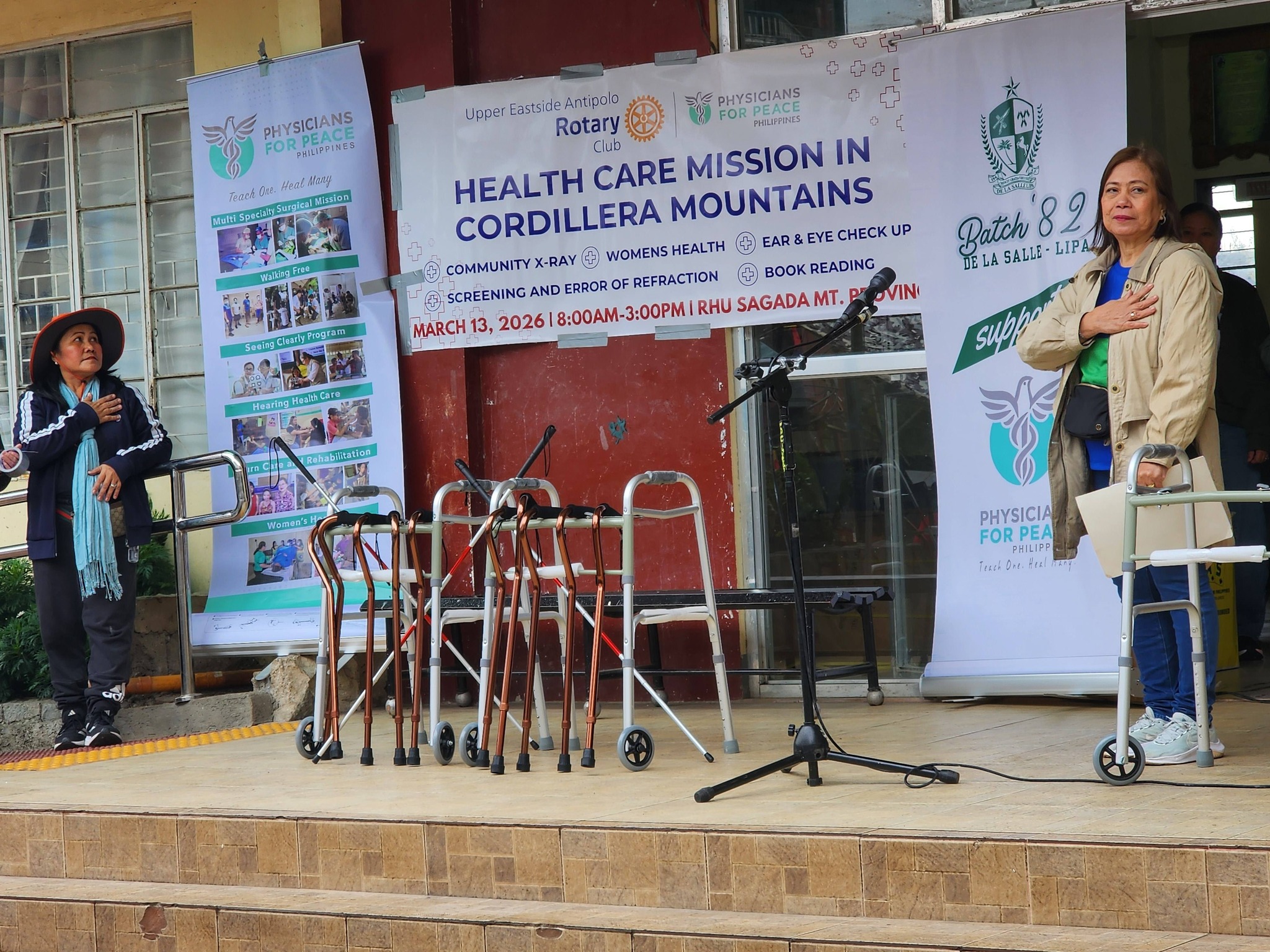
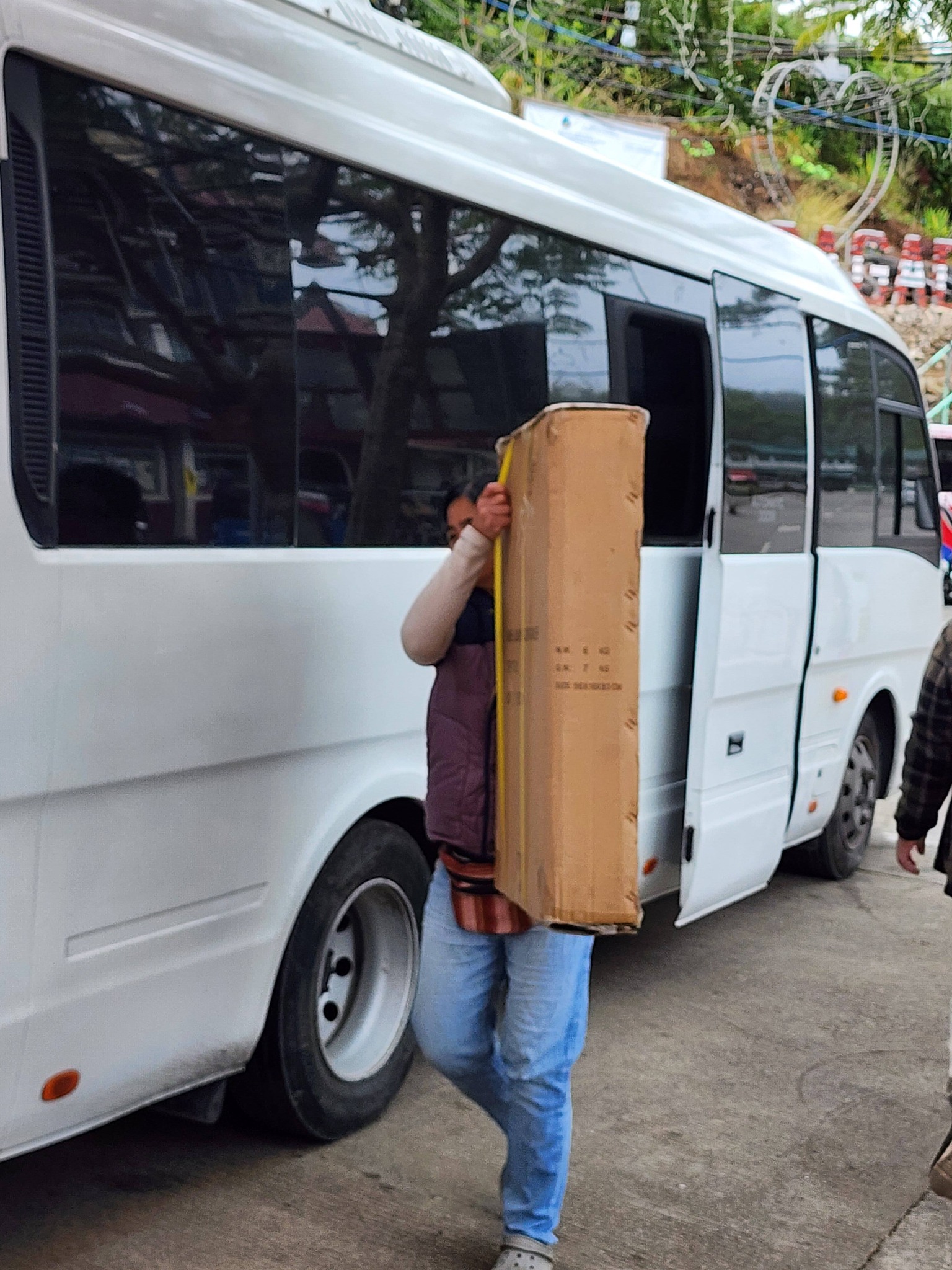
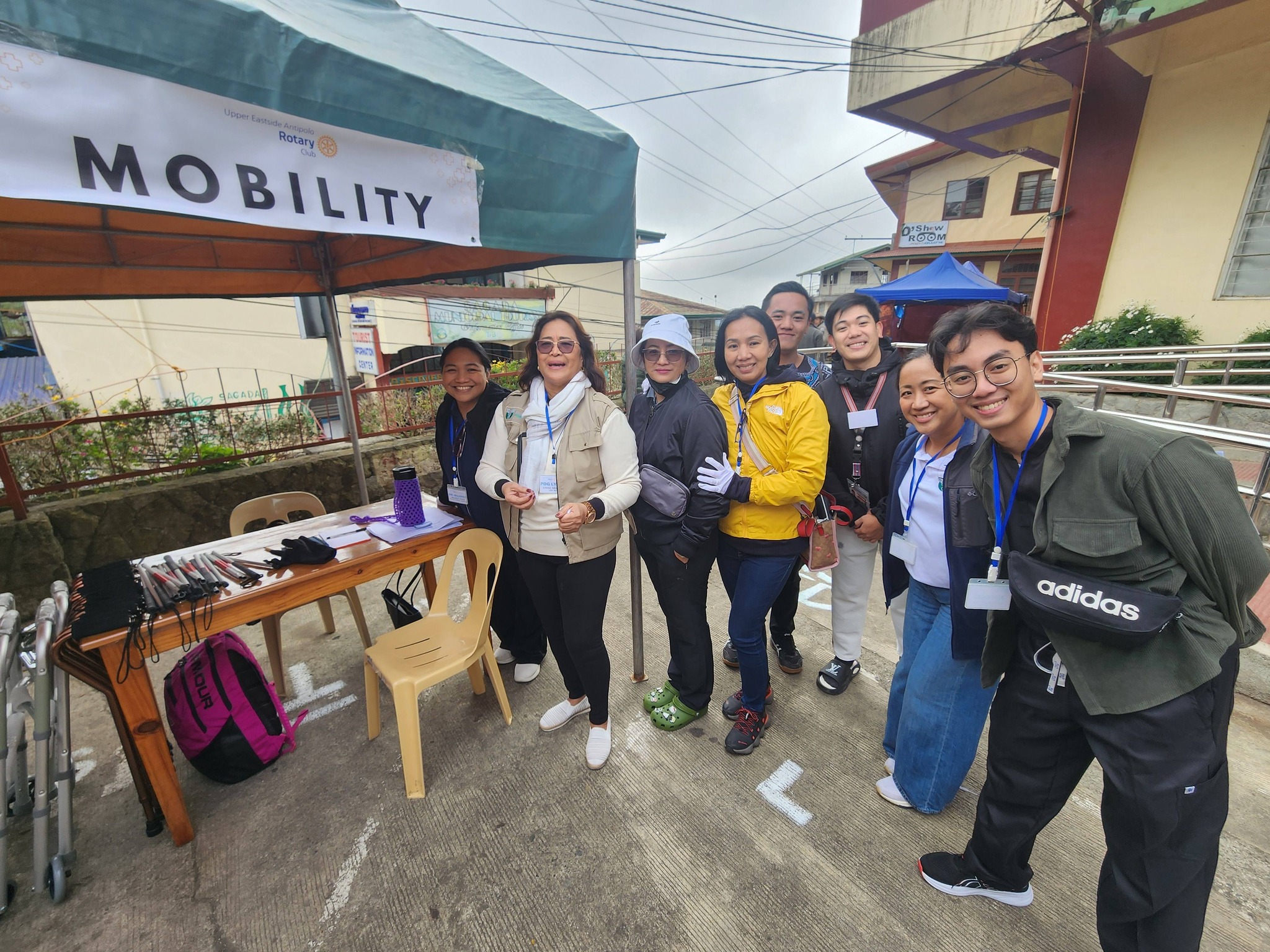
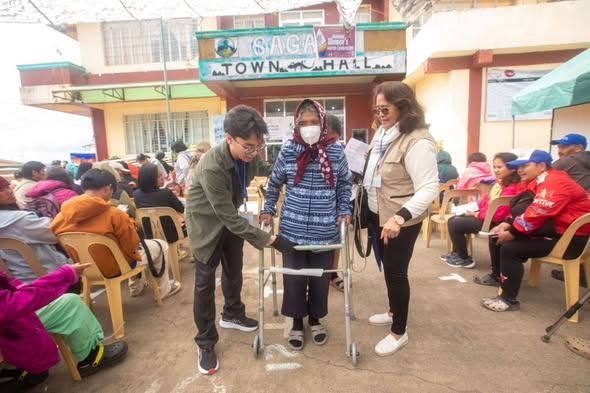
Perhaps the most visible moments of the day belonged to the mobility program, powered by devices from The Church of Jesus Christ of Latter-day Saints Charities and with special assistance from the Rehabilitation Unit of Baguio General Hospital. Walkers and canes, crutches, and other assistive equipment were assessed, fitted, and distributed to beneficiaries identified by the LGU.
These were residents whose daily lives had been constrained, sometimes profoundly, by their inability to move freely. There is a particular weight to this in Sagada. The terrain here is not forgiving. Steps are steep, paths are uneven, and independence requires physical capability that illness, accident, or age can quietly strip away. Watching a person receive a wheelchair on a mountain, watching them realize that their world just got a little wider, is the kind of thing that stays with you on the drive back down.
The People Who Made It Possible
Missions like this one do not materialize from goodwill alone. They are built from networks, the kind that cross alumni reunions, civic organizations, and denominational boundaries. De La Salle Lipa Batch ’82 stepped in as co-sponsors, their generosity carrying the particular warmth of people who graduated together, stayed together, and chose to give together. That the fruits of their support reached Sagada, this far and this high, says something about what alumni bonds can accomplish when they are pointed outward.
The Rotary Club of Upper Eastside Antipolo D3800 brought organizational heft and service commitment, connecting their club’s resources to a community they would never ordinarily serve. That is exactly the kind of bridge Rotary was built to build. And the LGU of Sagada did what only a local government can do: they opened the doors, moved the people, smoothed the logistics, and made the community feel that this mission was theirs, not something happening to them.
What Remains When the Mission Ends
By late afternoon, the venue had begun to quiet. Volunteers were packing down, tarpaulins being folded, supplies being accounted for. Sagada was doing what it always does, turning golden and cold as the sun dropped behind the Cordillera ridgeline.
But some things were not being packed away. The X-ray results gave families clarity they had not had before. The hearing devices were carried home in small cloth bags, pressed carefully against someone’s chest on the jeepney ride back. The wheelchair is navigating a Sagada footpath for the first time. The lola who now knows what her grandchildren’s faces actually look like.
Healthcare missions are often spoken of in terms of numbers served. And the numbers here mattered. Every beneficiary counted, every service rendered a data point that justifies the next mission and the one after that. But Sagada reminds you that behind every number is a person who had to wait. Who made their way down a mountain path or was carried by a neighbor or sat in line since before breakfast with a stub of paper held tight in both hands. They waited because they believed help would come. This time, it did.
Physicians for Peace Philippines continues its commitment to bringing inclusive, multi-specialty healthcare to underserved and geographically isolated communities across the Philippines. To partner, donate, or volunteer, visit physiciansforpeace.ph.