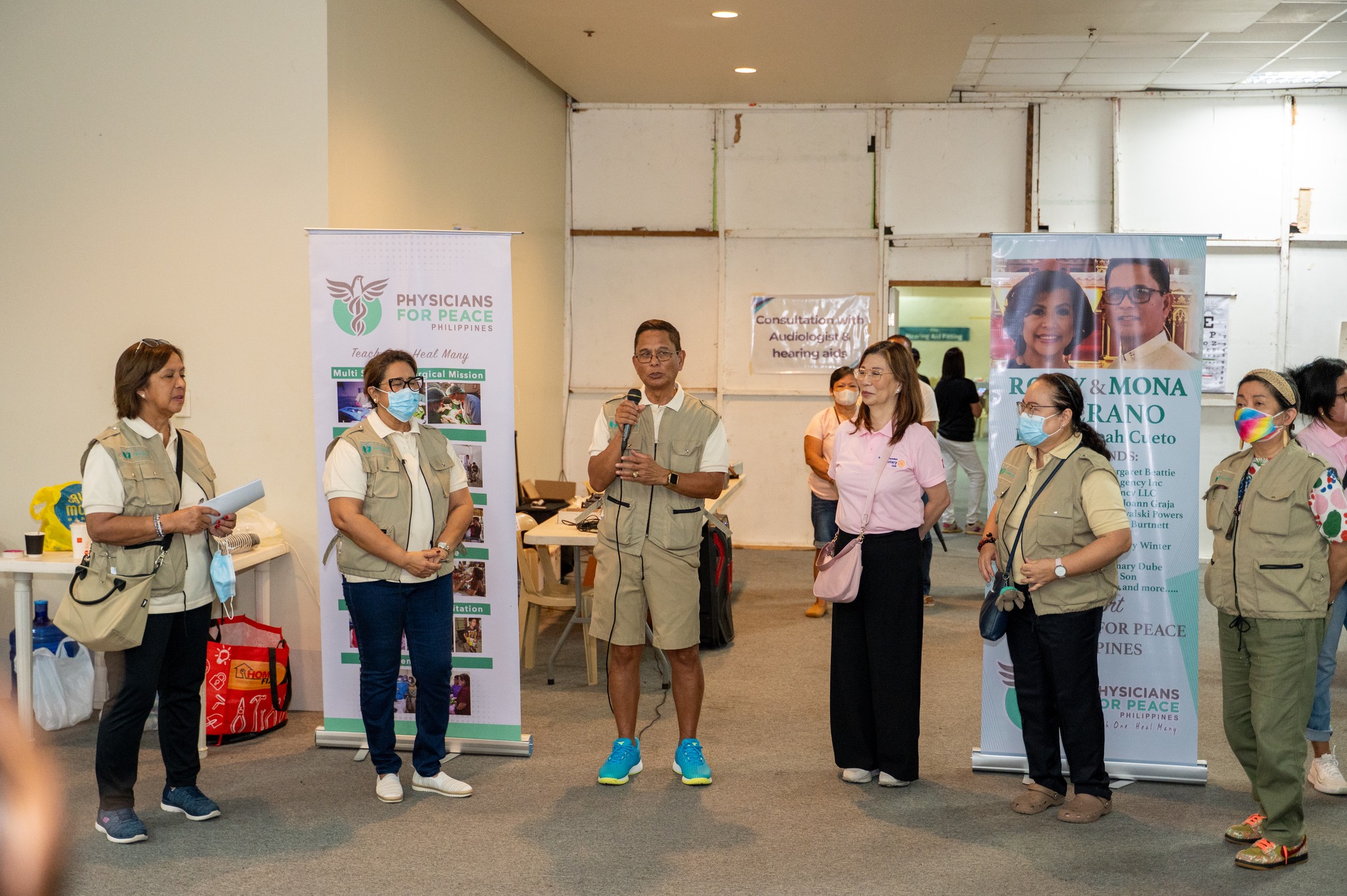
The day after the Tacloban mission, the road led west to Ormoc. Classrooms at Saint Paul’s School of Ormoc Foundation, Inc. slowly emptied of desks and chairs and filled instead with folding tables, examination lights, and rows of plastic chairs.
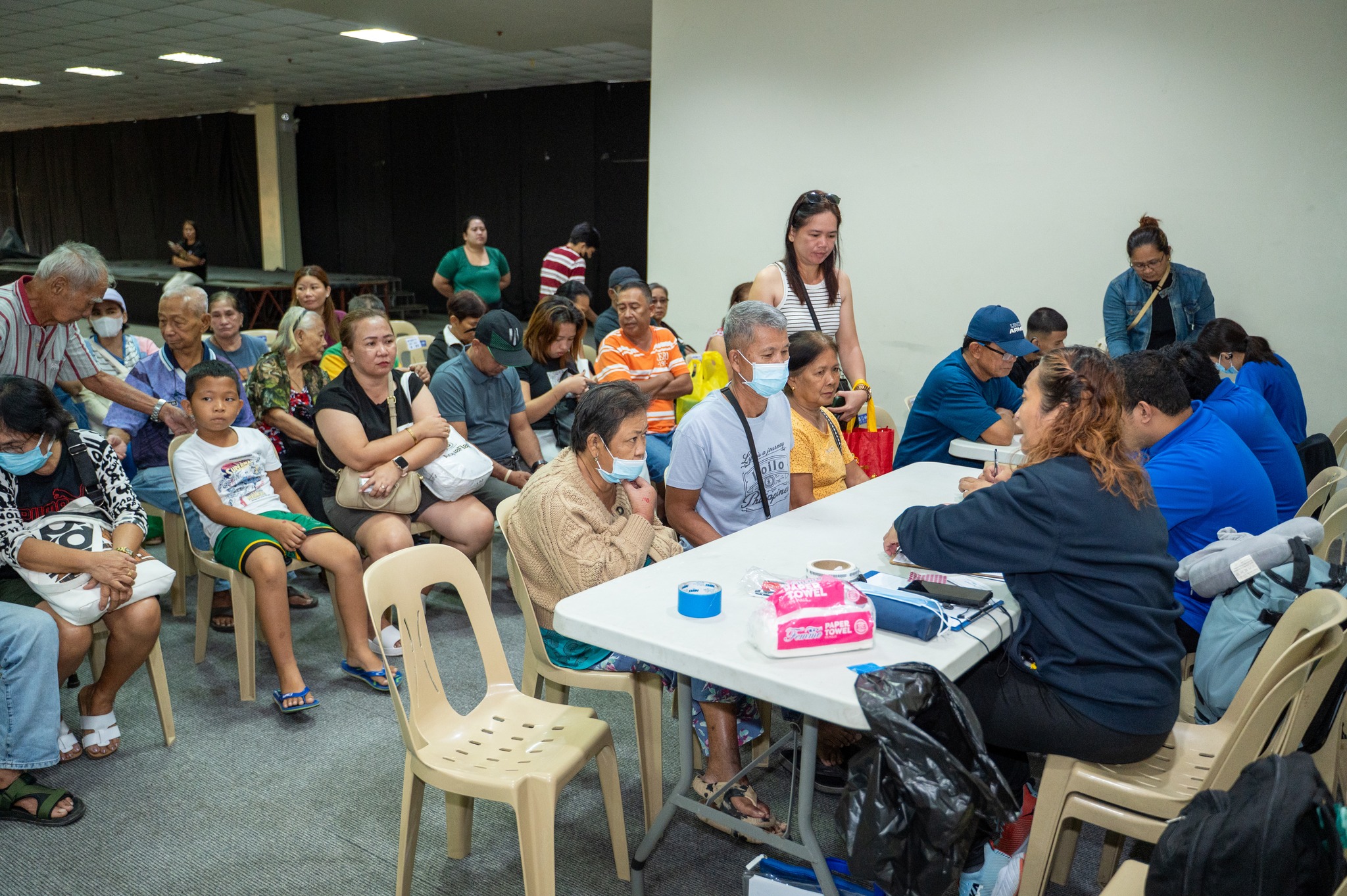
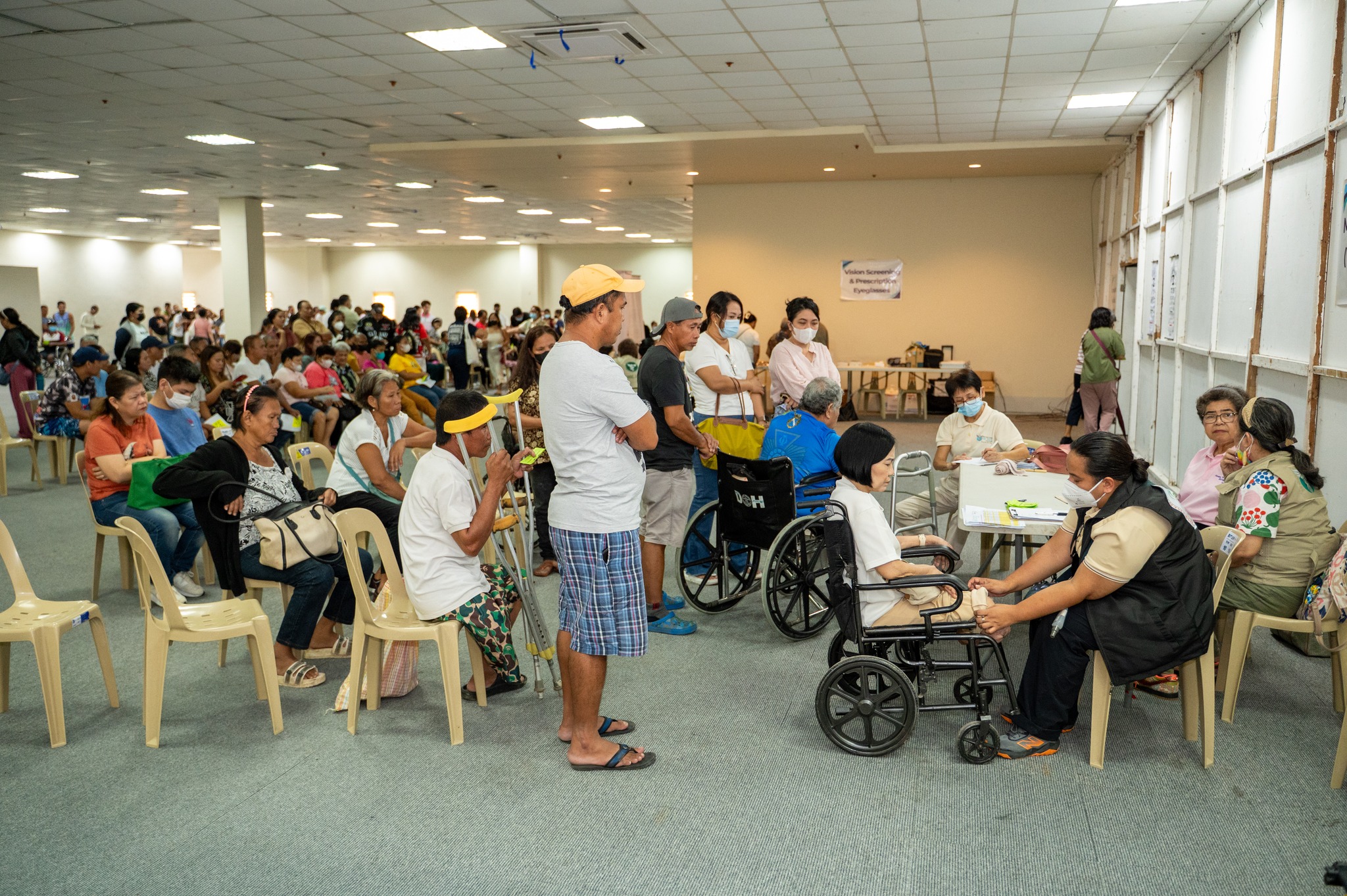
By mid‑morning on January 11, the familiar sound of students had been replaced by another kind of noise altogether—wheelchairs rolling over tiled floors, stethoscopes clicking against ID lanyards, and the steady hum of people waiting their turn for care.
Saint Paul’s Turns into a One‑Day Clinic
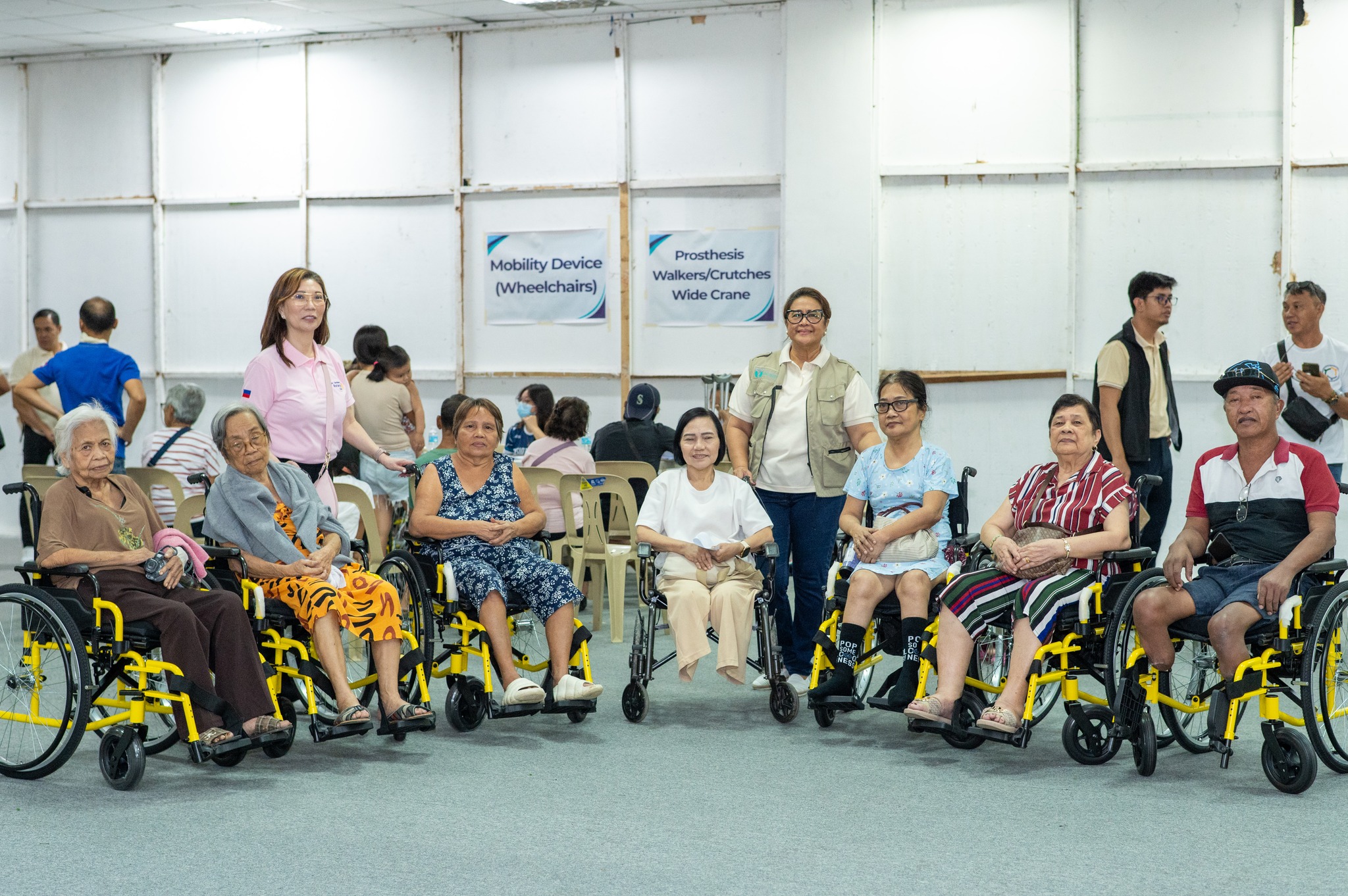
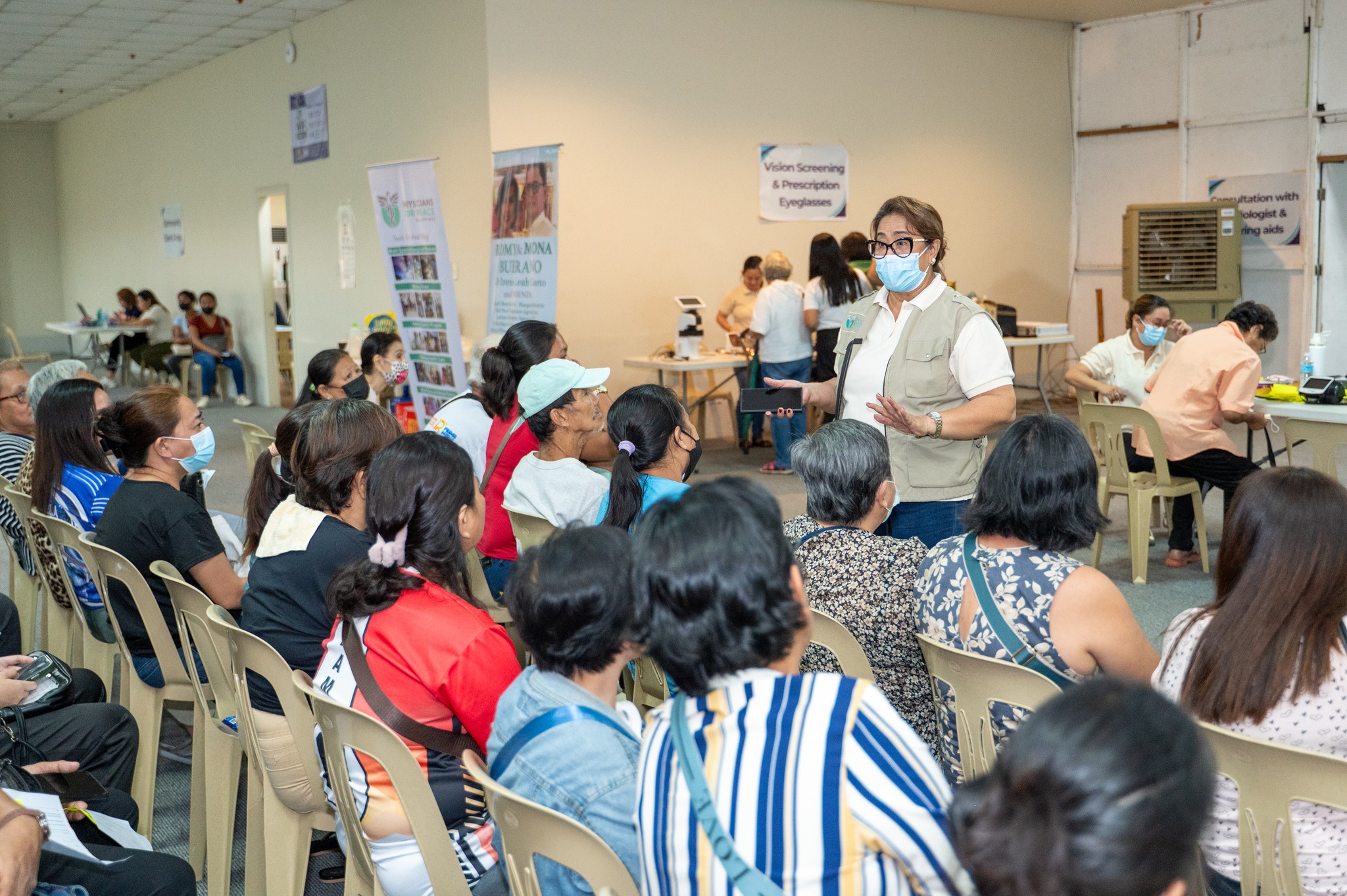
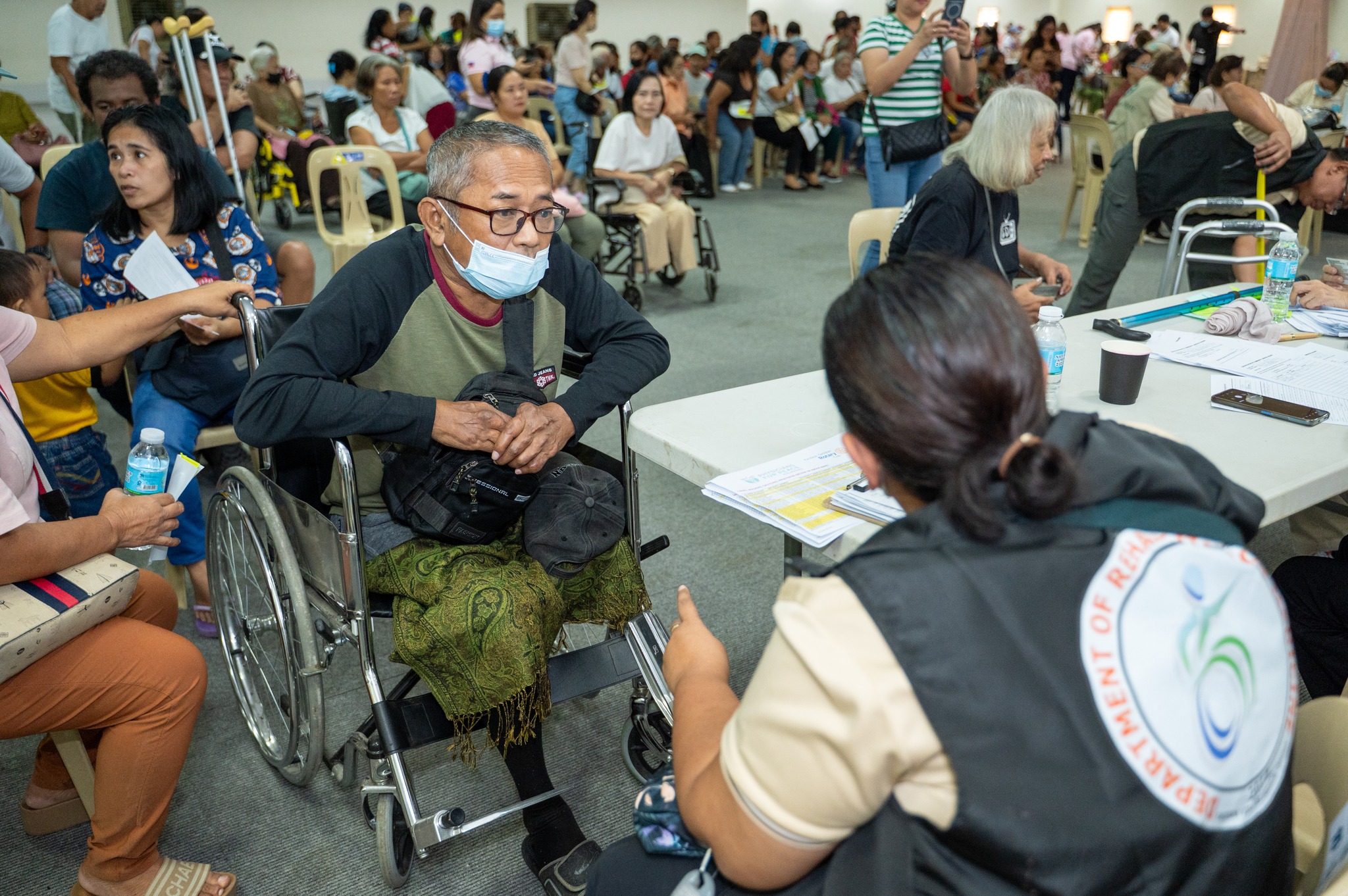
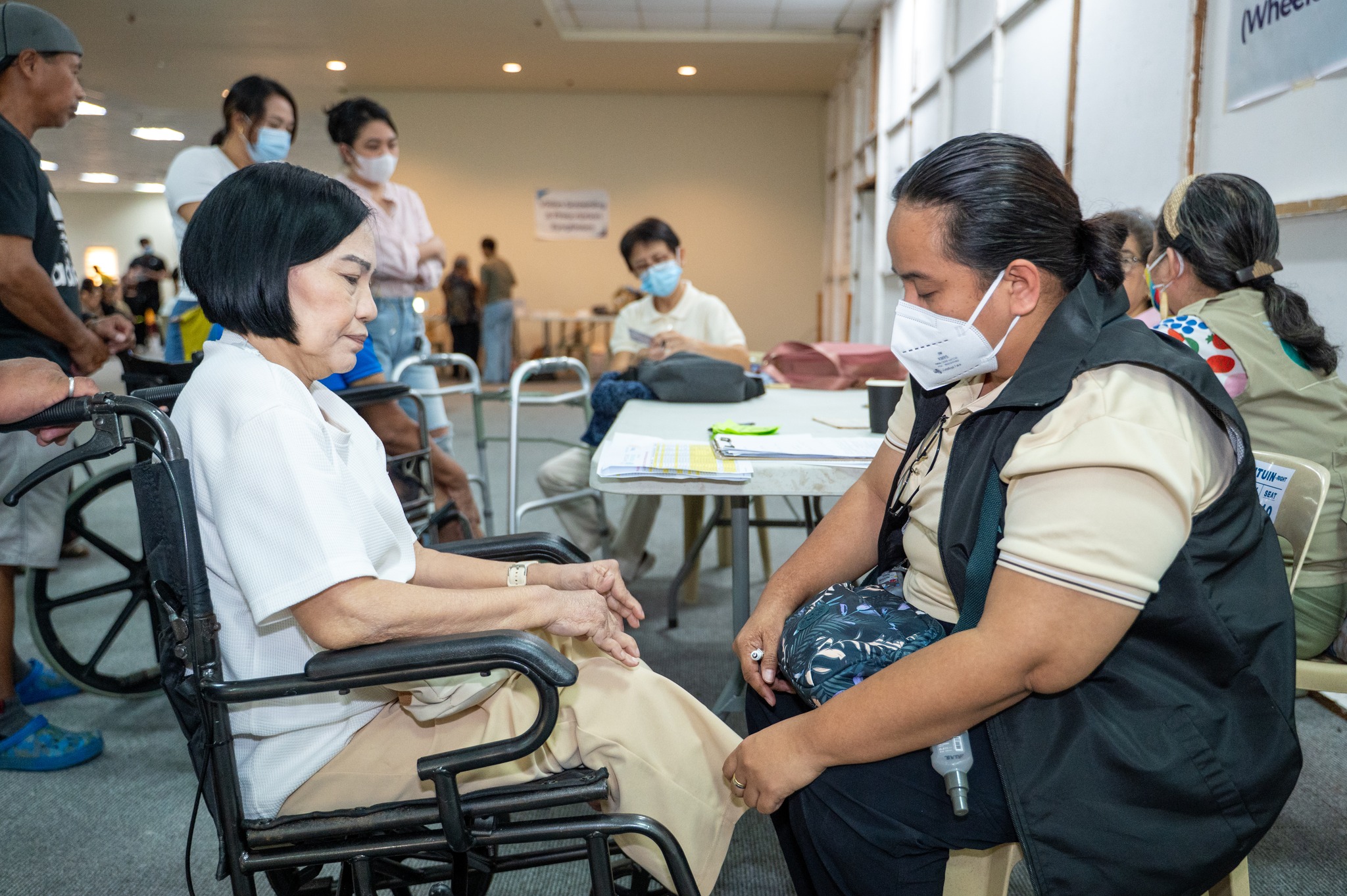
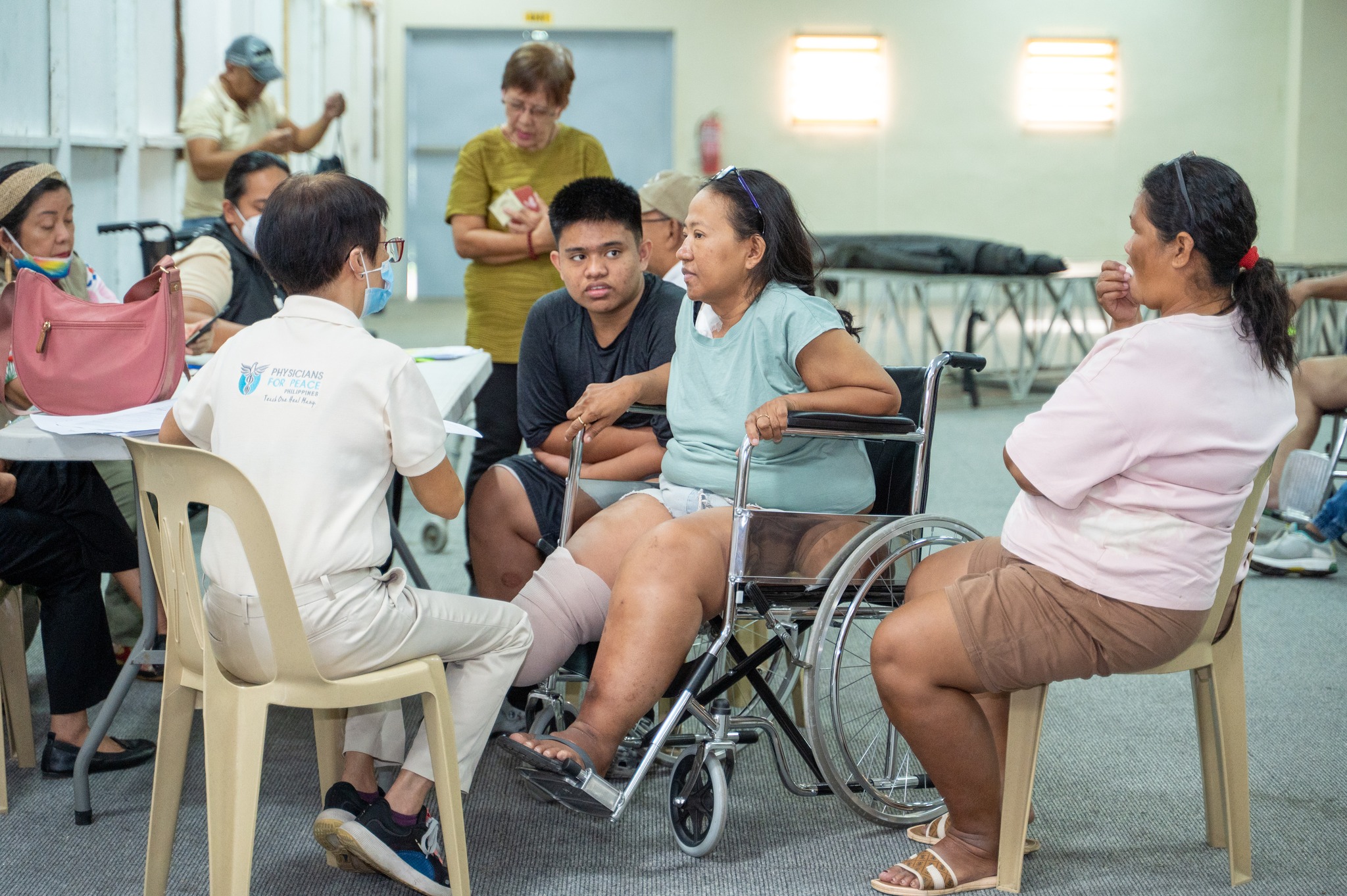
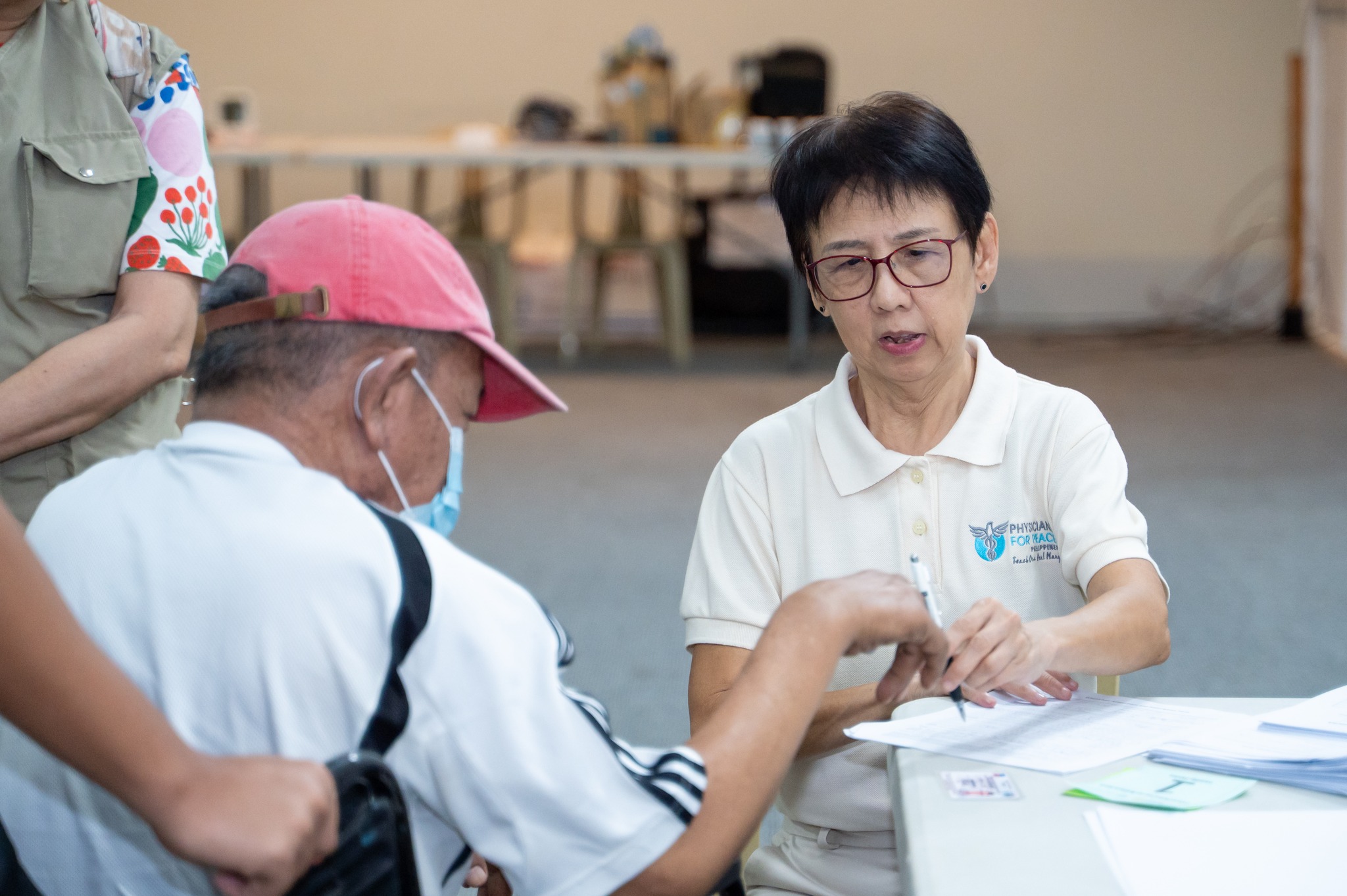
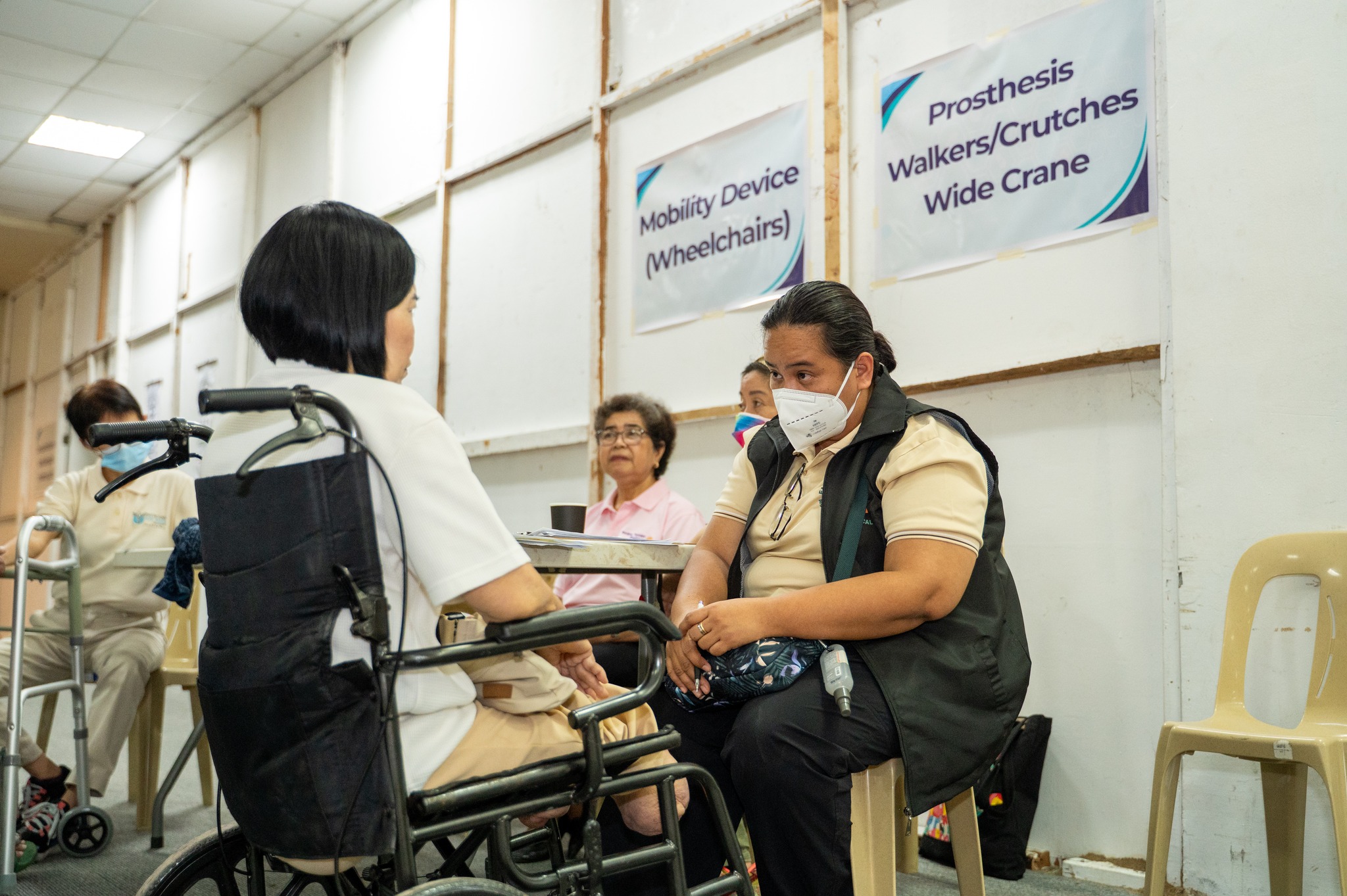
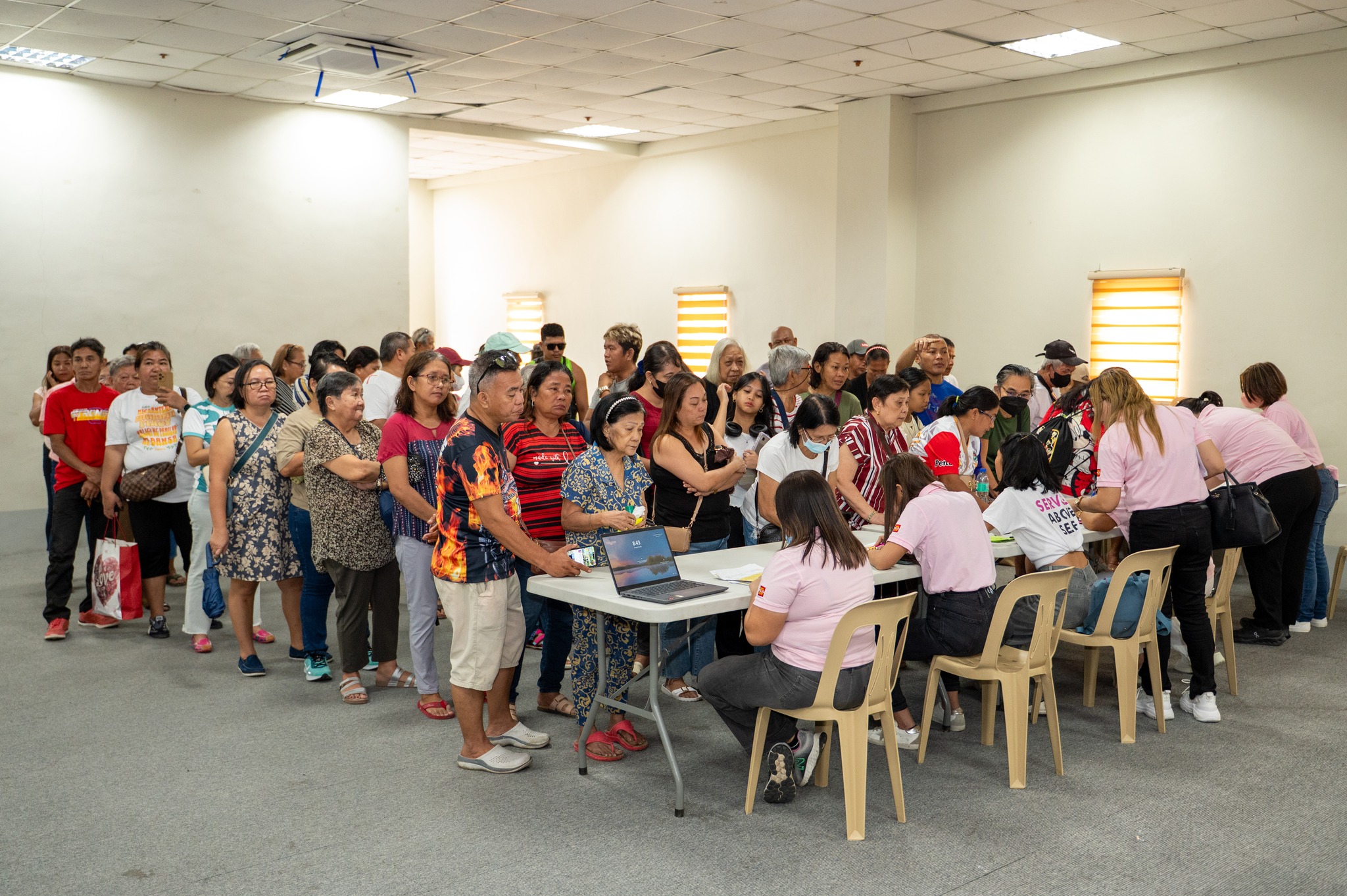
For one full Sunday, the school became the city’s largest temporary outpatient clinic. Outside, families took shelter under trees and makeshift tents while volunteers moved from group to group, explaining the flow of services and checking who needed to go where first. Inside, classrooms were labeled not by grade level but by need: Mobility, Vision Care, Hearing Healthcare, Women’s Health, Community X‑ray.
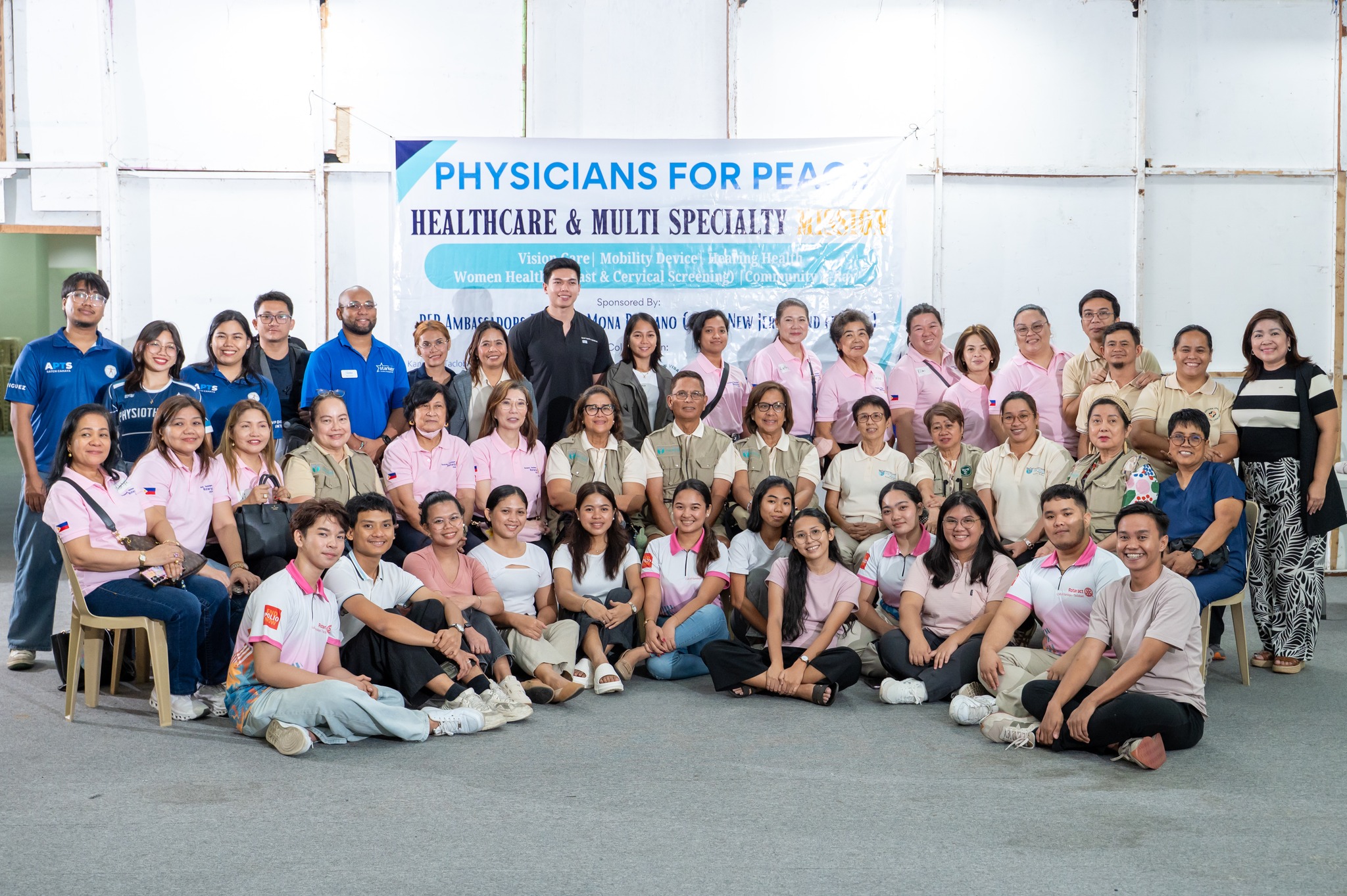
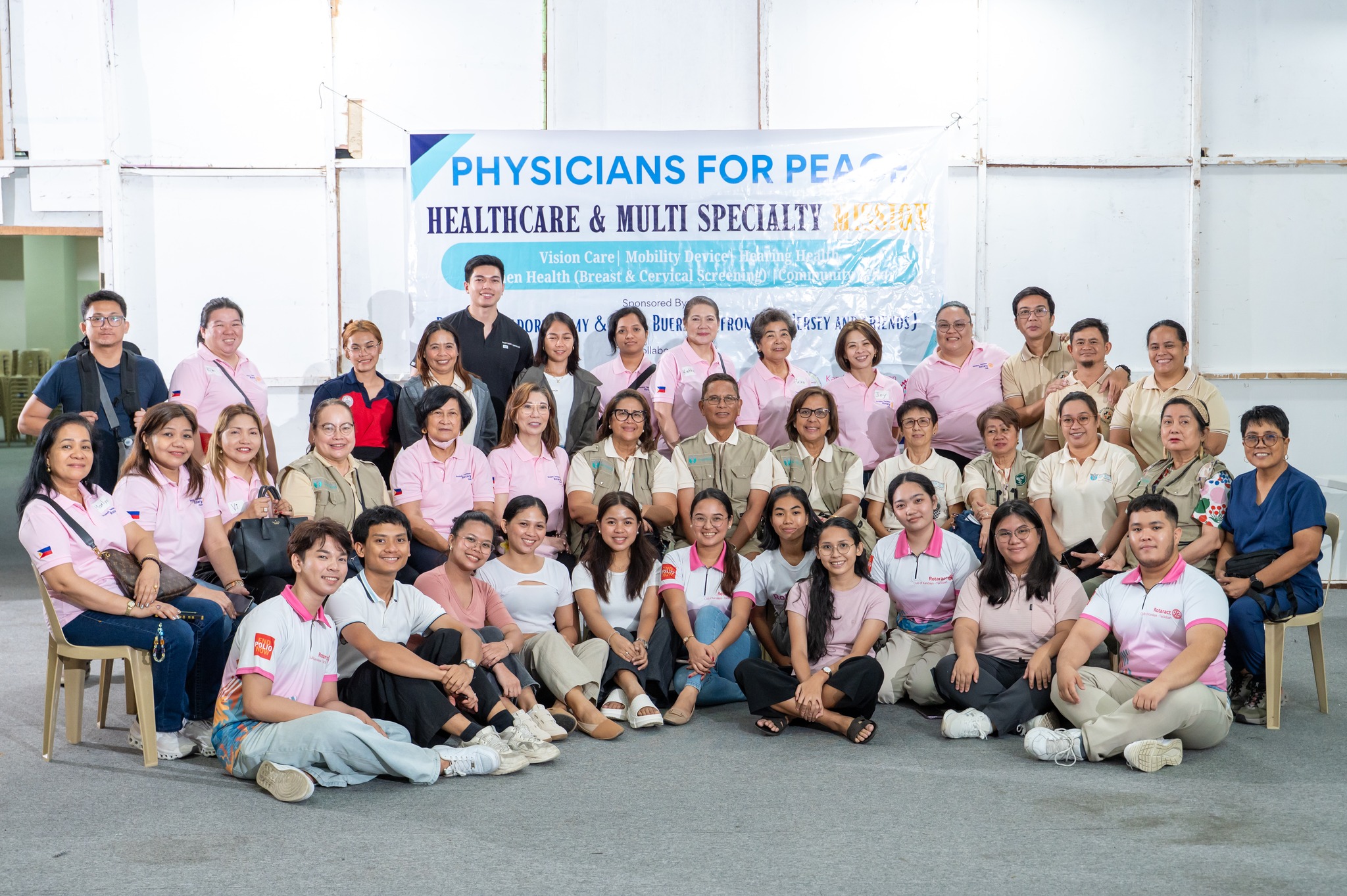
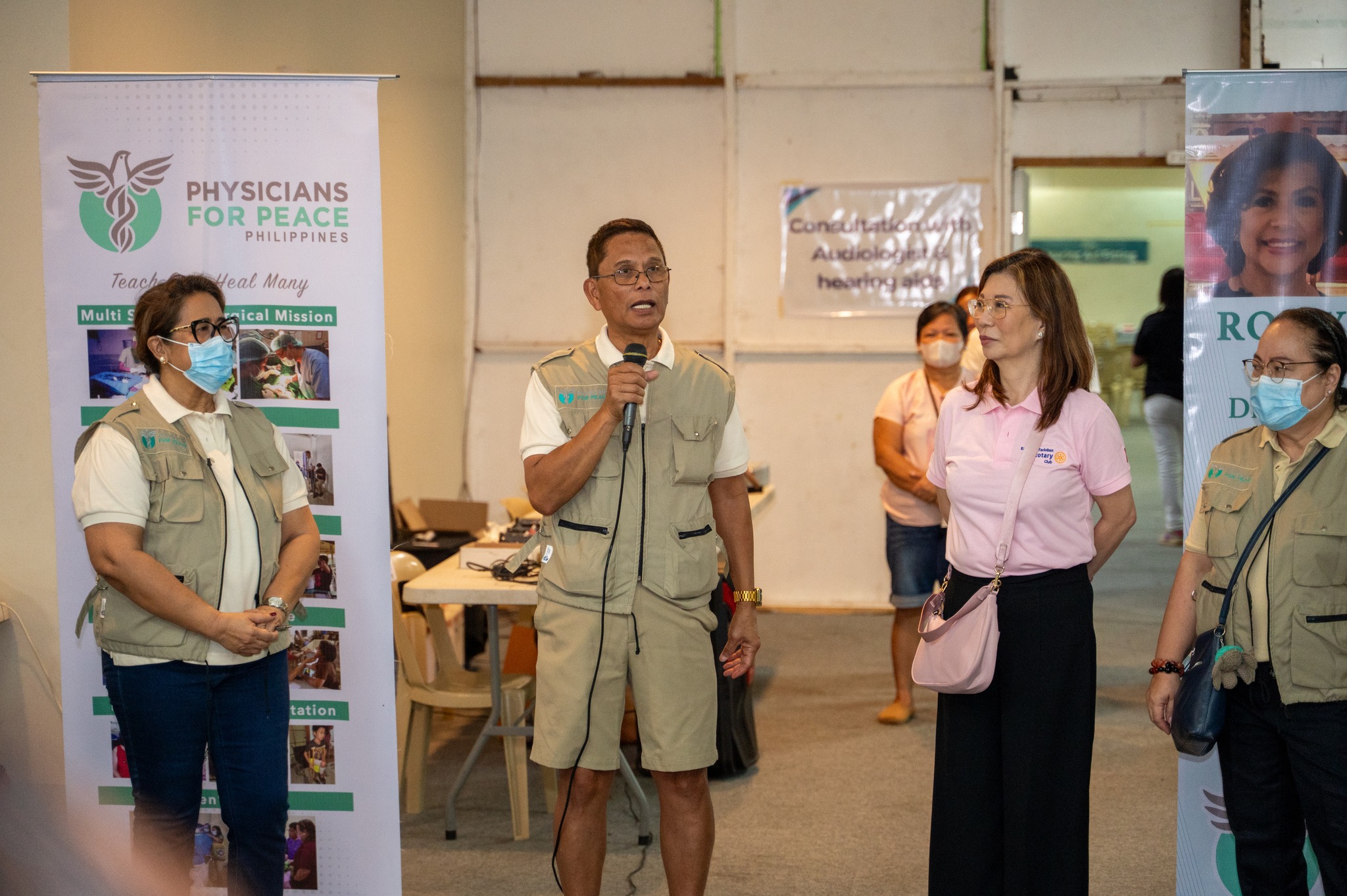
It was the Ormoc leg of the Physicians for Peace Philippines (PFPP) healthcare and multi‑specialty mission—second stop of the “one trip, two sites” effort in Leyte.
The rhythm of the day felt familiar to anyone who has ever lined up at a public health center, but the atmosphere was different. There was more time for listening. Everyone was allowed in regardless of whether they had cash available. The communication resonated throughout the entire campus: on this particular day, health was the invited guest, not an exclusive privilege.
Mobility, Vision, Hearing, and Women’s Health Under One Roof
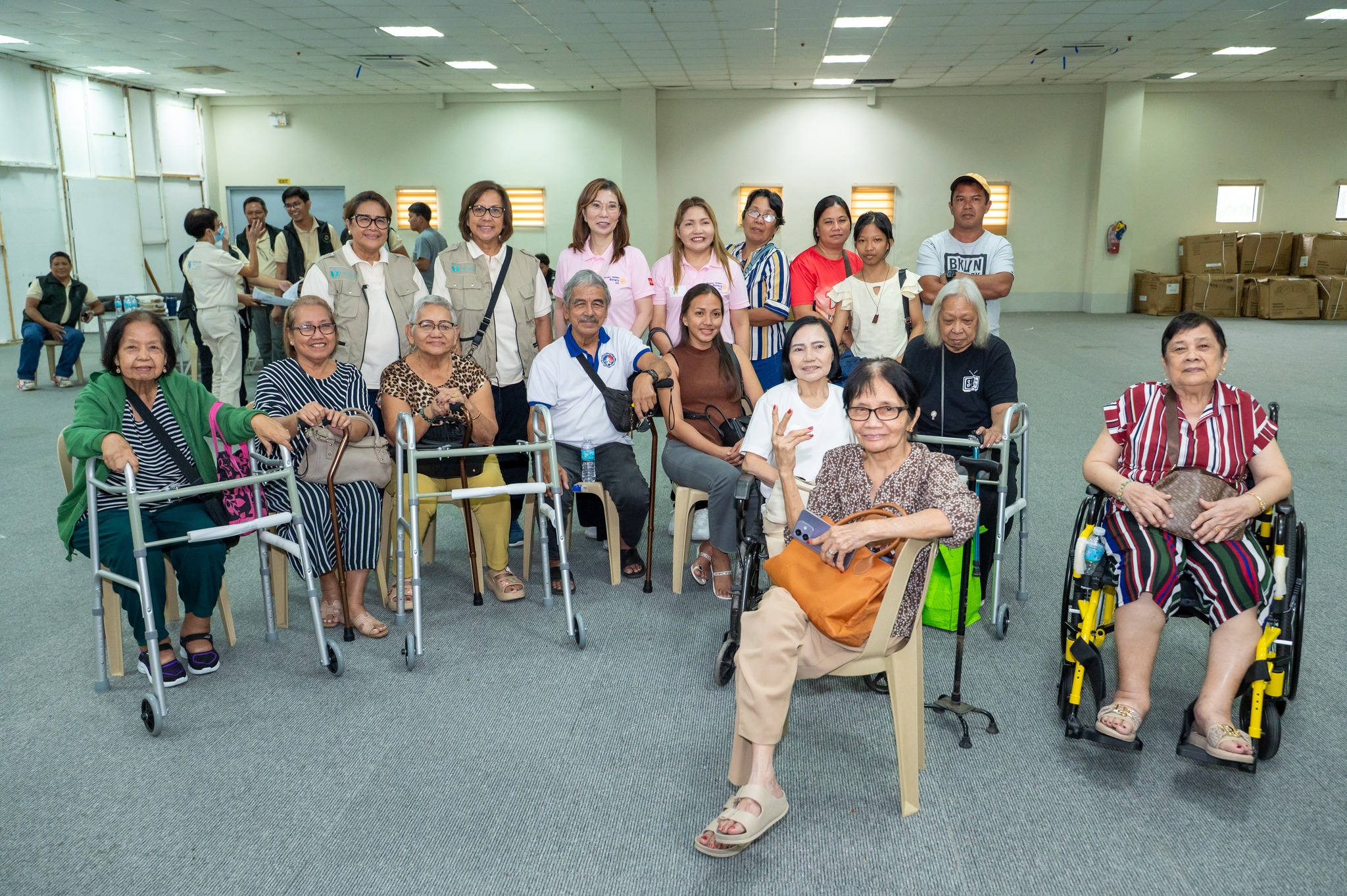
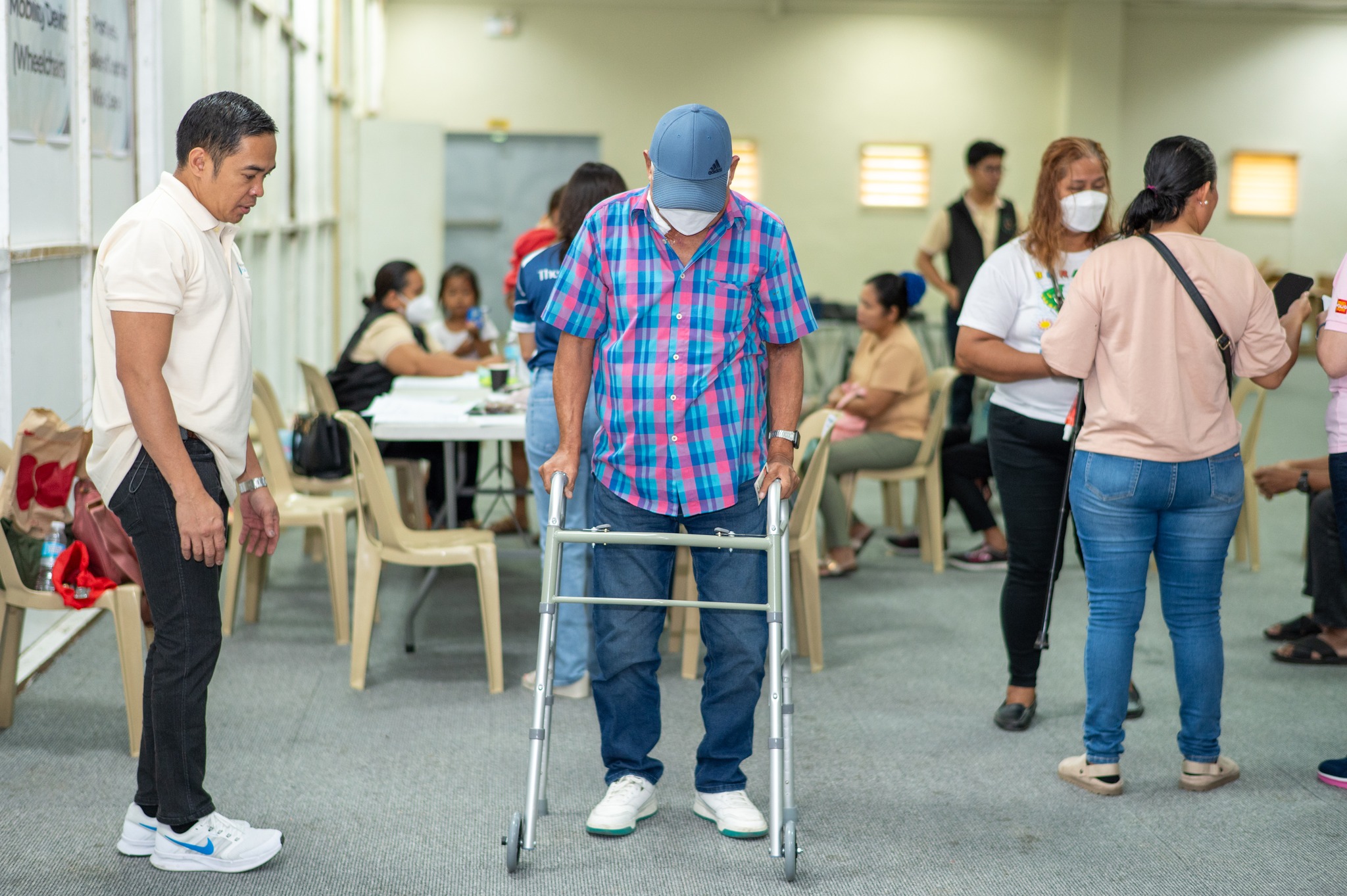
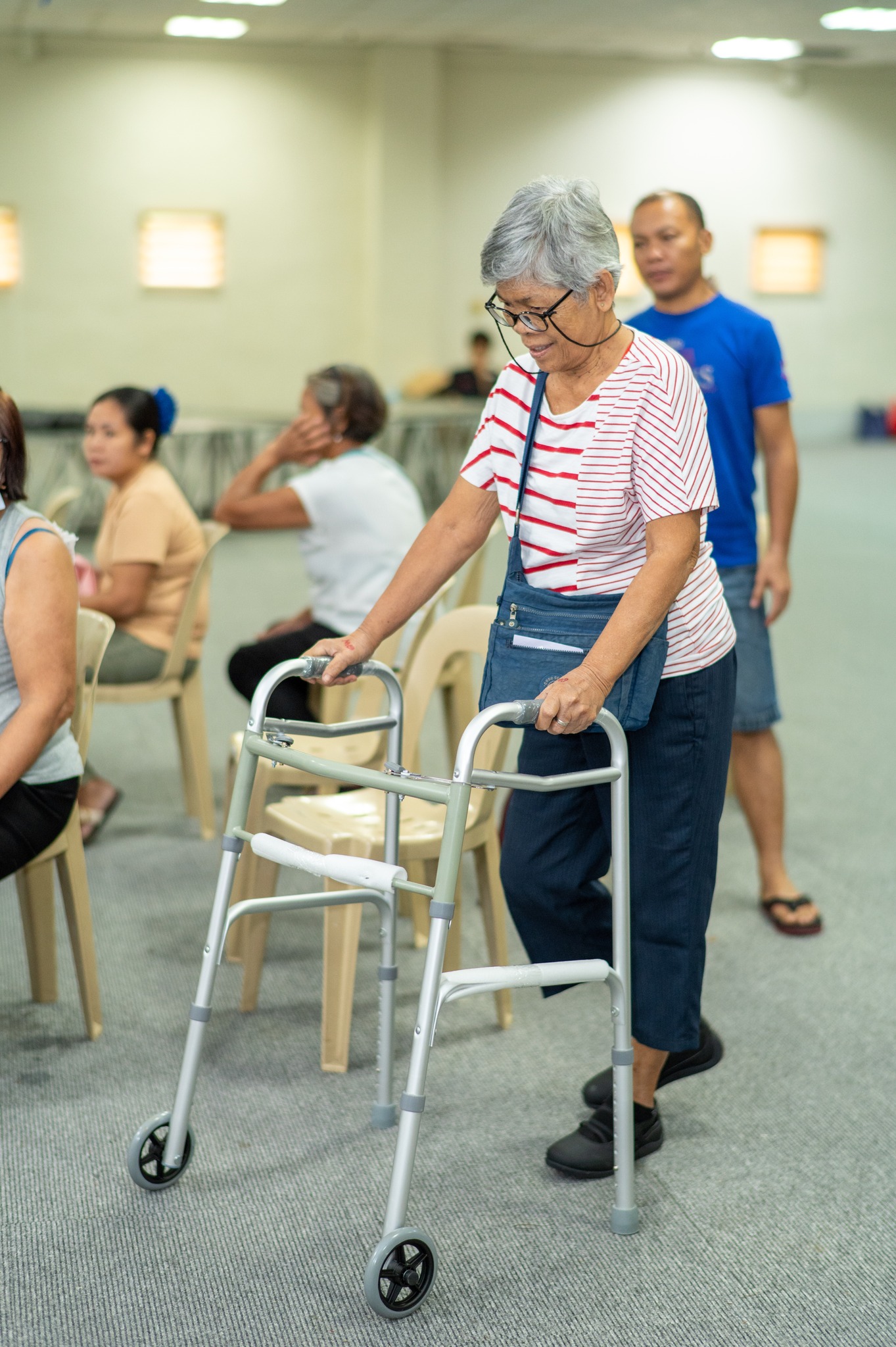
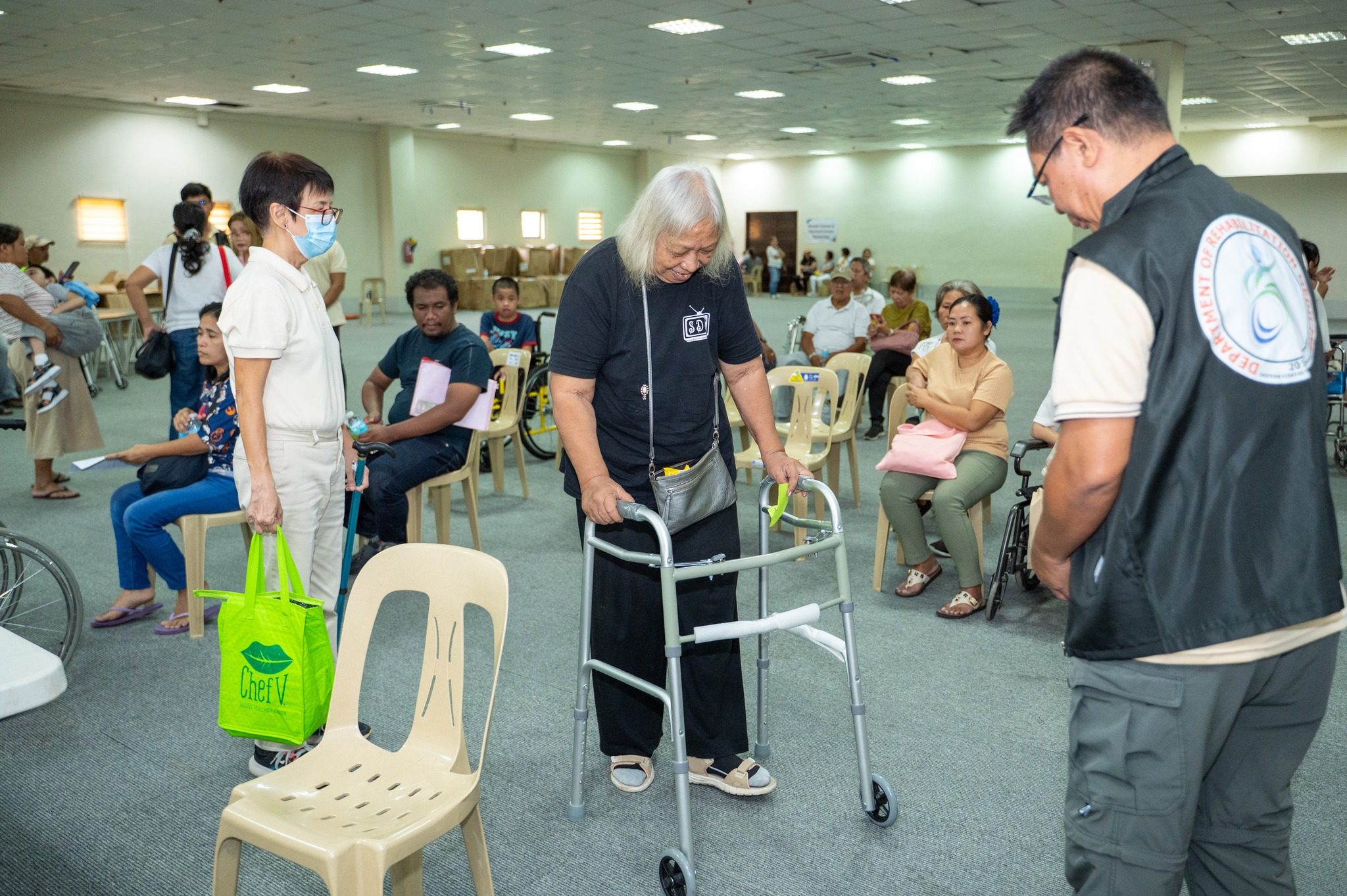
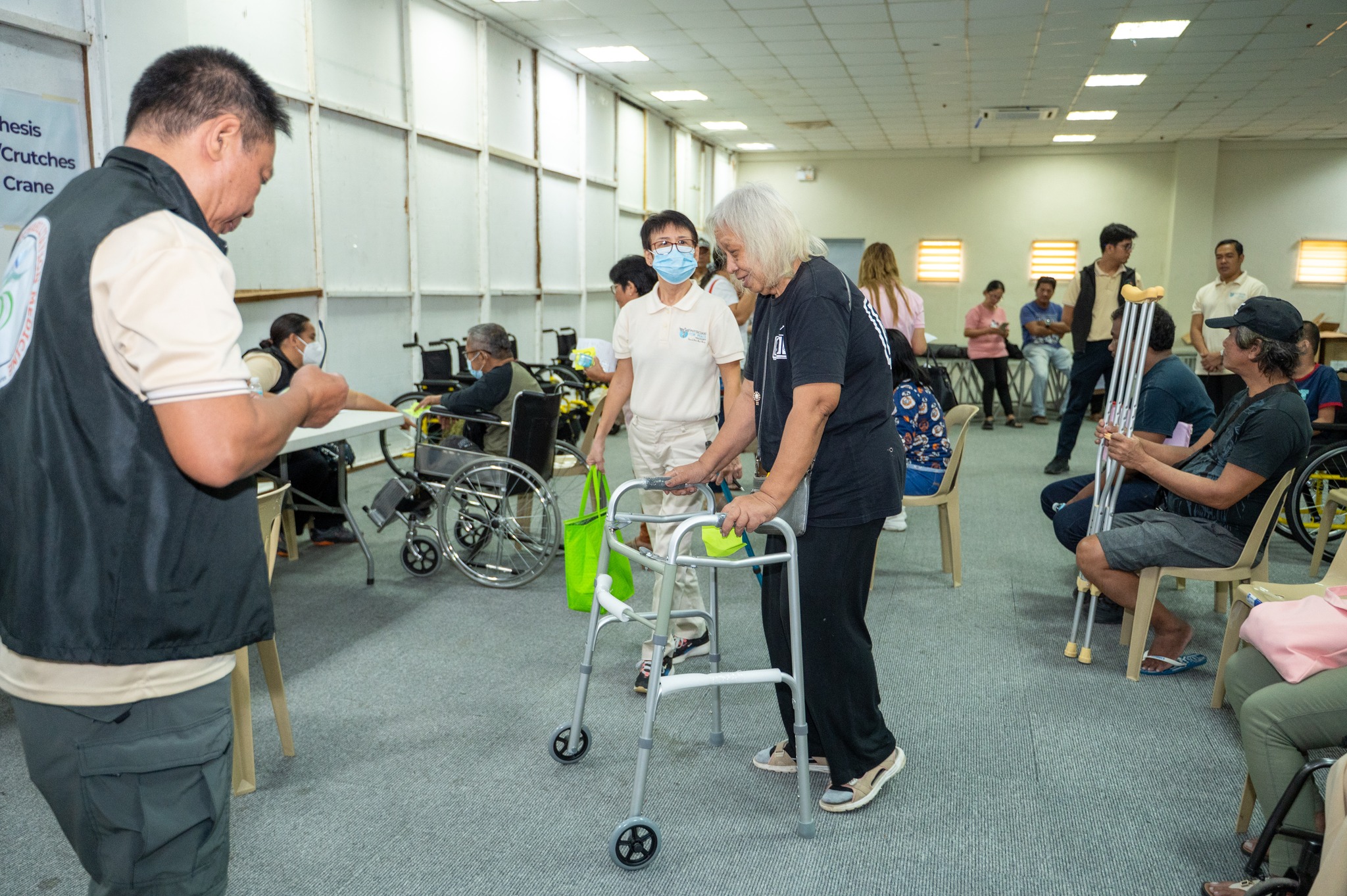
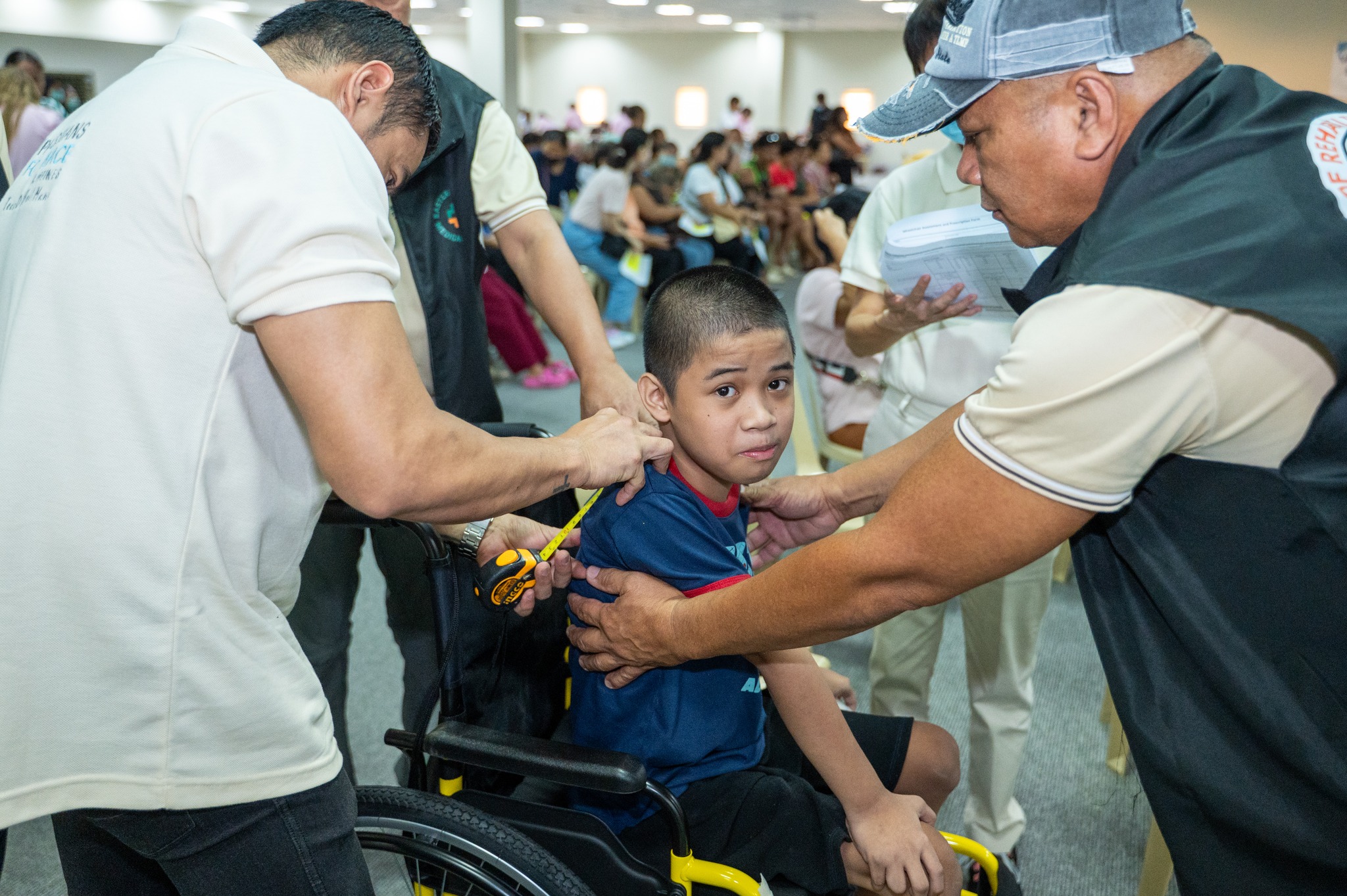
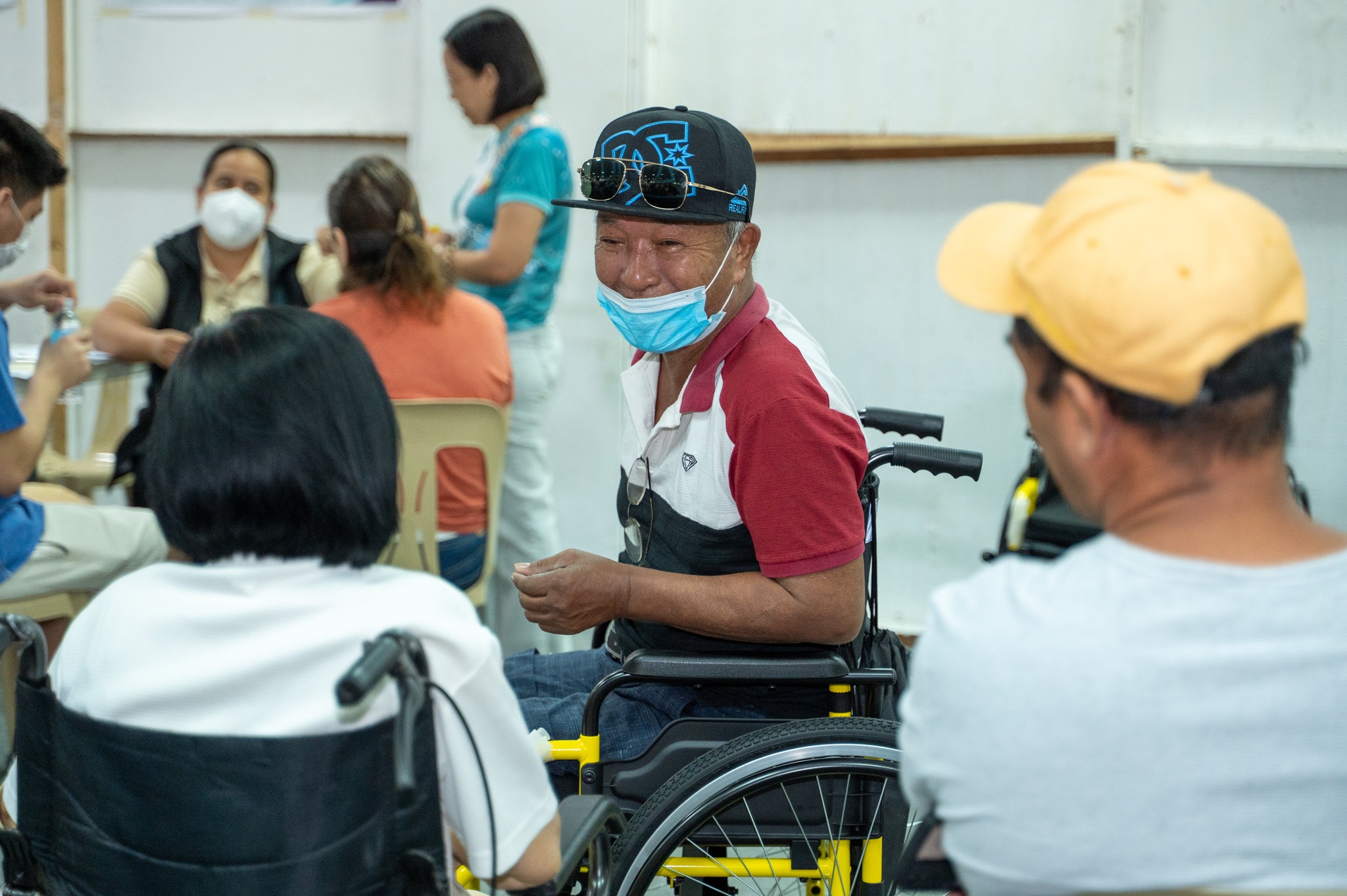
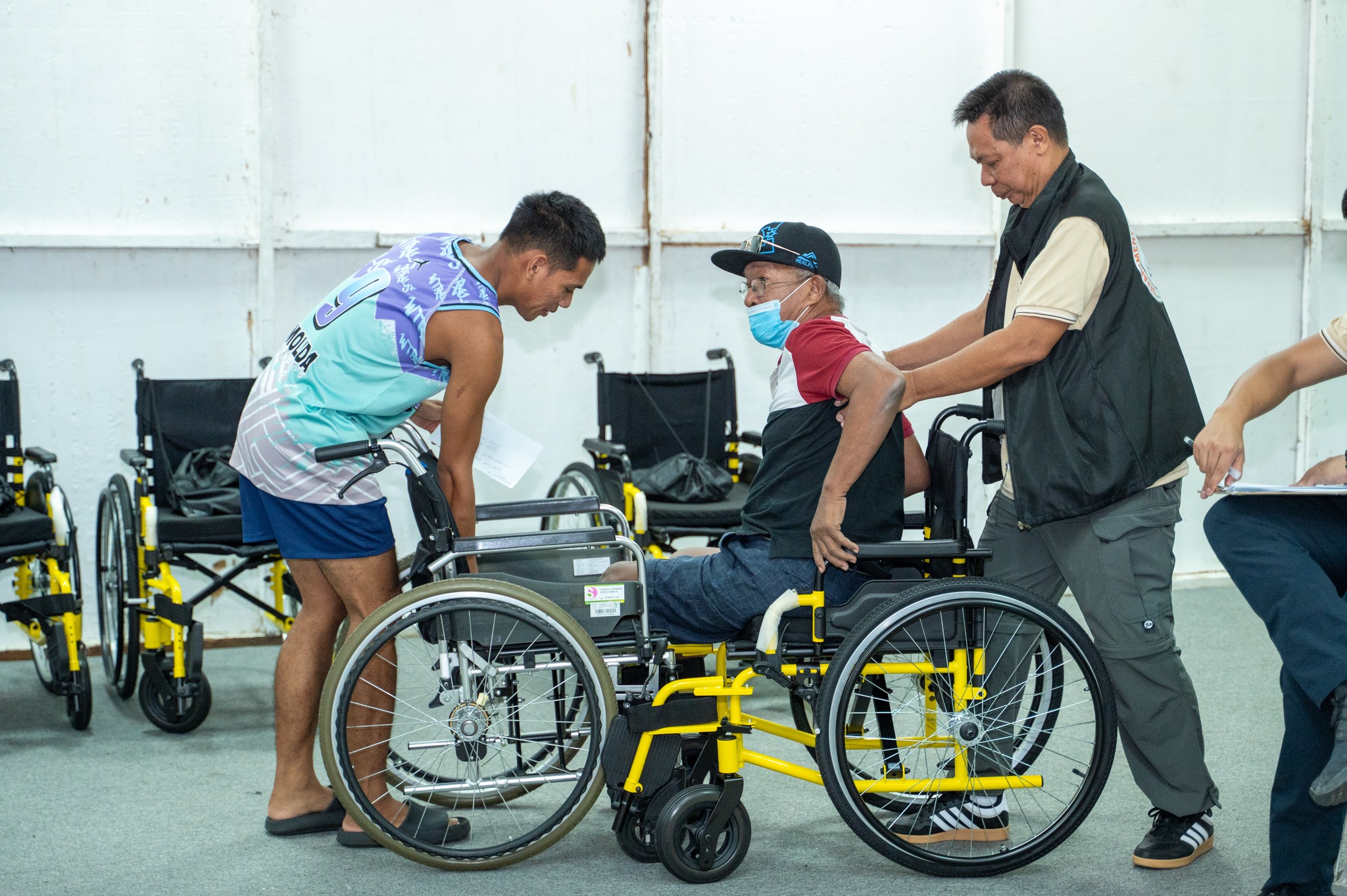
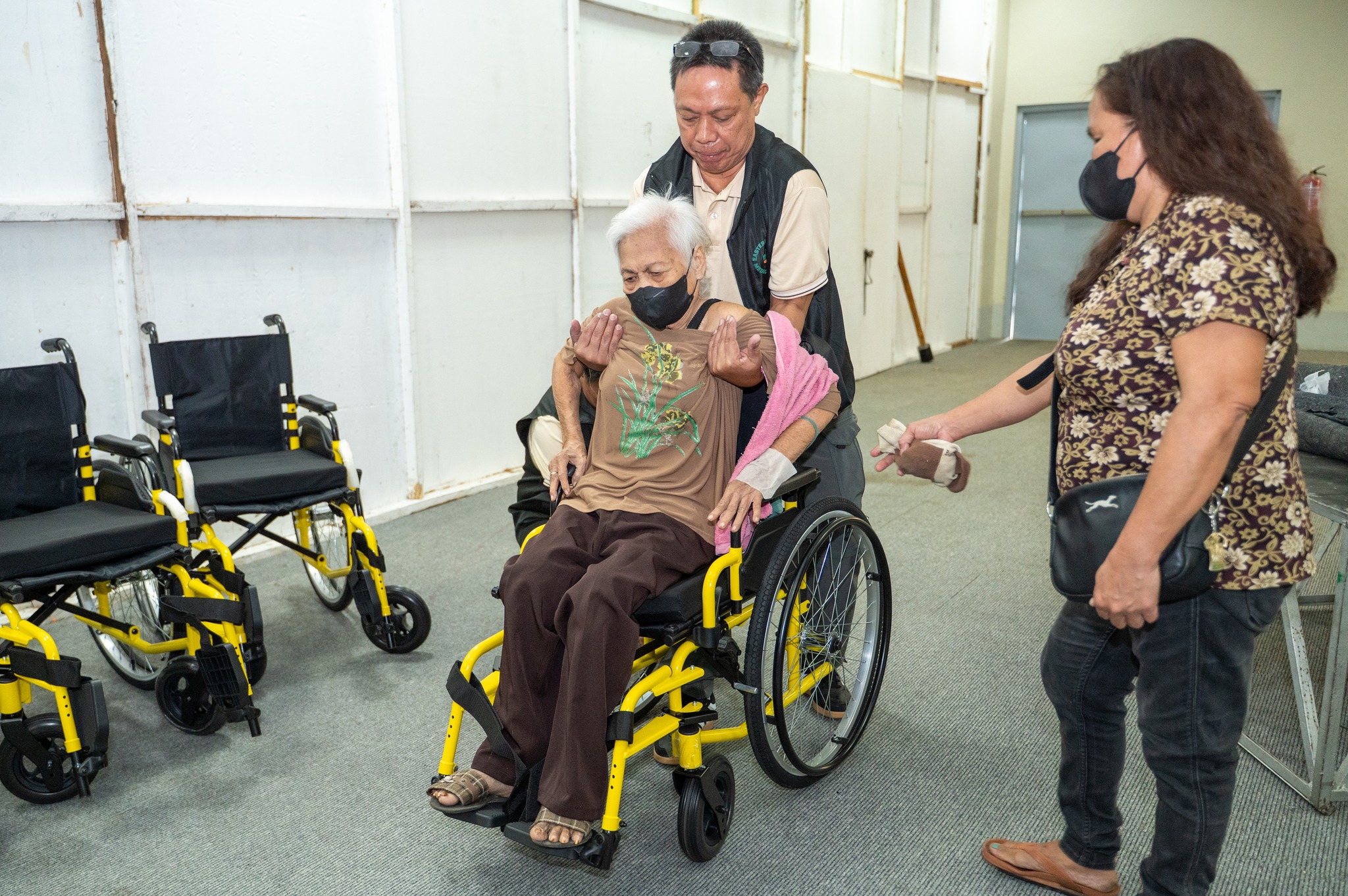
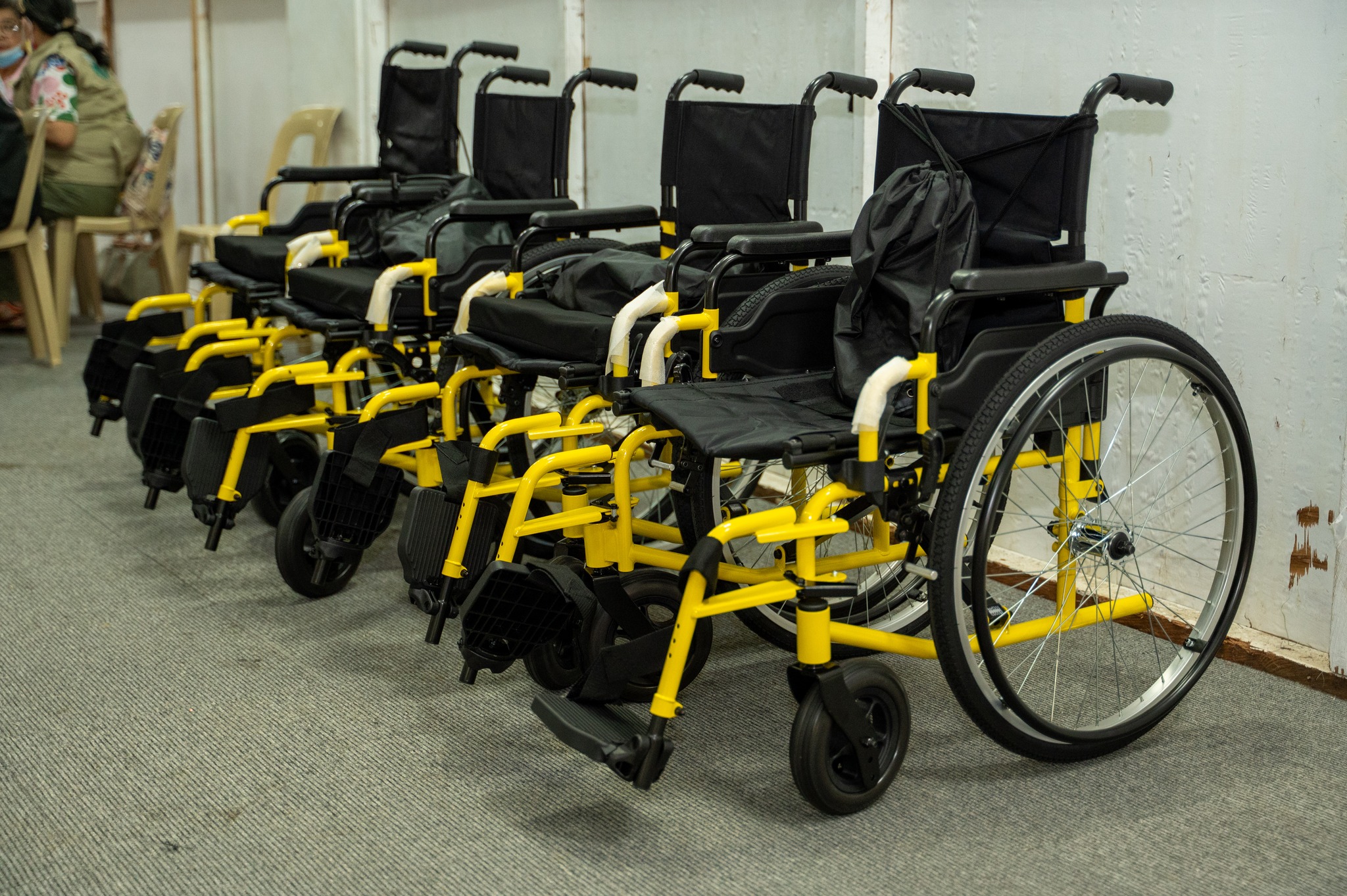
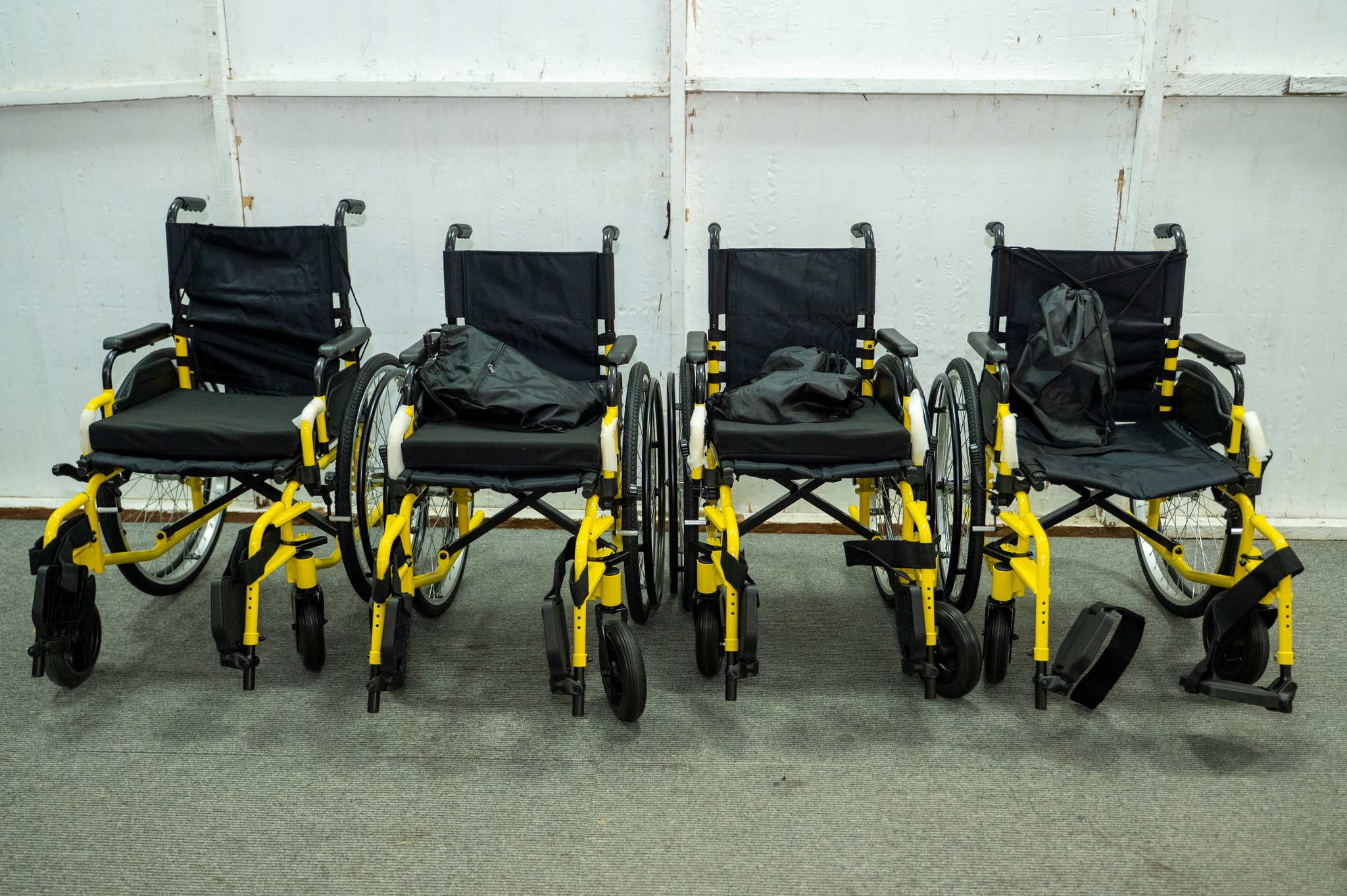
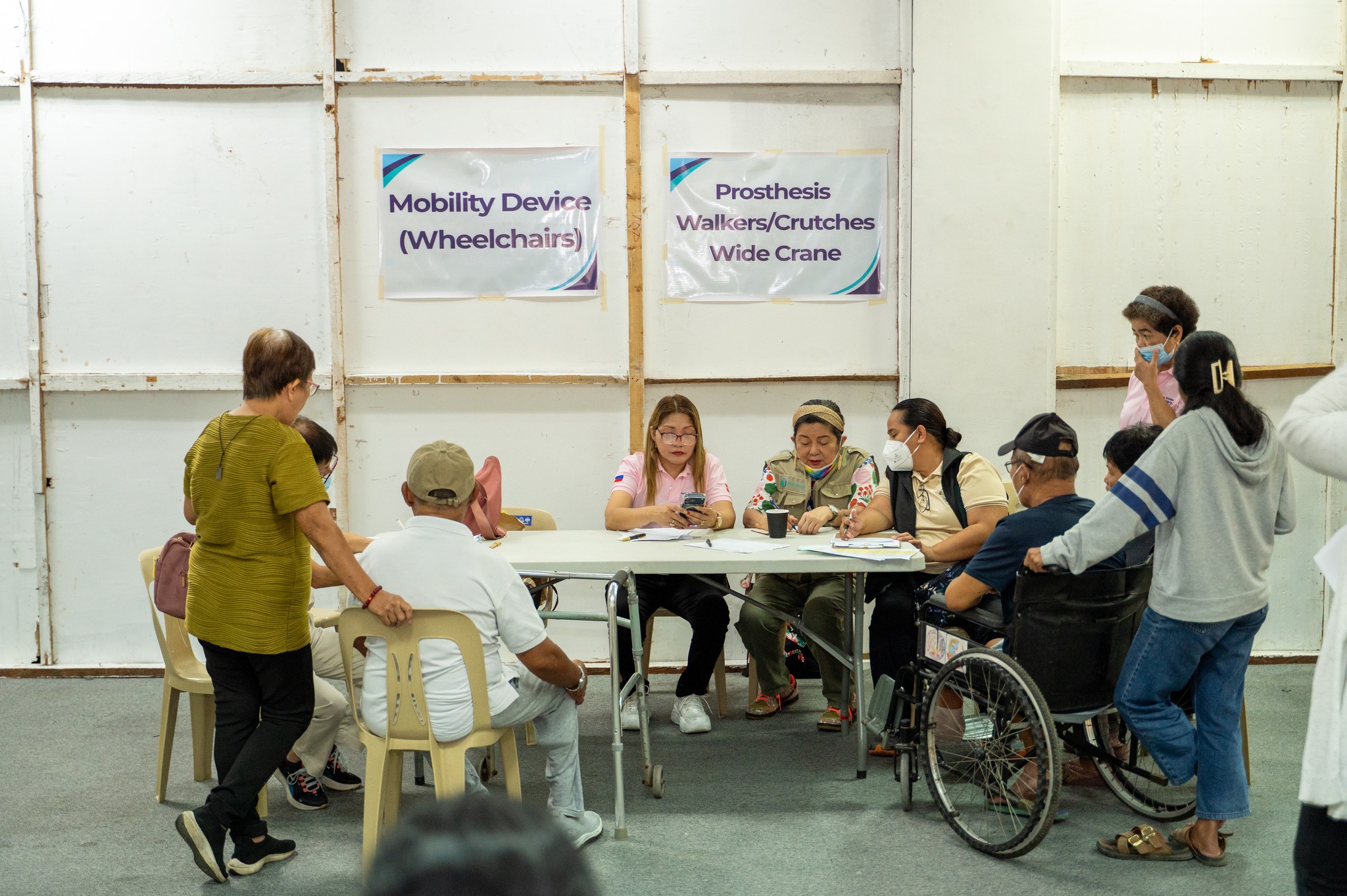
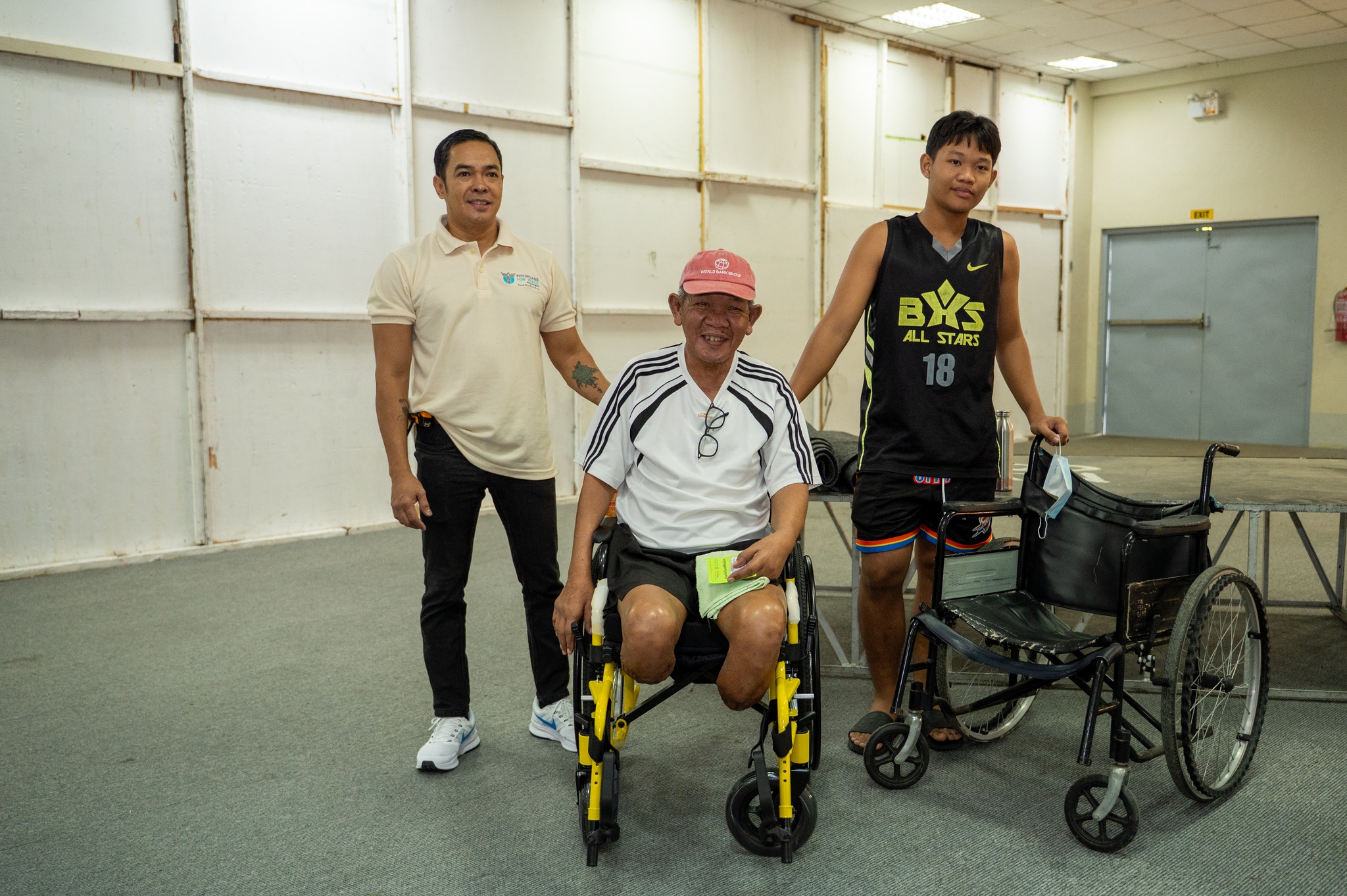
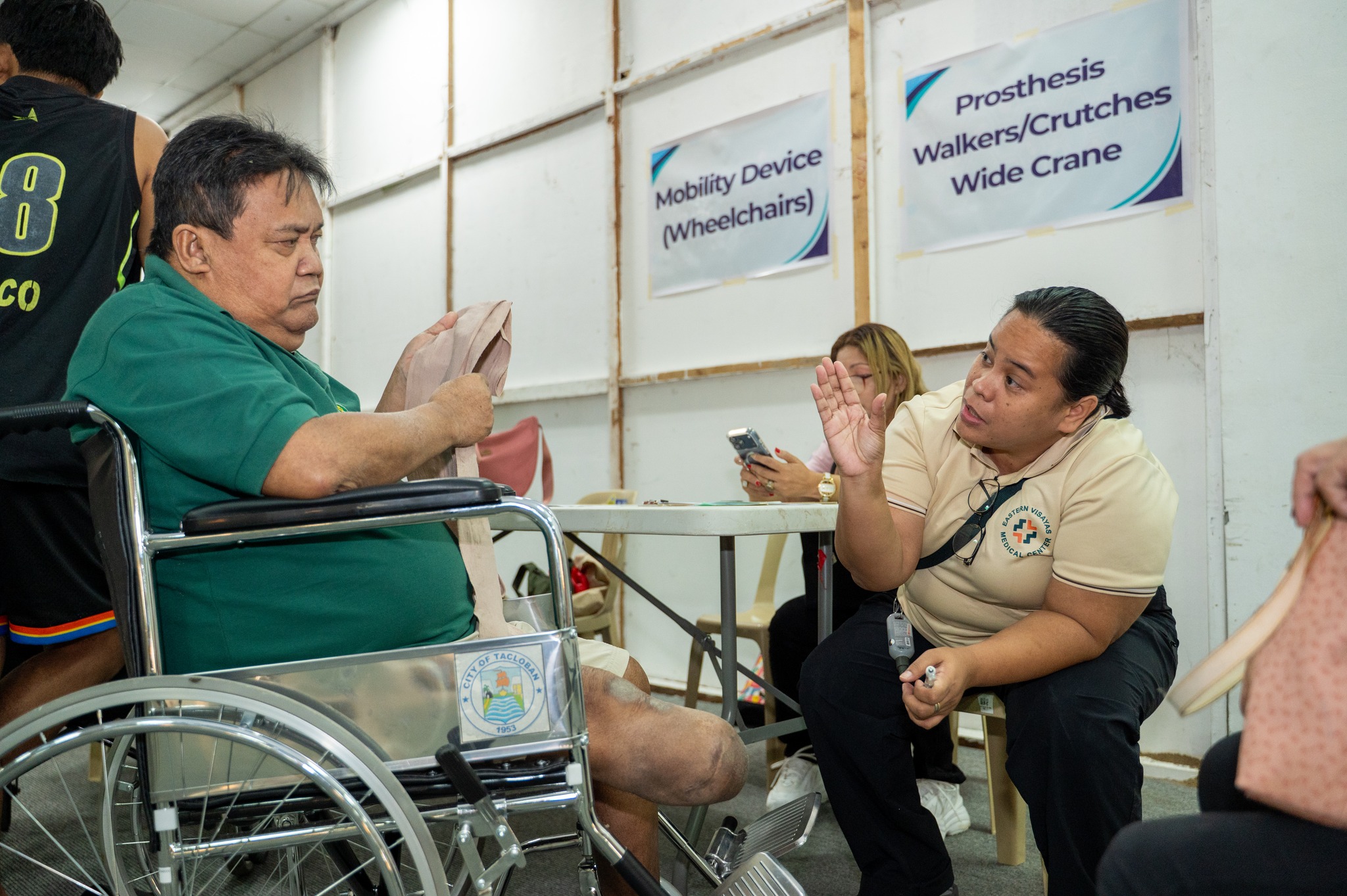
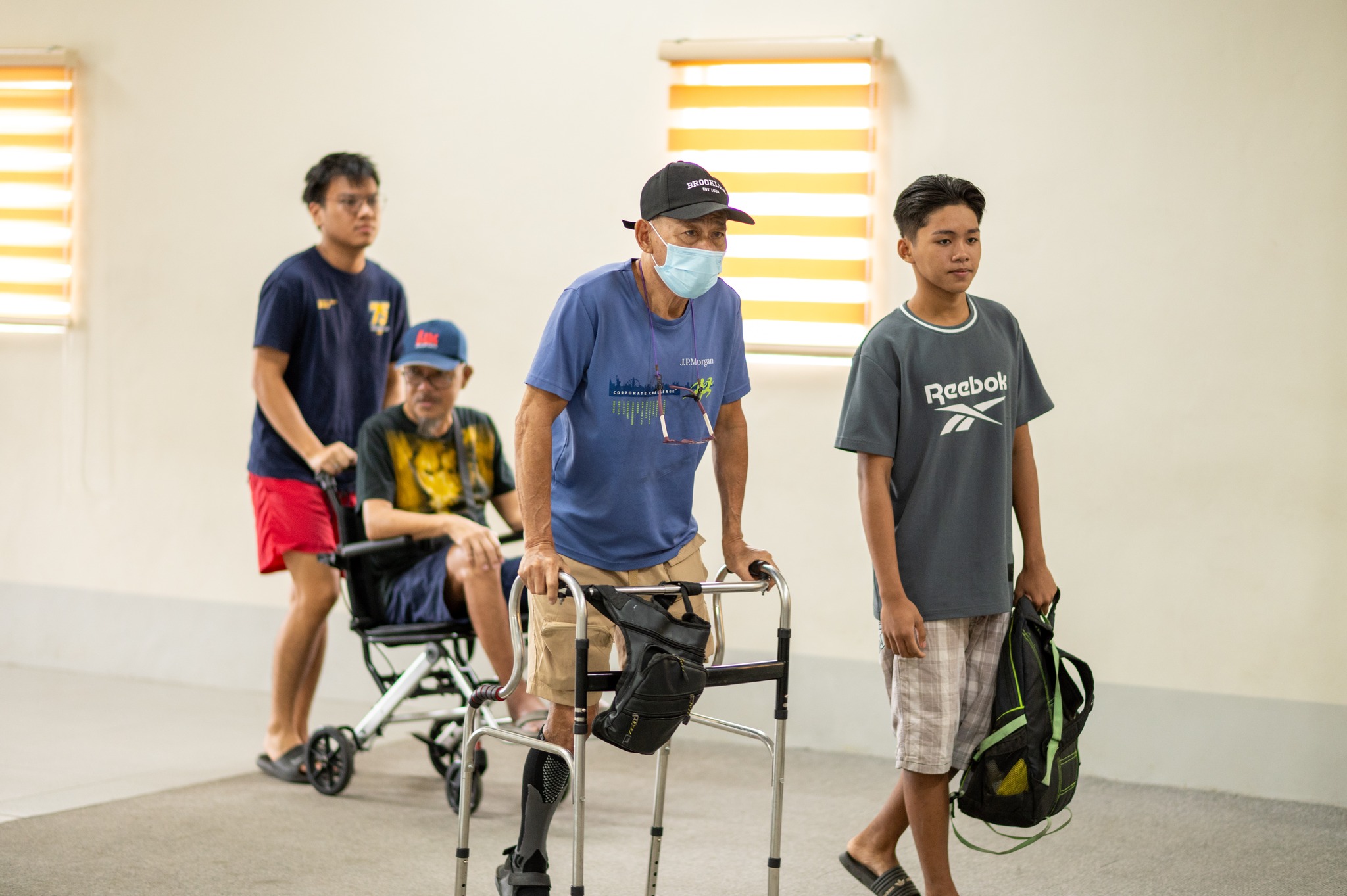
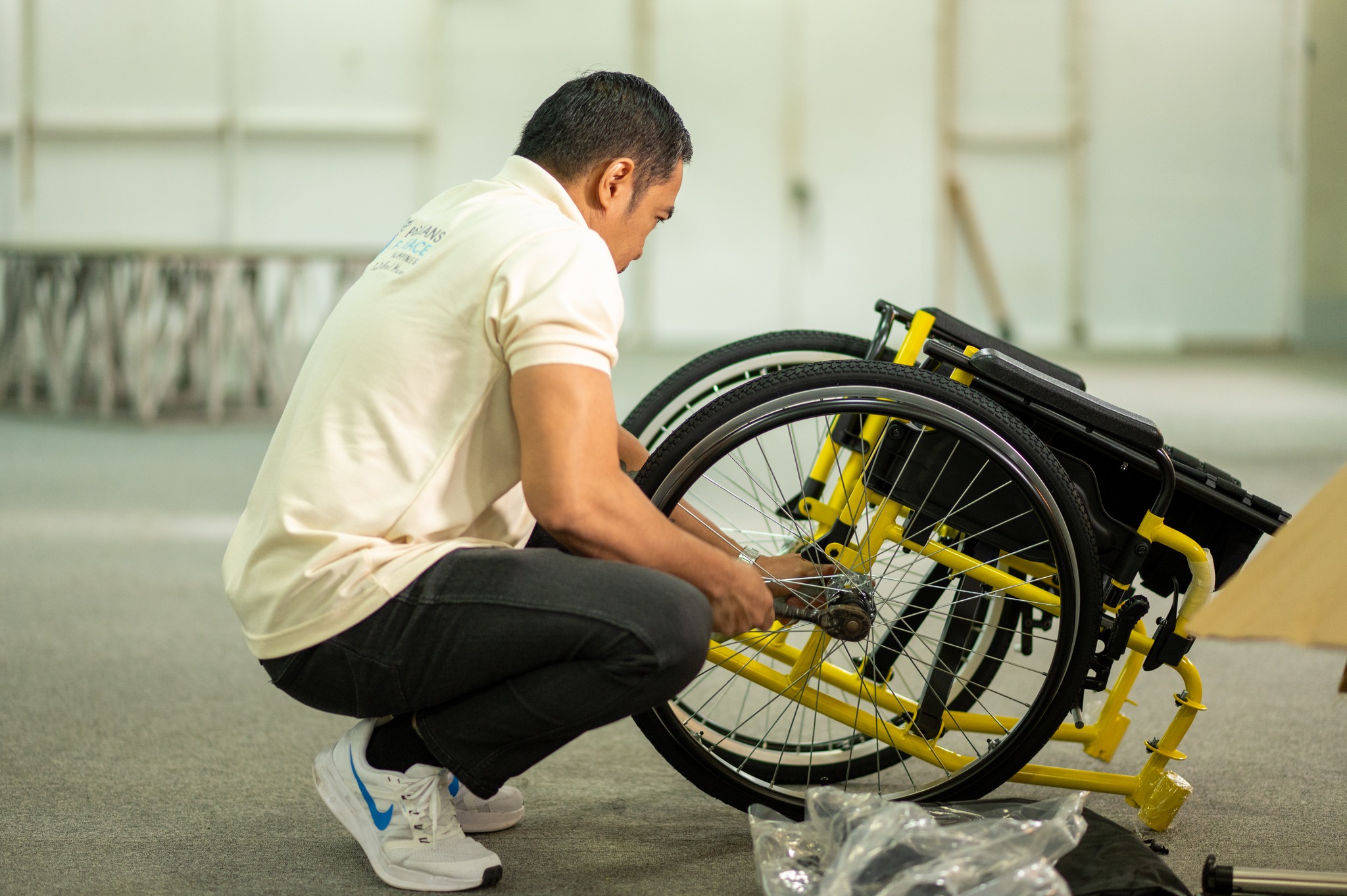
In one section, PFPP’s mobility team evaluated individuals who had discreetly adapted their lives to accommodate absent limbs, frail joints, or ill-fitting aids. Assessments were conducted, walking patterns were evaluated, and arrangements were devised for prosthetic limbs, mobility aids, and various supportive tools to ease daily living challenges. A few patients tested new chairs in the hallway, practicing turns and stops with the timid anticipation of someone rediscovering independence.
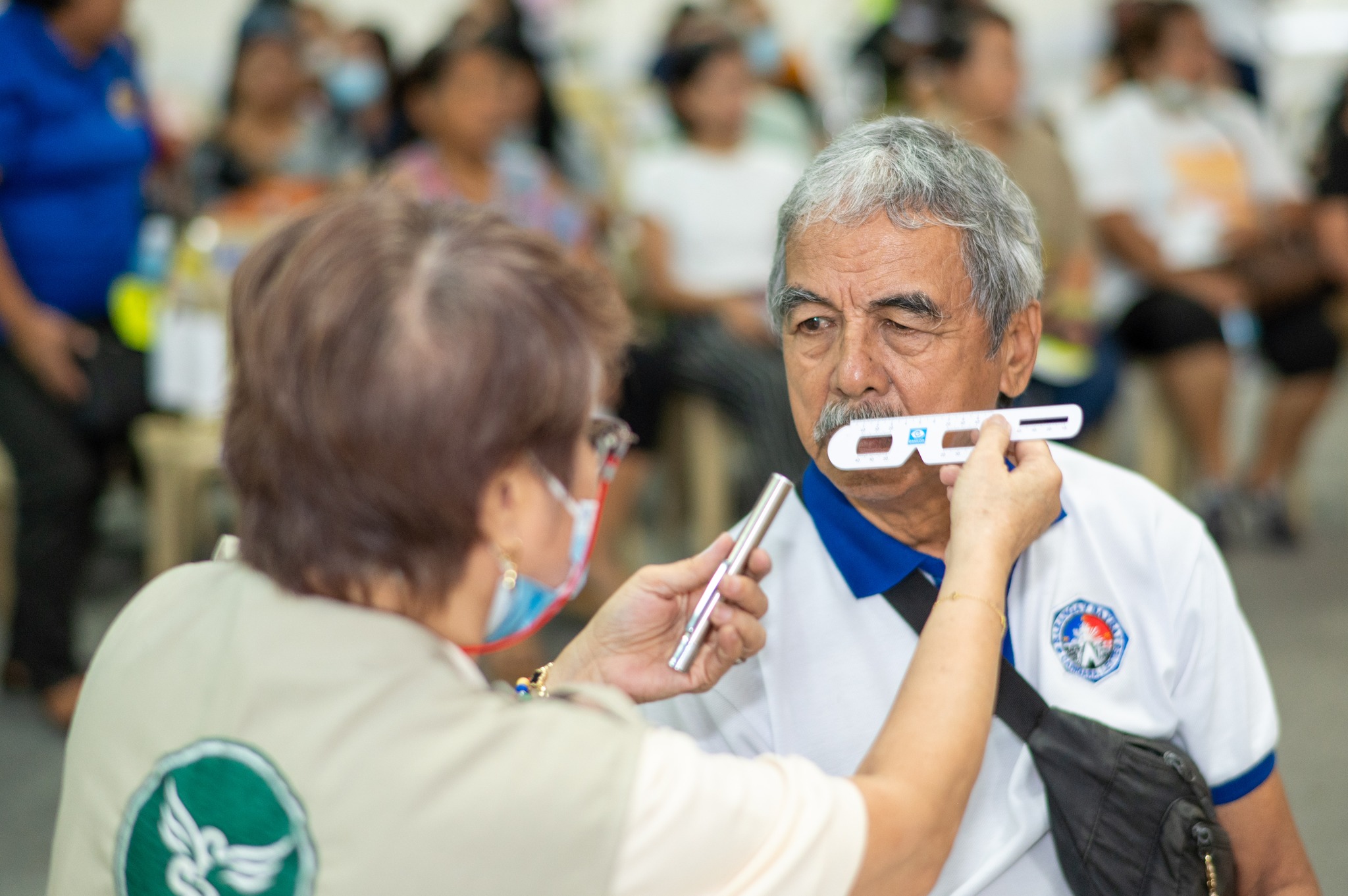
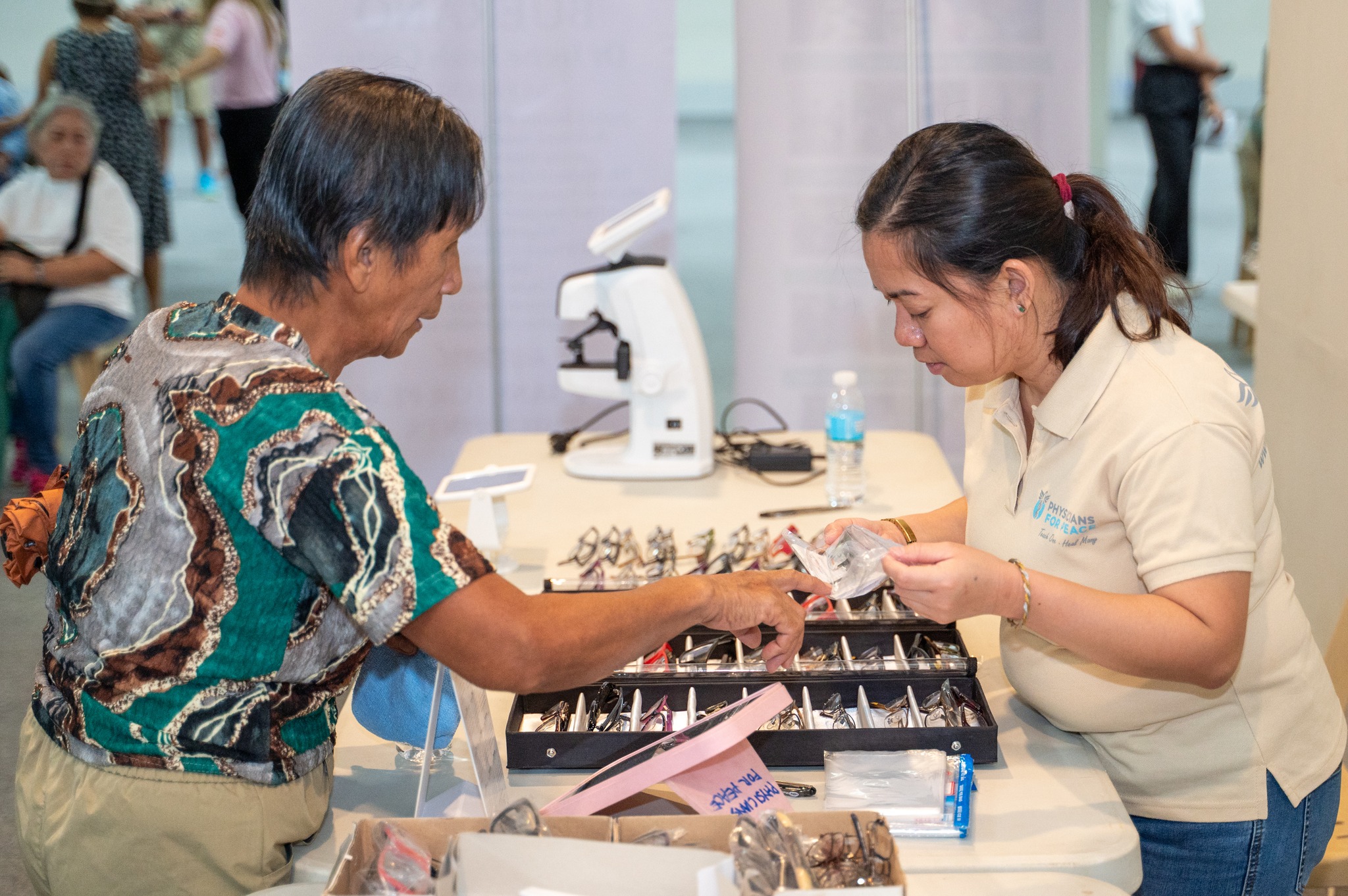
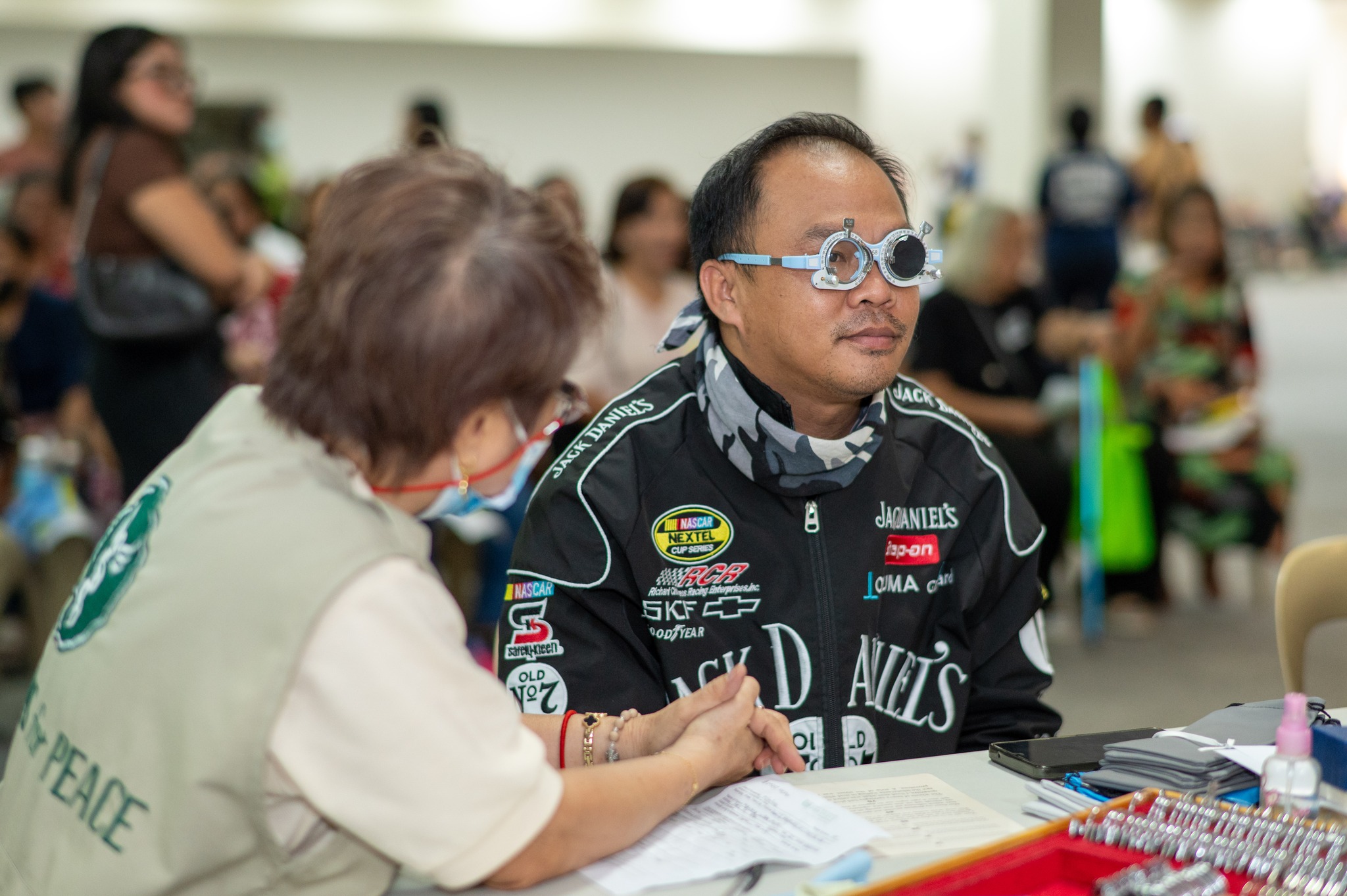
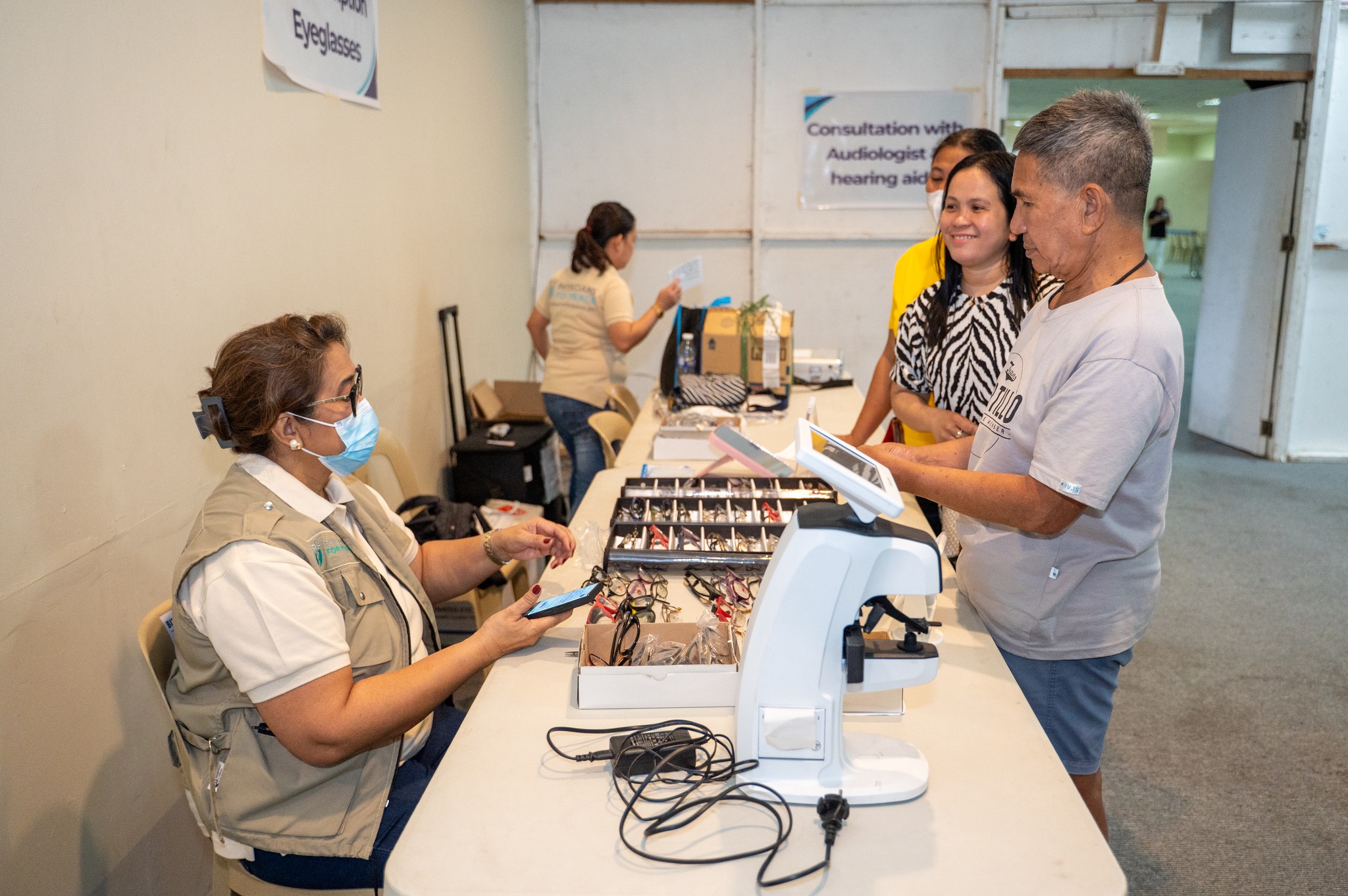
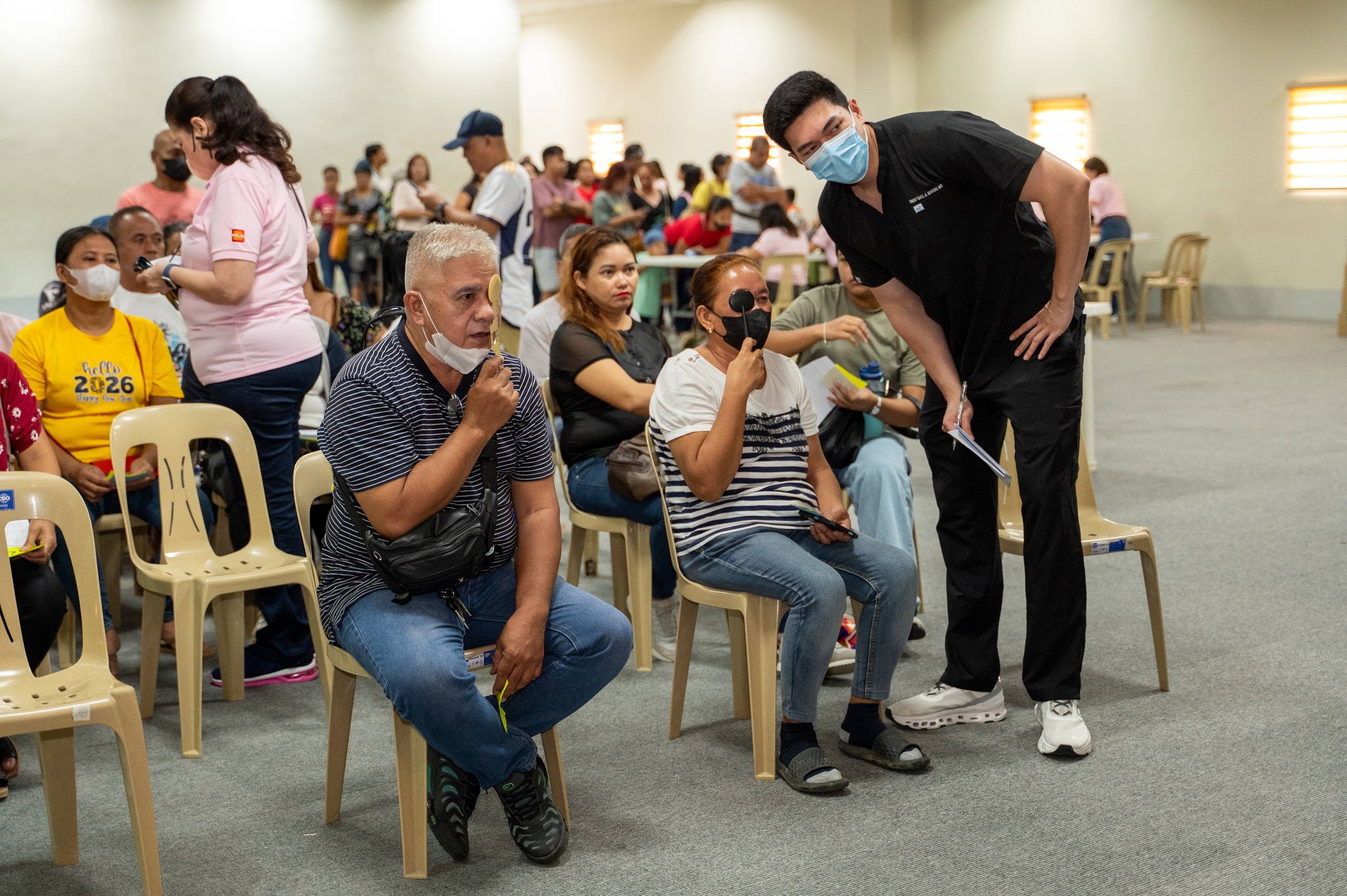
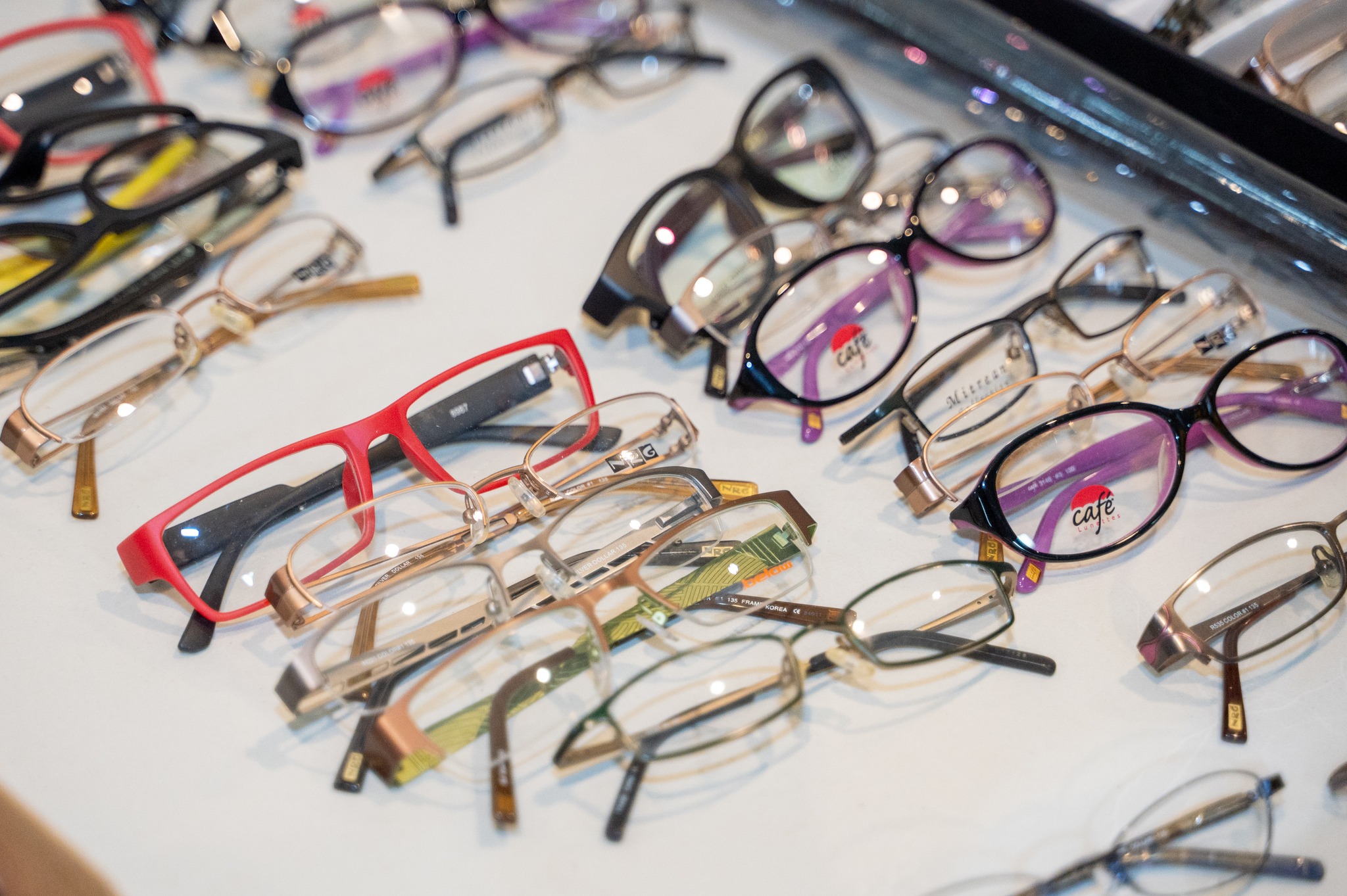
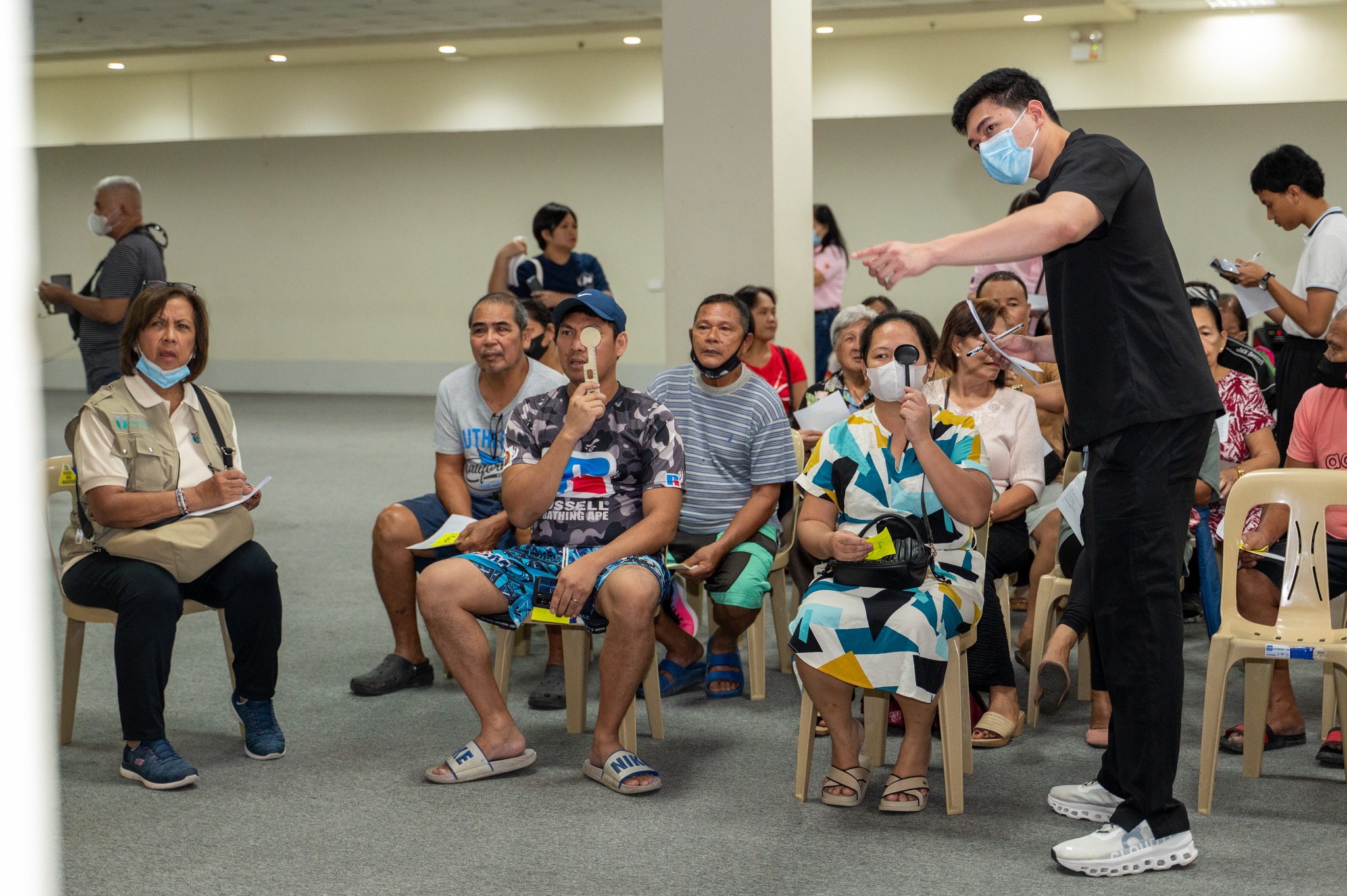
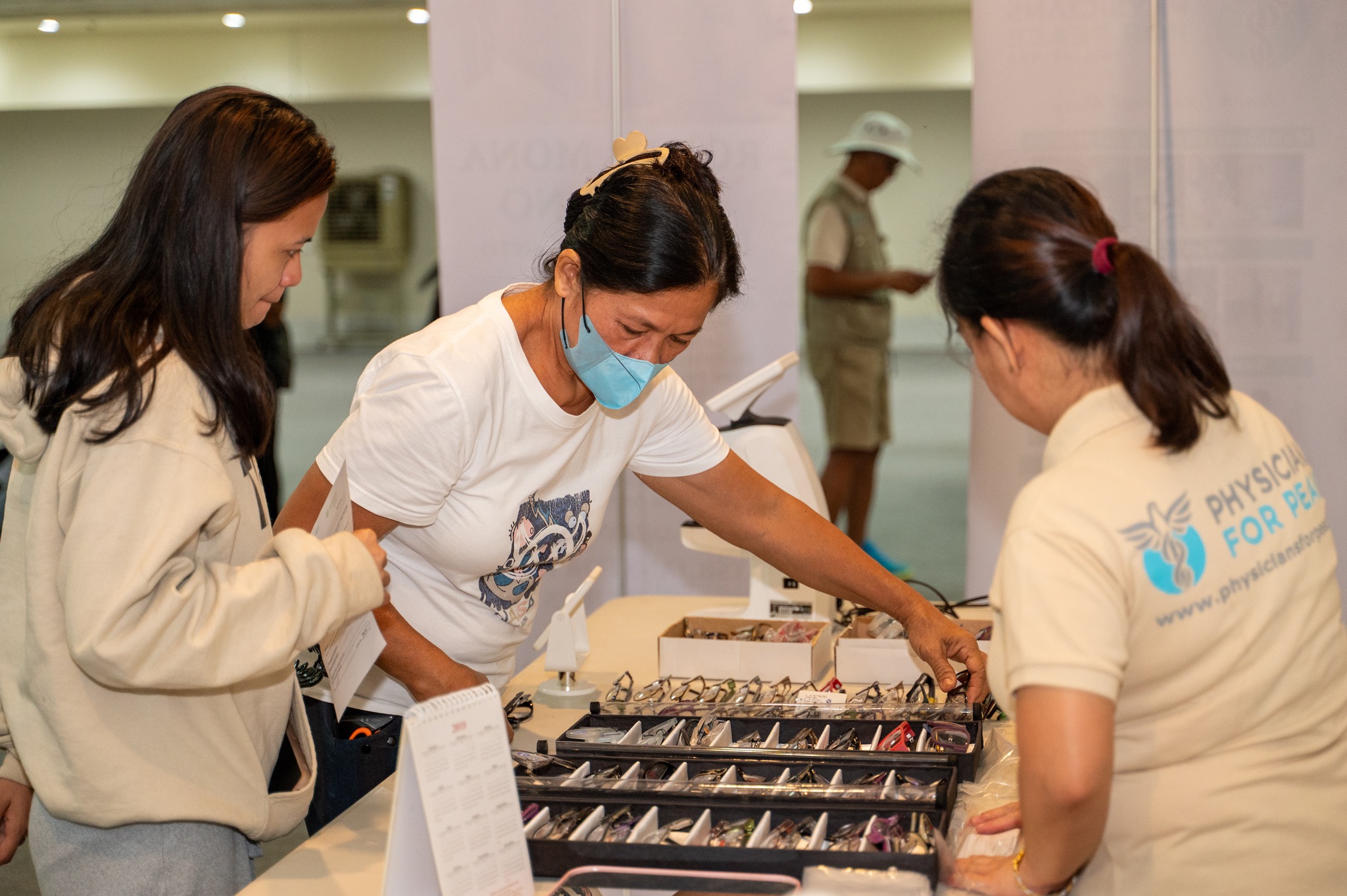
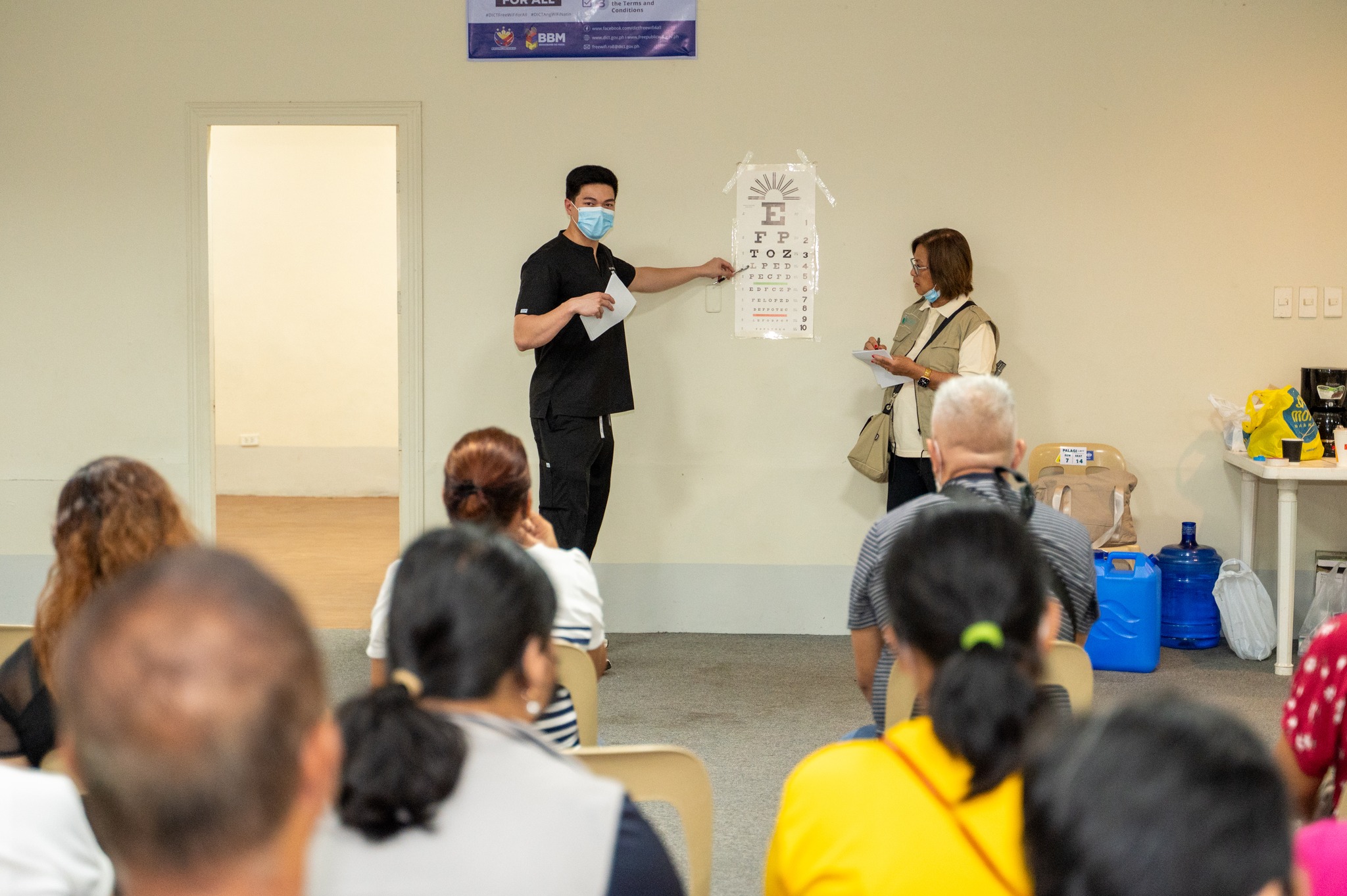
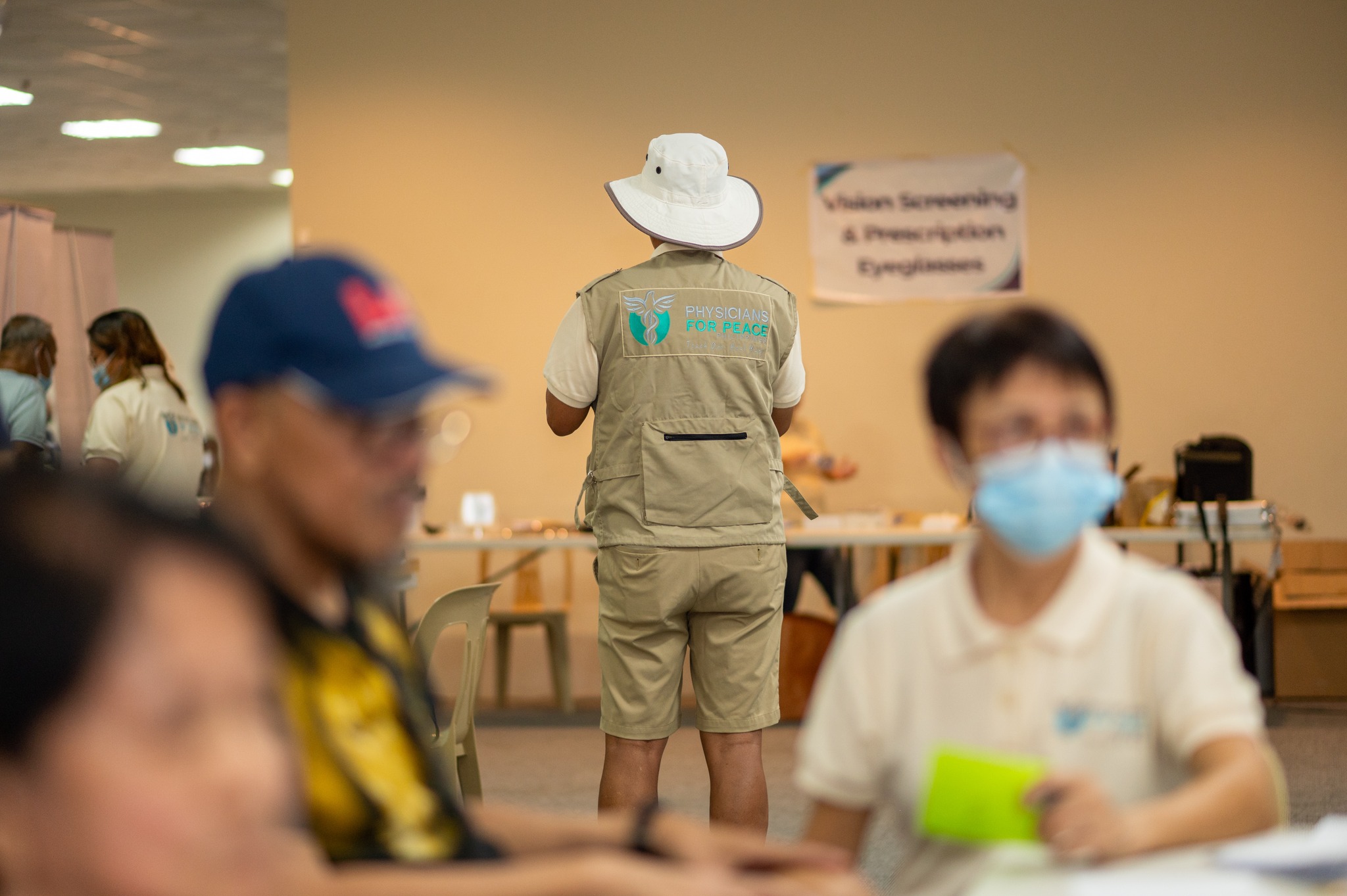
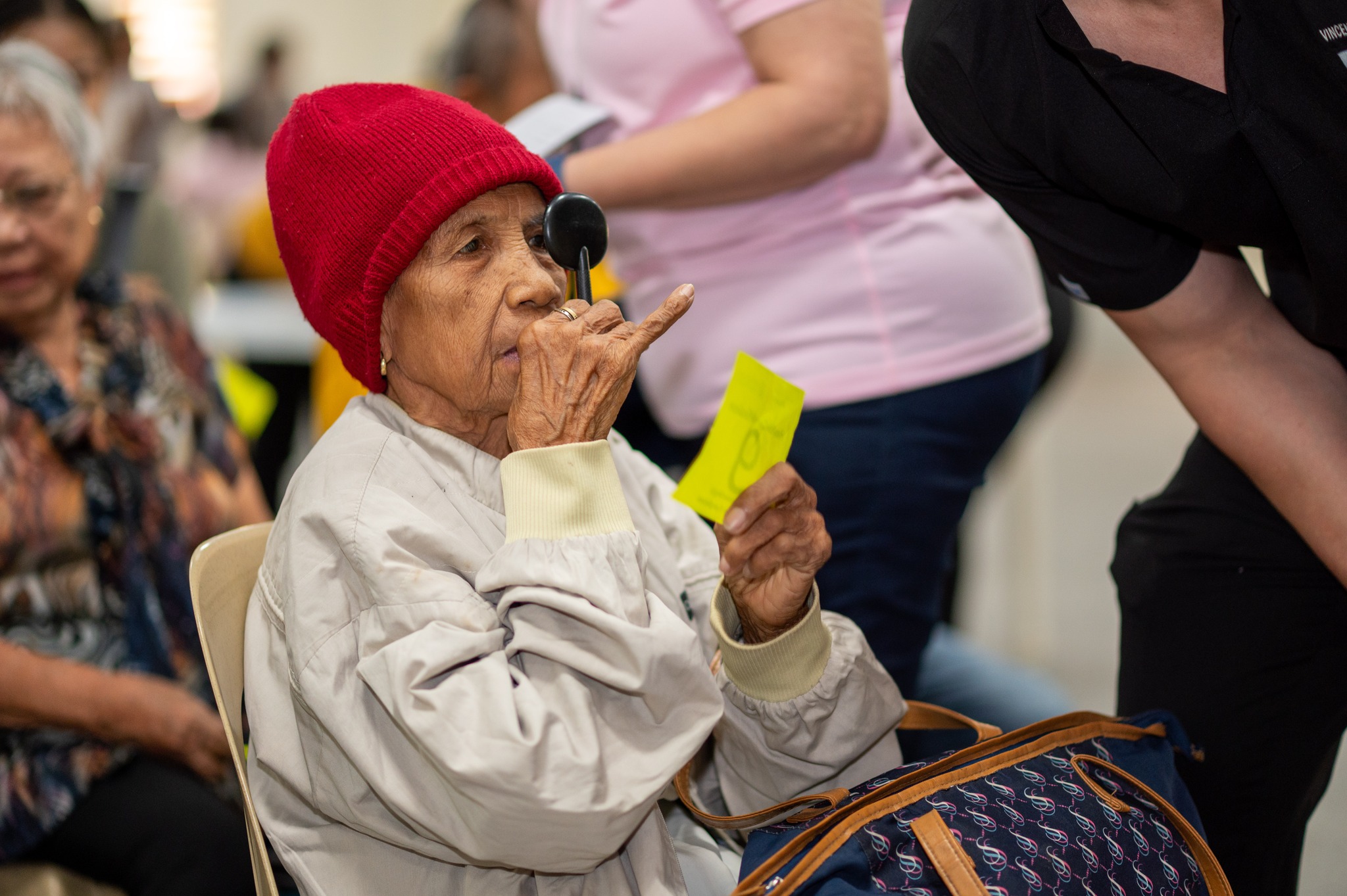
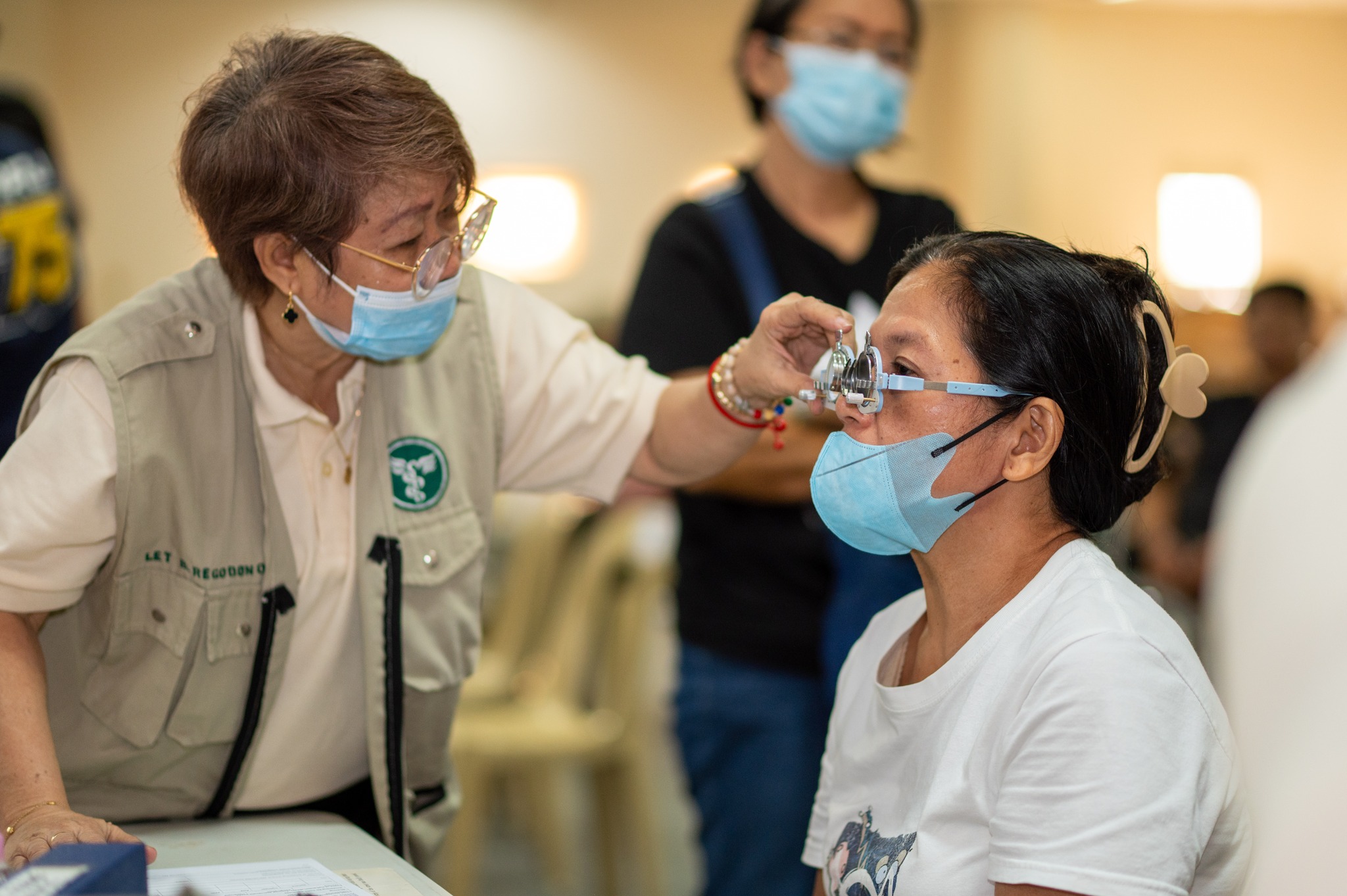
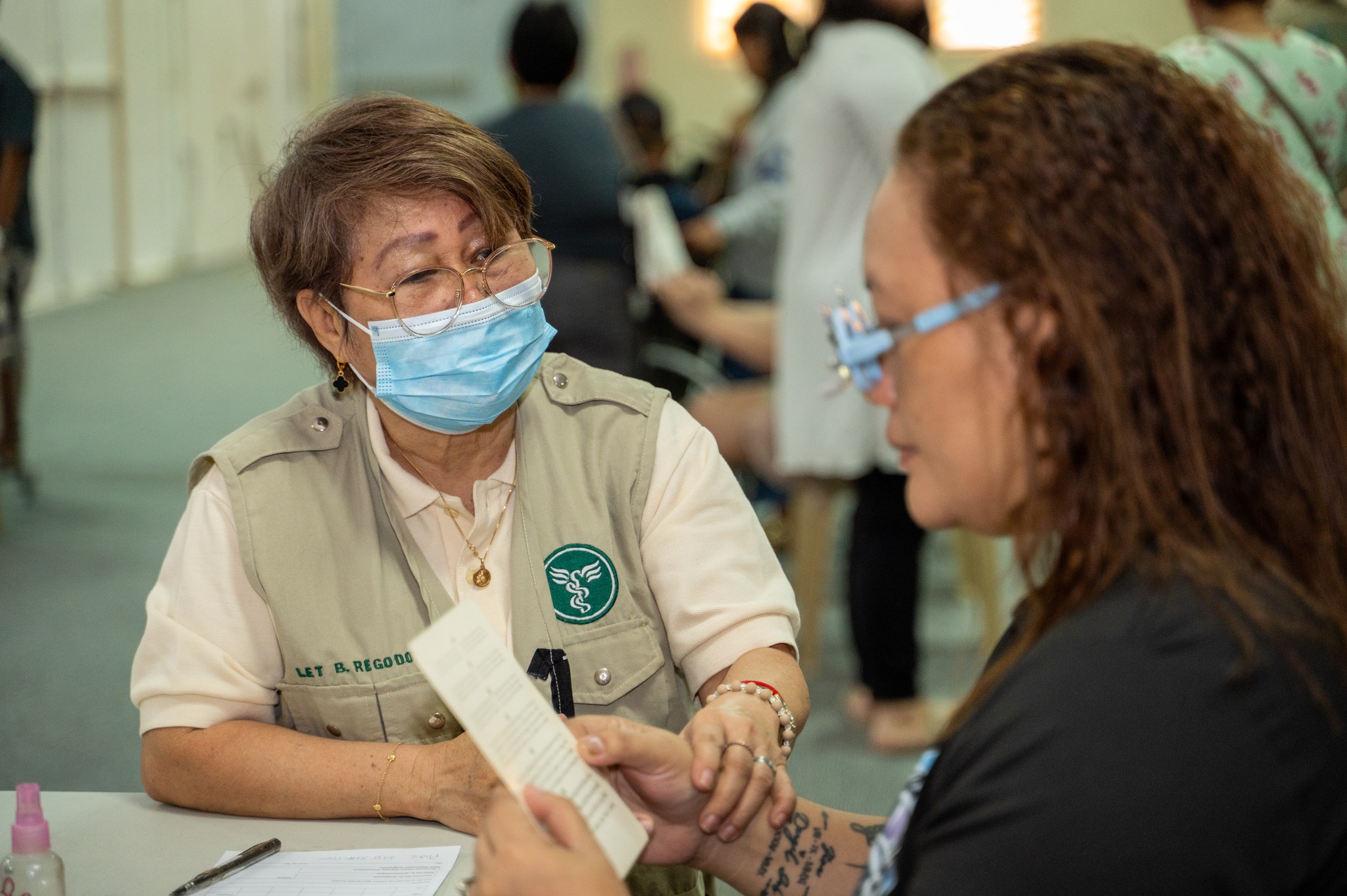
Next door, the Vision Care room echoed with whispered apologies from patients who found it difficult to read the tiny letters on the eye chart. An old man quipped that he hadn’t seen that many letters since his high school days. Following refraction and consultation, numerous individuals left holding slips for glasses—tiny notes that, eventually, would result in safer evening strolls, reduced headaches, and sharper faces during meals.
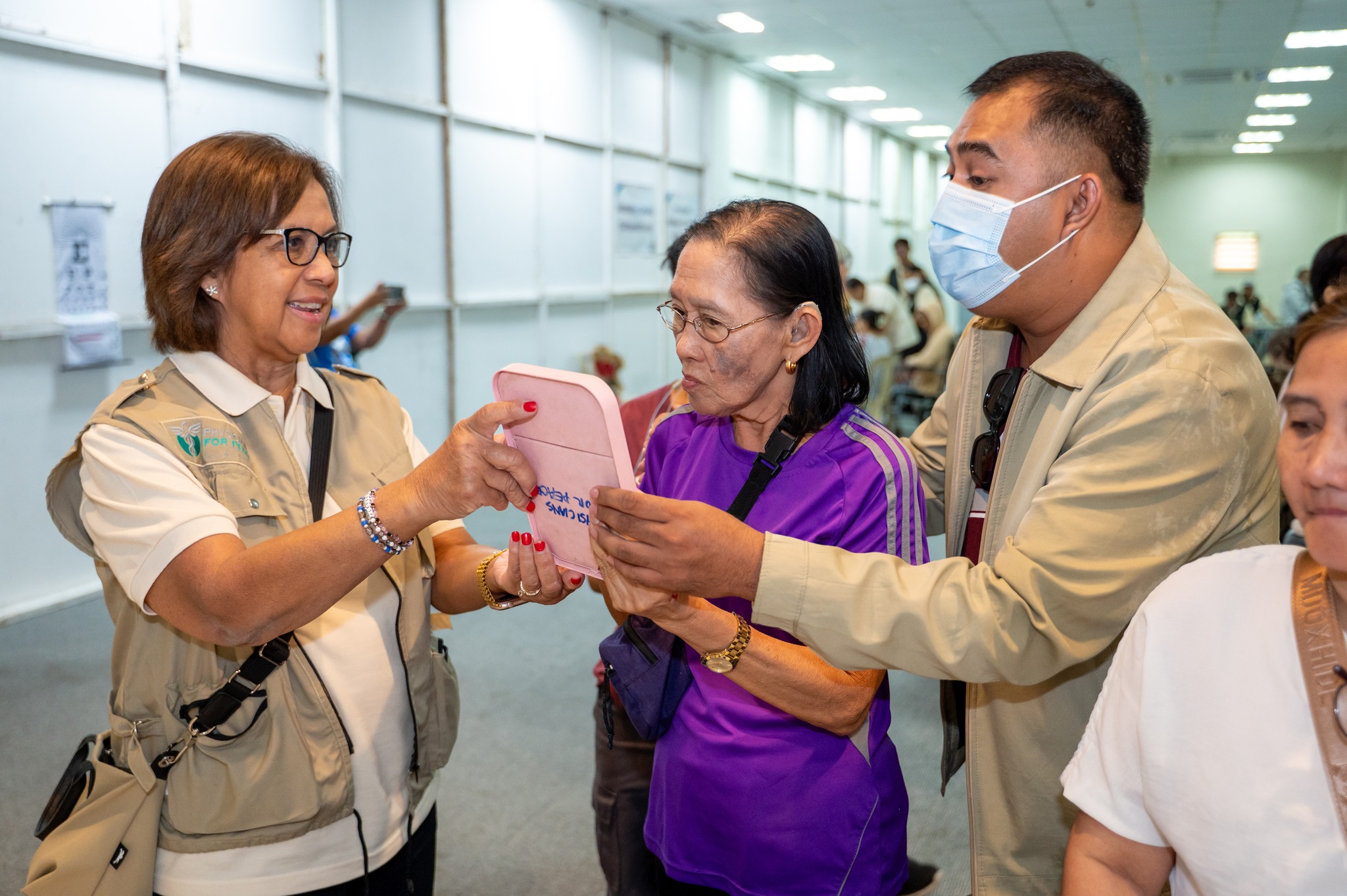
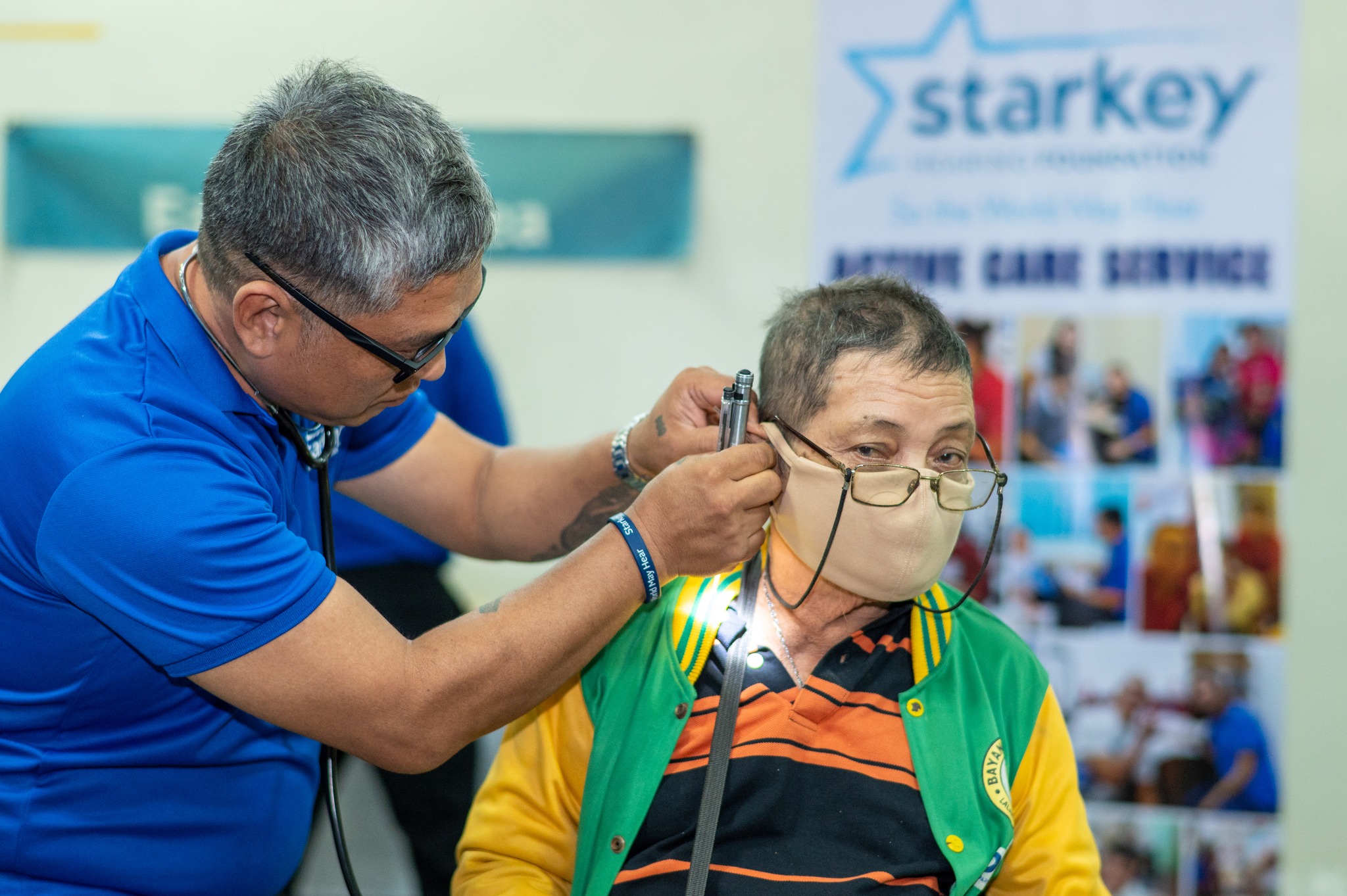
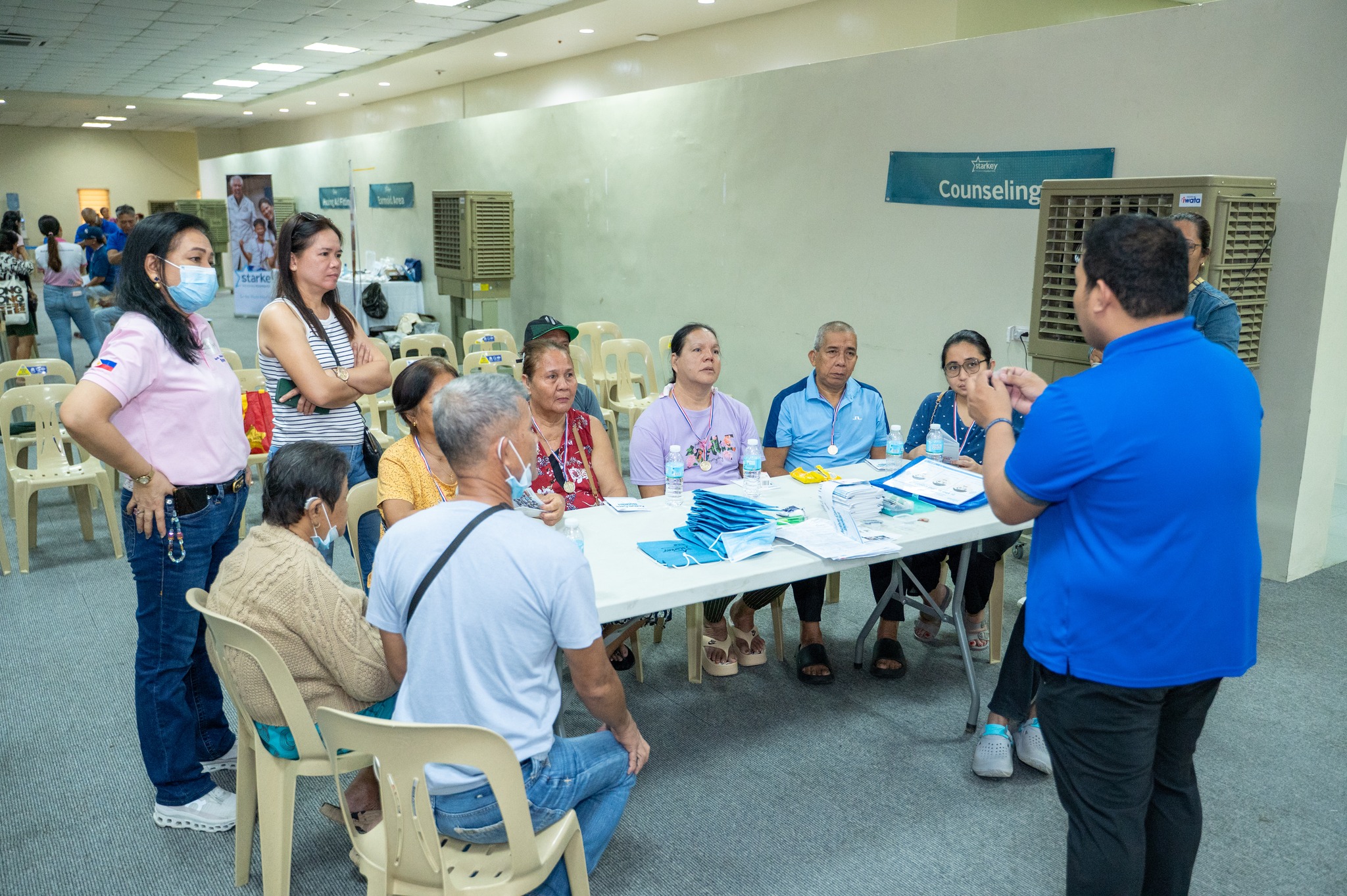
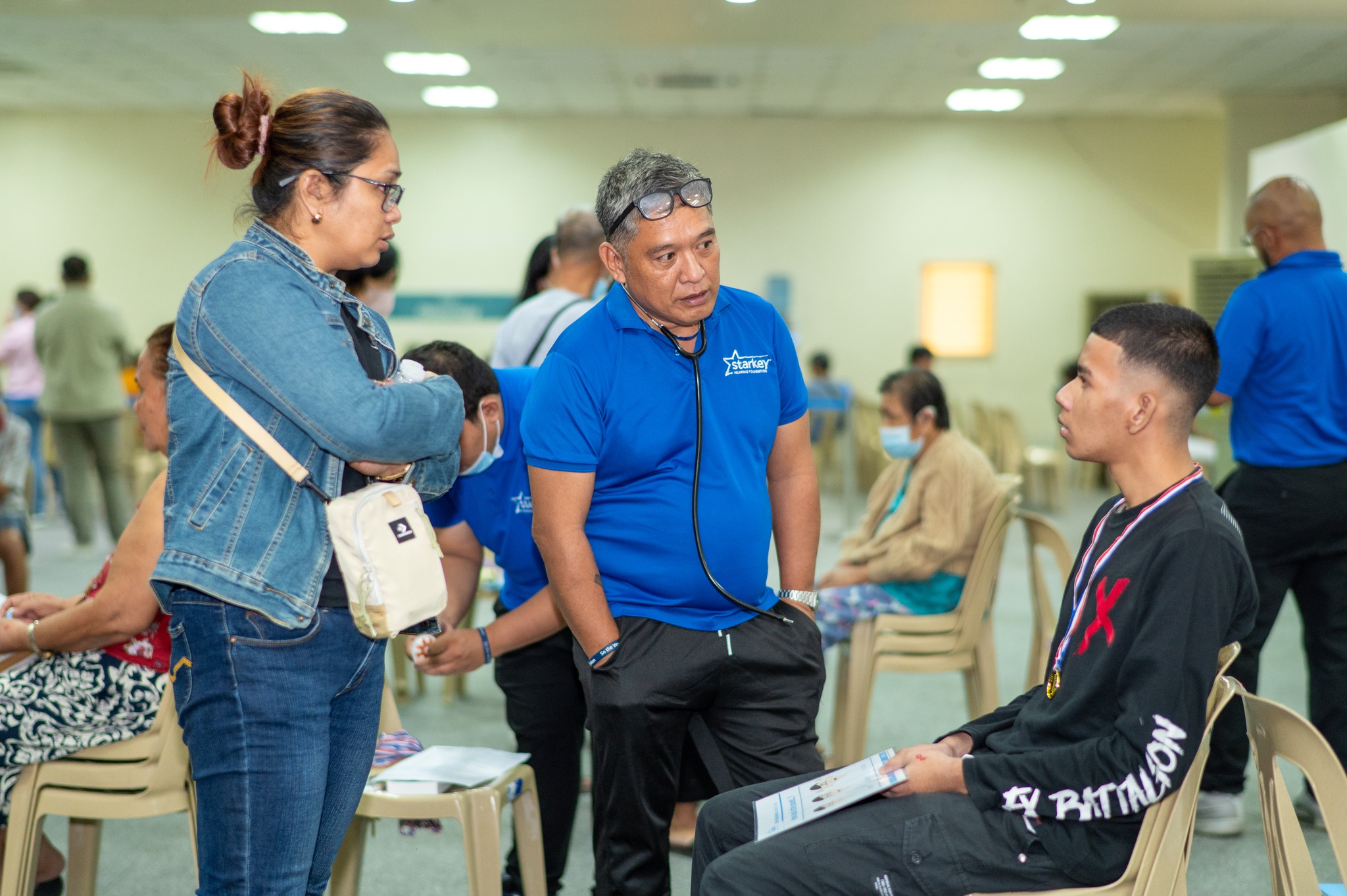
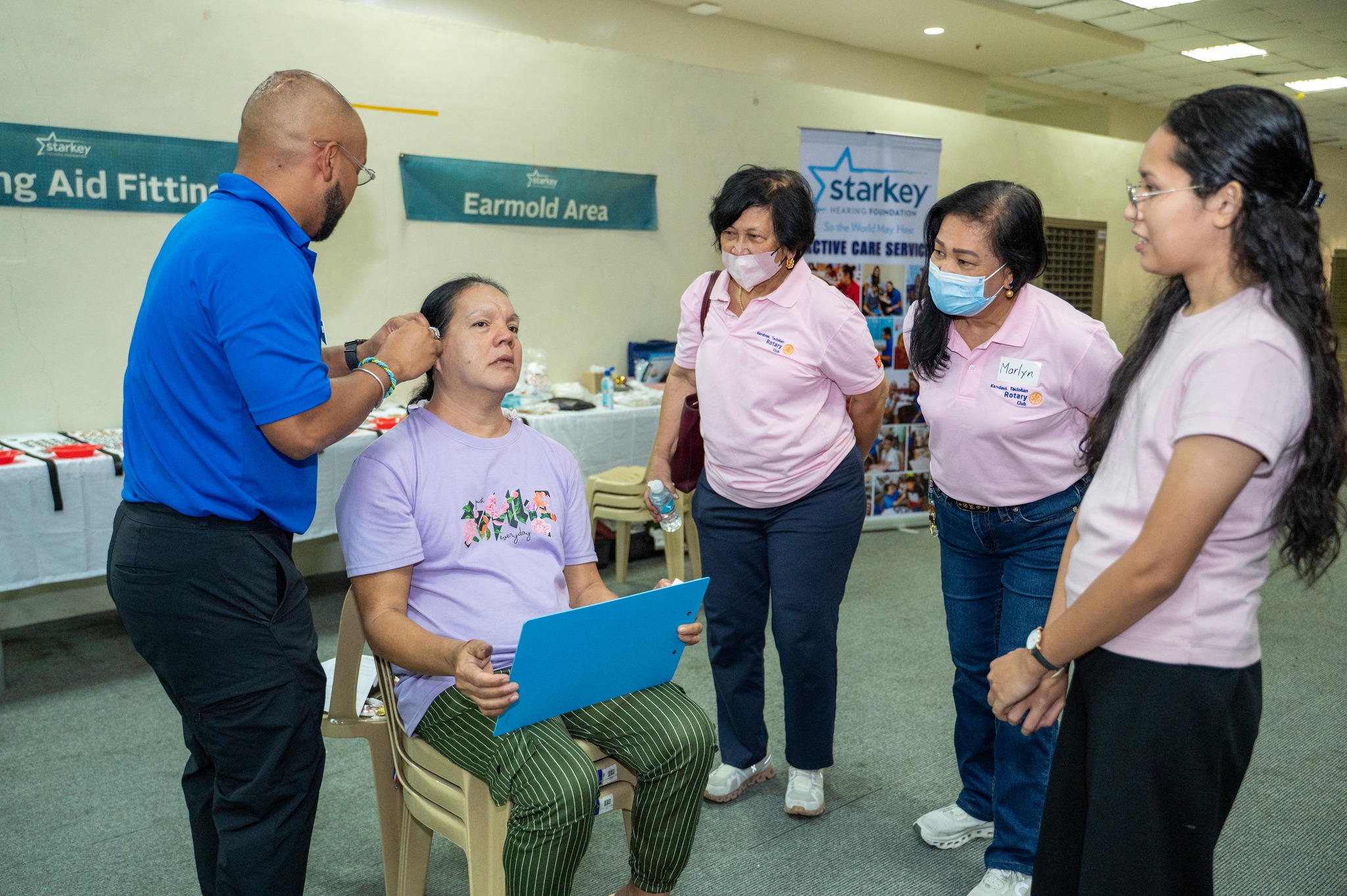
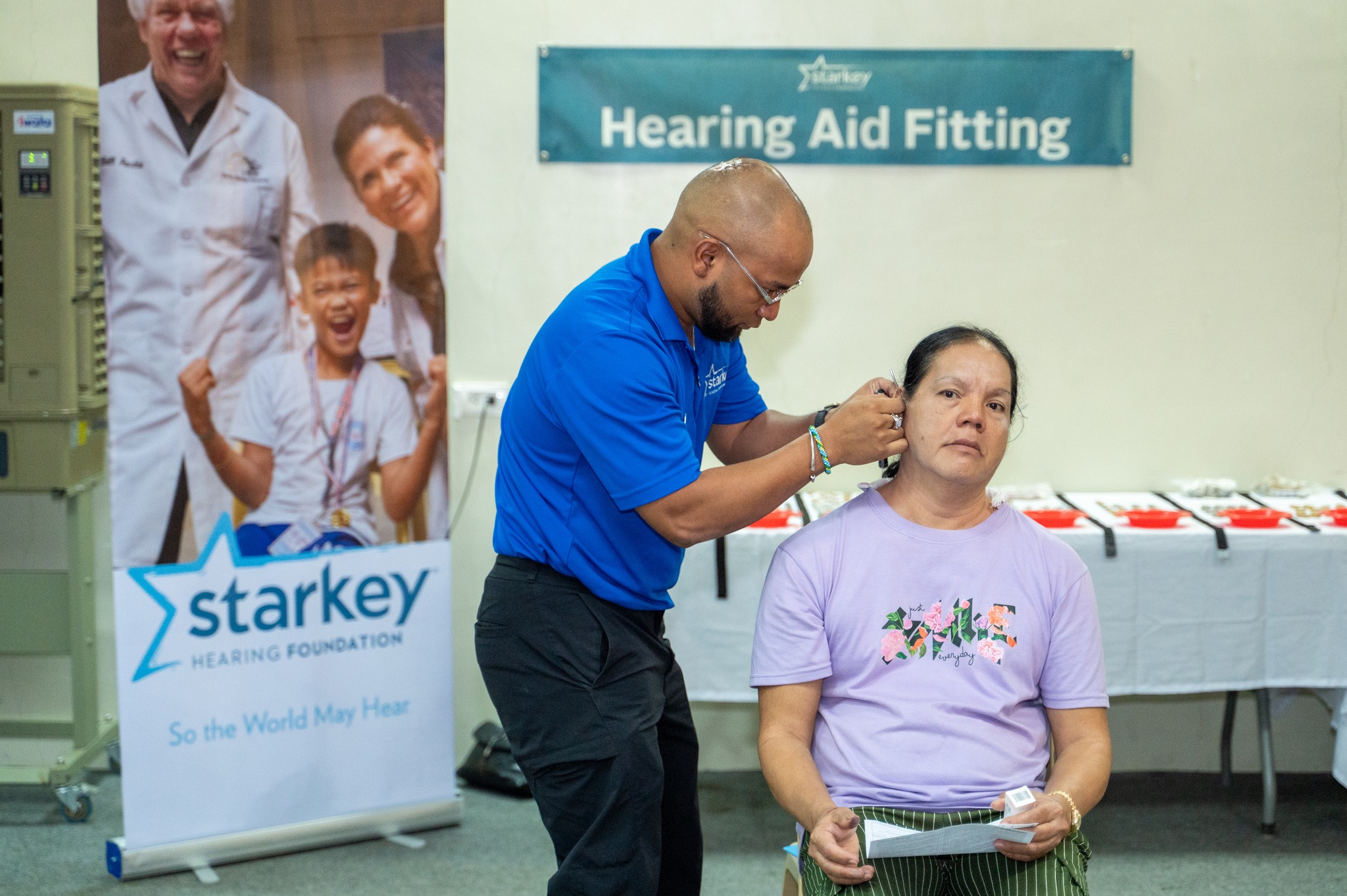
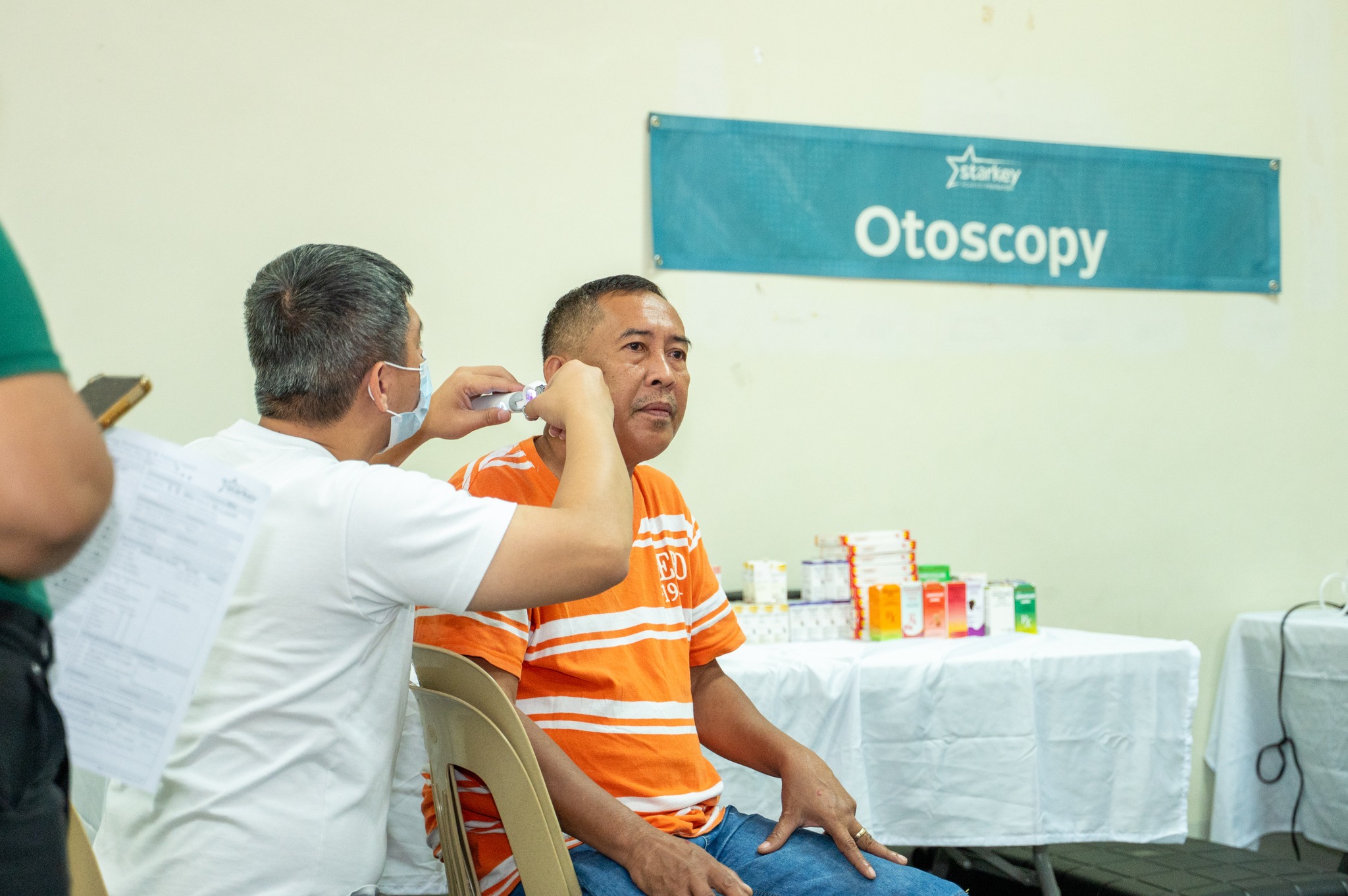
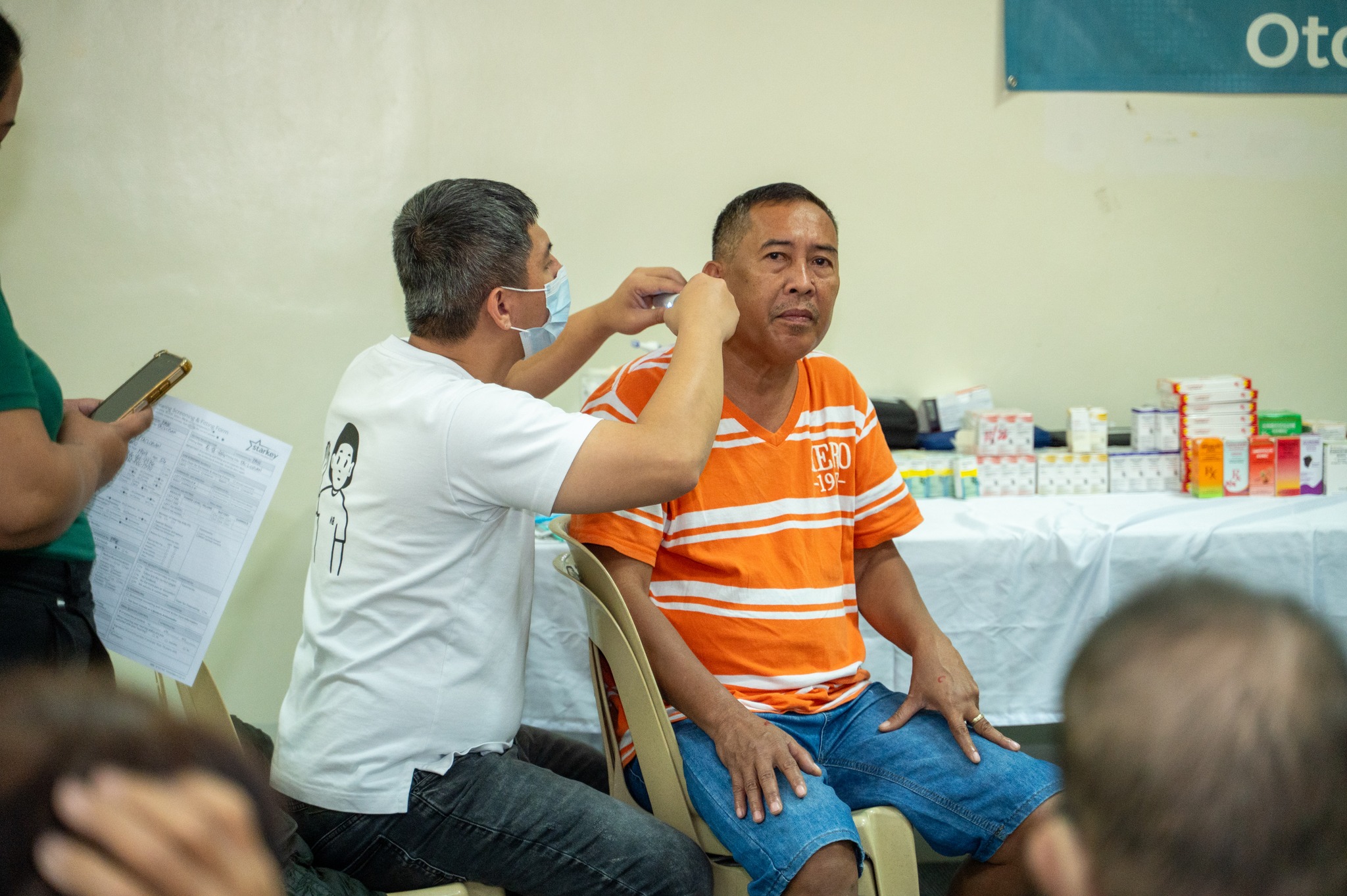
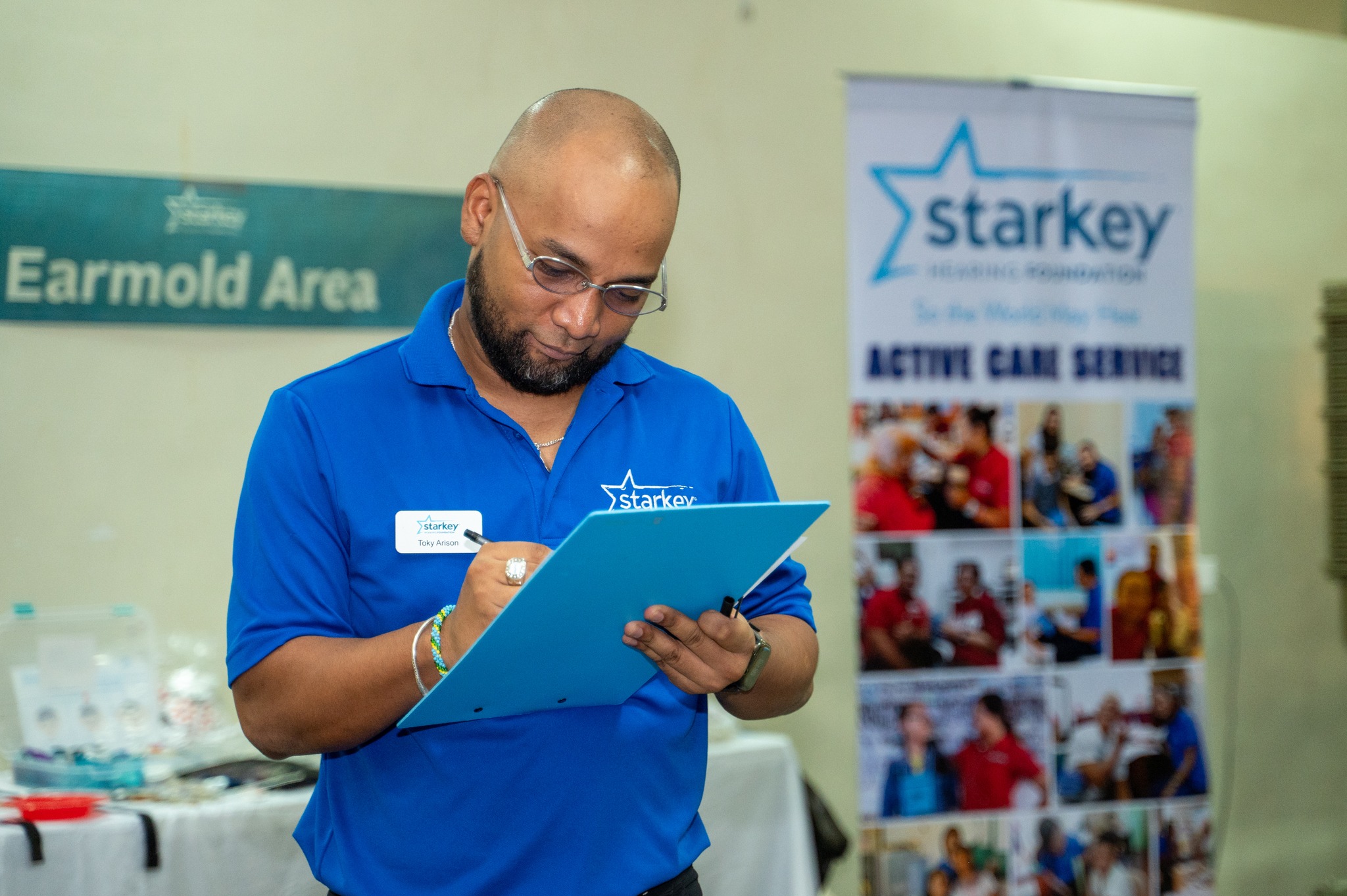
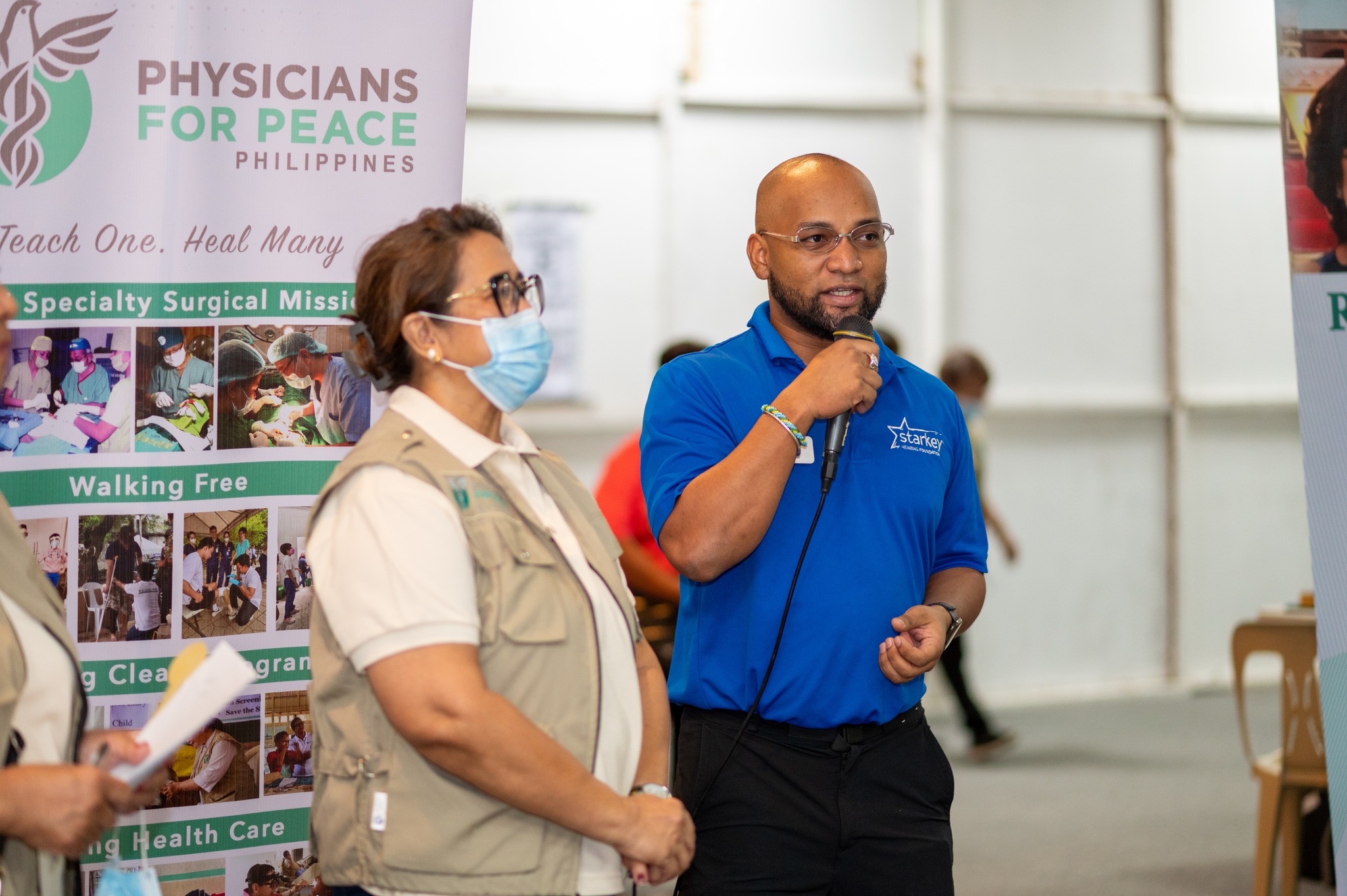
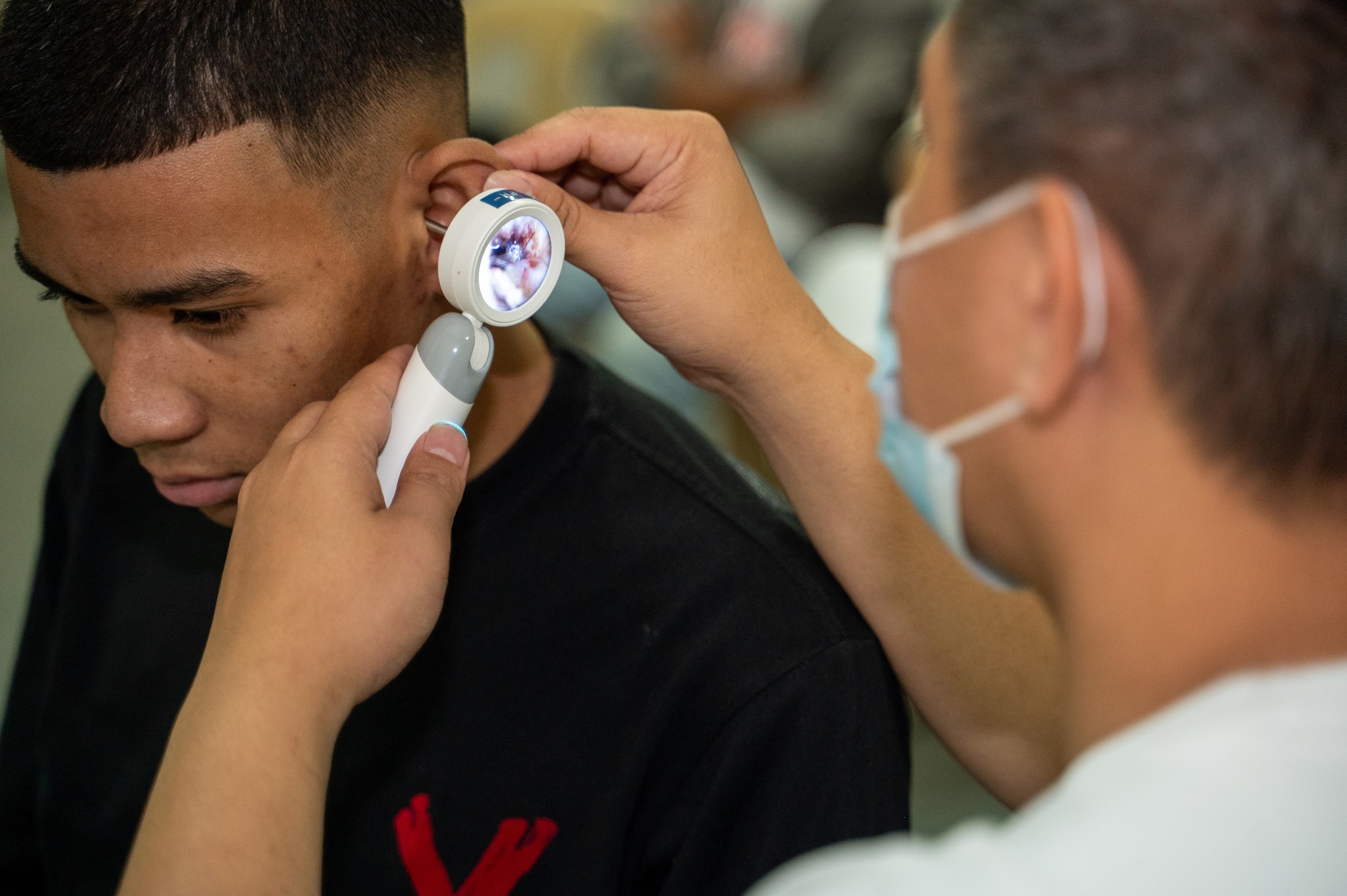
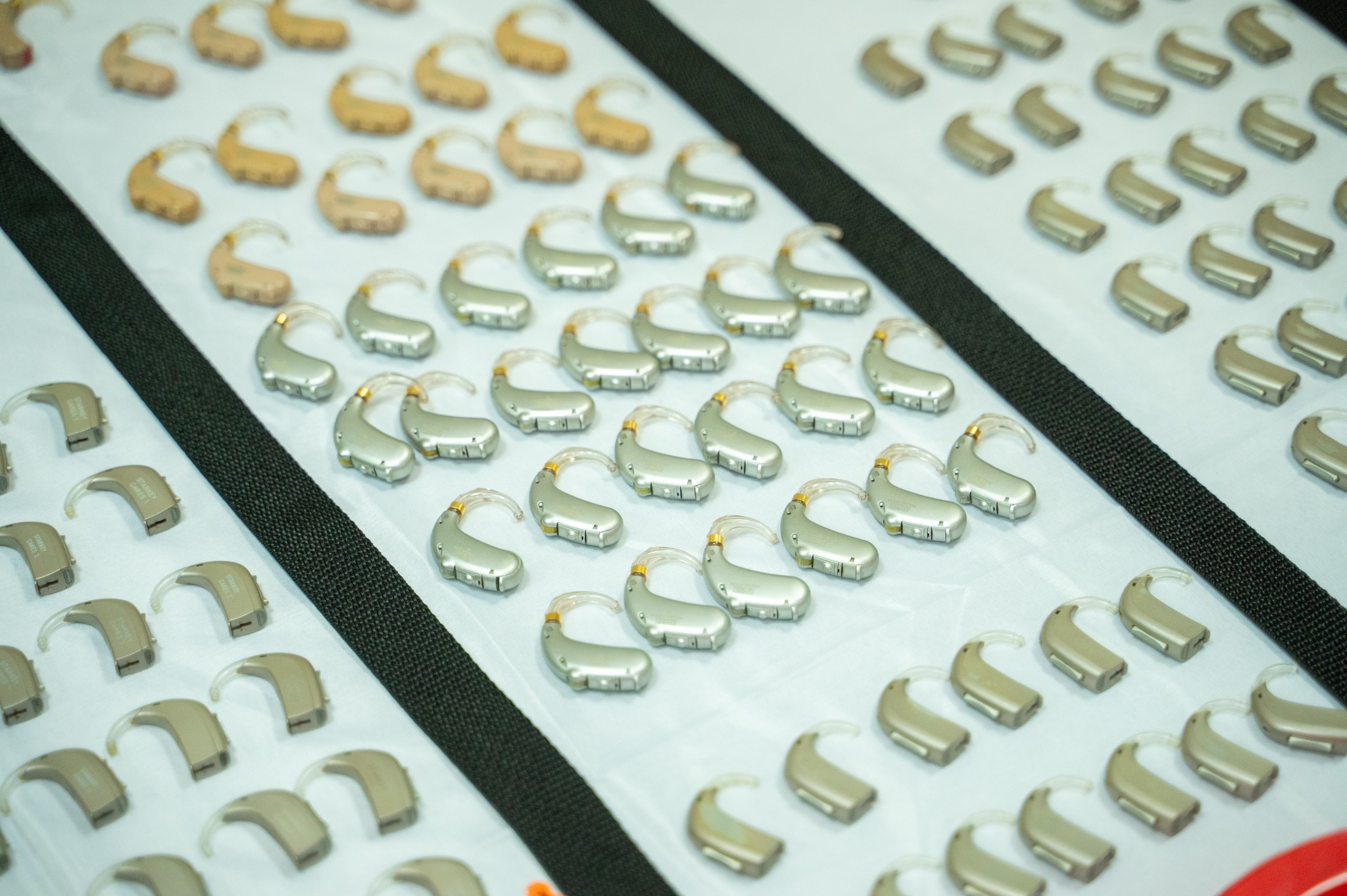
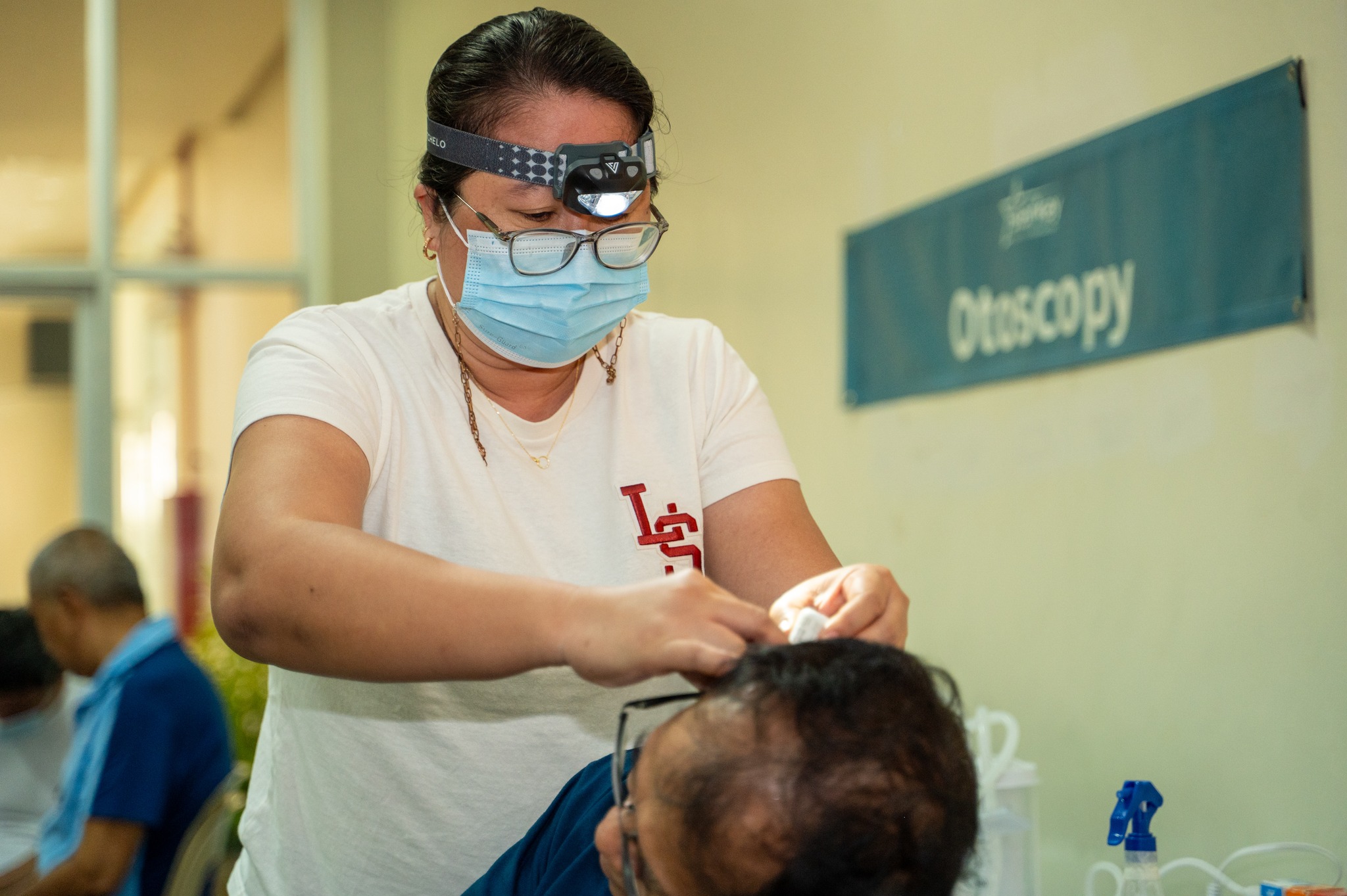
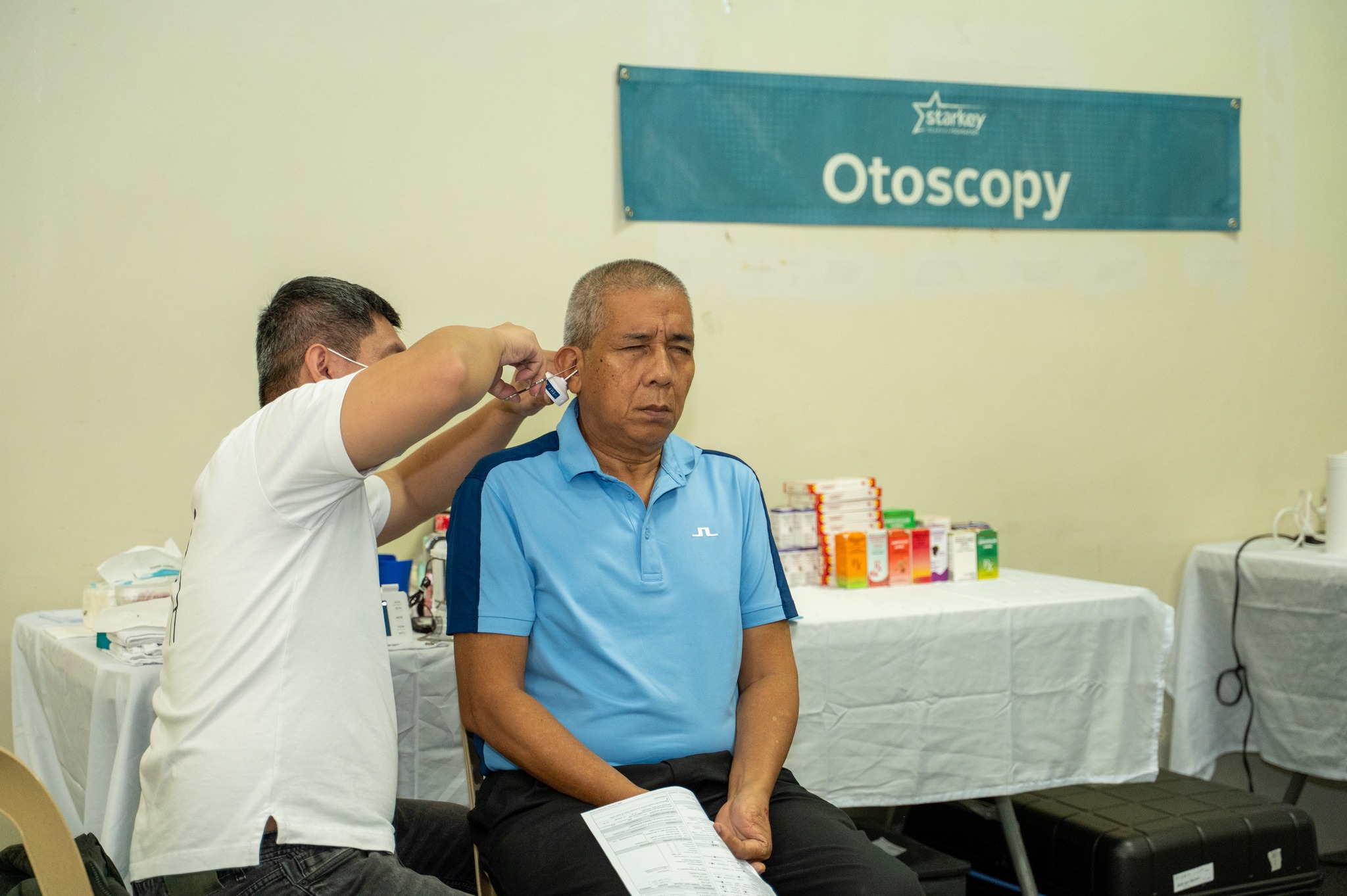
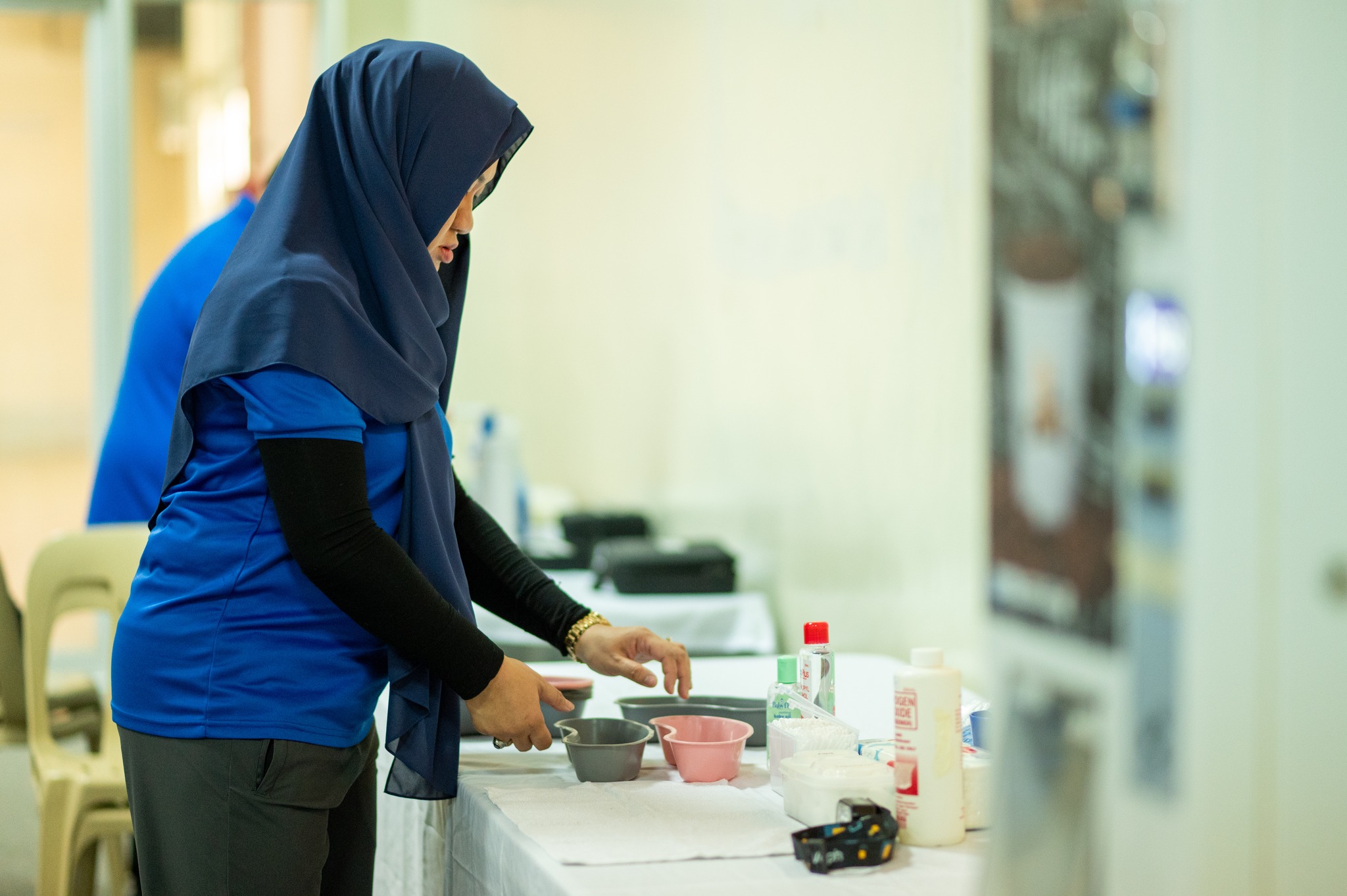
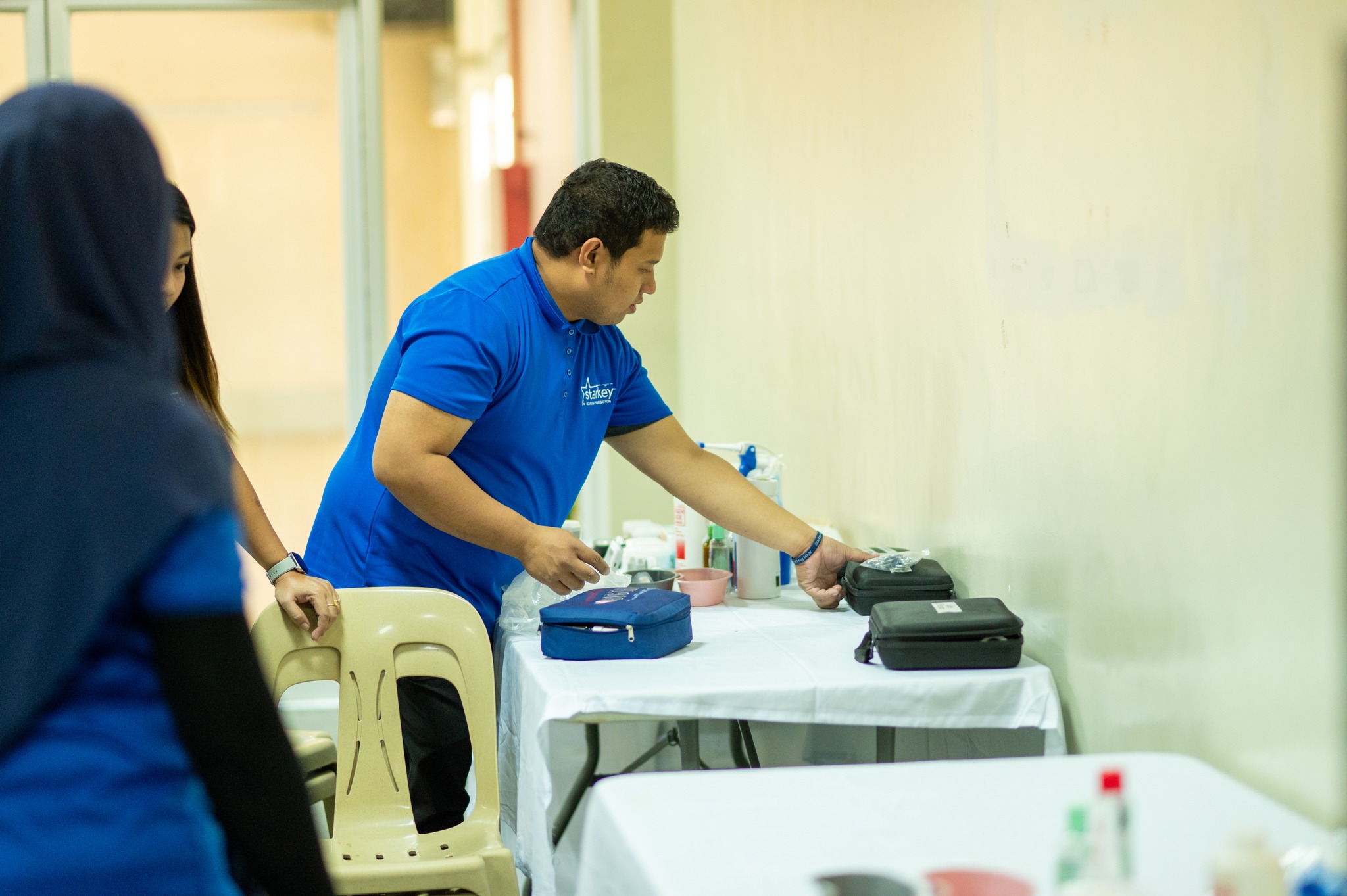
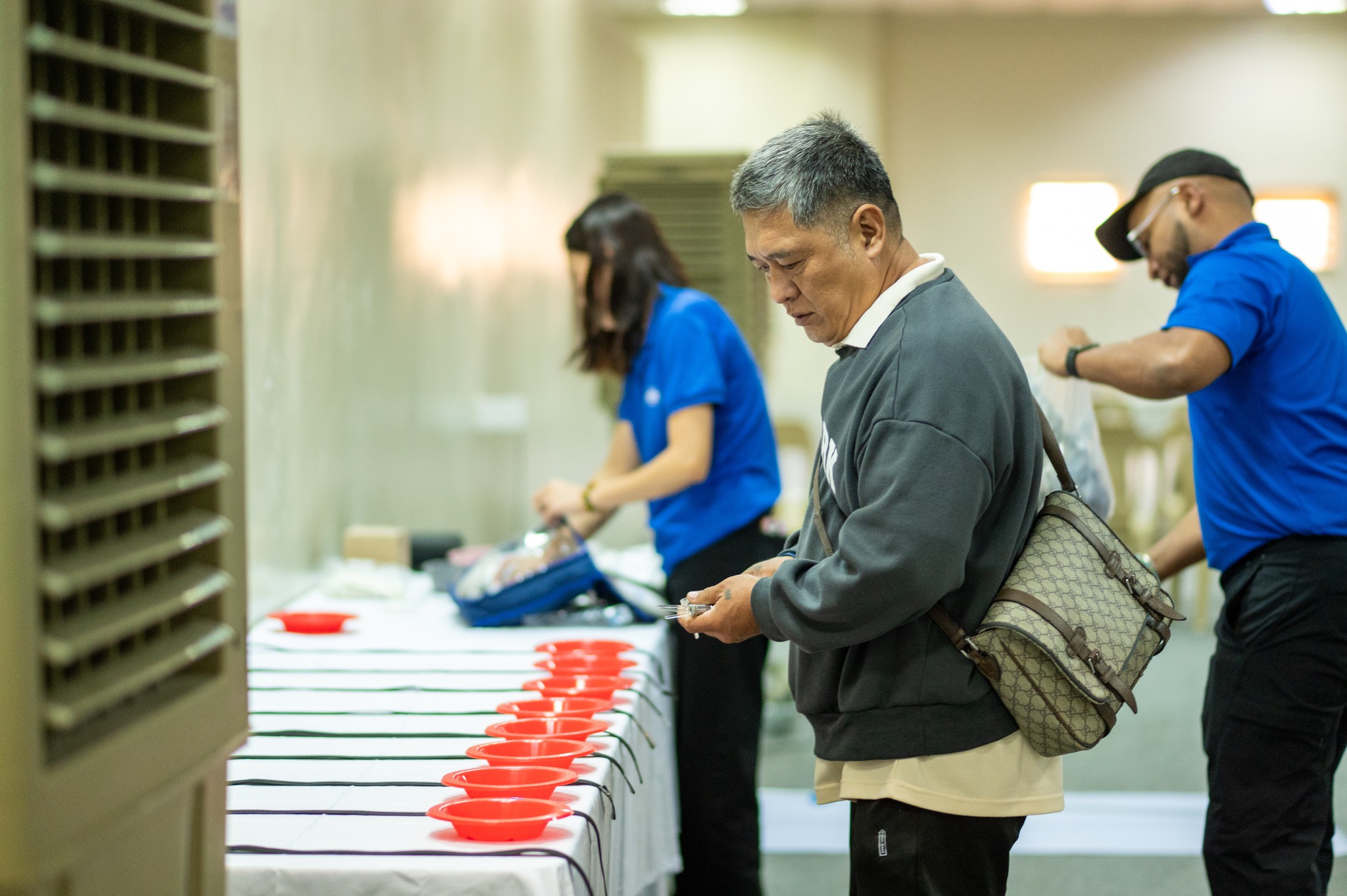
The Hearing Healthcare section had its own line, noticeably mixed with both older adults and very young children. Starkey Foundation’s presence was felt through the careful ear examinations, hearing tests, and the fitting of hearing aids for those who needed them most. You could tell when adjustments were working: conversations got louder, smiles broadened, and relatives leaned in to test if their loved one could finally hear soft questions that, for years, had gone unanswered.
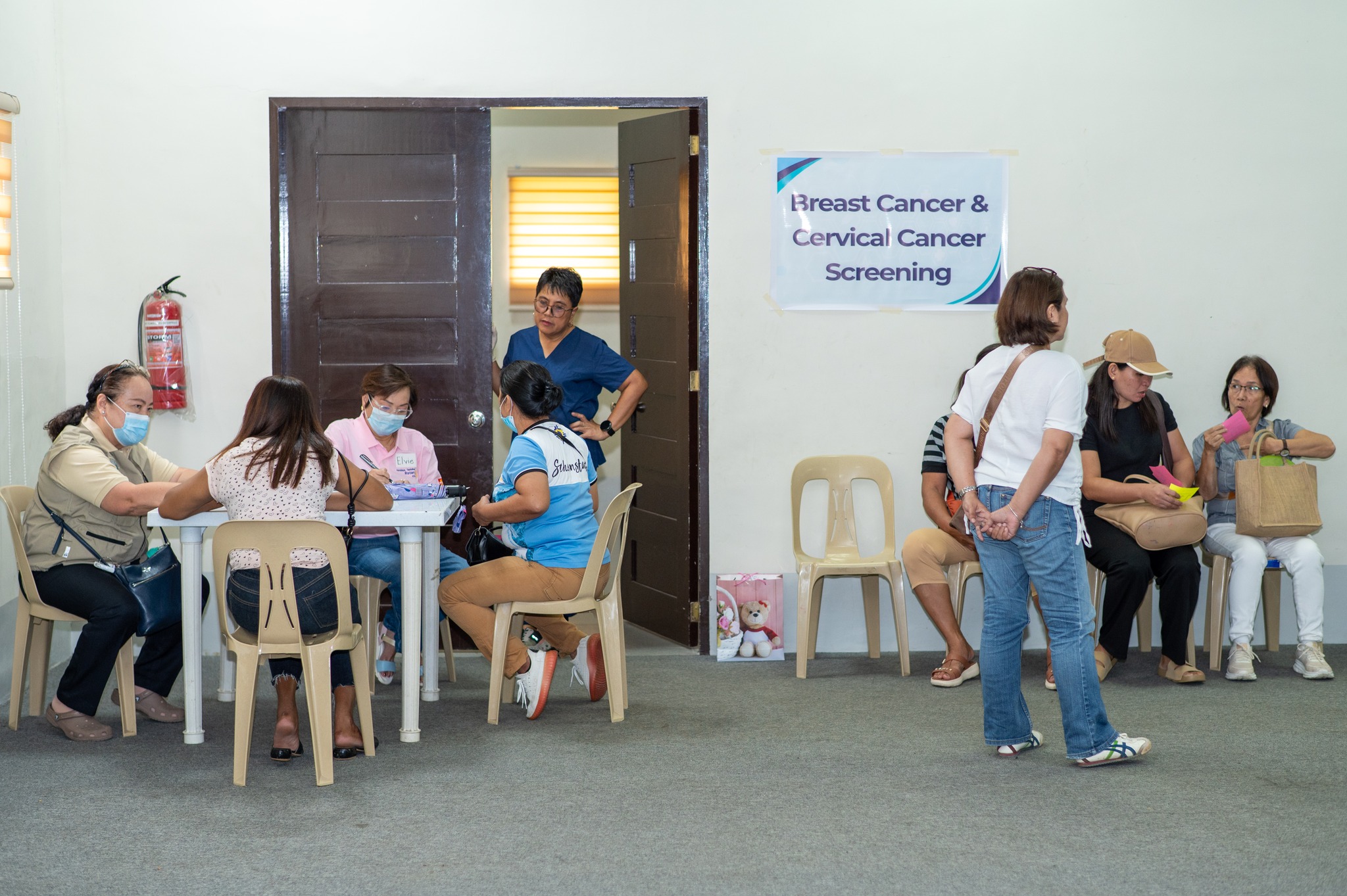
The Women’s Health team set up in a quiet, screened-off corner, away from the noise of the main hall. It had to be private. A lot of these women admitted, often in whispers, that they had never been checked before—not once. The doctors understood the hesitation. They didn’t just rush through the exams; they slowed down, explaining every step and answering the scary questions about lumps or family history. They turned a terrifying ‘what if’ into a manageable conversation about early detection. For many, the physical exam was secondary; the real treatment was the peace of mind that came with finally knowing.
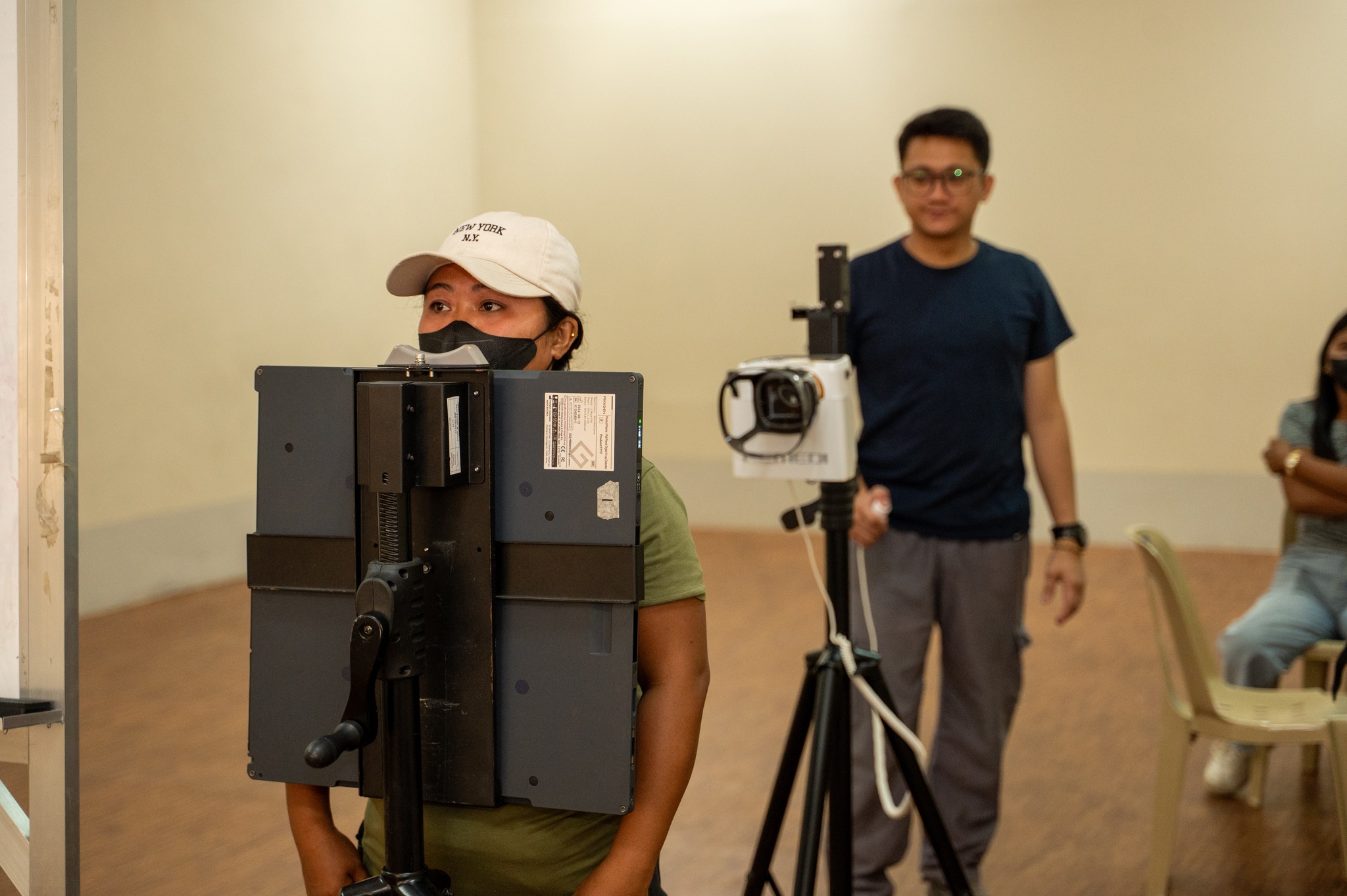
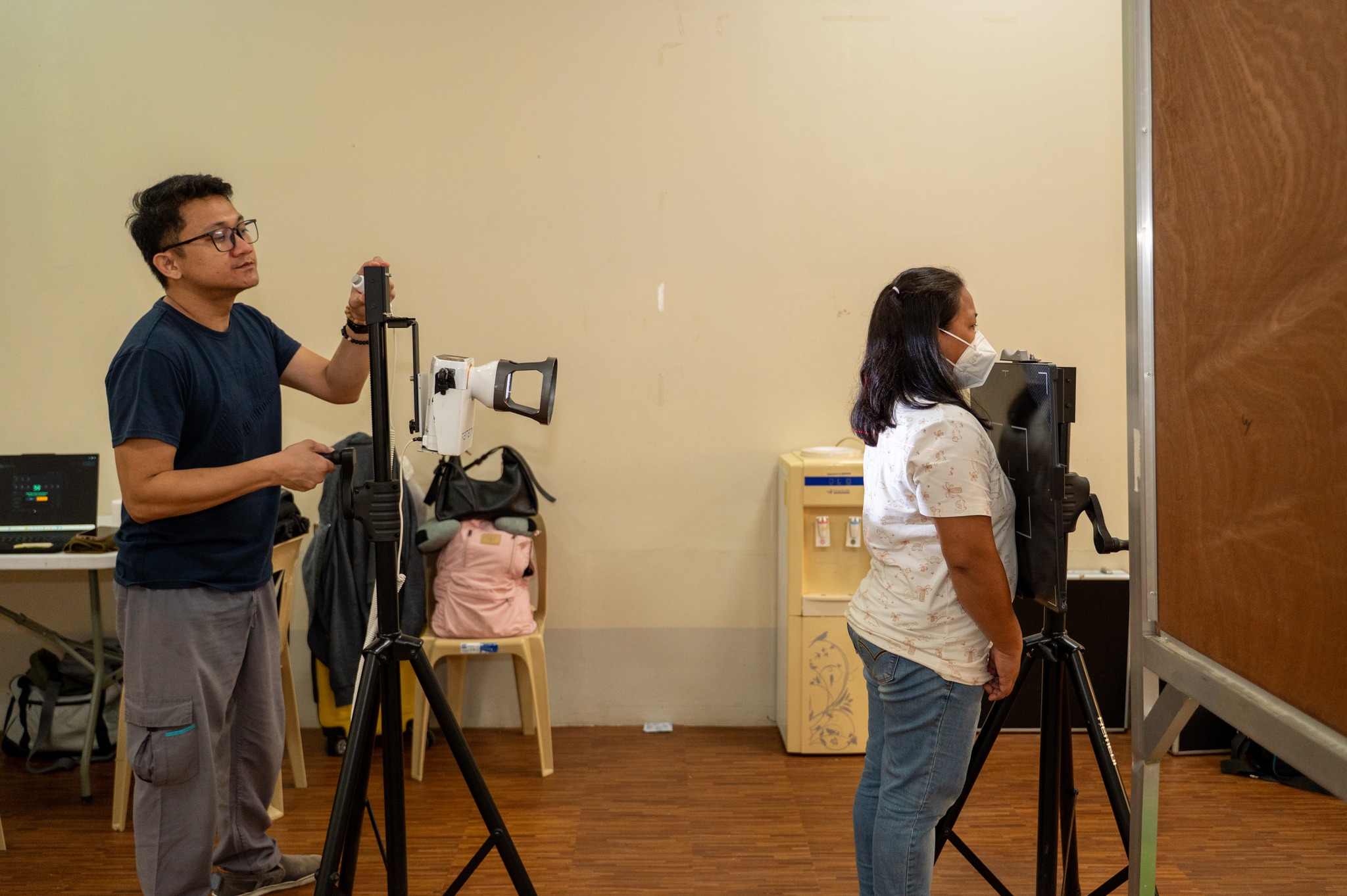
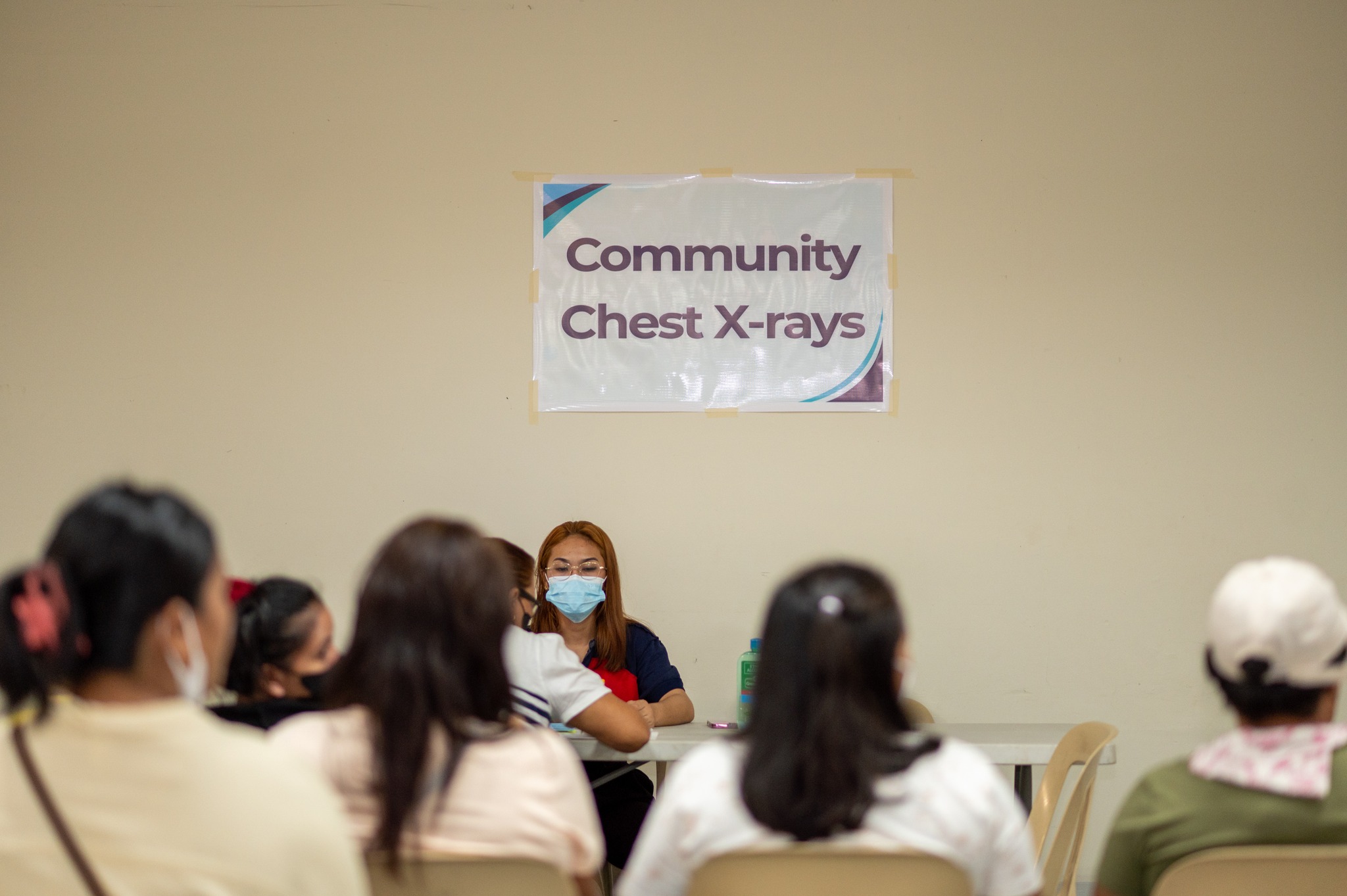
On another side of the campus, Community X‑ray services helped evaluate patients with long‑standing coughs, bone pain, or suspected tuberculosis. The Philippine Tuberculosis Society Tacloban, and EVMC‑PARM teams worked with PFPP to ensure results would not simply be taken and forgotten, but properly read, recorded, and linked to follow‑up care.
From New Jersey to Ormoc: A Bridge of Support
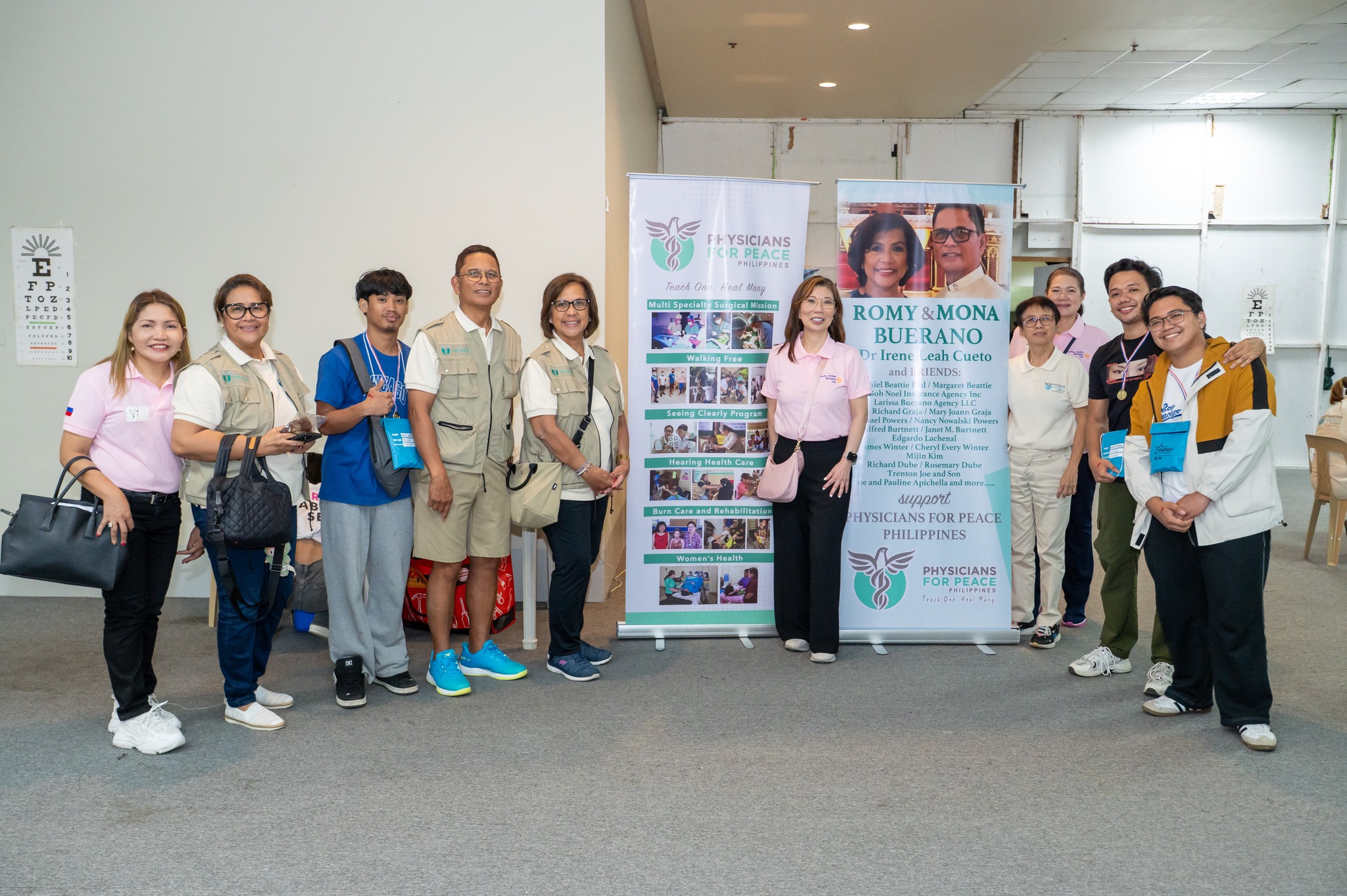
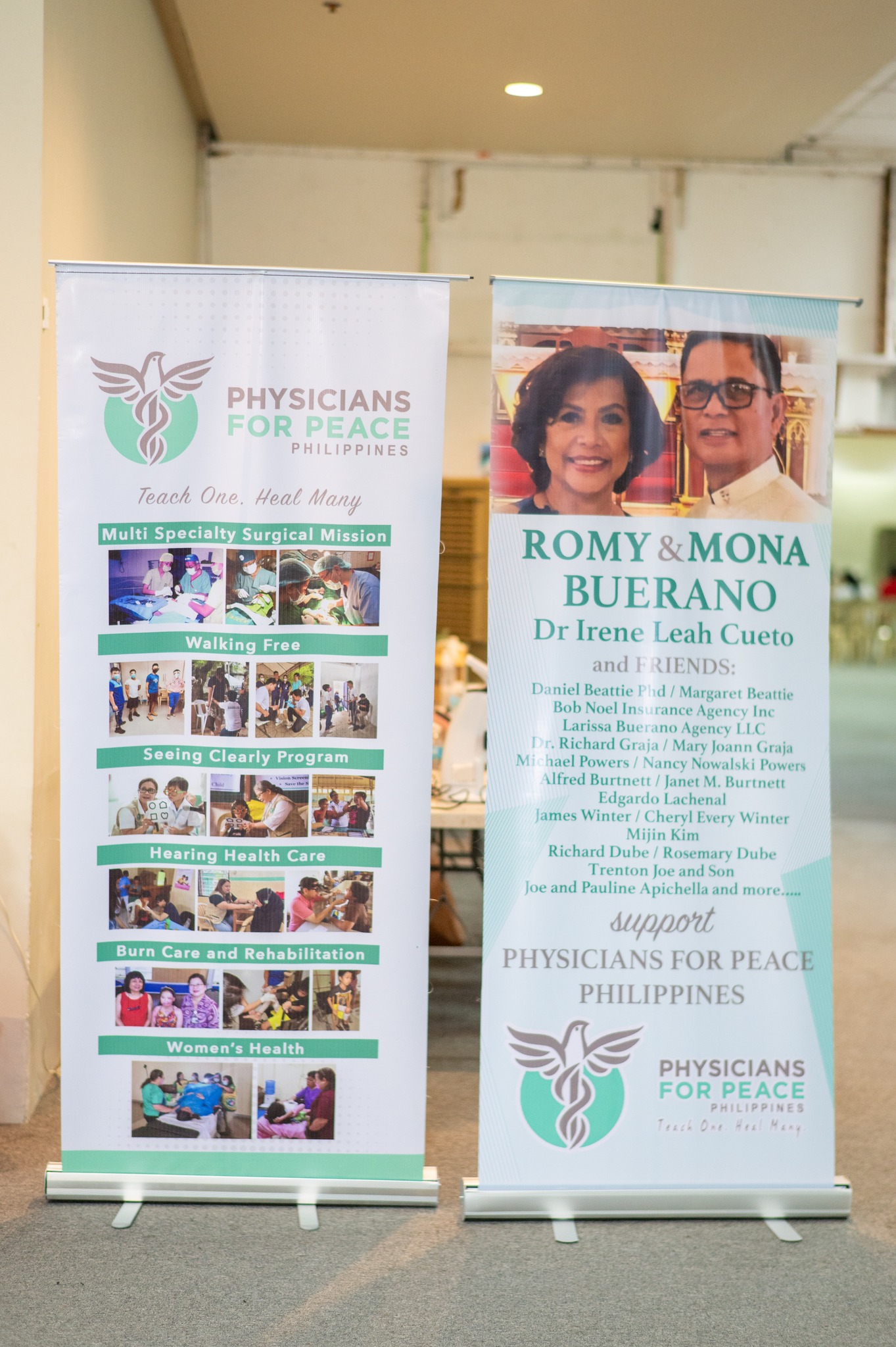
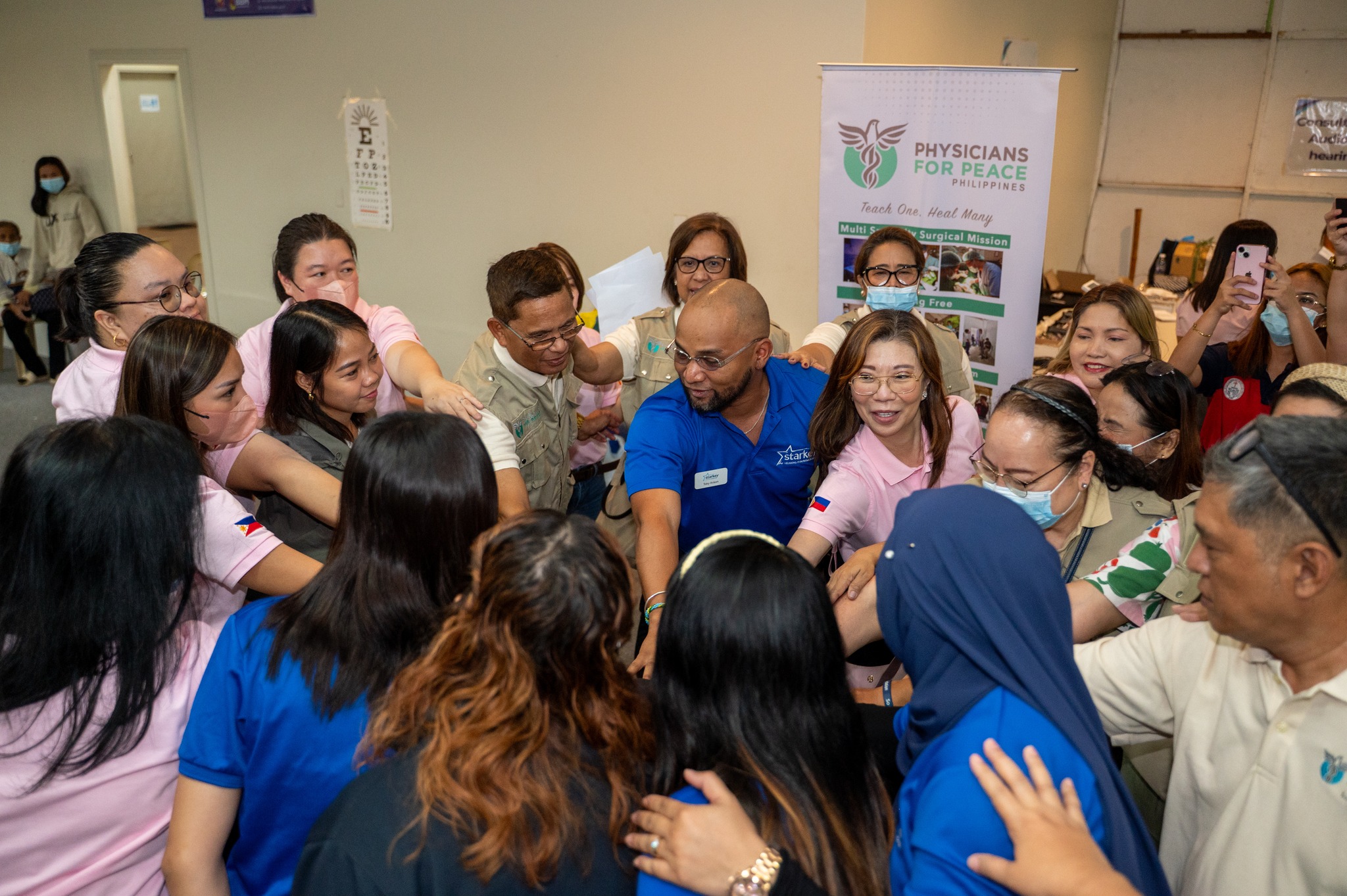
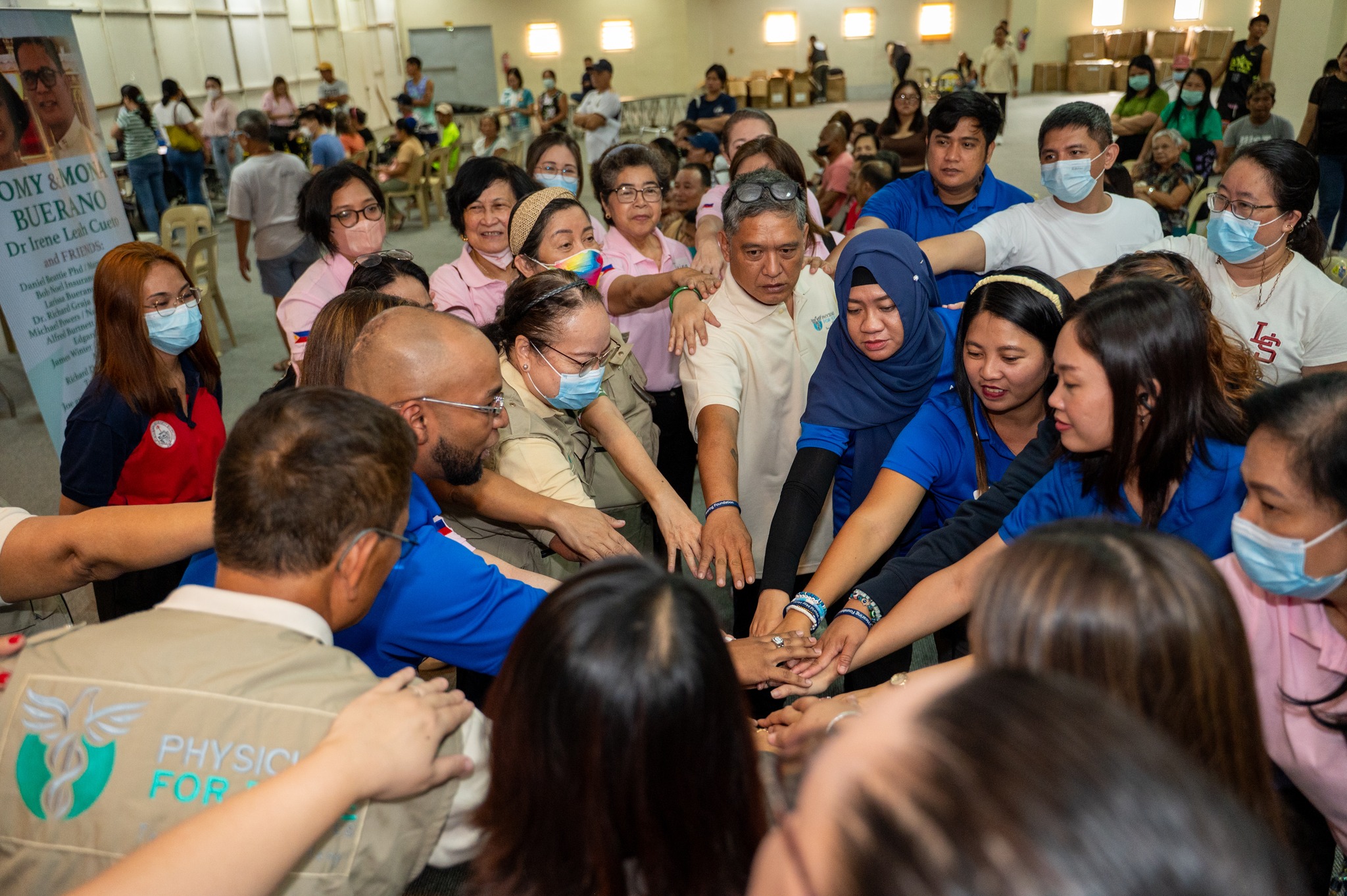
While the mission was very much rooted in Ormoc soil, its lifeblood flowed from across the ocean. The invisible engine behind all this was, once again, PFP Ambassadors Romy and Mona Buerano and their circle from New Jersey. They quietly footed the bill for the unglamorous essentials—the logistics, the freight, the diagnostic kits. It’s the stuff patients don’t see, but it’s what makes the mission run. Because of that backing, the only thing families had to worry about was finding the right line, not scratching together enough cash for a consultation fee.
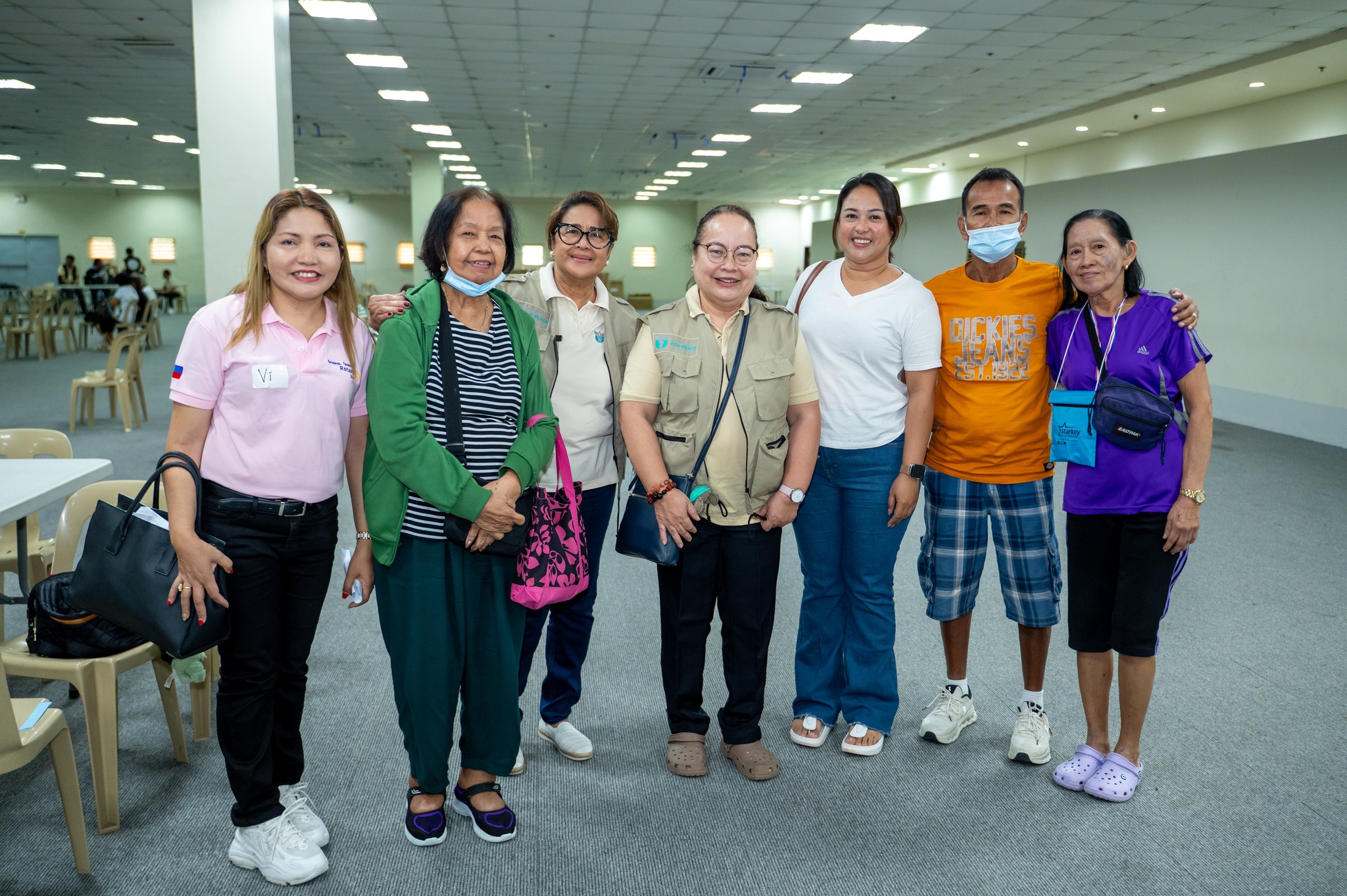
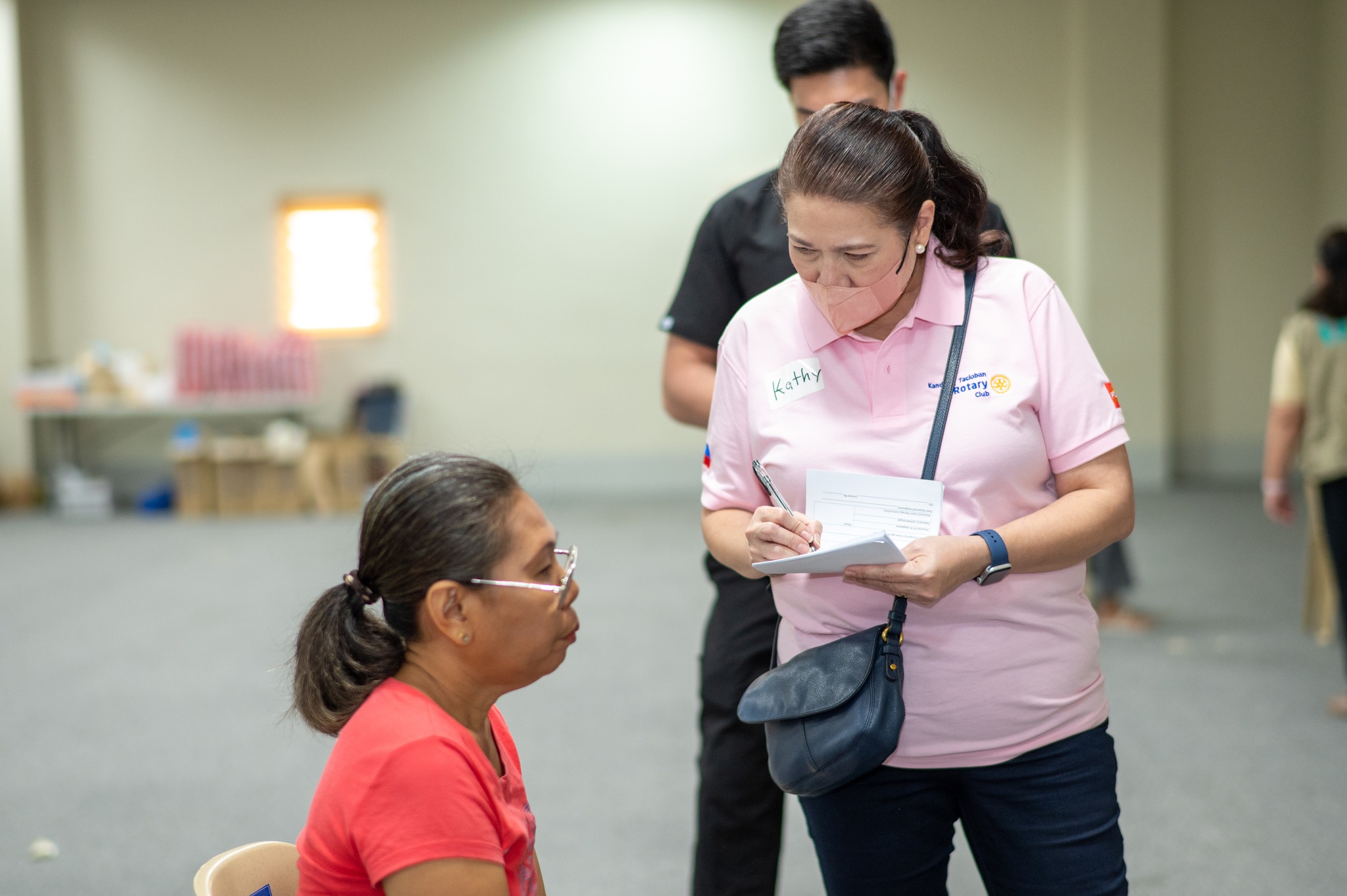
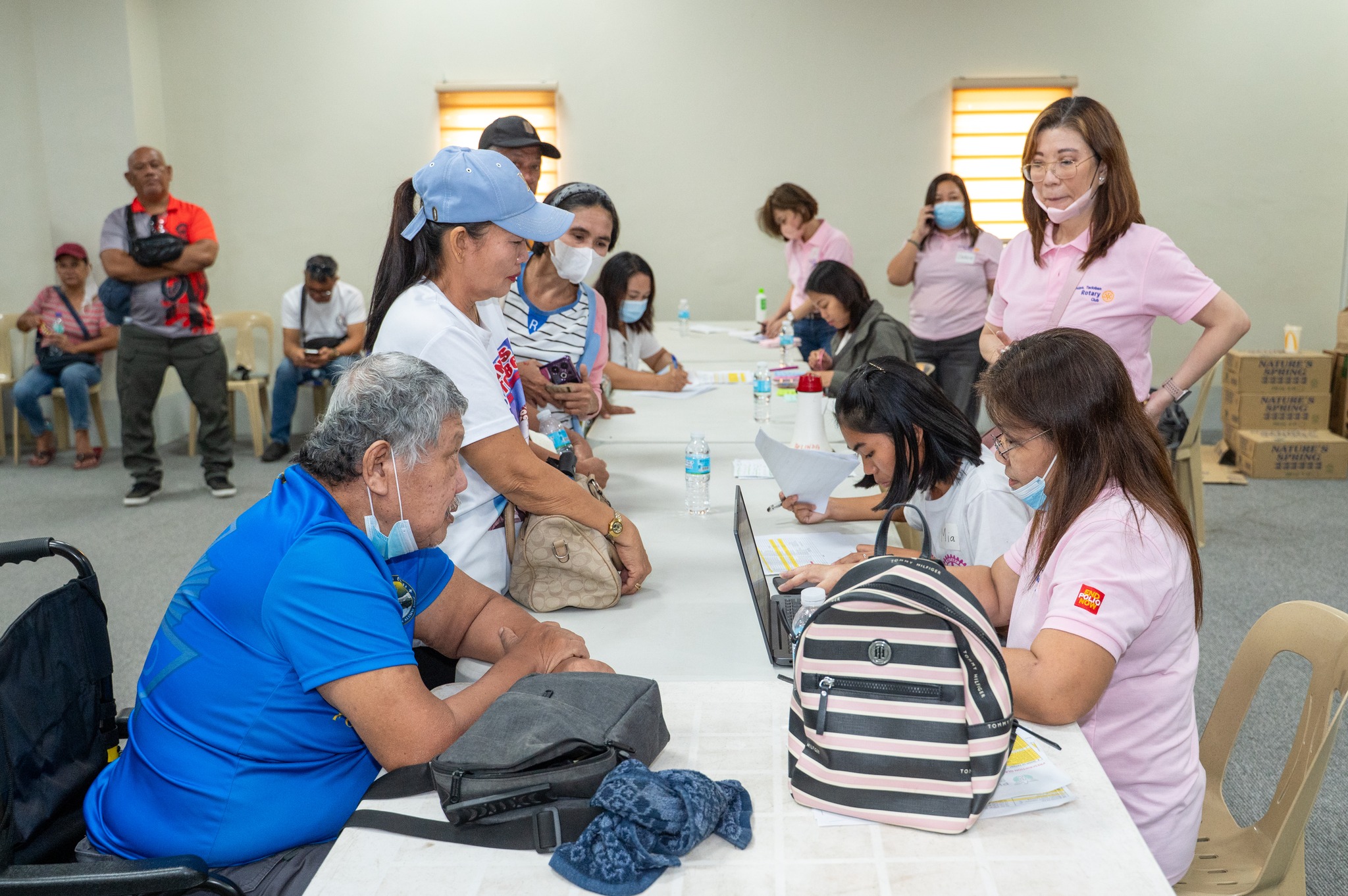
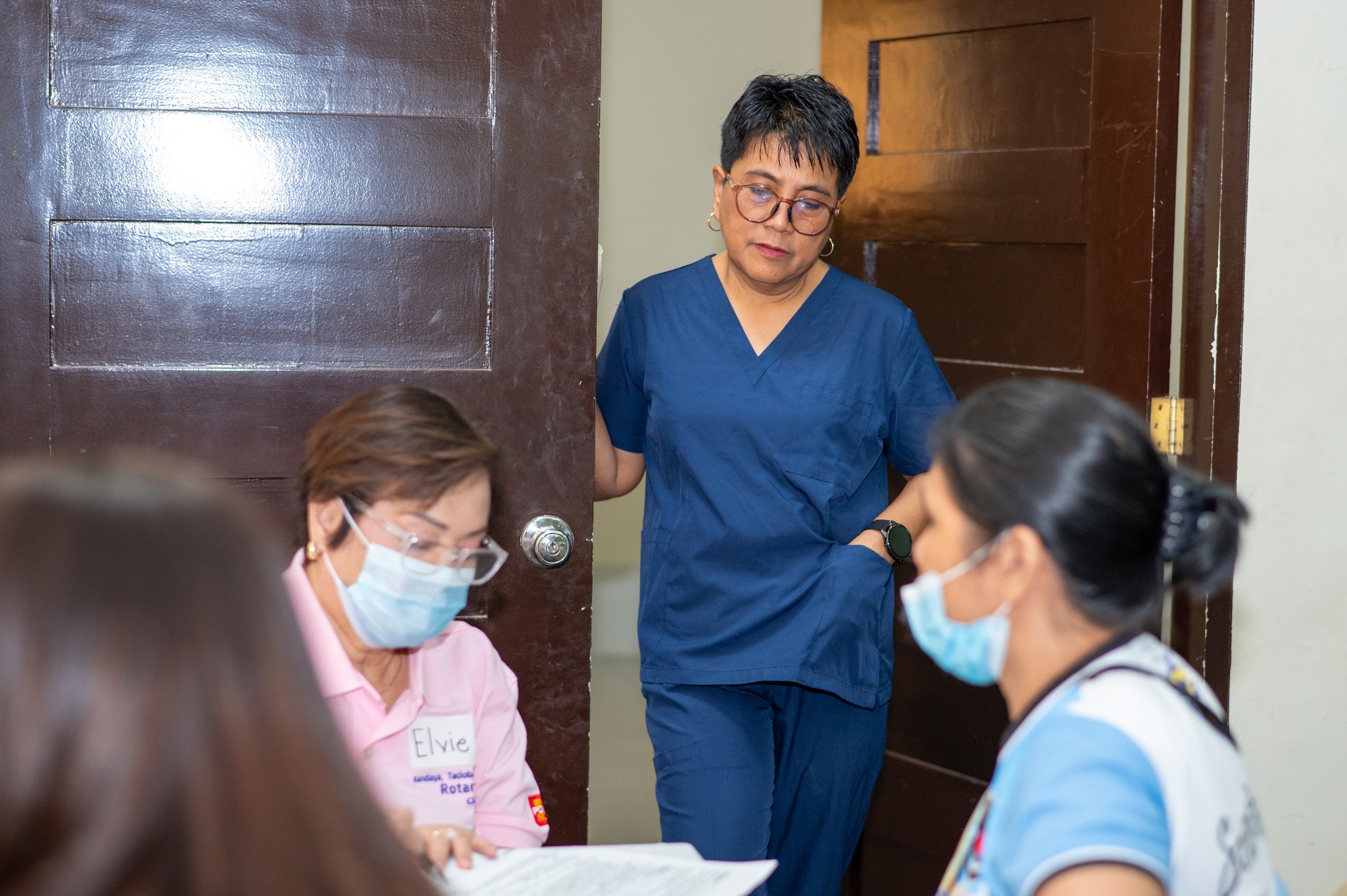
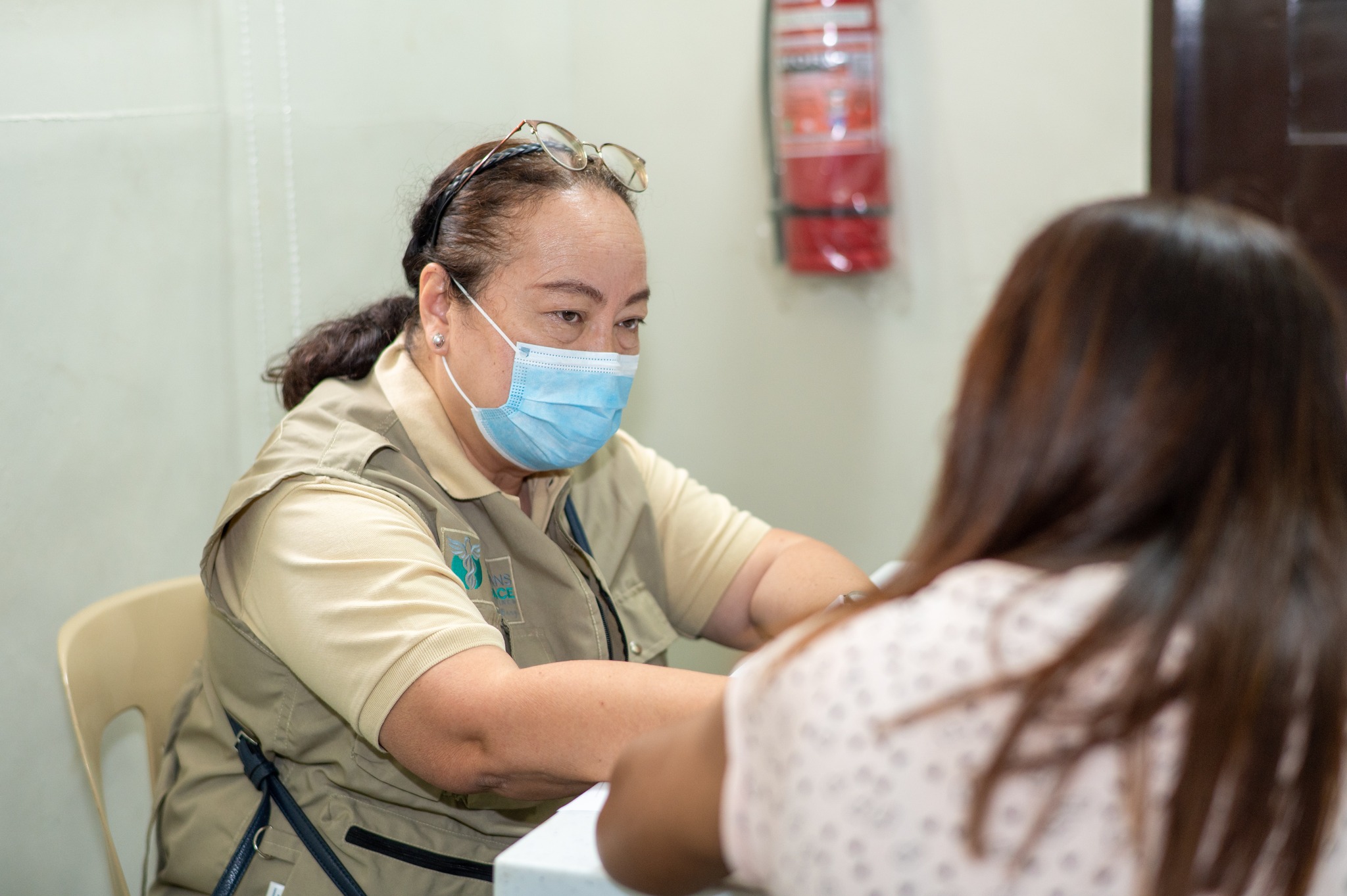
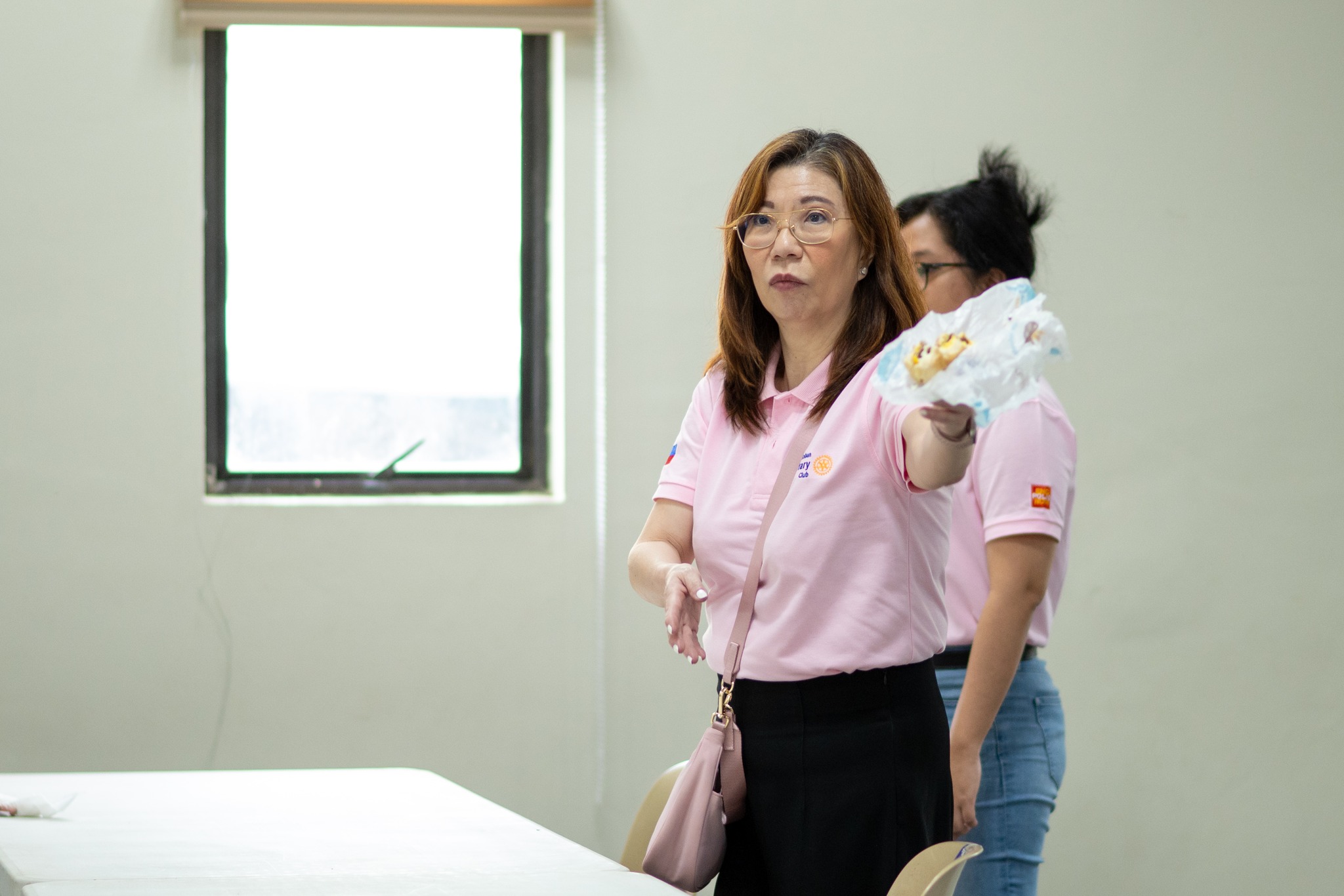
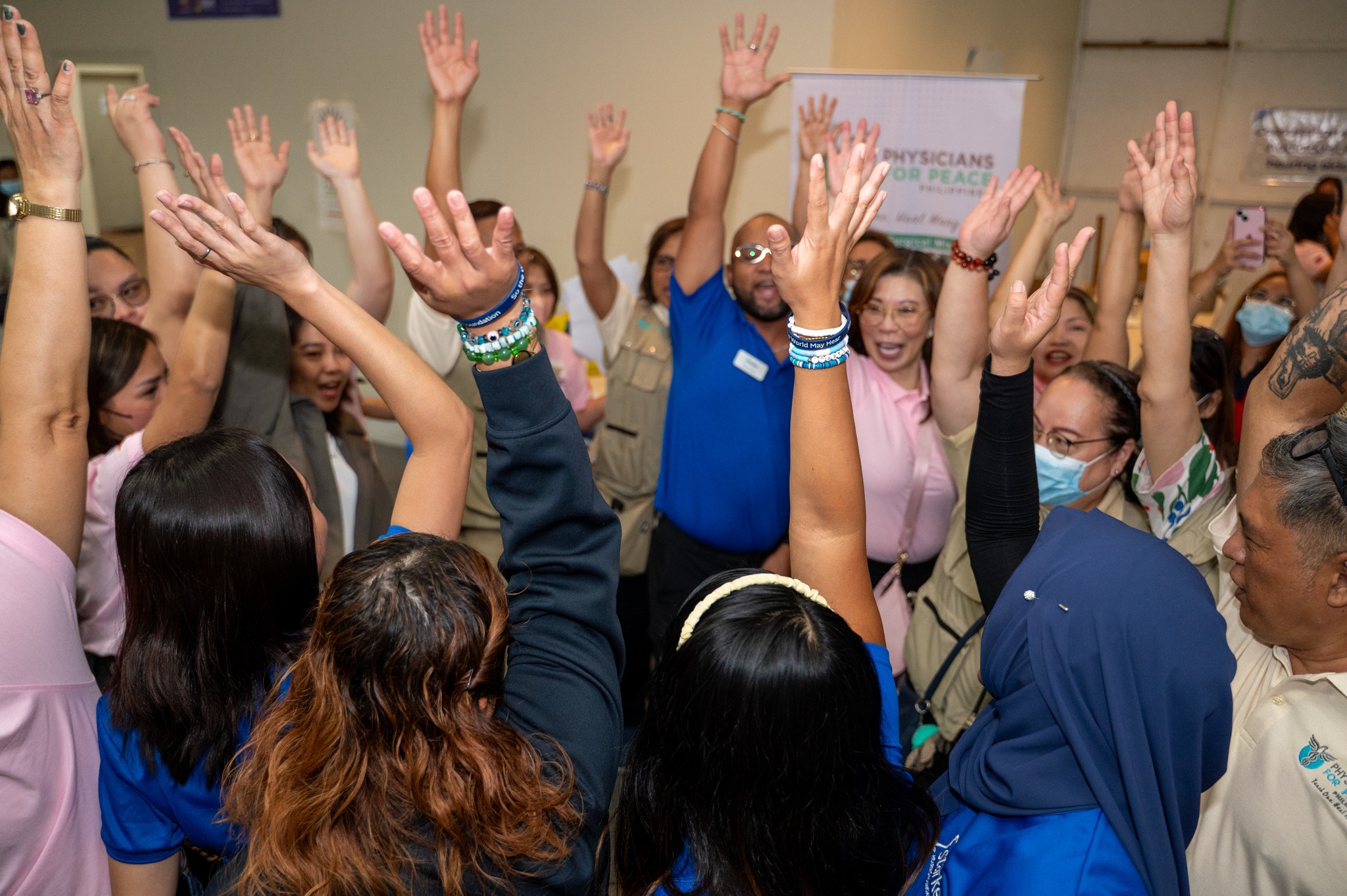
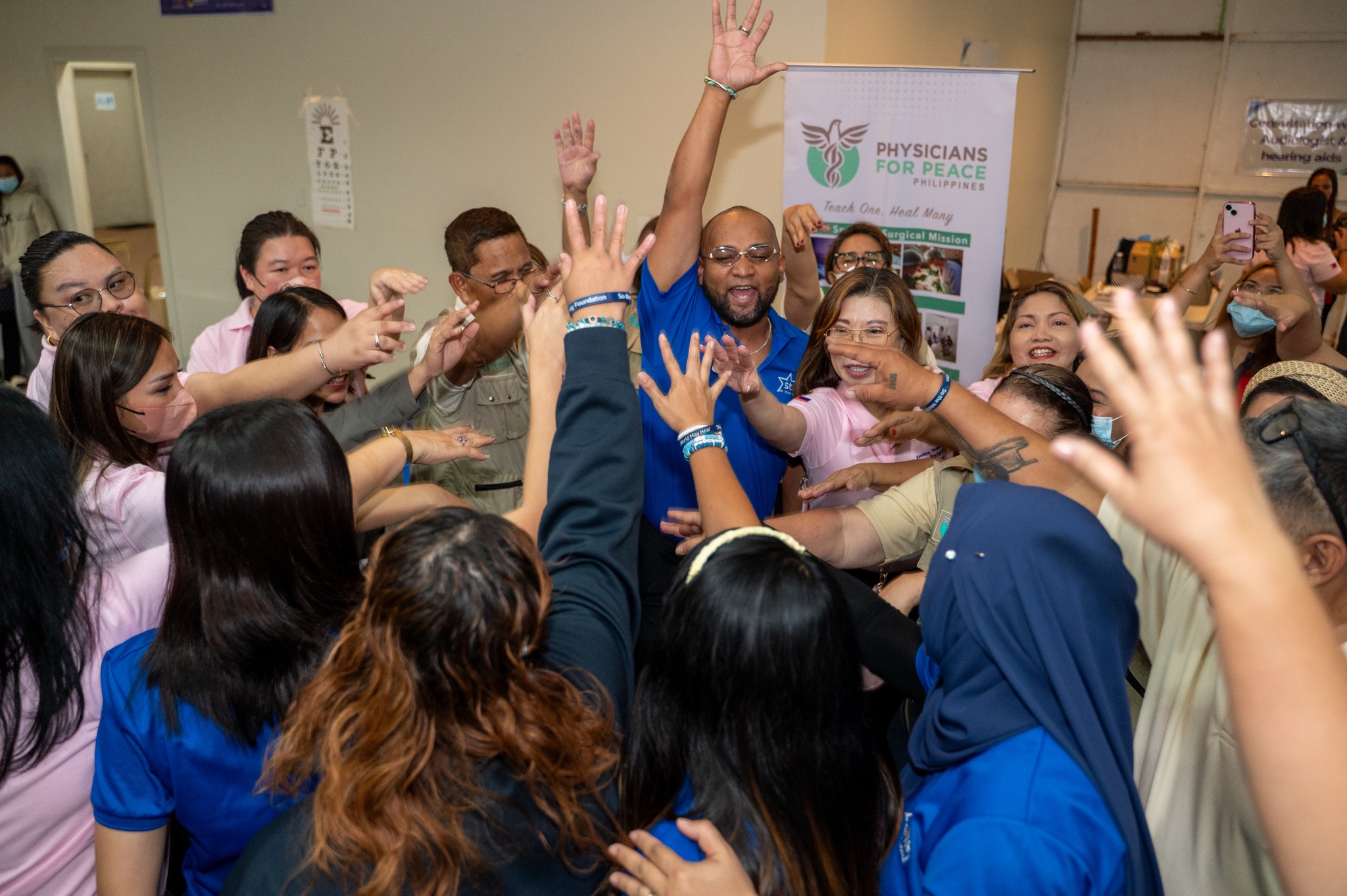
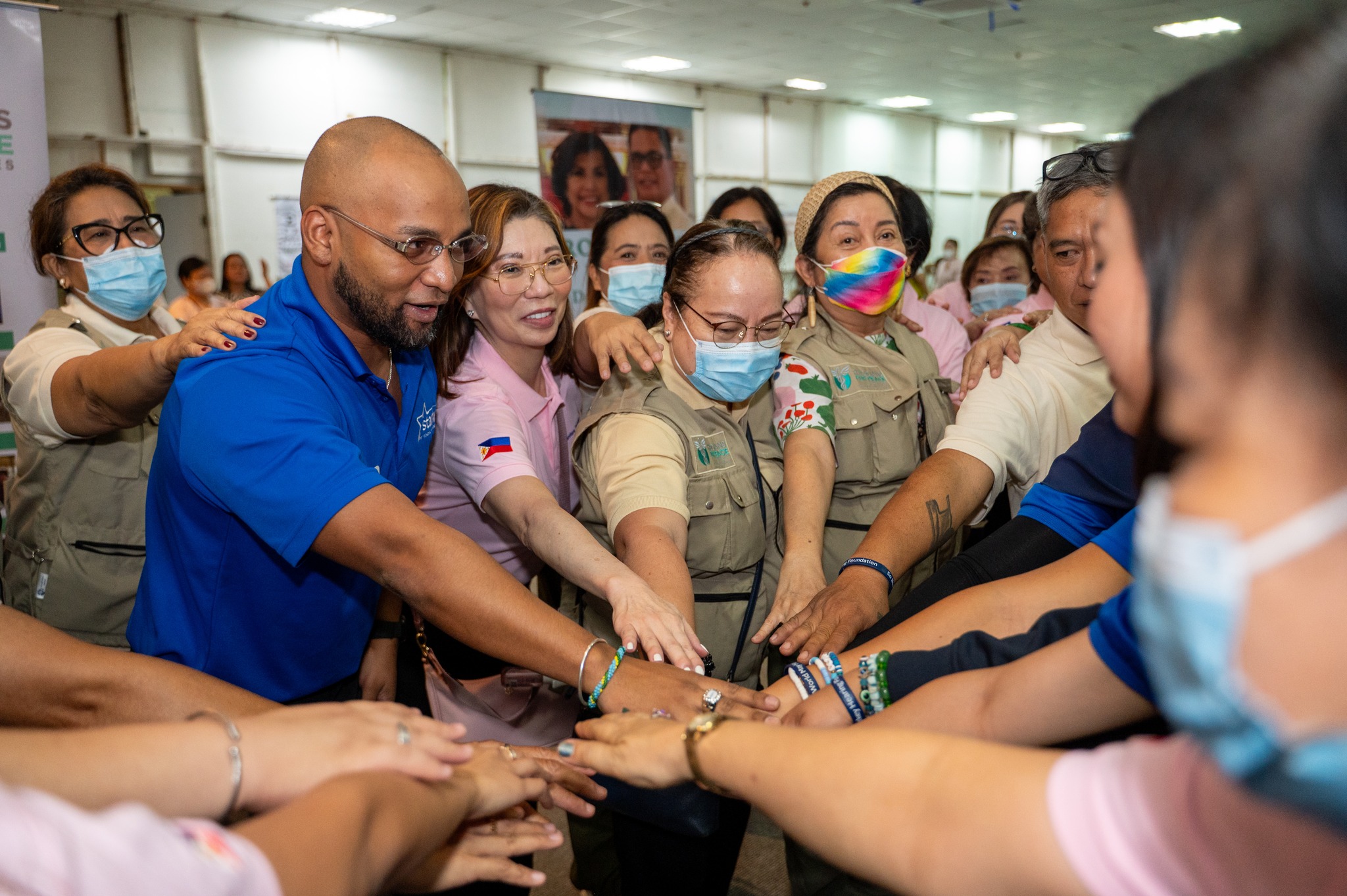
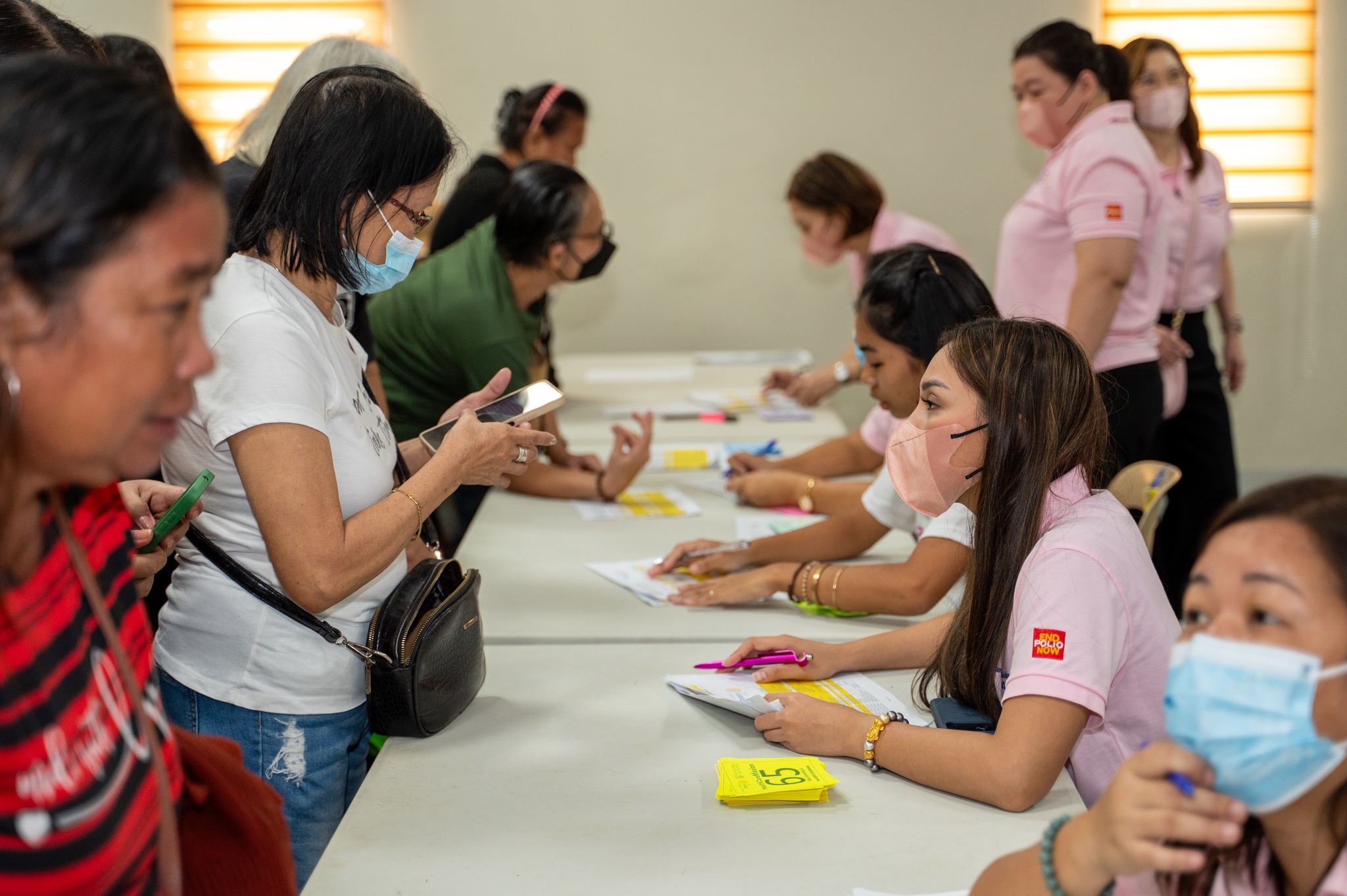
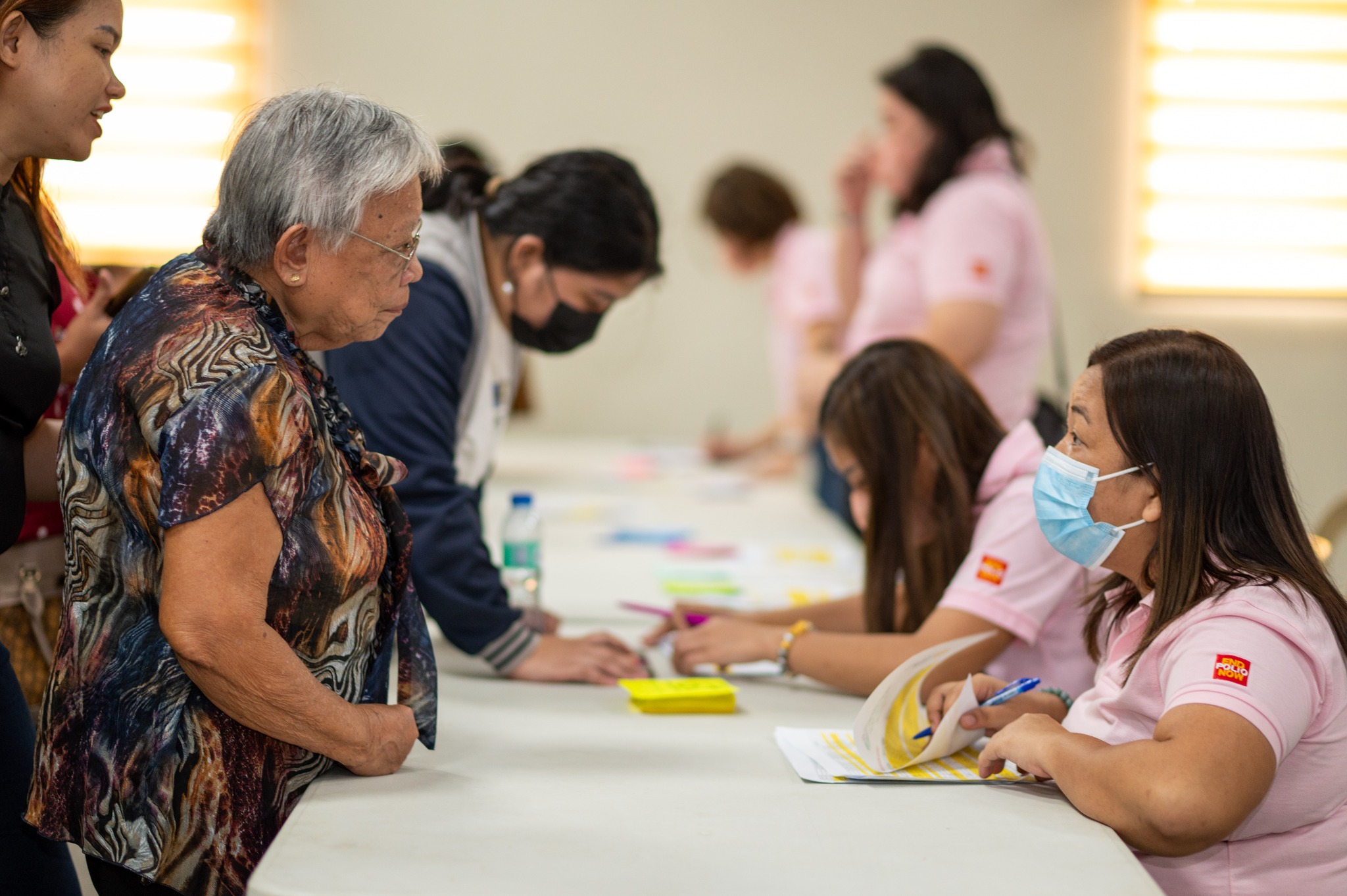
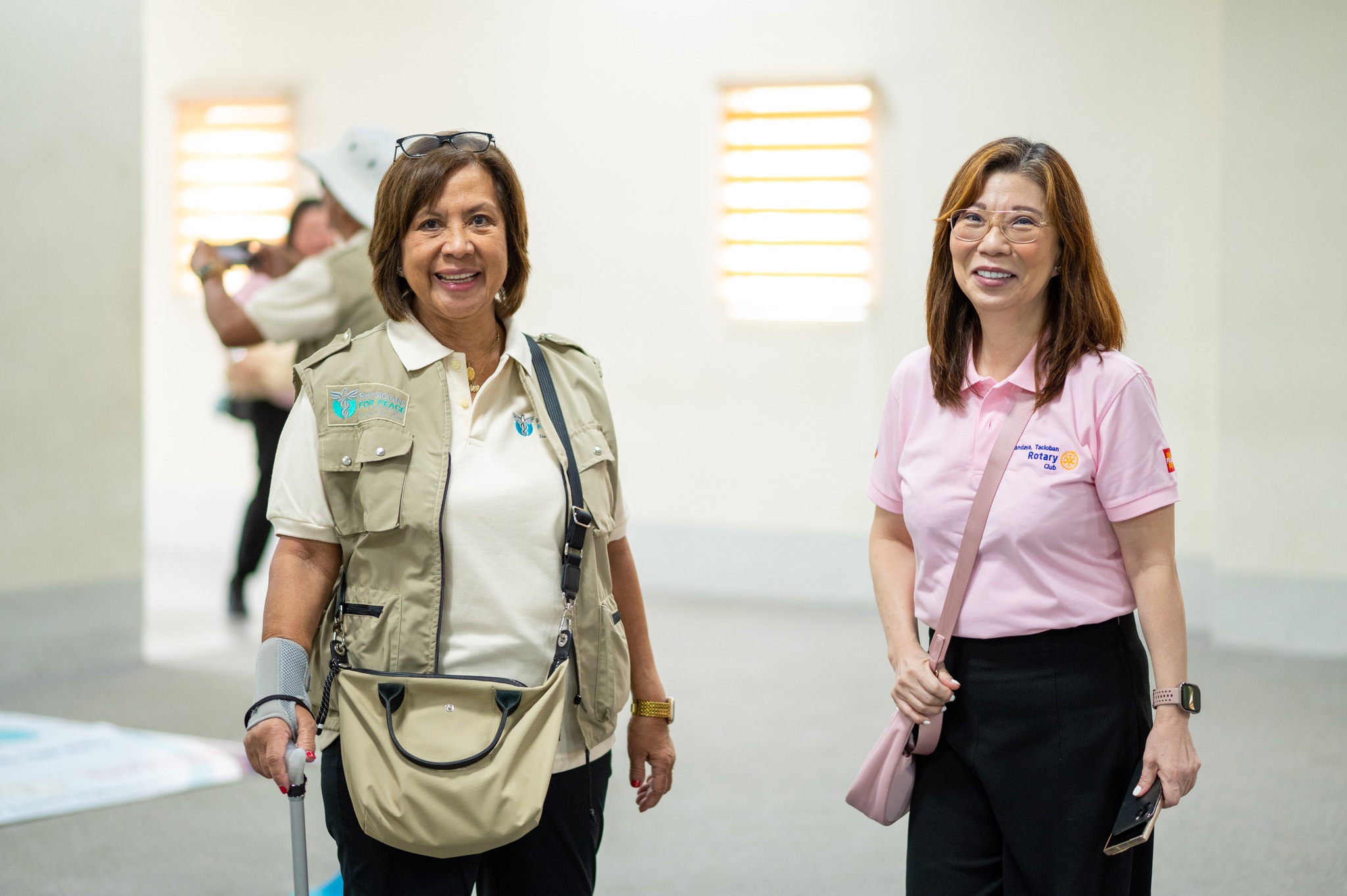
Local partners filled in the rest of the picture. Members of the Rotary Club network, together with volunteers and staff from Starkey Foundation, the Philippine Tuberculosis Society Tacloban, EVMC‑PARM, and the Church of Jesus Christ of Latter‑day Saints, worked shoulder to shoulder with PFPP staff and specialists. Some handled registration and crowd flow, others carried boxes of medicines and supplies from one building to another, while many simply sat with patients, listening to stories that had been bottled up for years because there was no doctor to tell them to.
Faces Behind the Hashtags
The mission will be commemorated online via hashtags: #Mobility, #VisionCare, #BreastandCervicalScreening, #HearingHealthcare, #ProvisionOfHearingAids, #ProvisionOfWheelchairs.
On the ground, those words became tangible. A young person is trying out his new wheelchair outside the classroom, practicing how to navigate over minor cracks in the sidewalk. A market seller fighting back tears as she noticed she could distinctly see the lines on her palm through her new glasses. A mother softly applauding next to her child, who had just heard his name spoken at a normal volume for the first time in years. These are the images that linger long after the mission trucks have left Saint Paul’s and students return to their usual classes.
January 11 in Ormoc was more than just a marked date on the calendar. It was the day the campus stopped being a school and started being a lifeline. The usual hierarchy—doctor versus patient, provider versus beneficiary—dissolved. You didn’t see an organization processing statistics. You saw neighbors looking out for each other.
It proved a point we often forget: healthcare doesn’t have to be something you dread. It can be a place where you walk in anxious and walk out feeling whole.