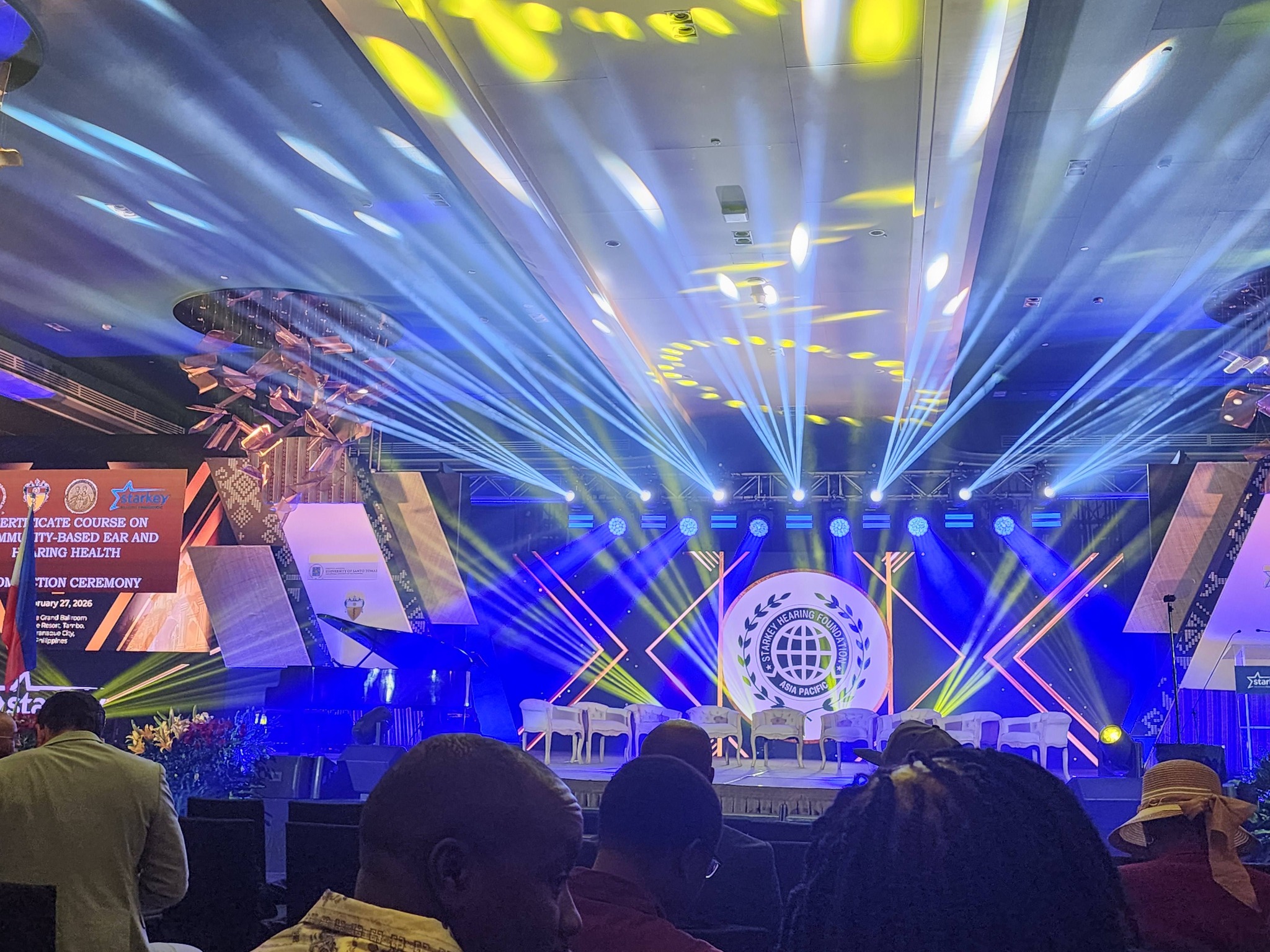
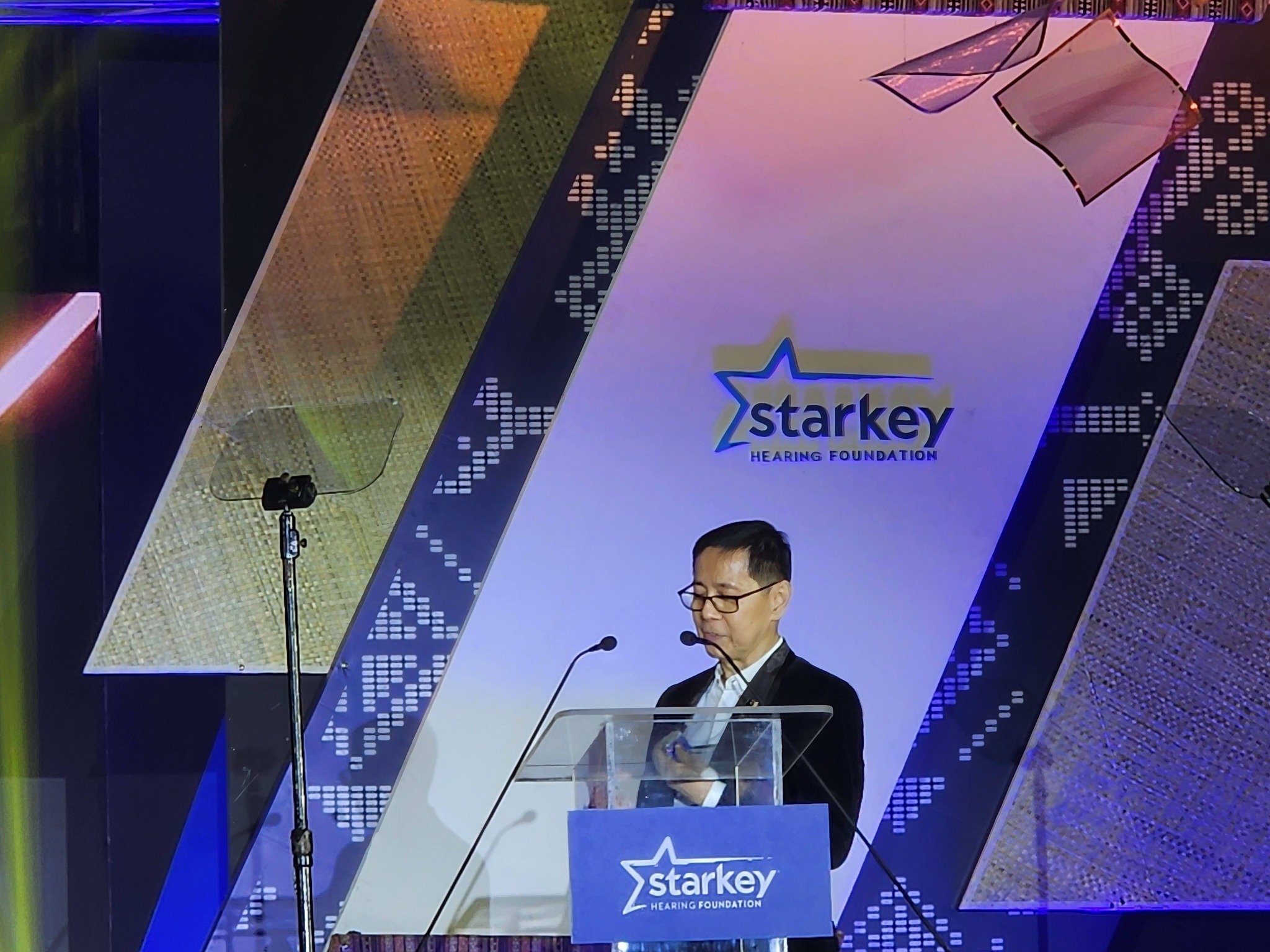
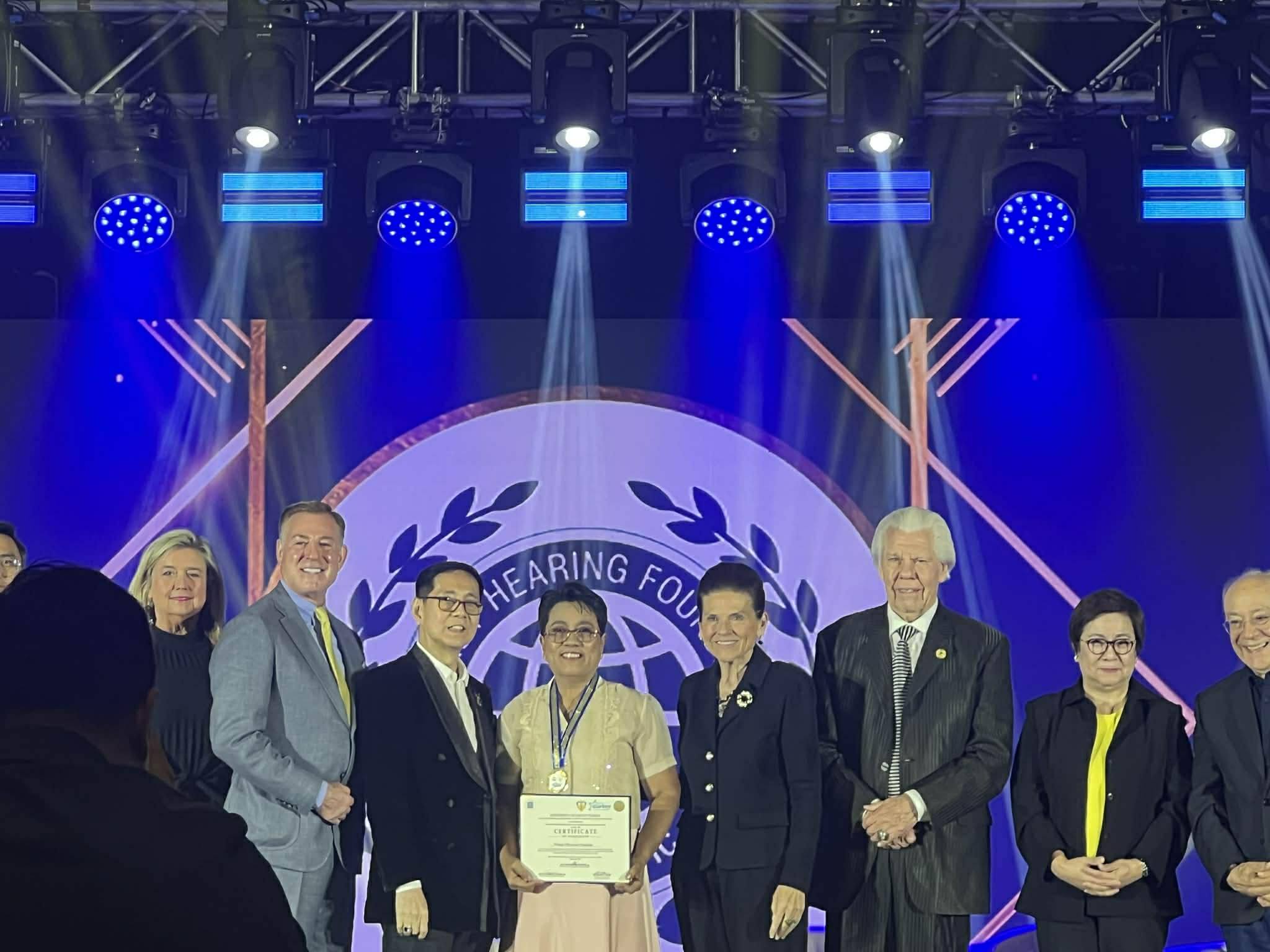
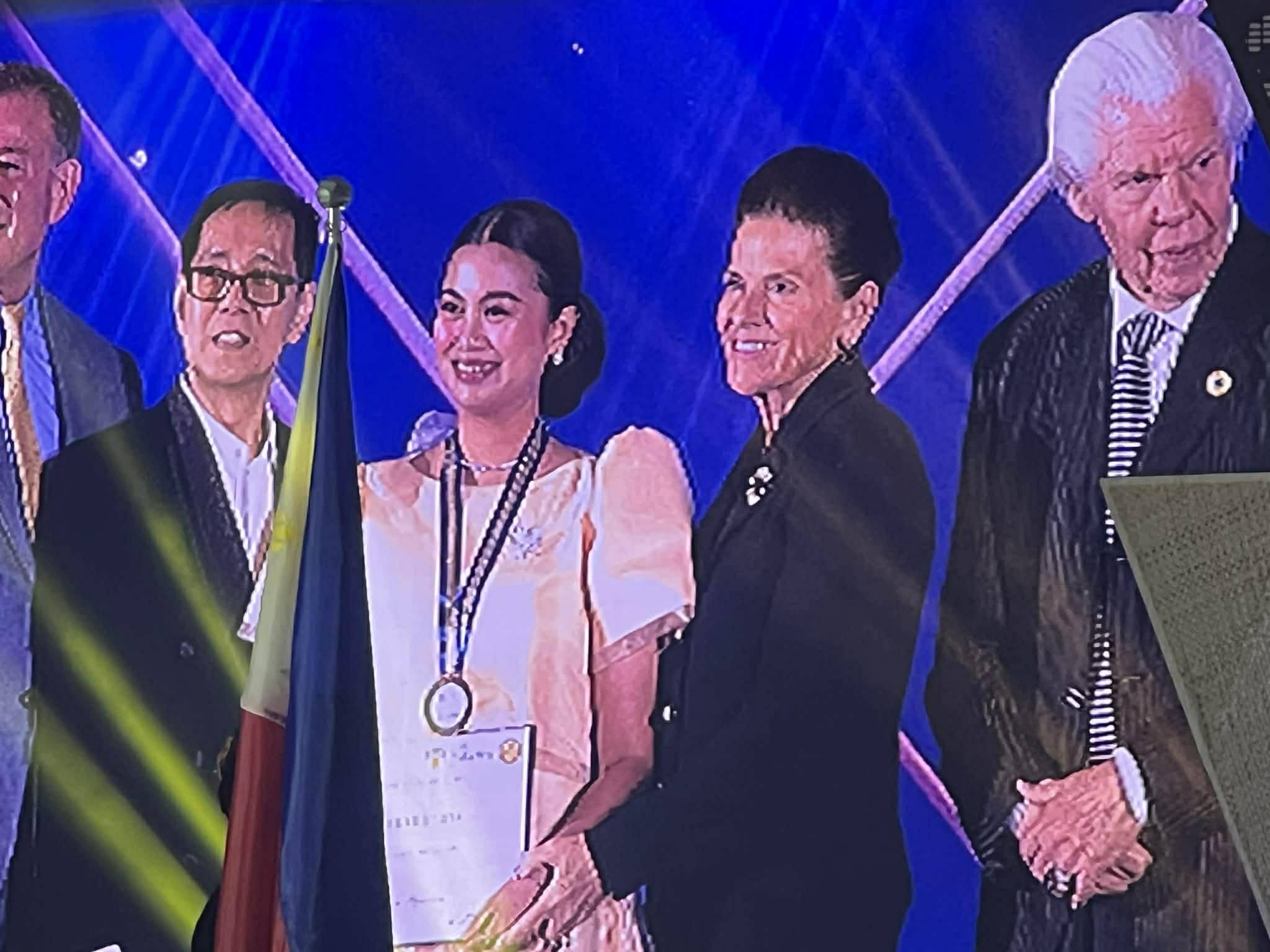
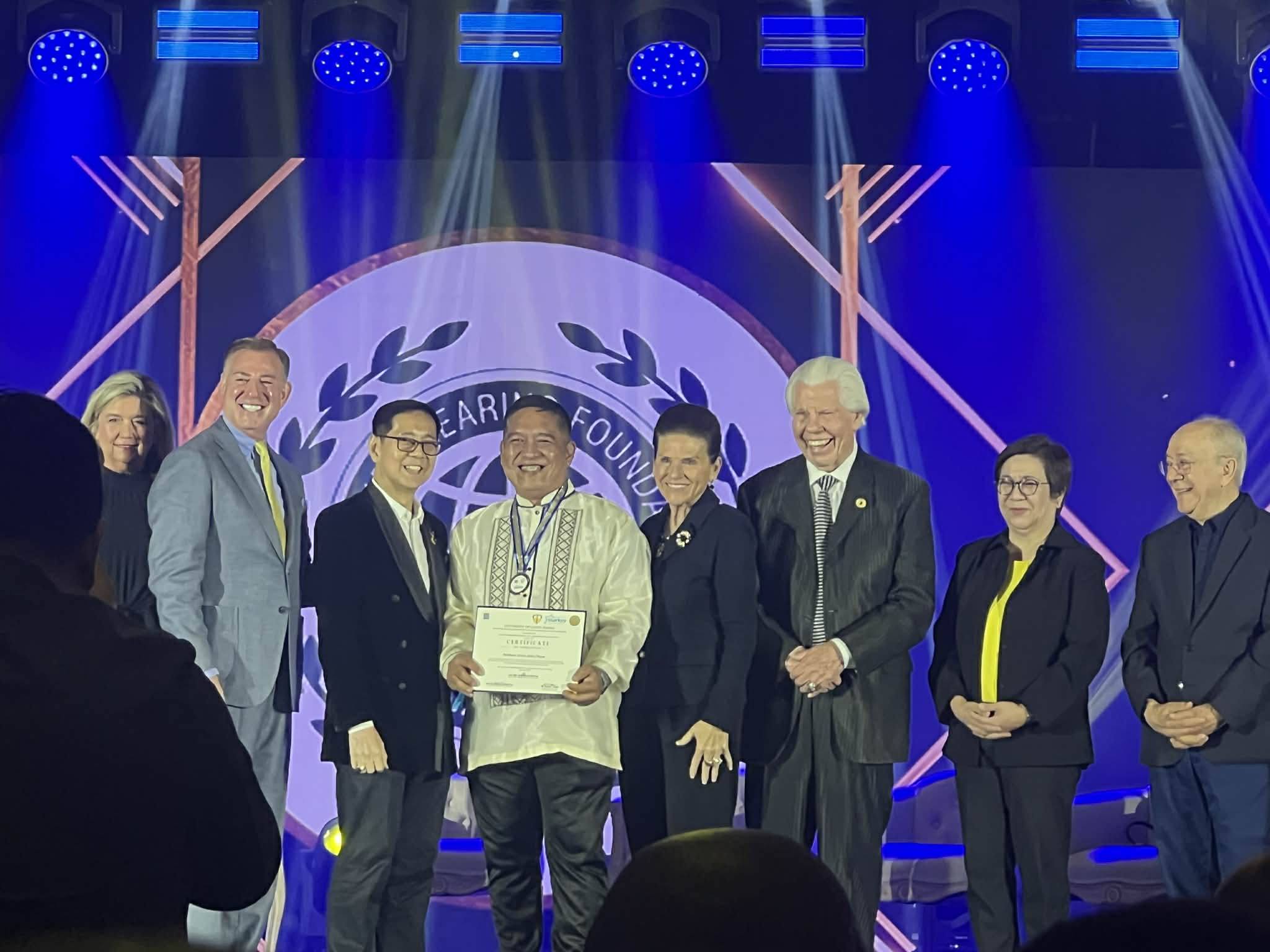
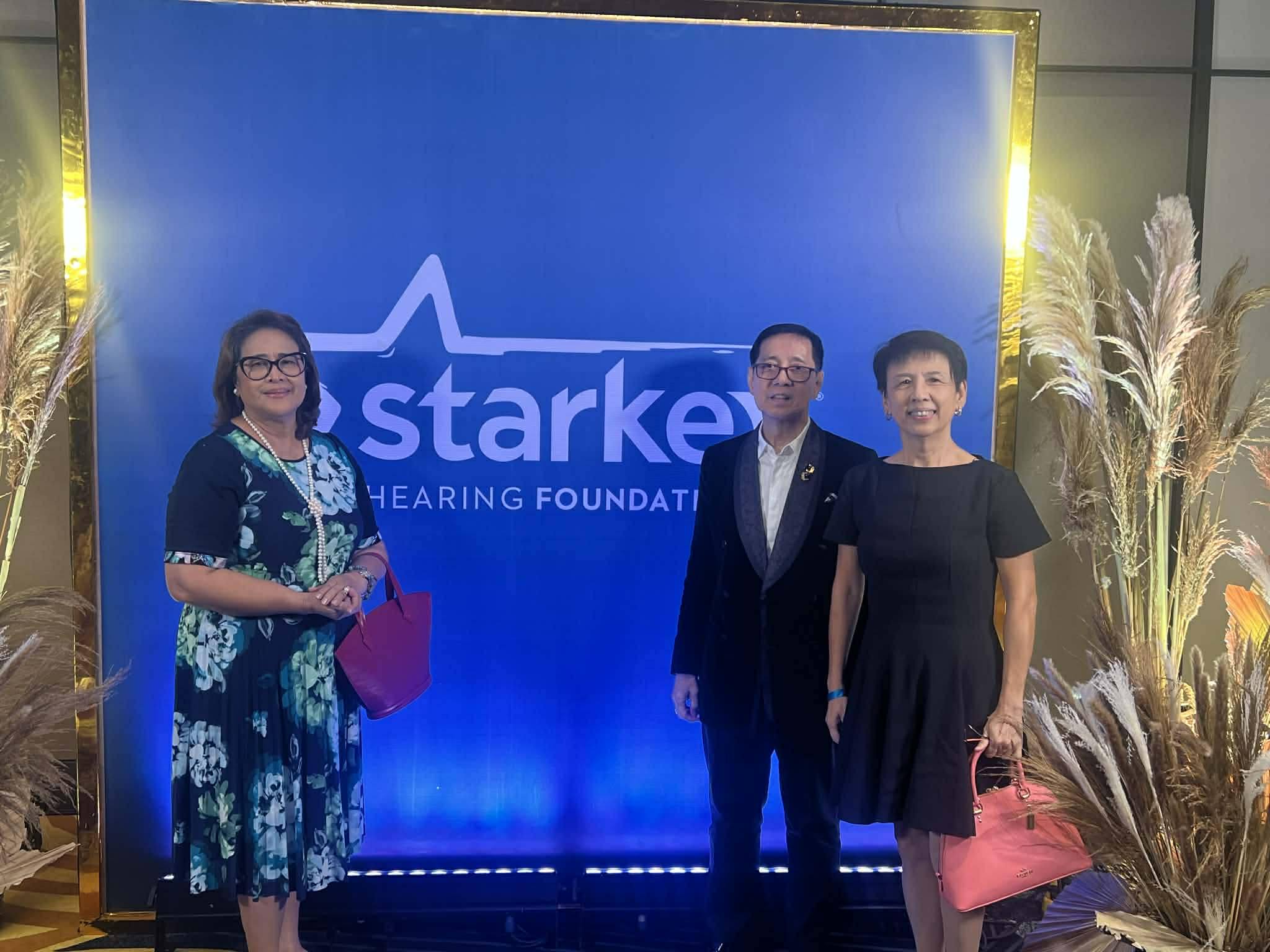
MANILA — There are graduations that mark the end of something. And then there are graduations that mark the beginning of everything that matters. The ceremony held for the graduates of the Starkey-UST Certificate Course on Community-Based Hearing Health Care was firmly, unmistakably, the second kind.
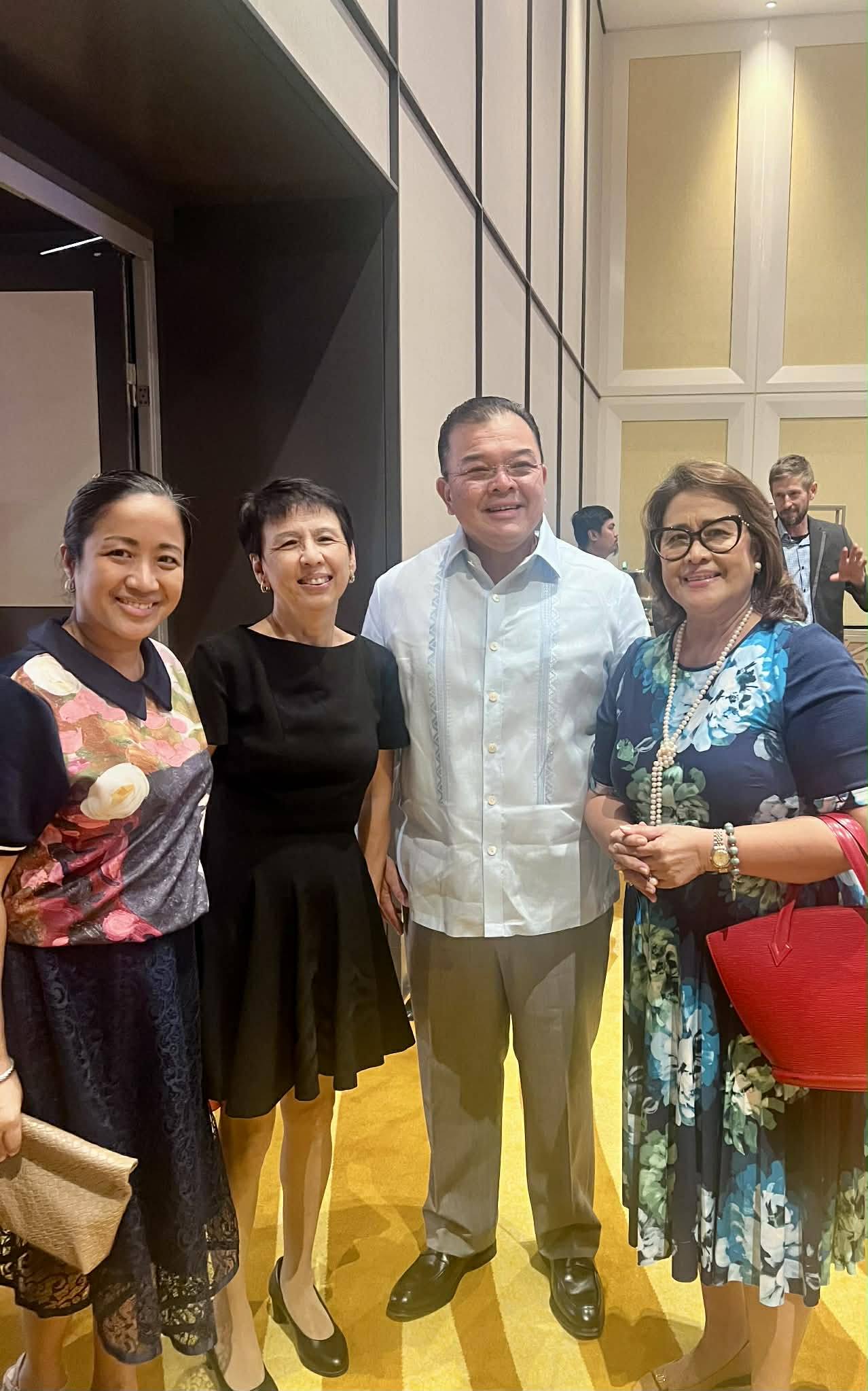
Physicians for Peace Philippines Chief Operating Officer, PDG Lyne Alano Abanilla, was among those honored to witness the occasion, seated in a room that understood what it was celebrating. Not just academic completion. Not just another credential to frame and hang. What the room was celebrating was capacity. The quiet, lasting, multiplying kind of capacity that happens when you train the right people to bring the right care to communities that have been waiting for it, sometimes for their entire lives.
How a Partnership Is Born
Partnerships that change lives rarely begin with formal memoranda of agreement and press releases. They begin with a phone call, a referral, a colleague who says: You need to meet these people. For Physicians for Peace Philippines, the introduction to the Starkey Hearing Foundation came through PFPP Trustee and ENT Specialist Dr. Norby Martinez.
He saw what Starkey was doing and understood immediately that it belonged alongside what PFPP was building. He made the connection. And from that single introduction, a partnership grew that has since placed hearing aids in the ears of beneficiaries from Camarines Sur to Calapan to Ormoc, from island communities reachable only by boat to barangay health centers at the end of gravel roads. That is what a good referral does. It does not just connect two organizations. It connects two missions that were already running in parallel and did not yet know the other existed.
What the Course Built
The Starkey-UST Certificate Course on Community-Based Hearing Health Care is not a course designed for specialists who will practice inside well-equipped clinics in urban centers. It is designed, deliberately and thoughtfully, for the community. For the health workers who will go to where the need is, who will sit across from a farmer who has not heard his wife clearly in a decade or a child who has been misdiagnosed as a slow learner when the real problem has always been in her ears.
Community-based hearing healthcare is a discipline that requires both clinical grounding and a certain human literacy. You have to know how sound works, how loss presents, how devices function and fail. But you also have to know how to sit with someone who has never been to an audiologist, who does not know the vocabulary of hearing loss, who is frightened or embarrassed or simply overwhelmed by the machinery of a formal healthcare setting. The graduates of this course have been trained in both.
Physicians for Peace Philippines was proud to send scholars to this course through the generous support of the Philippine-Japan Manning Consultative Council (PJMCC). That these scholars now hold a certificate is meaningful. But what it actually represents is a set of hands and a set of trained eyes and ears that will go back into underserved communities and find the people who have been missed. That is the investment. That is what a scholarship to a course like this actually buys.
The People Behind the Program
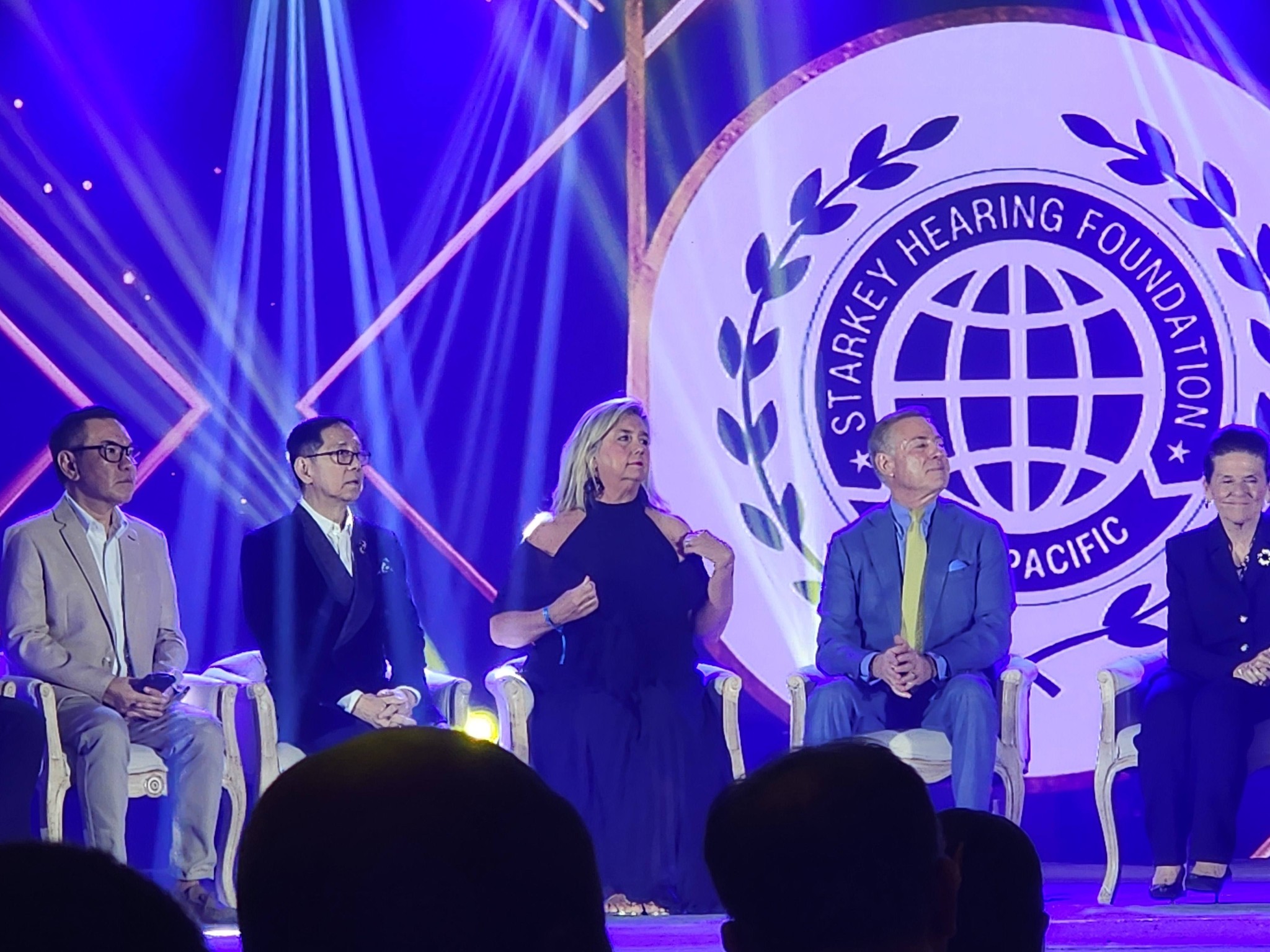
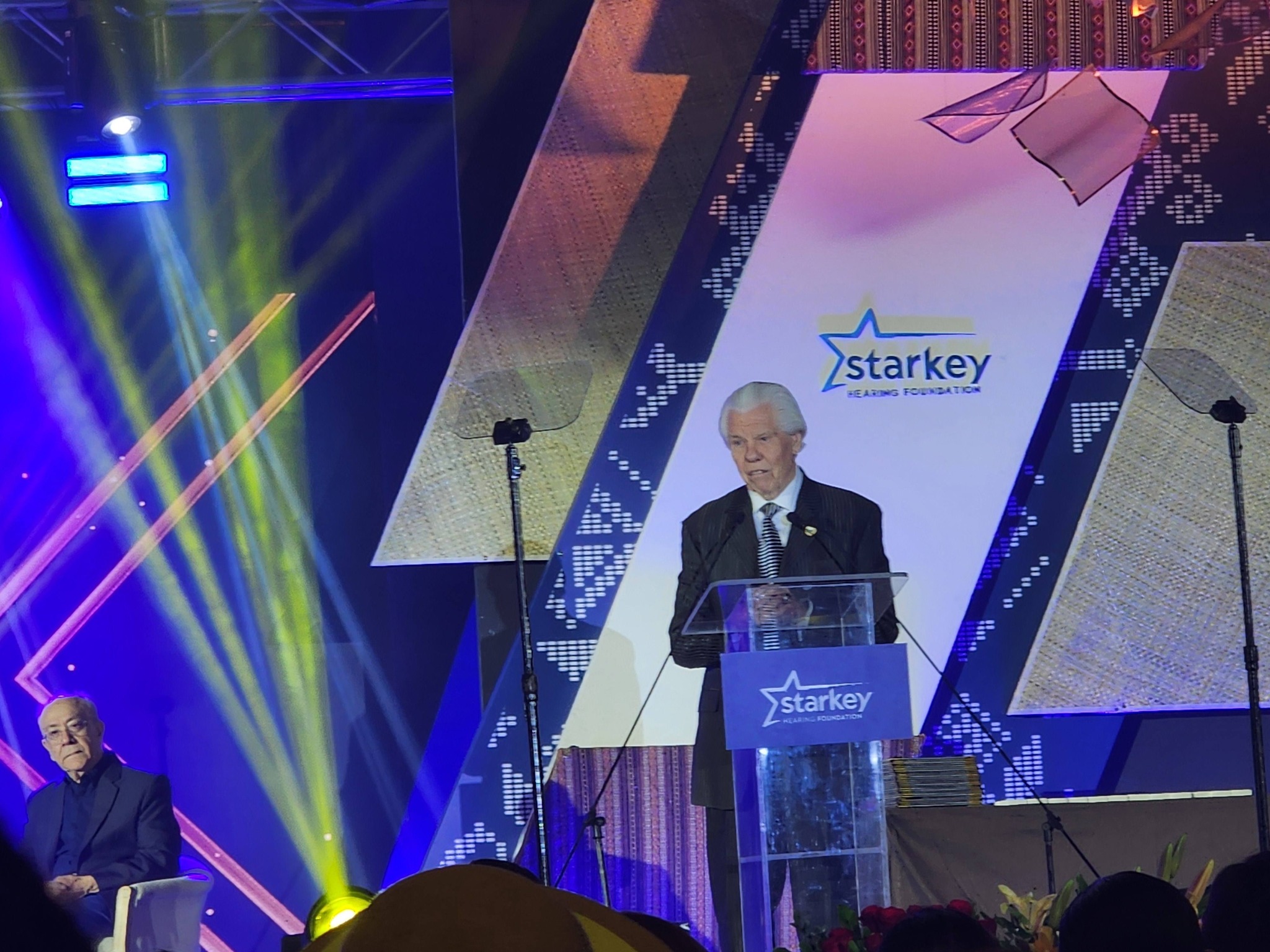
To speak of Starkey Hearing Foundation without speaking of Bill and Tani Austin would be to tell the story without its heart. Bill and Tani Austin built something that exceeds what most organizations dare to imagine. The Starkey Hearing Foundation has reached millions of people across the world who could not access hearing care through any conventional pathway. Their conviction, that hearing is not a privilege reserved for those who can afford it but a human right that belongs to everyone, is not a tagline. It is the organizing principle of everything the Foundation does.
That vision is carried forward in the Philippines through the leadership of President Richard Brown and the full Starkey team, whose presence in PFPP missions has become one of the most consistent and beloved constants of their work together. The Starkey team does not simply ship equipment and send instructions. They show up. They fit. They follow up. They stay until every beneficiary has been properly attended to. In the field, that kind of partnership is rare and worth protecting.
A Room Full of What Comes Next
There is a particular quality to the energy in a graduation room when the people graduating understand the weight of what they have just been given. It is not the loud, relieved energy of people glad to be done. It is something steadier. More purposeful.
The graduates of the Starkey-UST course carried that energy. These are health workers who now know things they did not know before. Who can do things they could not do before. Who will go back to their communities and find children sitting in classrooms unable to learn because of undiagnosed hearing loss, elderly residents who have quietly withdrawn from family life because they can no longer follow a conversation, and young people whose potential has been constrained by a condition that is, with the right care, entirely addressable. They will find those people. And now they will know what to do.
The Fellowship That Sustains the Work
Graduation evenings are also evenings of fellowship, and this one was no different. The people in that room represented a particular kind of network: clinicians and community health workers, foundation leaders and program partners, educators and advocates, all connected by a shared conviction that hearing health belongs in the last mile.
PDG Lyne described the evening simply as a great evening of fellowship, service, and friendship. Those three words carry more than they appear to. Fellowship sustains the work when the logistics get difficult. Service gives it direction. And friendship, the kind built in the field, over long mission days and late dinners, and the particular bond of people who have watched something beautiful happen in someone else’s life, is what keeps people coming back.
Physicians for Peace Philippines leaves that evening grateful. For the graduates, who carry the work forward. For Dr. Norby Martinez, who made the introduction that started it all. For the PJMCC, whose support put scholars in seats that will now multiply into communities served. For Bill and Tani Austin, and for Richard Brown and the full Starkey team, who understood long ago that changing the world begins with helping one person hear their name.
Congratulations to all the graduates. Go back to your communities. Listen well. The work is waiting.
Physicians for Peace Philippines continues its commitment to bringing inclusive, community-centered healthcare to underserved Filipinos across the archipelago. To partner, donate, or volunteer, visit physiciansforpeace.ph