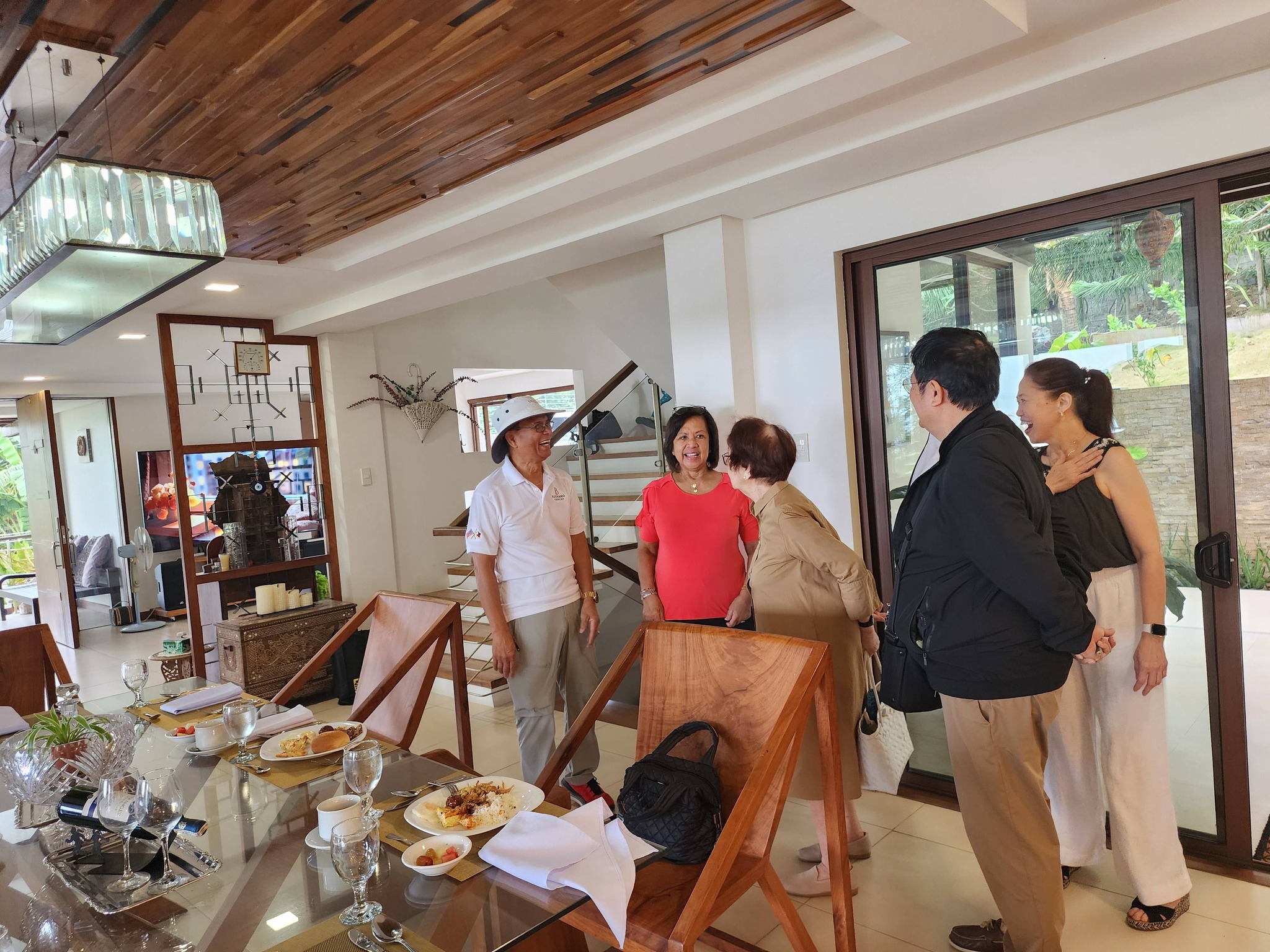
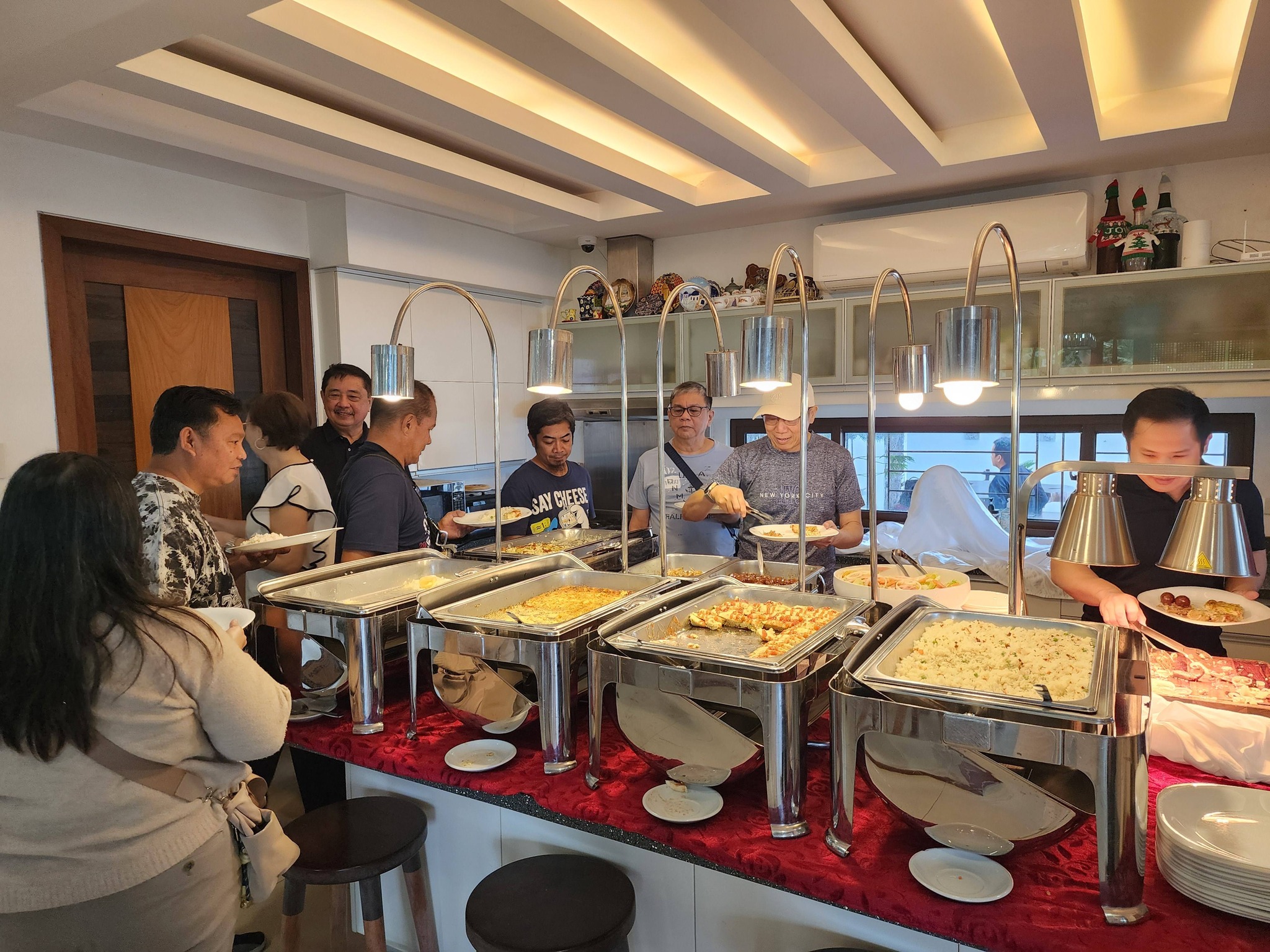
CALAPAN CITY, Oriental Mindoro — The best endings to a mission day are never the ones you plan. You plan the patient flow. You plan the service stations and the volunteer assignments and the supply checklist, and the transport logistics from the port to the venue. You plan for the heat and the crowd and the long afternoon. What you cannot plan is the brunch on the hill afterward, in a home that opens its doors because the people inside it believe in what you are doing and want to say so, the only way that really counts: by welcoming you to their table.
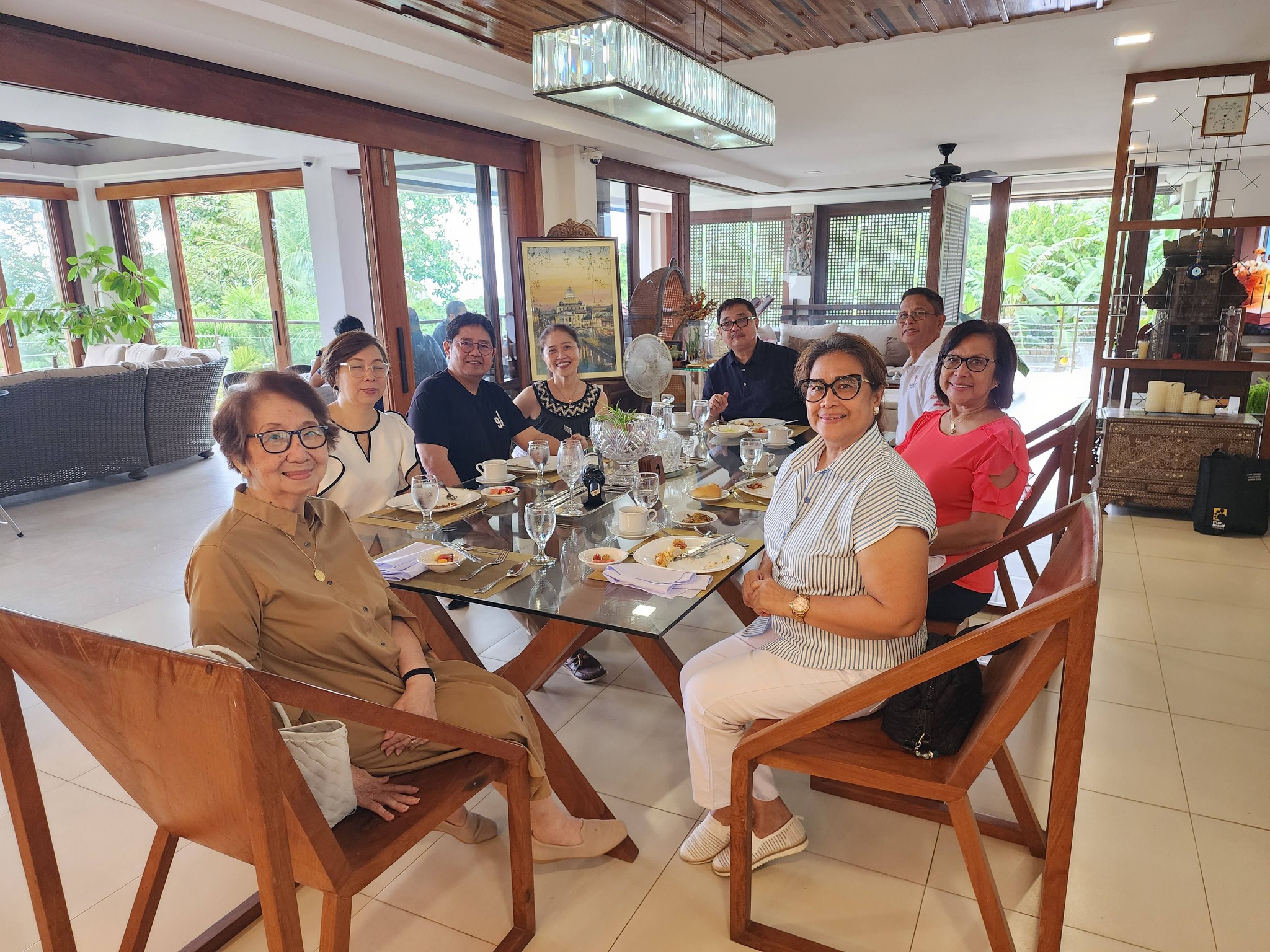
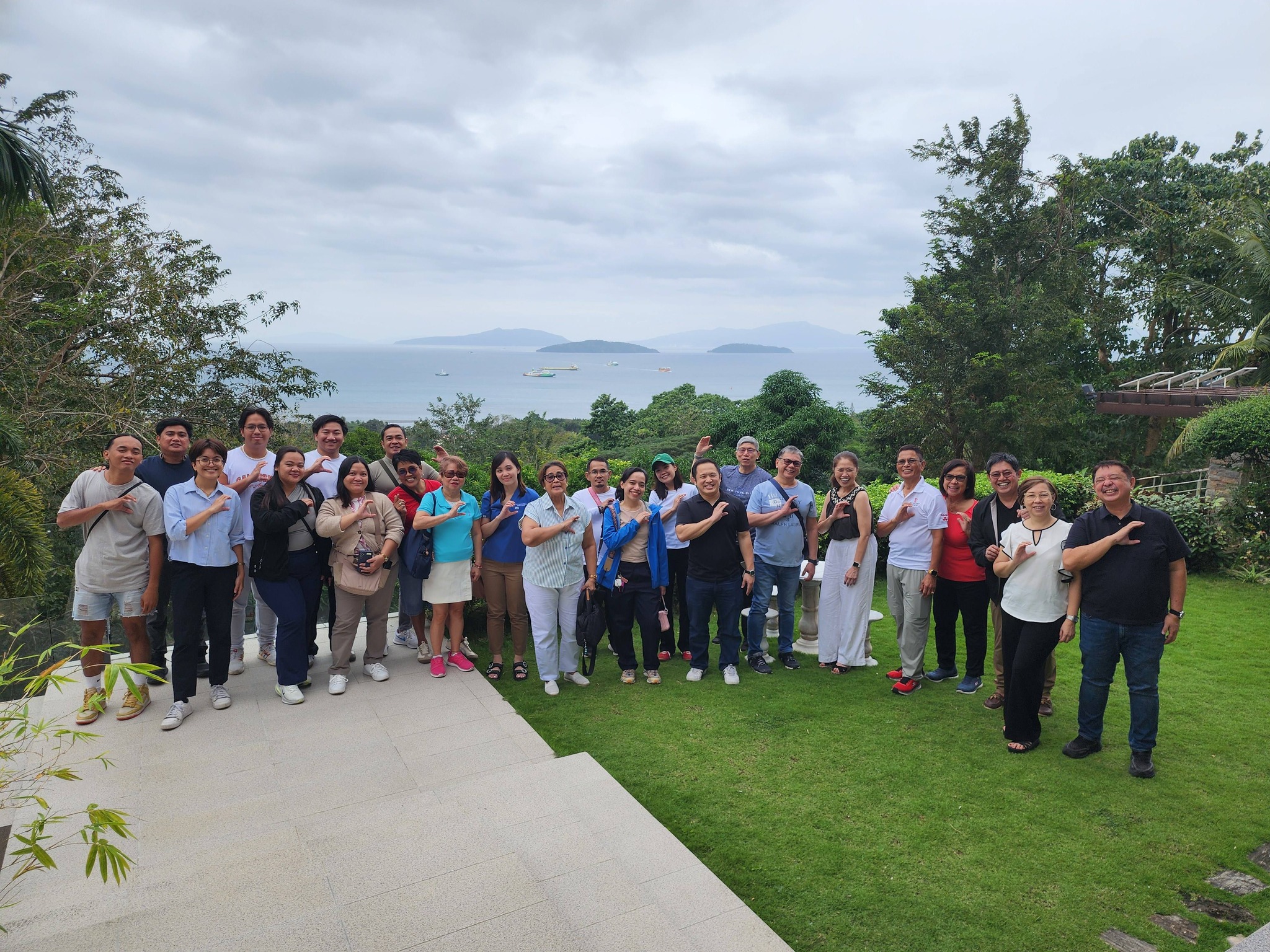
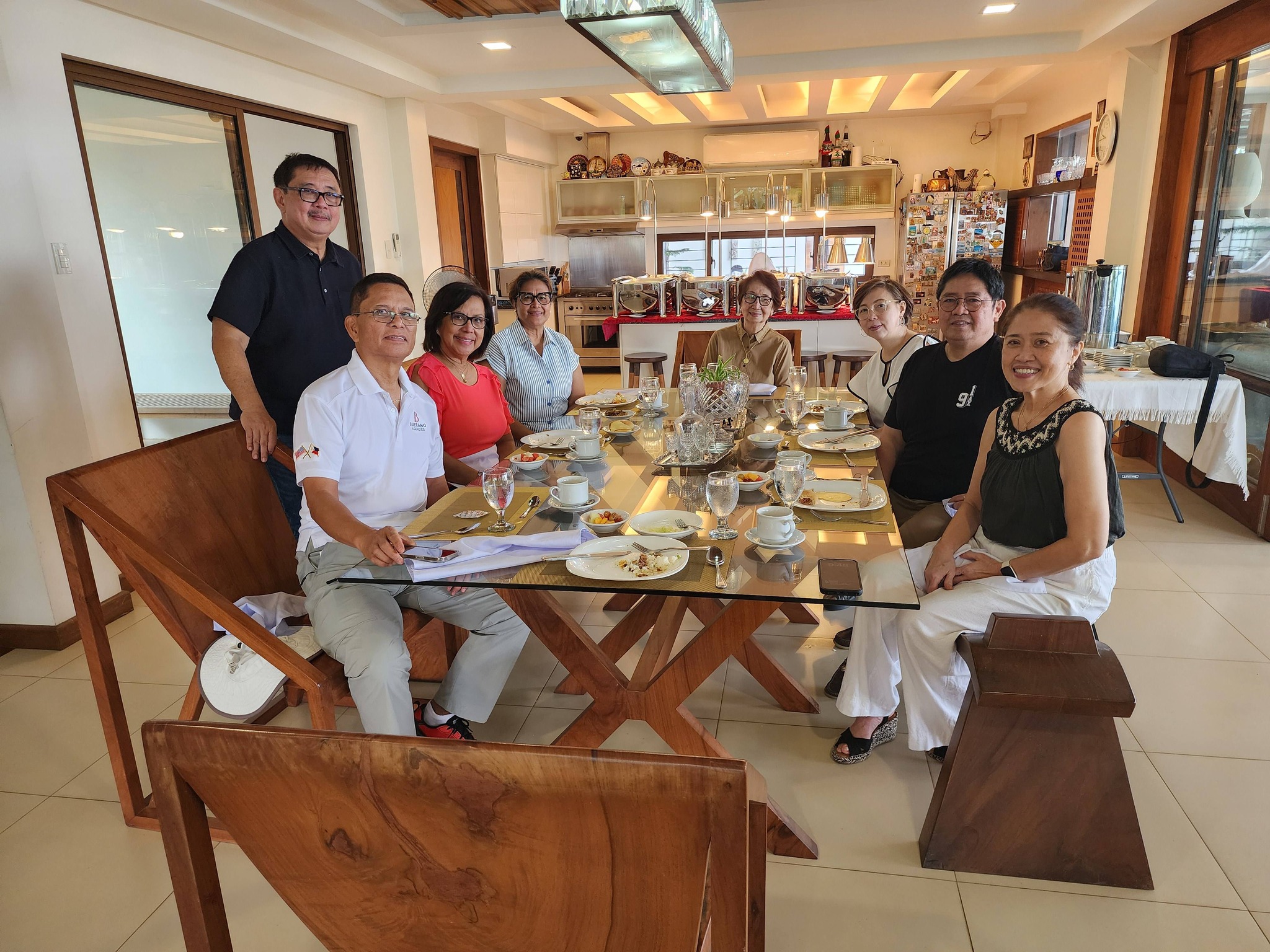
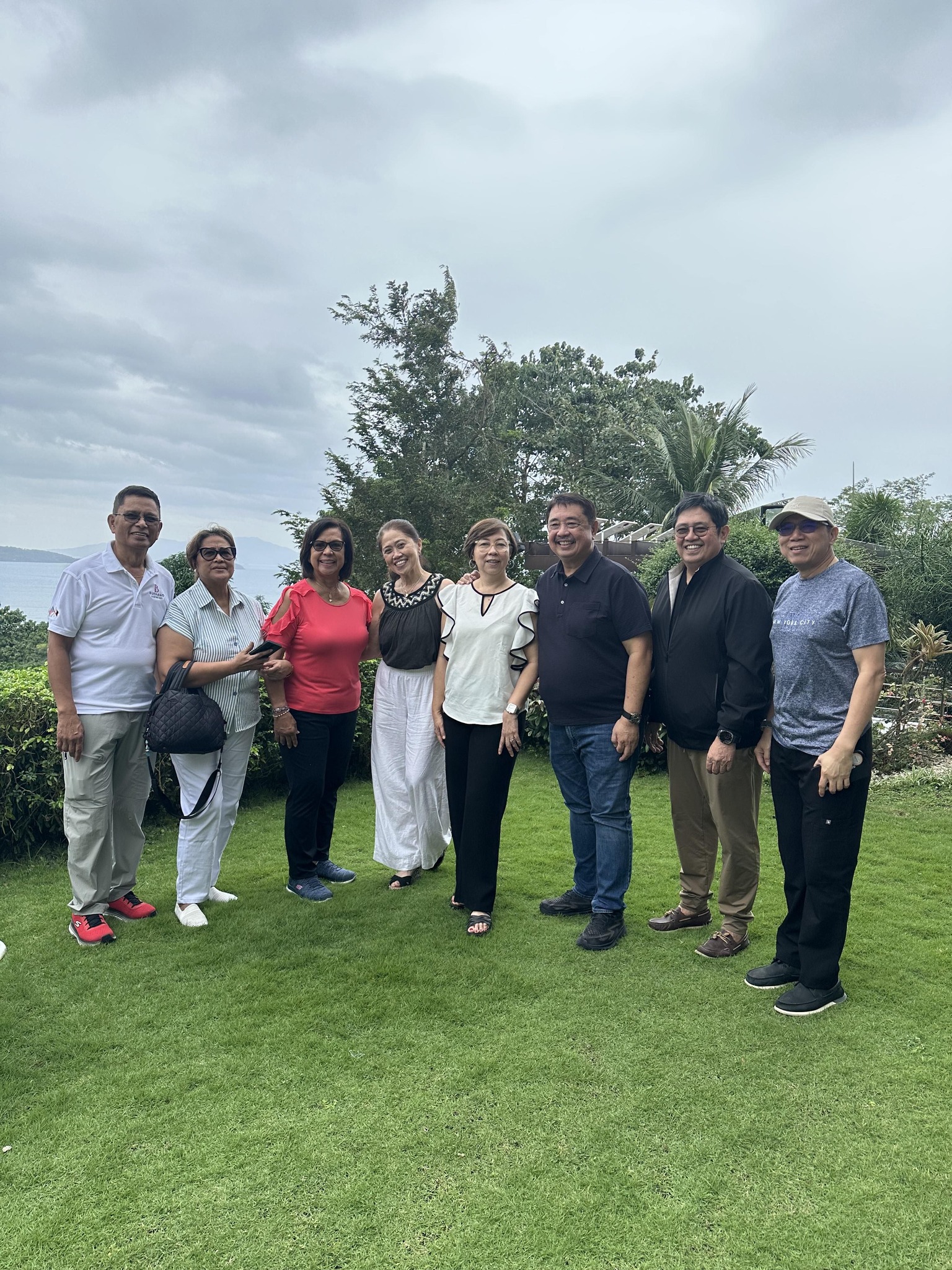
After a full and deeply successful healthcare mission in Calapan City, the Physicians for Peace Philippines team found themselves up a hillside road, arriving at the home of the Concepcion family, where two of the siblings are Rotarians, to a view that made everything that had just happened feel, somehow, even more worth it. The ocean stretched out below, the kind of view that does not apologize for being beautiful, and somewhere between the food and the fellowship and the laughter of people who had just done something good together, the day found its proper close.
What Came Before the Brunch
But first: the mission. Calapan, the capital of Oriental Mindoro, sits where the sea and the everyday rhythms of provincial life meet in a city that is always moving. Getting there requires crossing the Verde Island Passage from Batangas, a stretch of water that is, depending on the day, either a scenic hour or a humbling reminder that geography still governs much of Filipino life. For the PFPP team, crossing that water is simply part of the job. You go where the need is. If the need requires a ferry, you take the ferry. That ferry, on this particular day, was made possible in part by Northern Star, whose fuel sponsorship ensured the team arrived on the other side of that passage without having to worry about the logistics of getting there. It is the kind of support that rarely makes it into the story but quietly makes the story possible.
The mission that preceded the brunch was comprehensive by any standard. Mobility care brought wheelchairs and assistive devices to beneficiaries who had been identified and coordinated by the City Government of Calapan and its City Health Offices, residents whose independence had been constrained by physical limitation and for whom the right device can rearrange what a day looks like entirely. The mobility devices were donated by The Church of Jesus Christ of Latter-day Saints Charities, whose consistent partnership with PFPP has placed wheelchairs and assistive equipment in the hands of beneficiaries across multiple missions and multiple provinces.
Vision care ran its familiar and always-moving queue: patients, eye charts, lenses, the quiet gasp of someone reading a line they had not been able to read clearly in years. Hearing health, delivered in partnership with the Starkey Hearing Foundation, brought audiological assessments and hearing aid fittings to beneficiaries who had traveled with the particular patience of people who have learned not to expect healthcare to come to them, and who were quietly amazed that this time, it had. The Starkey team’s precision and warmth, calibrated over years of community-based hearing work in the Philippines, turned what could have been a clinical transaction into a series of moments that the volunteers in the room will not soon forget.
Breast and cervical screening gave women in Calapan the kind of preventive care that public health workers will tell you is among the most underprovided services in provincial settings. The reasons are familiar: distance from facilities, the cost of a full day away from work and family, the social hesitation that surrounds reproductive health in communities where privacy is both valued and scarce. A PFPP mission creates the conditions for that hesitation to lower, just enough, for women to step forward and be seen. That is not a small thing. It is, in the quietest and most consequential sense, lifesaving work.
The People Who Made It Possible
Missions do not run on goodwill alone. They run on the sustained, deliberate generosity of people who have decided that communities they may never personally visit deserve quality healthcare anyway. PFP Ambassadors Romy and Mona Buerano, together with Dr. Leah C. Cueto and their network of friends from New Jersey, sponsored the Calapan mission from across the Pacific. Their investment made the full scope of services possible, from the hearing aids fitted by the Starkey team to the mobility devices distributed to beneficiaries who had waited long enough. The Bueranos’ support has now underwritten multiple PFPP missions across the country, and their pattern of generosity has become one of the quiet constants of the organization’s reach into far-flung communities.
Dr. Leah Cueto’s role in Calapan extends beyond co-sponsorship. Her support for PFPP’s work in this city has been both material and relational, the kind of commitment that goes beyond writing a check and extends into showing up, opening networks, and ensuring that the community feels the warmth of local investment alongside the reach of national partnership. When a mission is co-anchored by someone who belongs to the place, everything runs differently. The community trusts it more. The logistics align more naturally. The day carries a different quality of belonging. That quality was present in Calapan. You could feel it in how the patient coordination moved, in how the local volunteers worked alongside the visiting team without the usual awkwardness of strangers learning each other’s rhythms. The City Government of Calapan and its City Health Offices had done the hard groundwork before the team arrived: community mobilization, venue preparation, and patient coordination across the city’s barangays. This was a community that had been prepared by people who cared, and the mission ran accordingly.
The Table on the Hill
Gerry and Lyn Concepcion and Lito Concepcion from the Rotary Club of Calapan D3820 Oriental Mindoro hosted the PFPP team in the way that Filipinos host when they mean it: generously, personally, and with food that tells you the hosts have been thinking about you since before you arrived. The house sat up the hill with the kind of unobstructed ocean view that makes you understand why people choose where they choose to live. Below was the Verde Island Passage, the same water the team had crossed to get here, now looking entirely different in the late morning light after a morning of service. Different in the way that everything looks different when you have just spent hours doing something that matters.
There is a particular quality to the conversation at a table like that. The energy of the mission is still in the air, the tiredness that is not exhaustion but satisfaction, the stories that surface when people who have just worked side by side sit down to eat together. Who got moved by which patient. What moment stayed. What they noticed was that the numbers would never be captured. Brunch on a hill in Calapan with the ocean below is not a footnote to a healthcare mission. It is part of the mission’s meaning. It is the community saying: We see what you did here, and we welcome you. It is the reminder that bayanihan is not only the work itself but the fellowship that surrounds it, that sustains it, that sends people back to Manila full, in every sense of the word.
Heading Back to the Port
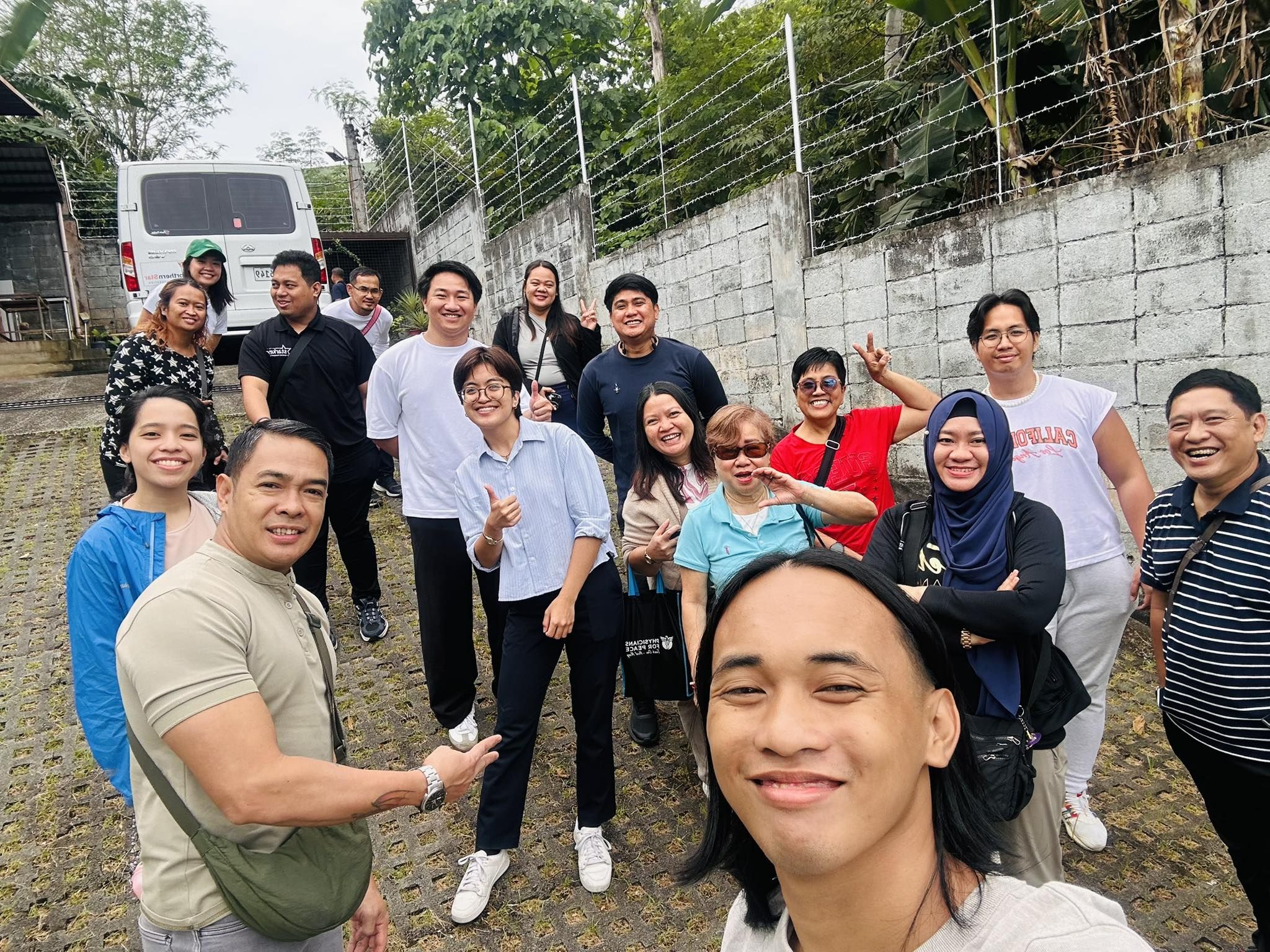
After brunch, the team made their way back down the hill toward the port of Calapan. The crossing back would be the same water in reverse. The same passage, the same ferry, the same distance. But the people on that boat were different from the people who had crossed the morning before, and not just because they were tired. They were carrying what the day had put into them.
The patient who received a wheelchair and tested it immediately in the venue corridor, navigating carefully at first and then with growing confidence. The women who had come in apprehensive and left having been seen, checked, and told they had done a brave and smart thing by coming. The beneficiary whose hearing aid was switched on and whose face, in that moment, said everything words could not. These are the things that cross the water with you.
Physicians for Peace Philippines is grateful to the City Government of Calapan for the collaboration and logistical partnership that made the mission run. Grateful to the Starkey Hearing Foundation for their unwavering commitment to hearing health in underserved communities. Grateful to the Church of Jesus Christ of Latter-day Saints Charities for the mobility devices that gave beneficiaries back their freedom of movement. Grateful to Northern Star for fueling the journey, literally. Grateful to PFP Ambassadors Romy and Mona Buerano, Dr. Leah Cueto, and friends from New Jersey for making it all possible from halfway around the world. And grateful to the Concepcion family for the table on the hill, the ocean view, and the hospitality that reminded everyone present that this work is not just a program. It is a community.
The mission was a success. The brunch was delicious. And the ocean, from up that hill, was exactly what a day like that deserved.