By: Yvette A. Salalila
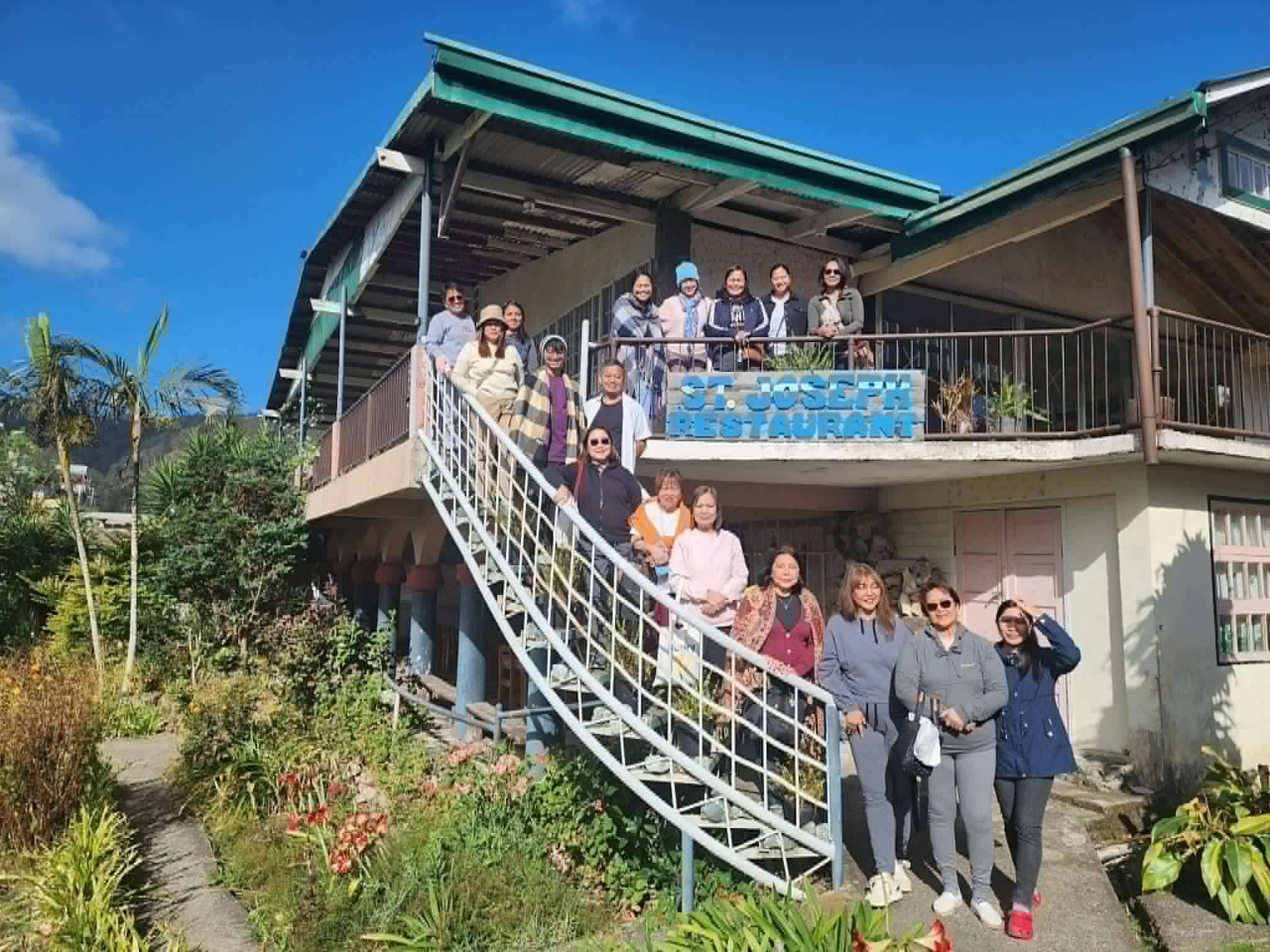
Sagada, Mountain Province – “Where the mountains meet the clouds”. Tucked away in the Cordillera Mountains of Northern Luzon, Sagada is known for its rustic charm, cool climate, coffee and vibrant culture, to name a few. It is about a 9-hour drive from Manila, but despite the distance, for Physicians for Peace Philippines, SERVICE COMES FIRST.
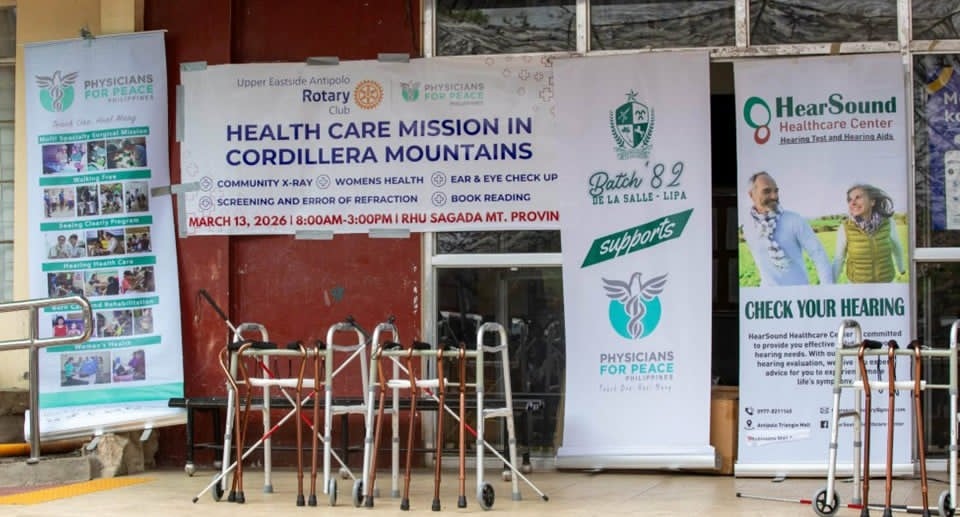
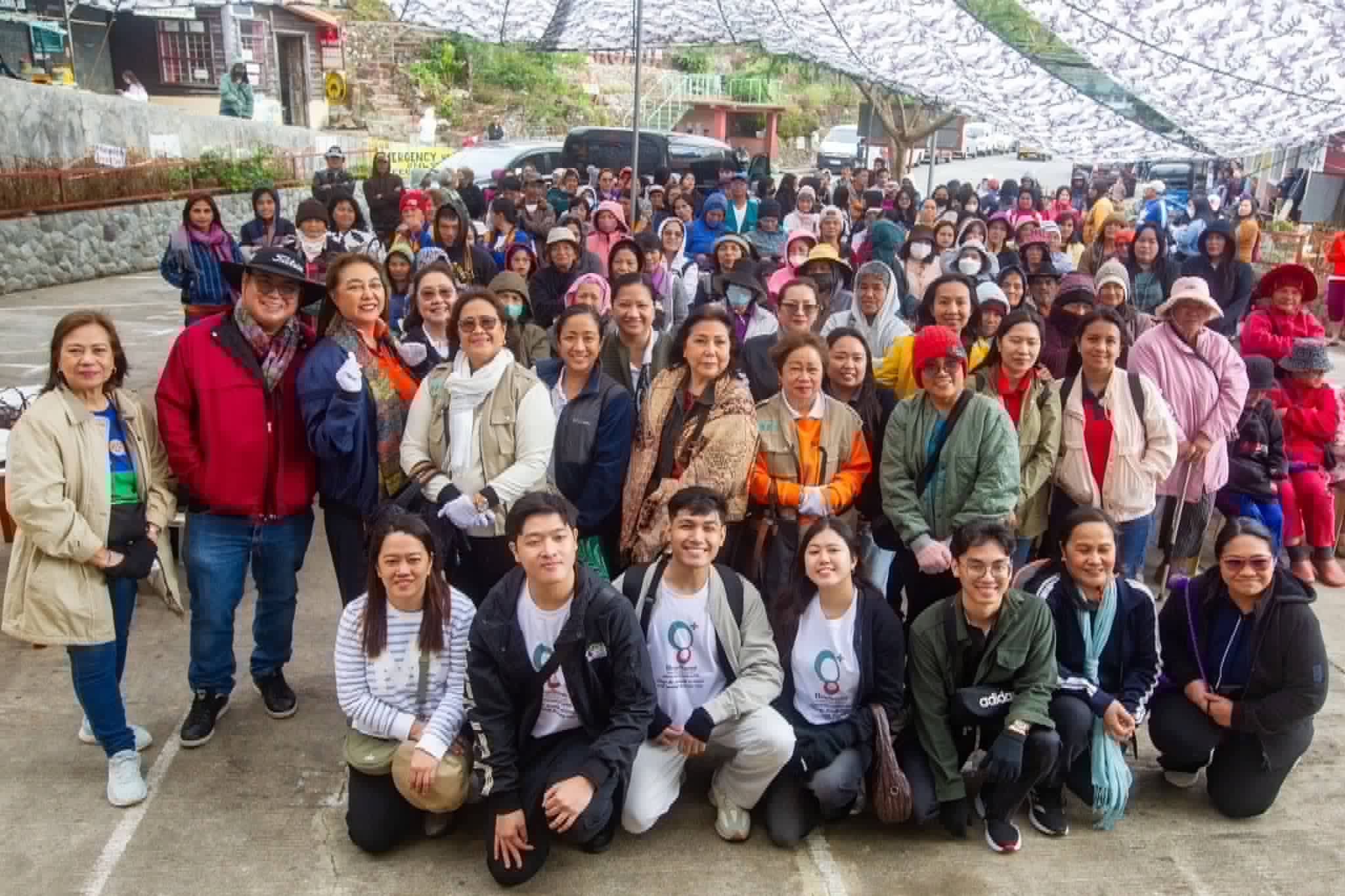
In partnership with Rotary Club Upper Eastside Antipolo D3800, La Salle Lipa, Batangas Batch ’82, The Church of Jesus Christ – The Latter Day Saints and the Local Government Unit, the group brought a community healthcare mission to the heart of this mountain town with a simple yet impactful goal, that is to help bridge the gaps for underserved communities and those with limited access to different healthcare services. Composed of dedicated medical professionals, volunteers, and local partners, the team worked hand in hand to make this mission possible.
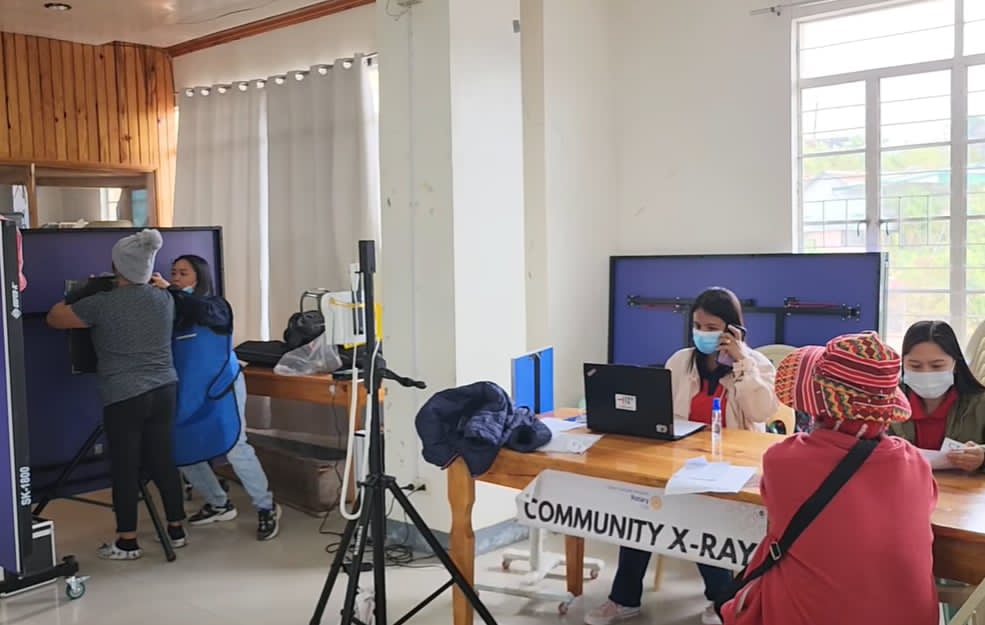
Physicians for Peace Philippines (PFPP) has a wide range of services and these are: Vision Screening, Mobility, Hearing Health Care, and Women’s Health. For this particular mission, Community X-ray was added while RC Upper Eastside Antipolo brought an audiology team for ear check-up and did a book reading in two schools.
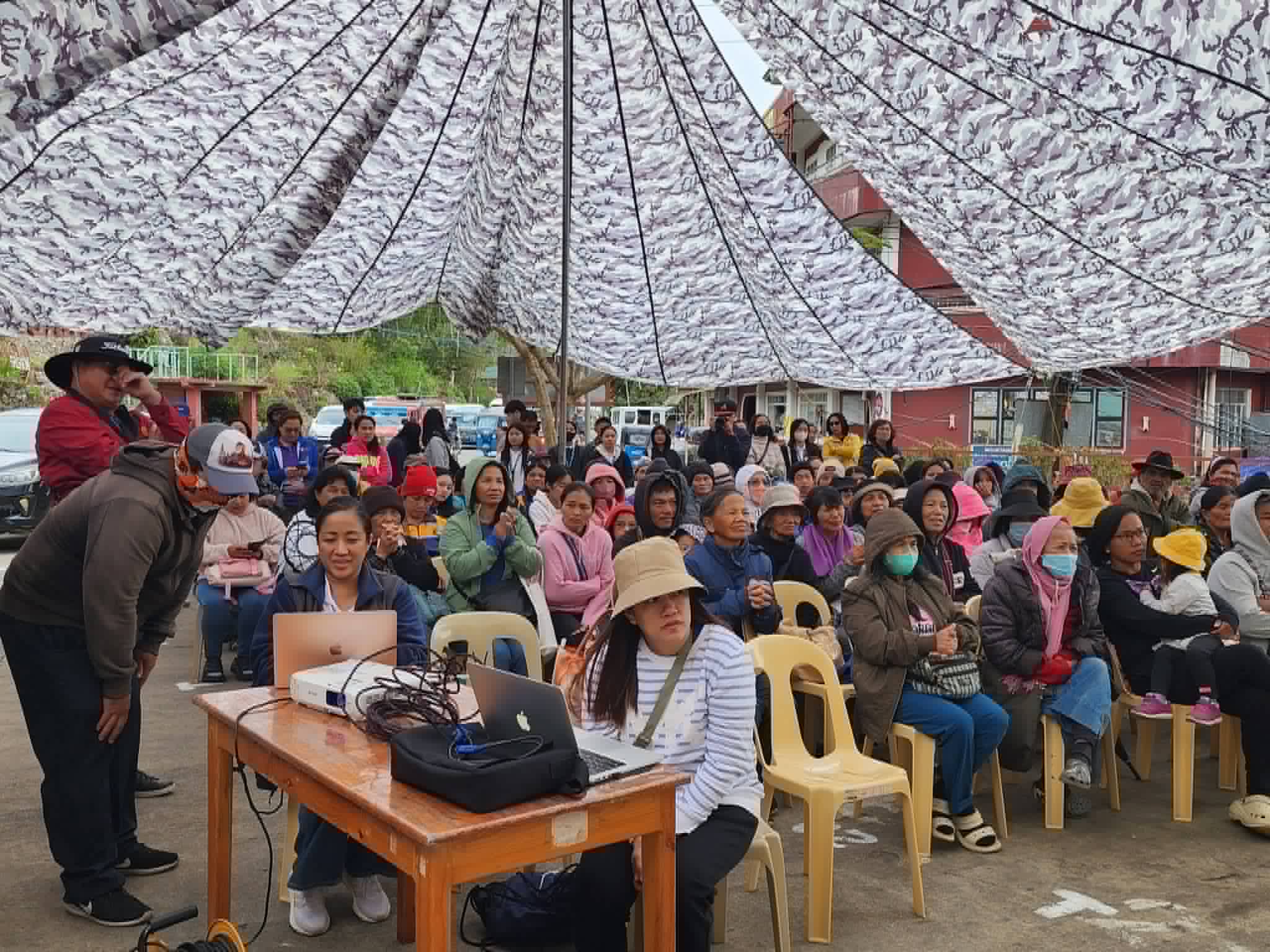
March 13, mission day – residents were just as happy to welcome the entire team, remaining cheerful and patiently waiting for their turn to be served, unbothered by the cold weather. Even children as young as 3 years old were also present, giving the team an extra boost of motivation to carry on and complete the task despite the extreme cold temperature.
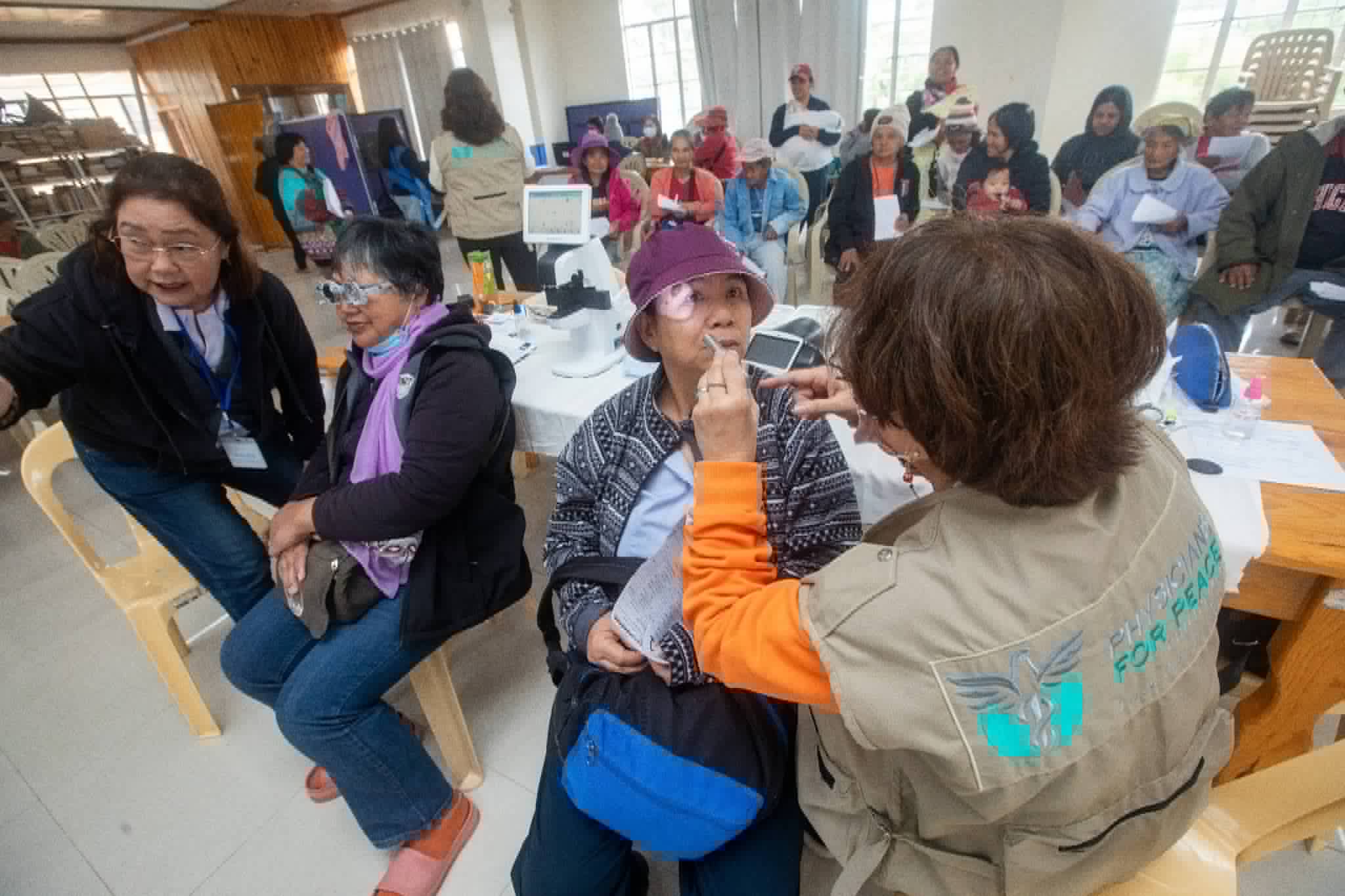
Seeing Clearly Program
The program was founded in 2006 to address the need for vision care in remote or underserved areas. This program allows both adults and children to be screened for common eye problems such as astigmatism, double vision, and nearsightedness or farsightedness. Those identified with vision problems were either given prescription glasses or referred to a specialist.
Walking Free Program
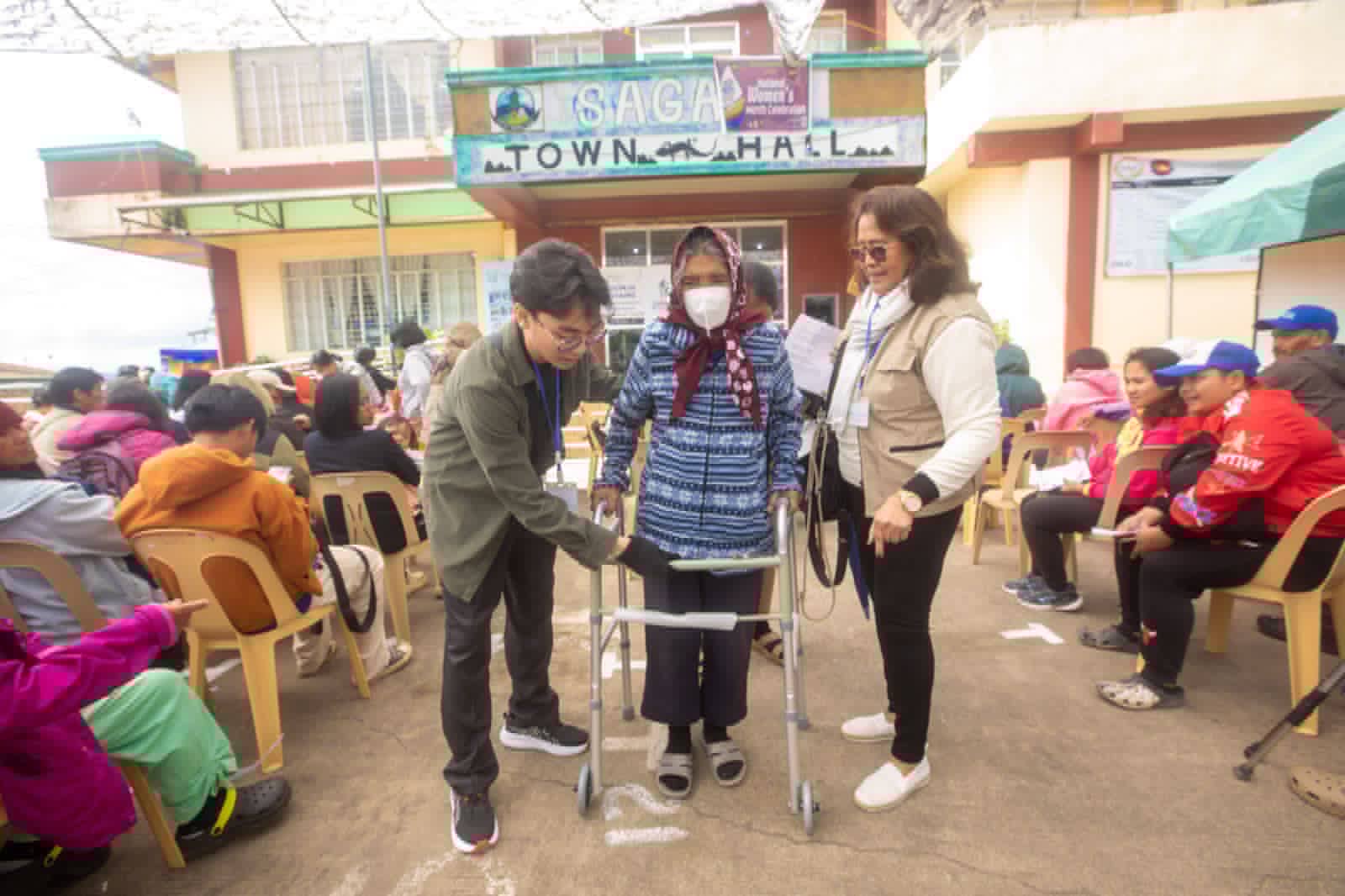
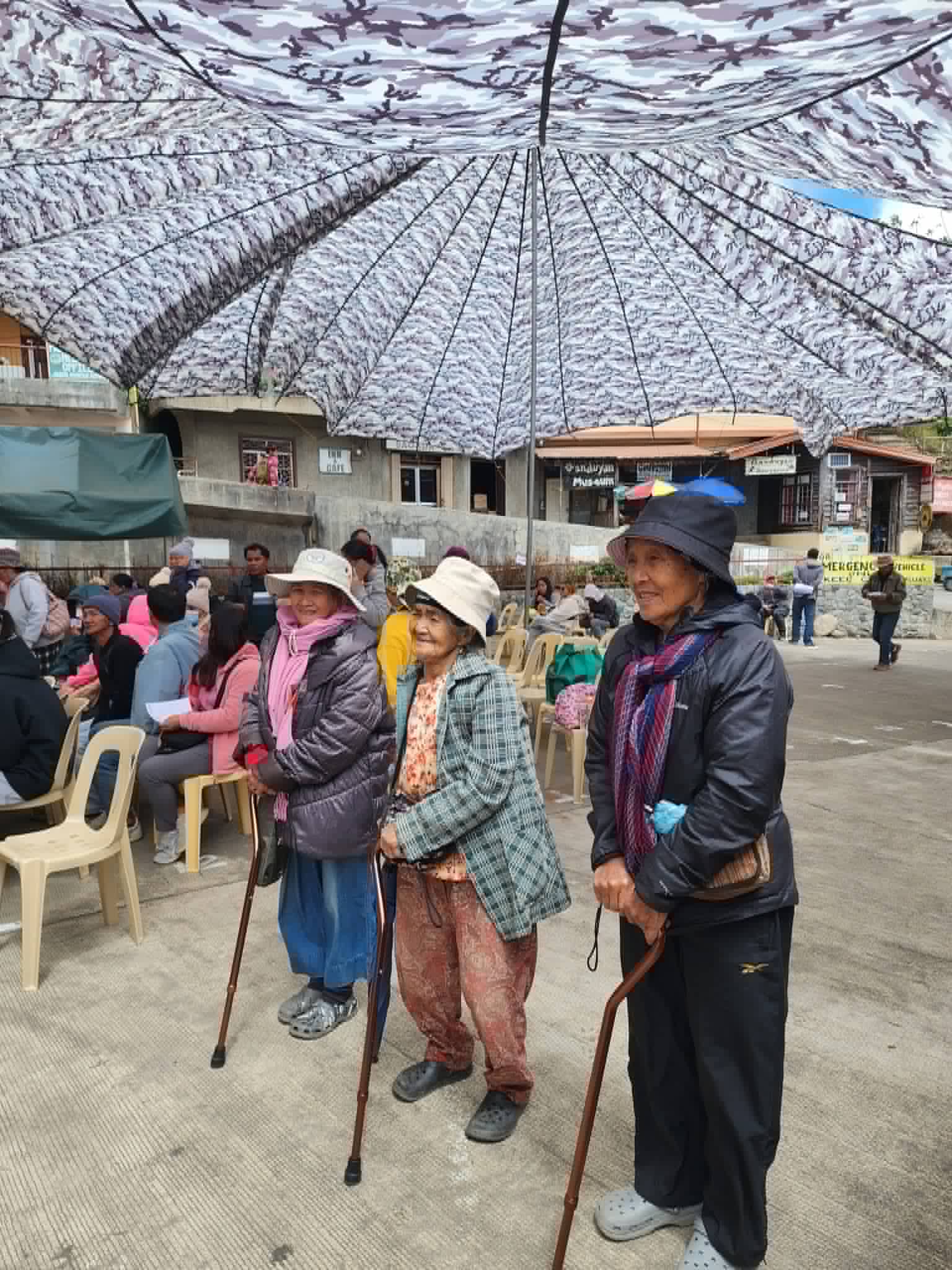
The flagship project and probably one of the most sought-after programs during missions, PFPP, in partnership with The Church of Jesus Christ The Latter Day Saints, brought mobility and independence to those who need it most. Through this program, walkers and canes were given to individuals facing mobility challenges to help them move freely and live independently. After all, mobility is more than movement; it restores dignity and empowers people to live their lives with greater ease and hope.
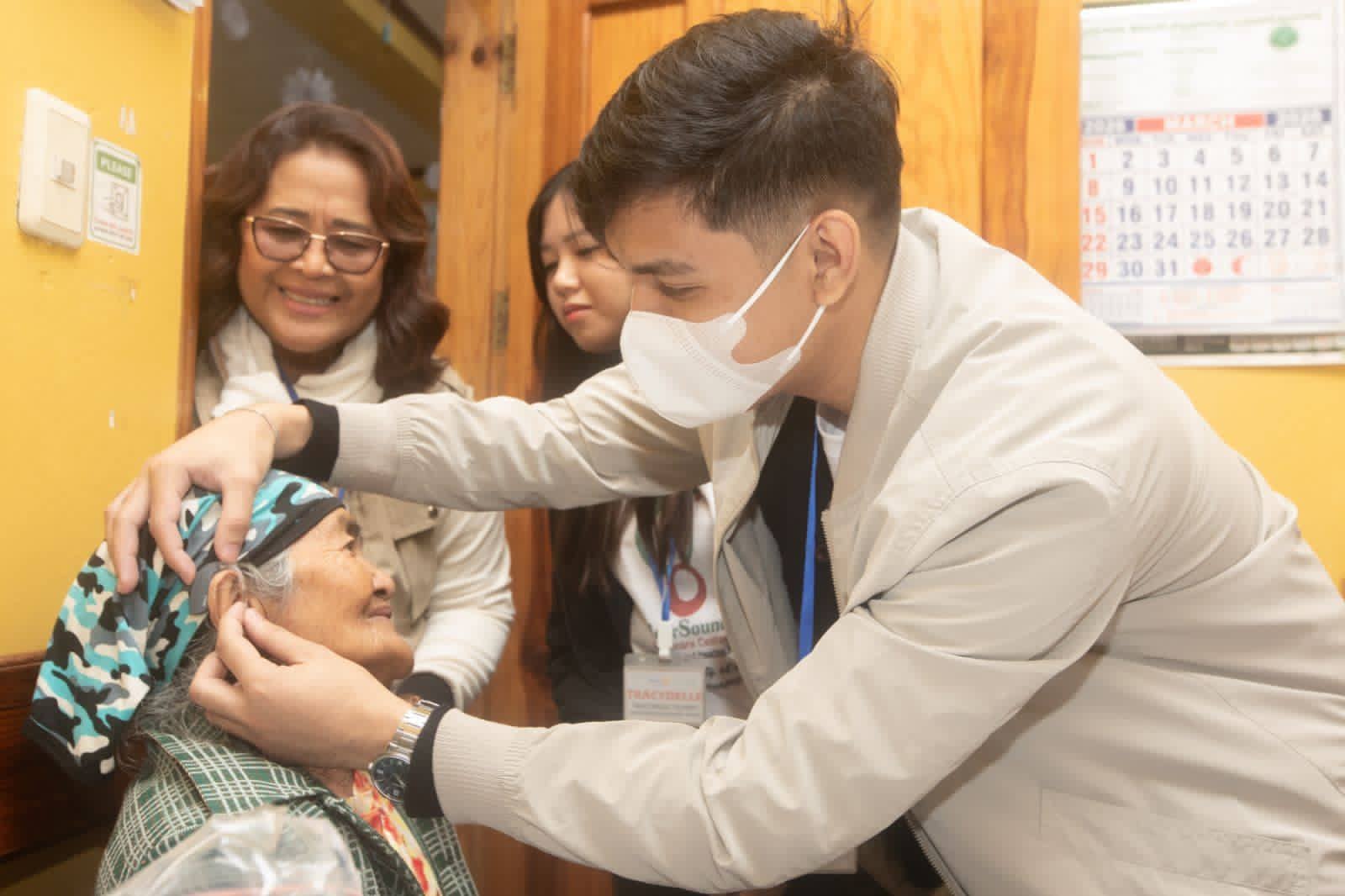
Hearing Health Care
This program simply goes far beyond hearing restoration or “fixing ears”. It is about rebuilding a person’s connection to the world without fear, frustration or judgment, while rediscovering the joy that sound brings to everyday life. Each patient has a story to tell, one that deserves to be heard and understood.
During the mission, a mother asked if her 3-year-old son could be checked. At his age, he had not yet begun to speak, something the mother feared might point to a deeper problem. In Sagada, access to hearing healthcare services is limited, making early detection and intervention difficult for the residents. Several approaches were used to get the boy’s attention, but there was no response at all. After careful consideration, the ENT doctor suspected the possibility of profound hearing loss. Heartbreaking as it was, the doctor had to explain it to the boy’s mother and advised her to bring the boy to a hearing center in Baguio for further evaluation and to explore other means of communication with her child as early as possible.
Women Health
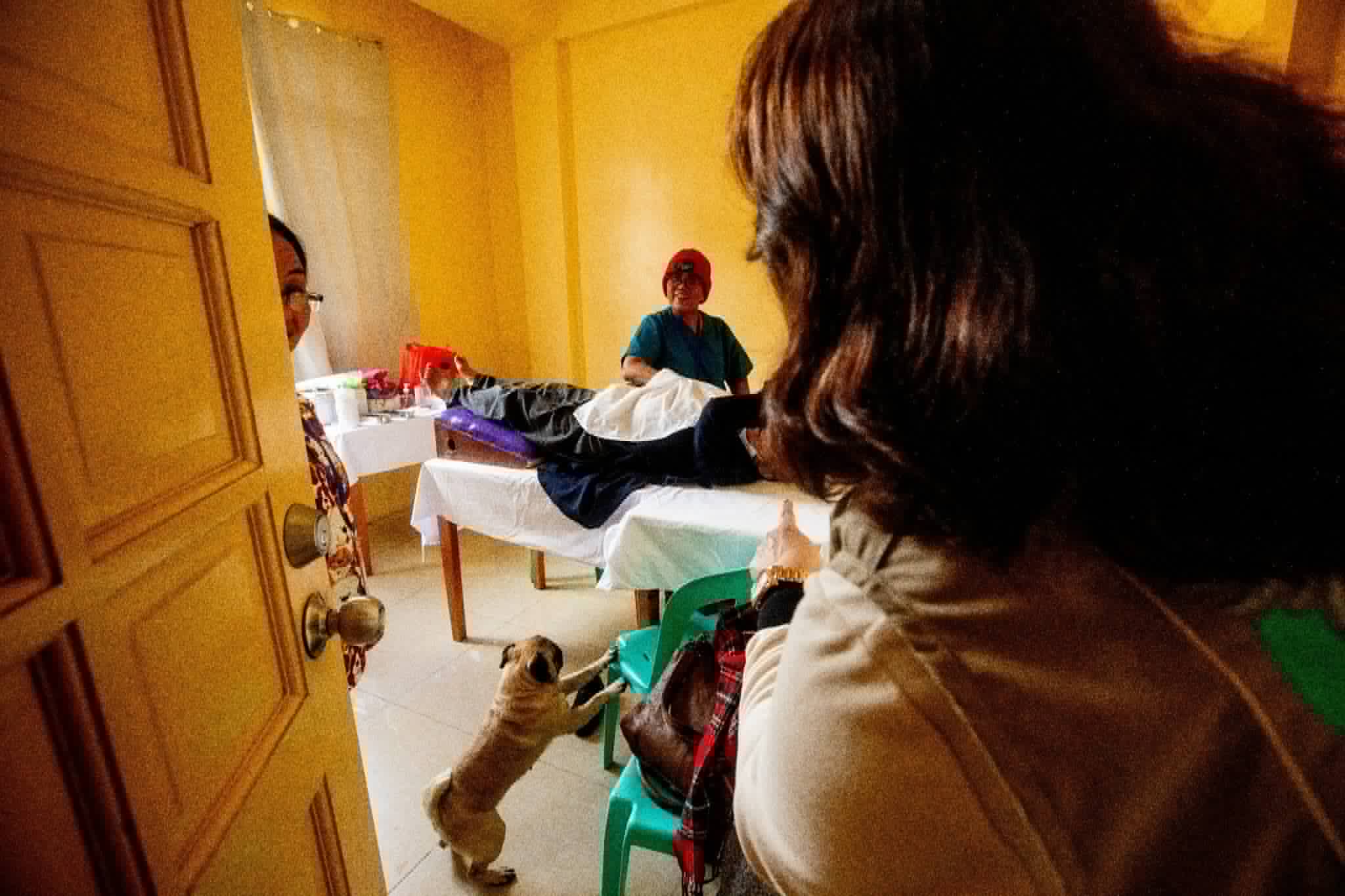
Reproductive women lined up for the breast and cervical screening, and PFPP is happy to know that the Rural Health in Sagada is active in this kind of service.
Mission Driven Collaboration
The success of Sagada’s healthcare mission was built on unwavering collaboration and shared goals of PFPP and its partners. From logistics to seamless execution, every step was carefully planned. Local volunteers played a crucial role in ensuring smooth operations and bridging any language gaps, as some patients preferred to communicate in their native dialect.
Every patient who came was carefully attended to and provided with the appropriate care based on their individual needs. More than just healthcare delivery, this initiative became a powerful expression of compassion, unity, and hope. It strengthened communities and served as a reminder that when people come together with purpose and care, even in the most remote places, kindness and service can bring people closer and together, much can be done.