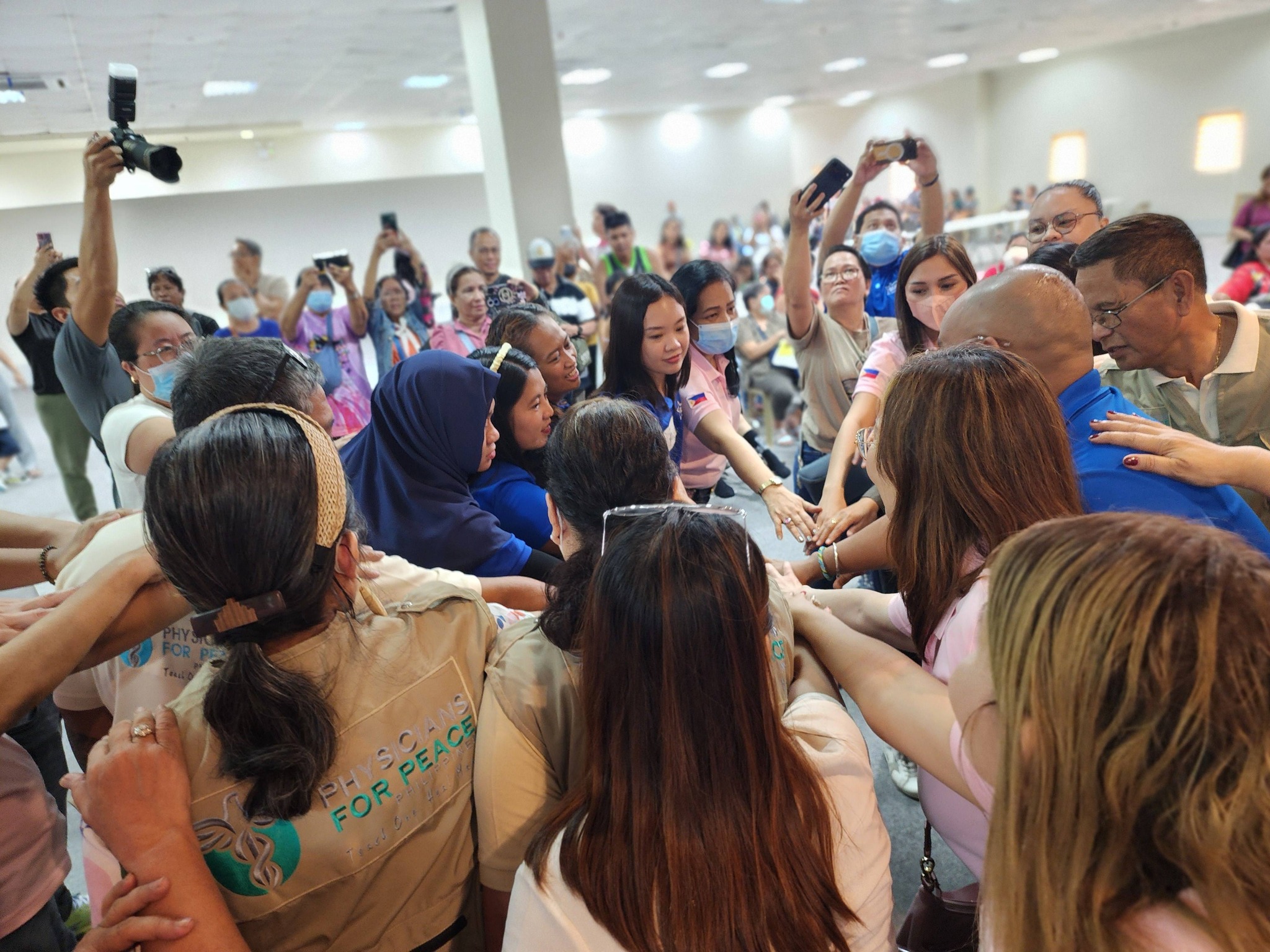
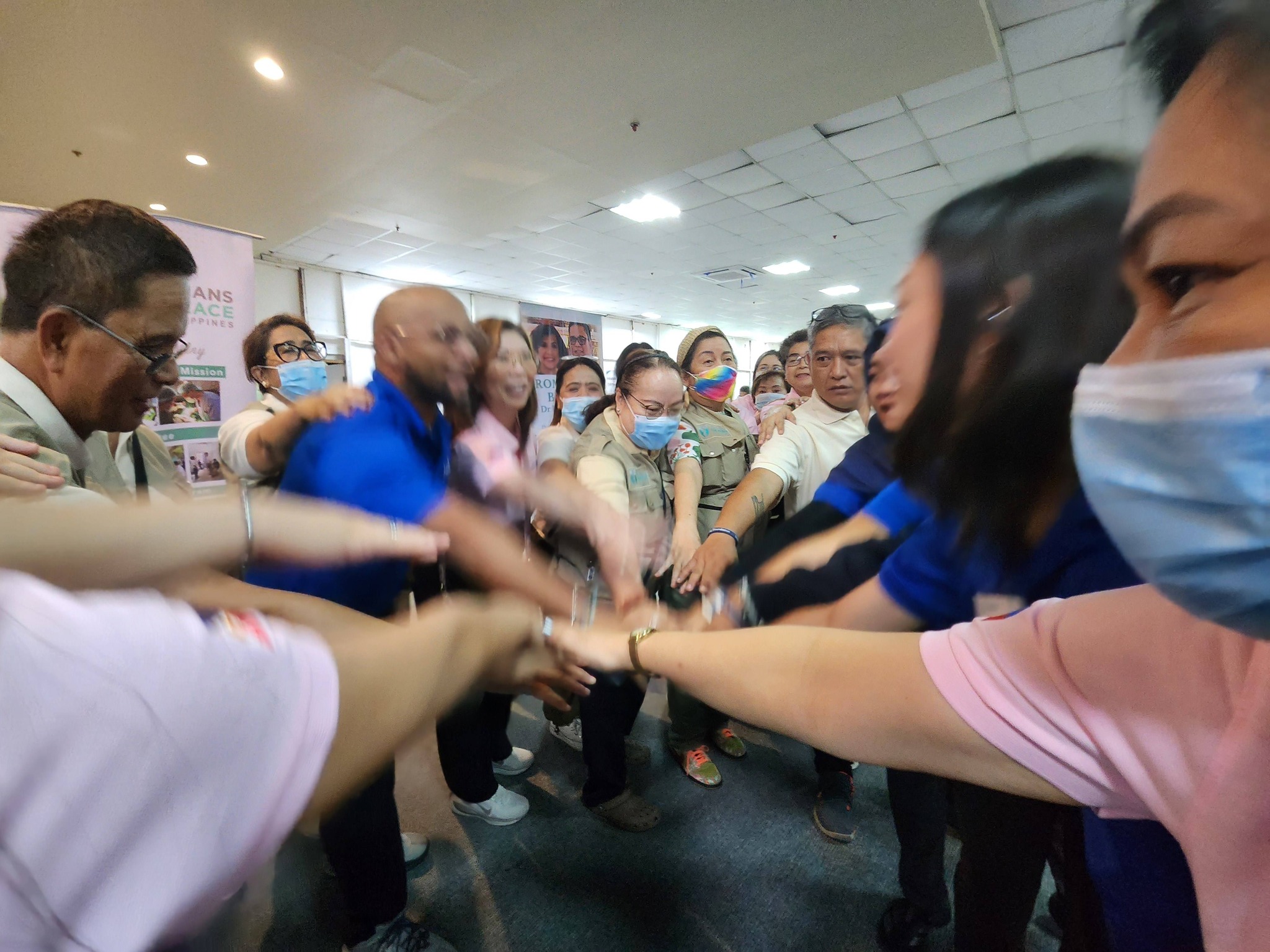
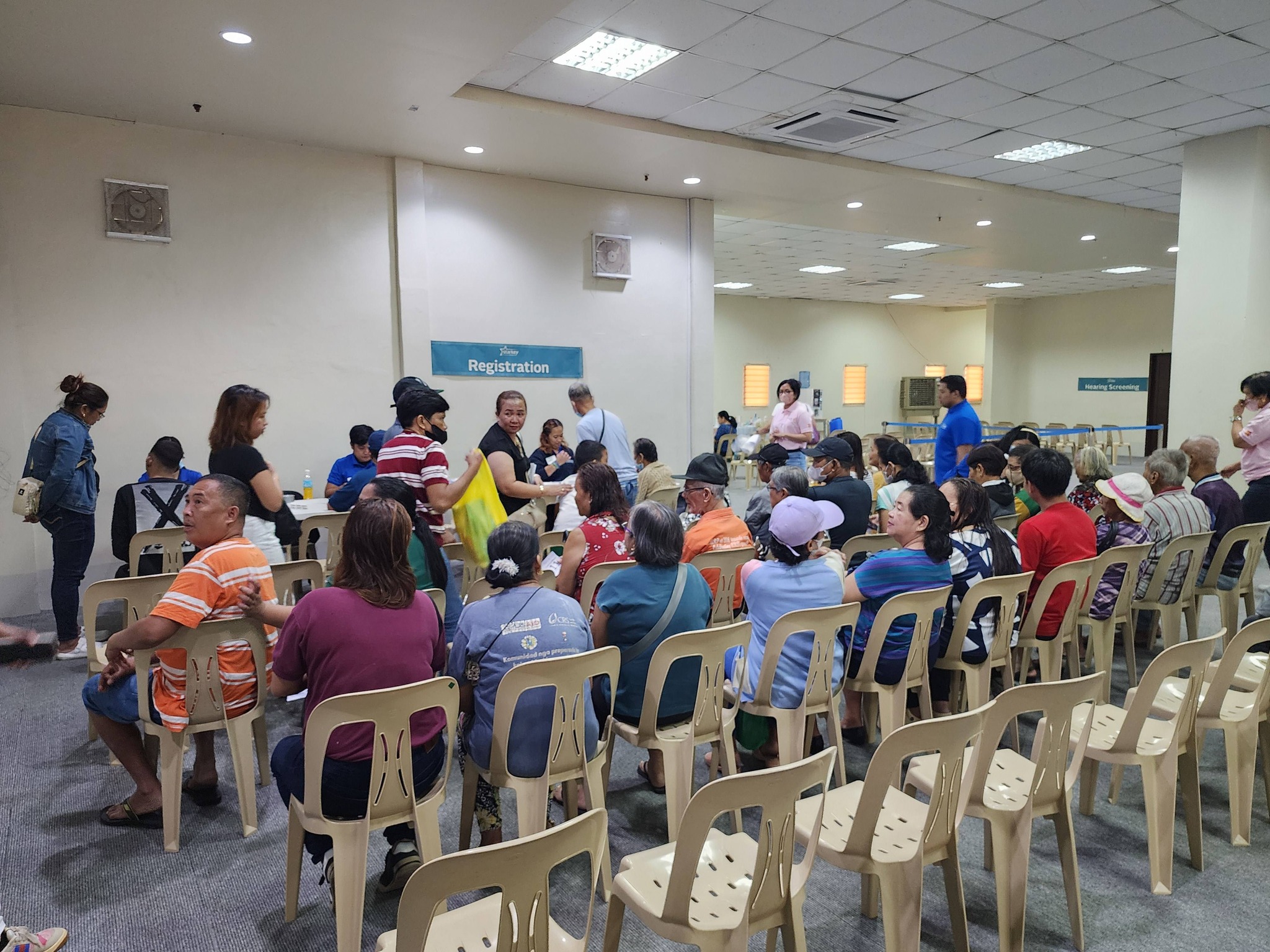
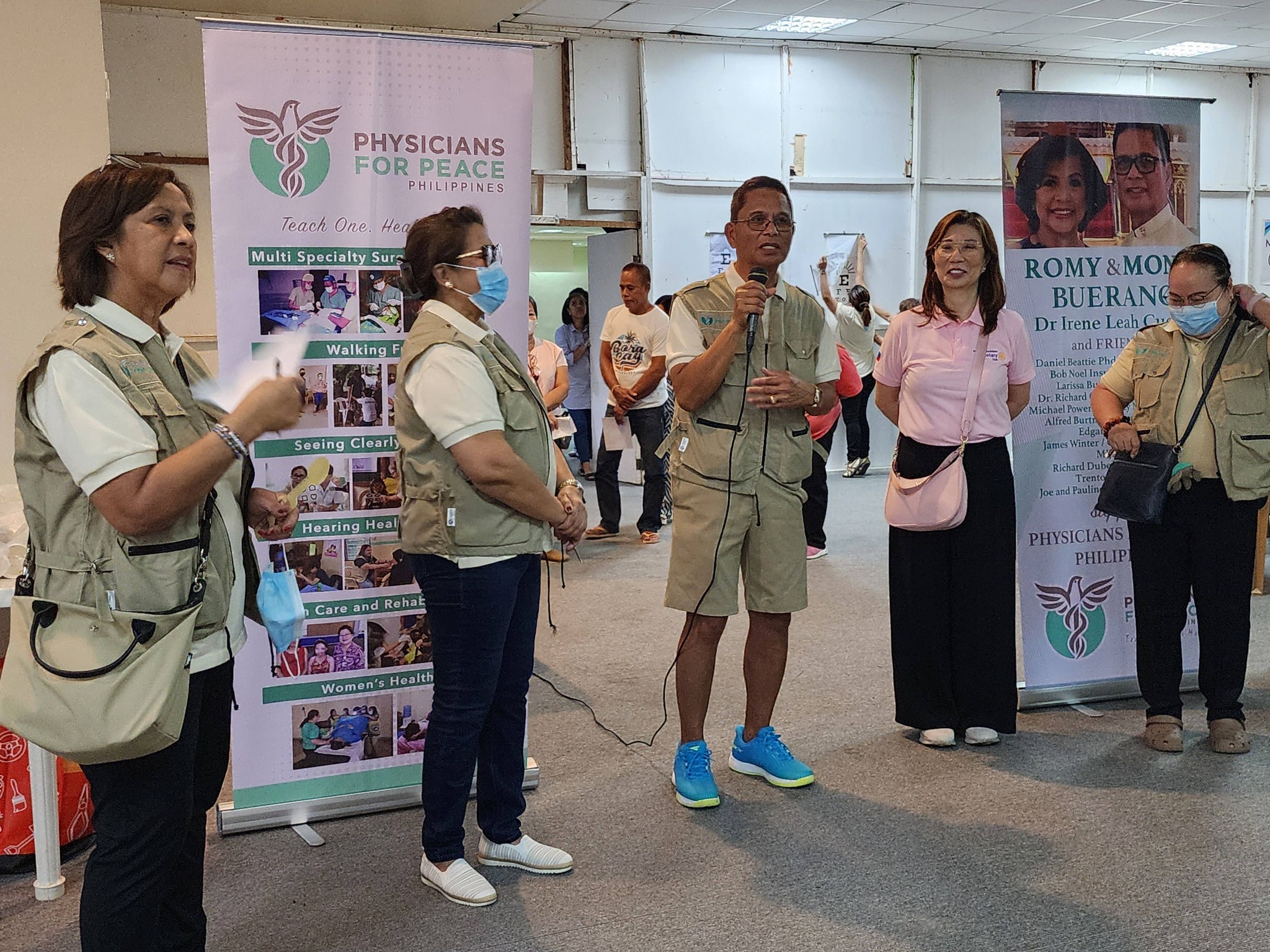
The sun was coming up when the Leyte Academic Center Annex started to wake up. In a town like Palo, you know something is going on when you see the first tricycle arrive with someone asking, “Is the medical mission here?” By seven o’clock, there were a lot of people waiting. Mothers were getting worried and tired trying to keep their kids from running around.
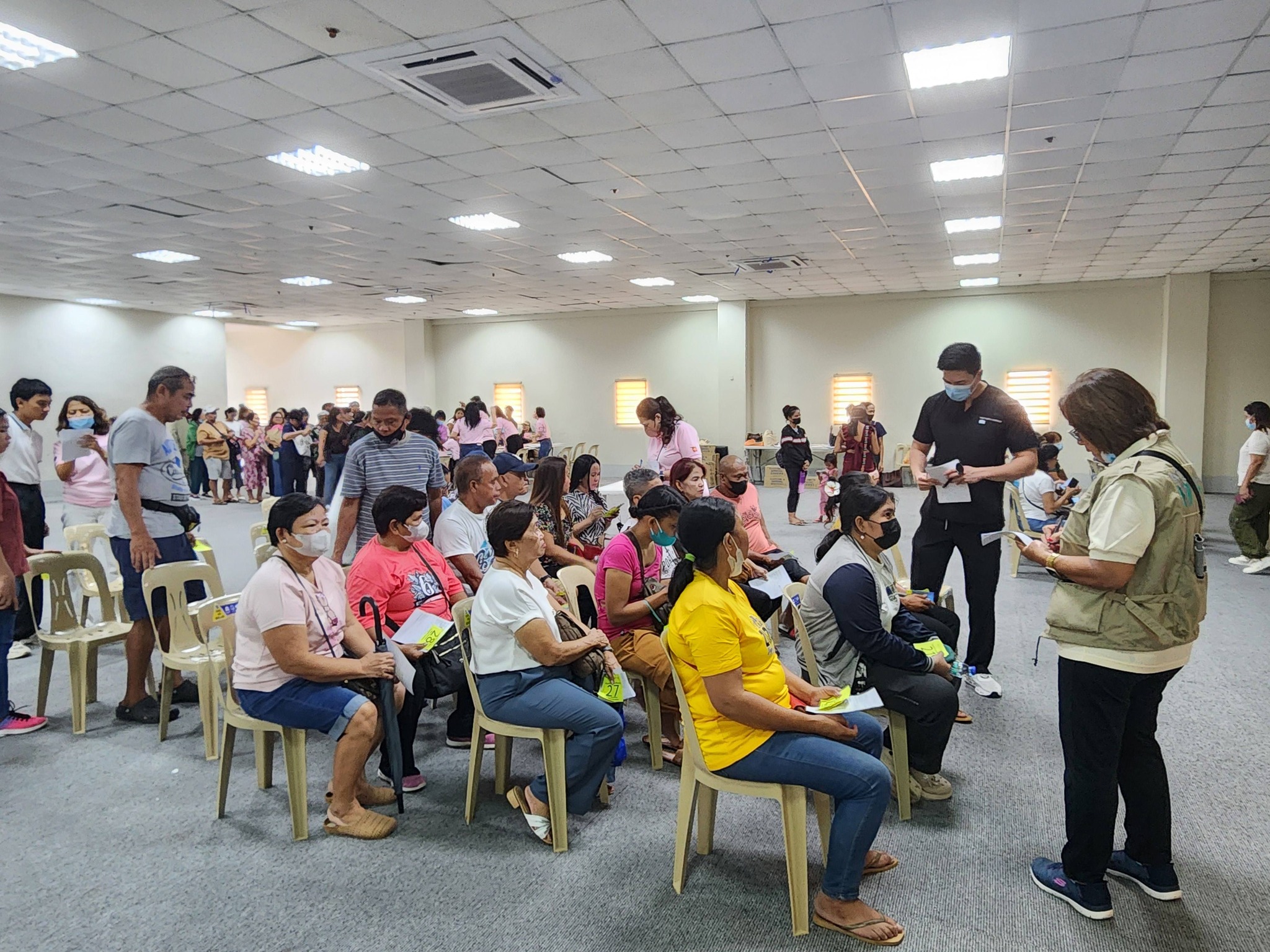
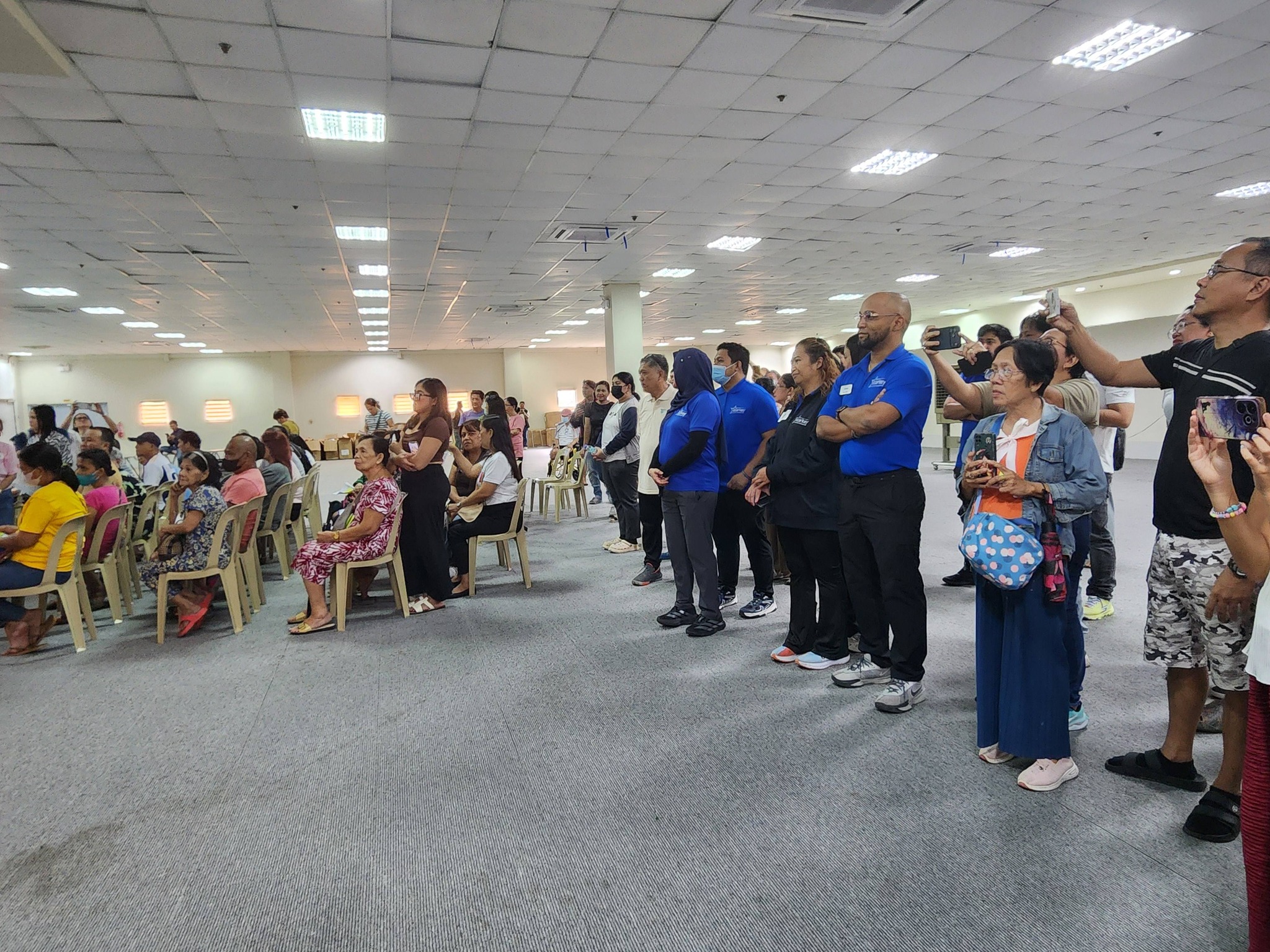
The Leyte Academic Center Annex was getting busy with the mission. The farmers stood there in their shirts and shoes that still had mud on them from that morning. They looked like they had just walked in from the fields to get there on time. The lolas held their papers and stubs close to them. They were scared that if they lost one piece of paper, they would not get their turn. The people in charge of this knew a lot of people would show up. With so many people already there before they even had breakfast, it was clear that this was going to be a very long day for the farmers and the people helping them.
Controlled Chaos
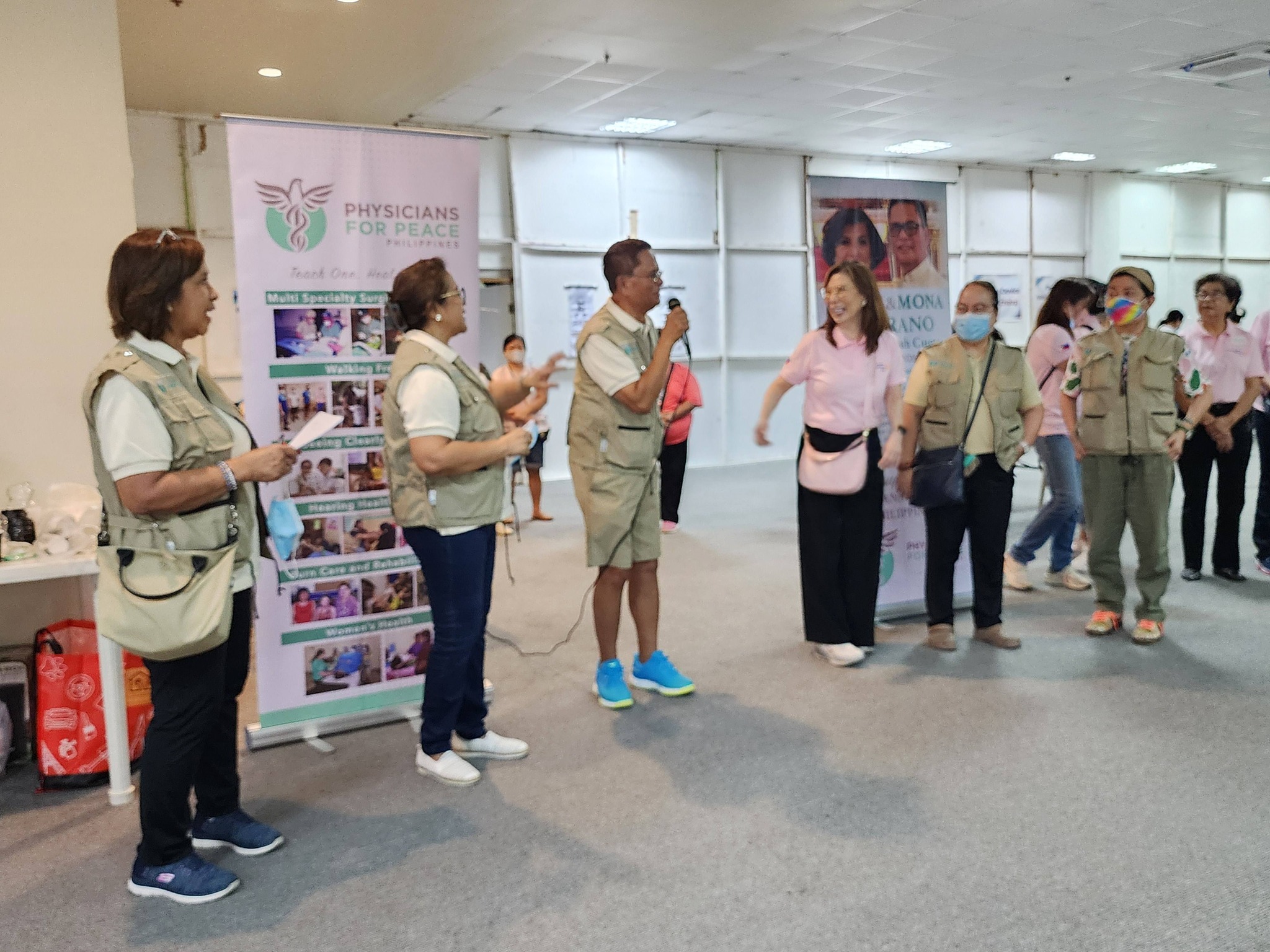
Inside the building, the feeling was not cold and empty. It was alive. Physicians for Peace Philippines and the Rotary Club of Kandaya-Tacloban had turned the annex into a kind of hospital that is set up for a short time. You know how it sounds in the waiting room of a government hospital: it is like a noise of people being nervous and the loud sound of names being called out. In this place, the tone was more gentle.
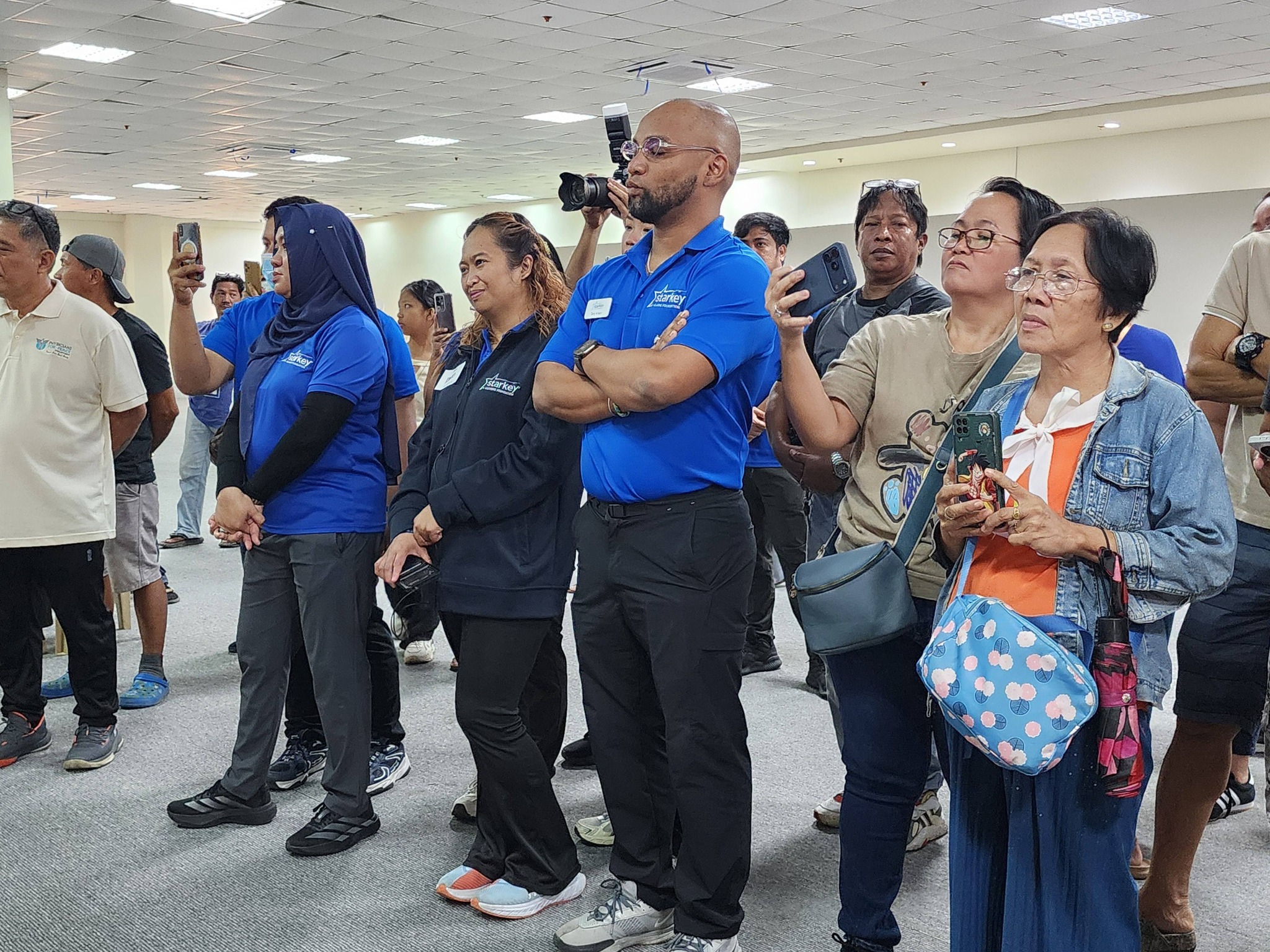
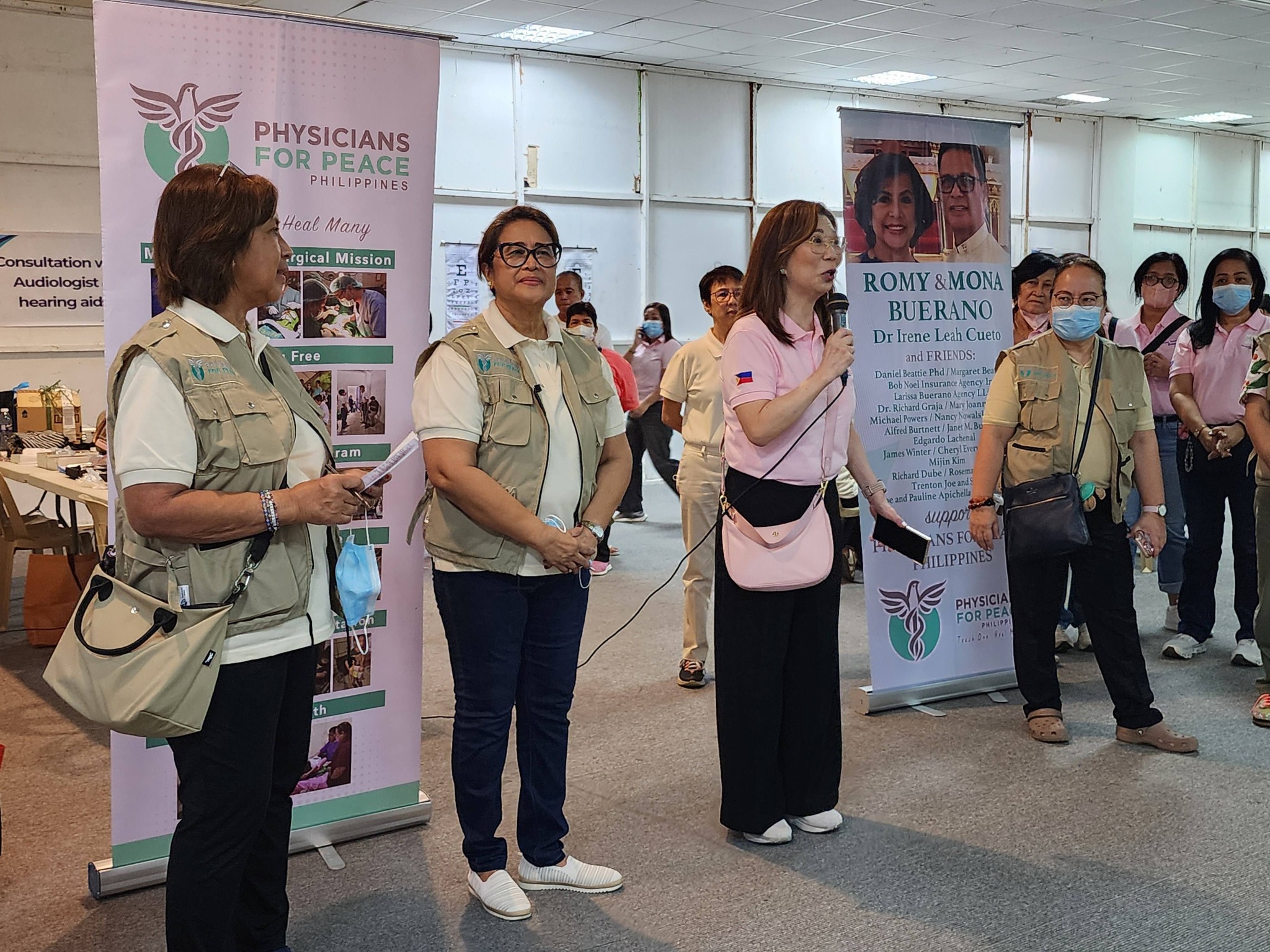
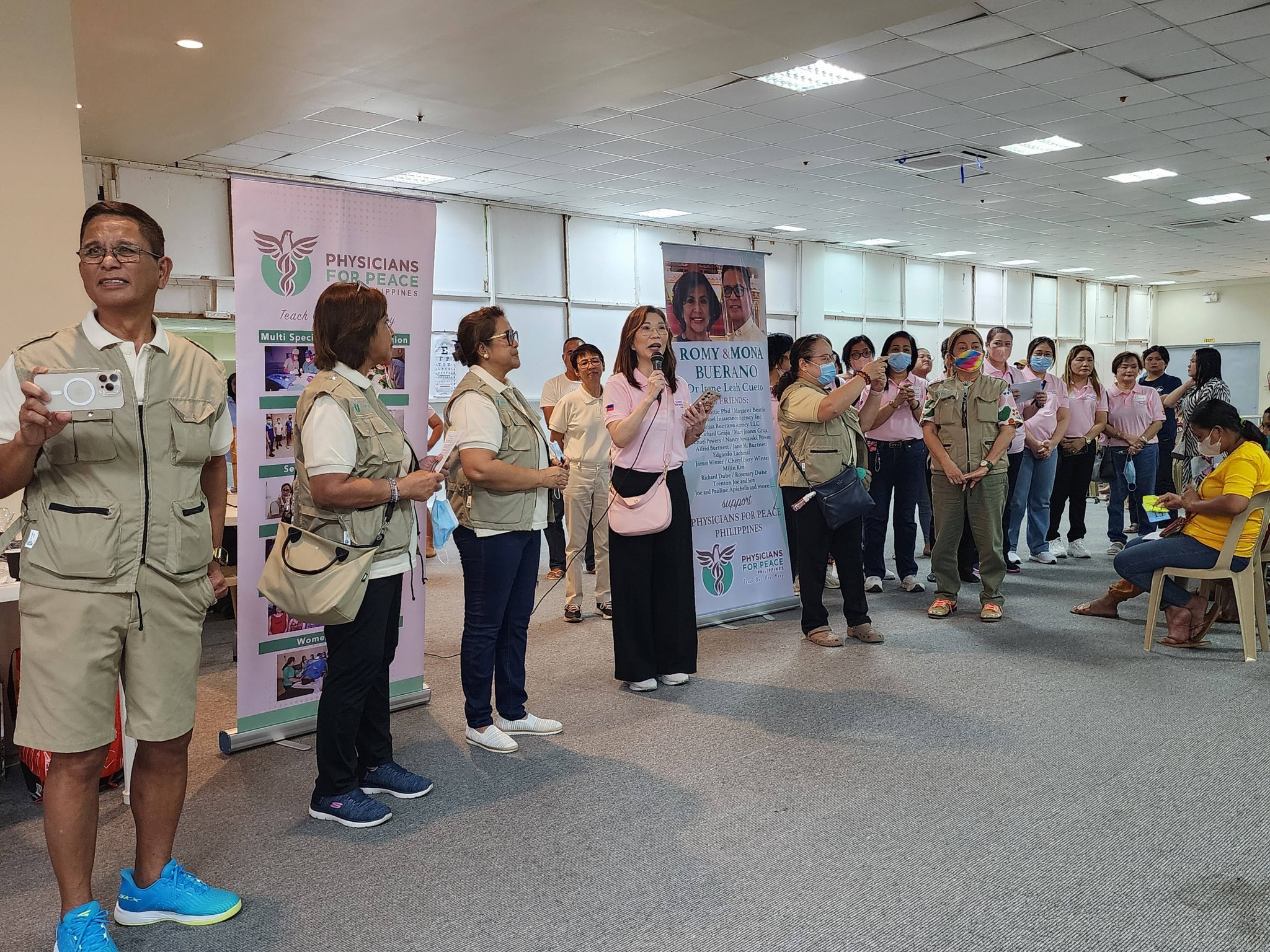
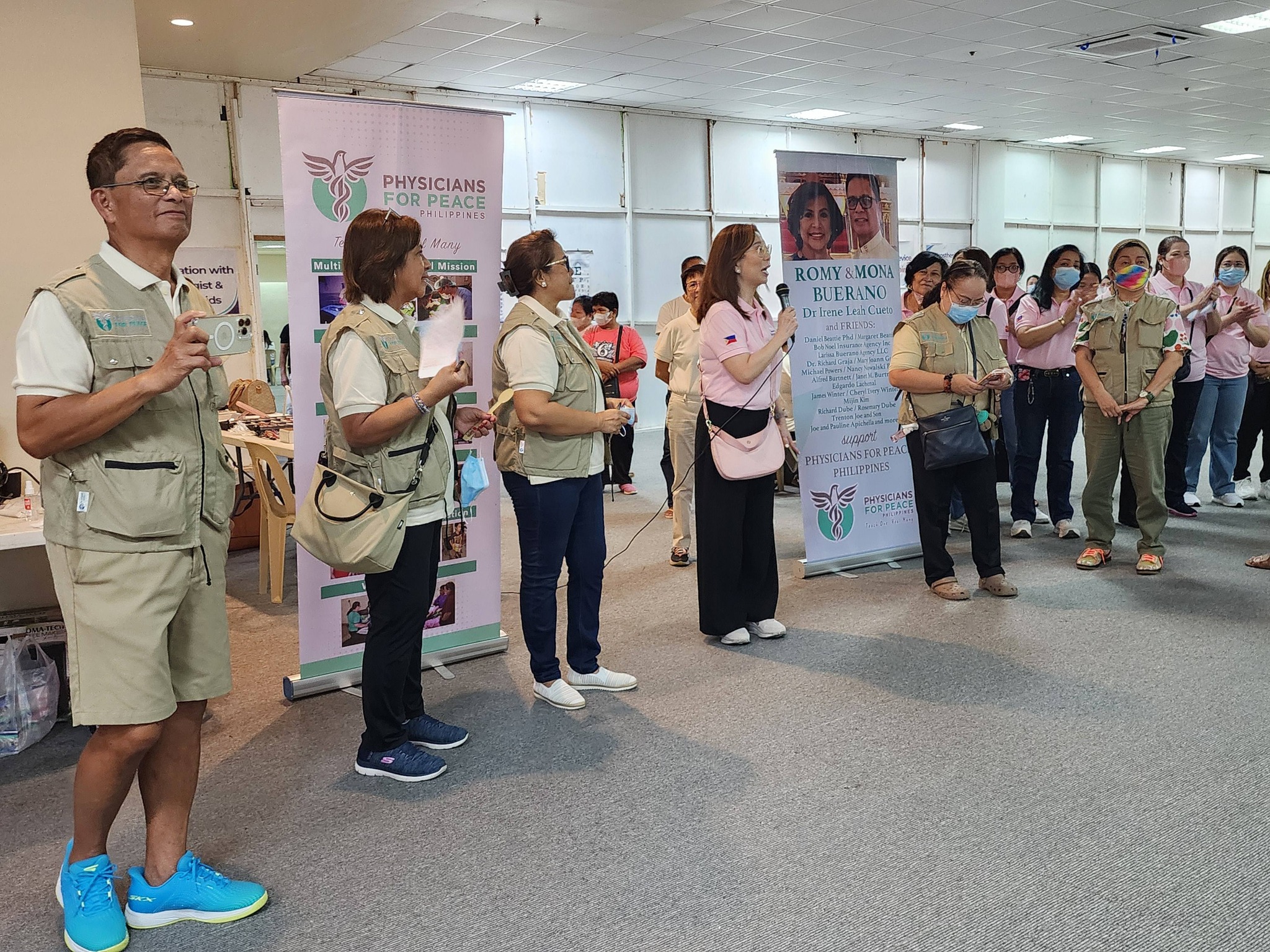
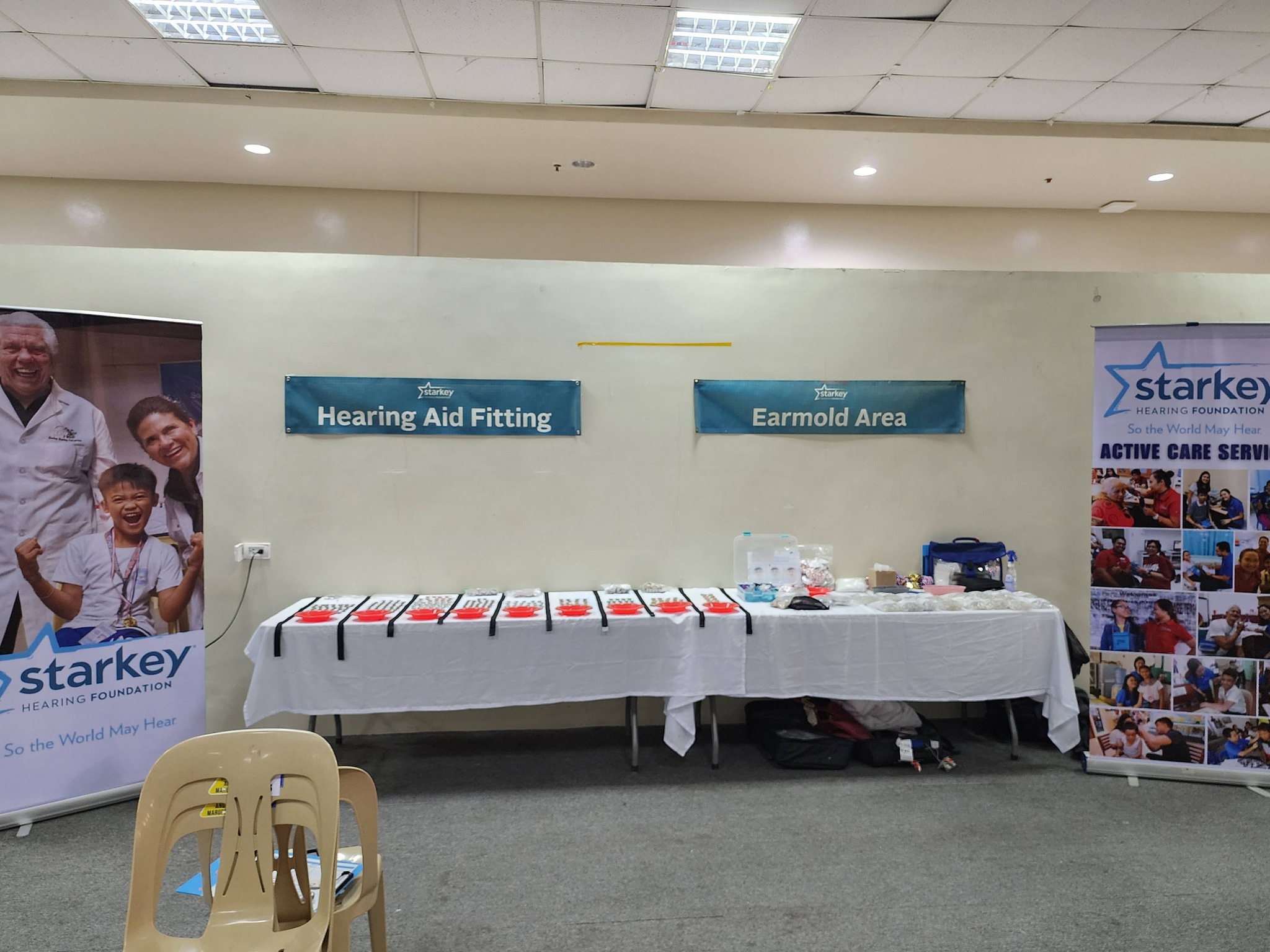
Volunteers helped the people into the shade, taking care of the heat and making sure everyone got registered without too much trouble. Physicians, for Peace Philippines, and the Rotary Club of Kandaya-Tacloban made sure everything was okay. Tarpaulins were over the place telling everyone that Starkey, The Church of Jesus Christ of Latterday Saints, Eastern Visayas Medical Center, and the TB Society were there. These names were important to the people who put the event together, it meant they had partners. To the people waiting, these names were not important. When you have been waiting for a time to see a doctor, you do not care about the names on the wall; you just want to be seen by the doctor at the Eastern Visayas Medical Center. The names, like Starkey and The Church of Jesus Christ of Latter-day Saints, and the TB Society are names, what you want is to get the help you need.
The Reality on the Floor
-
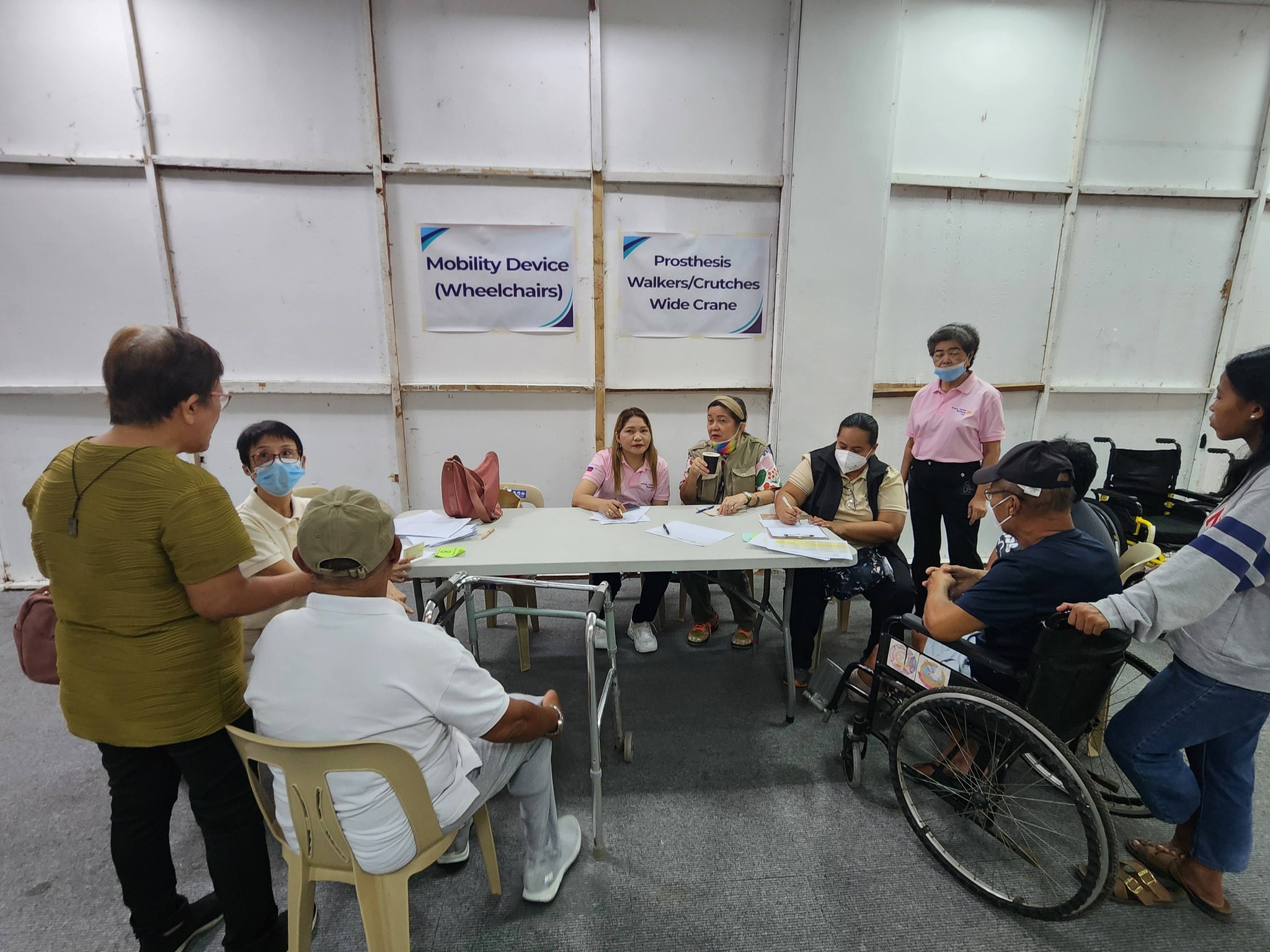
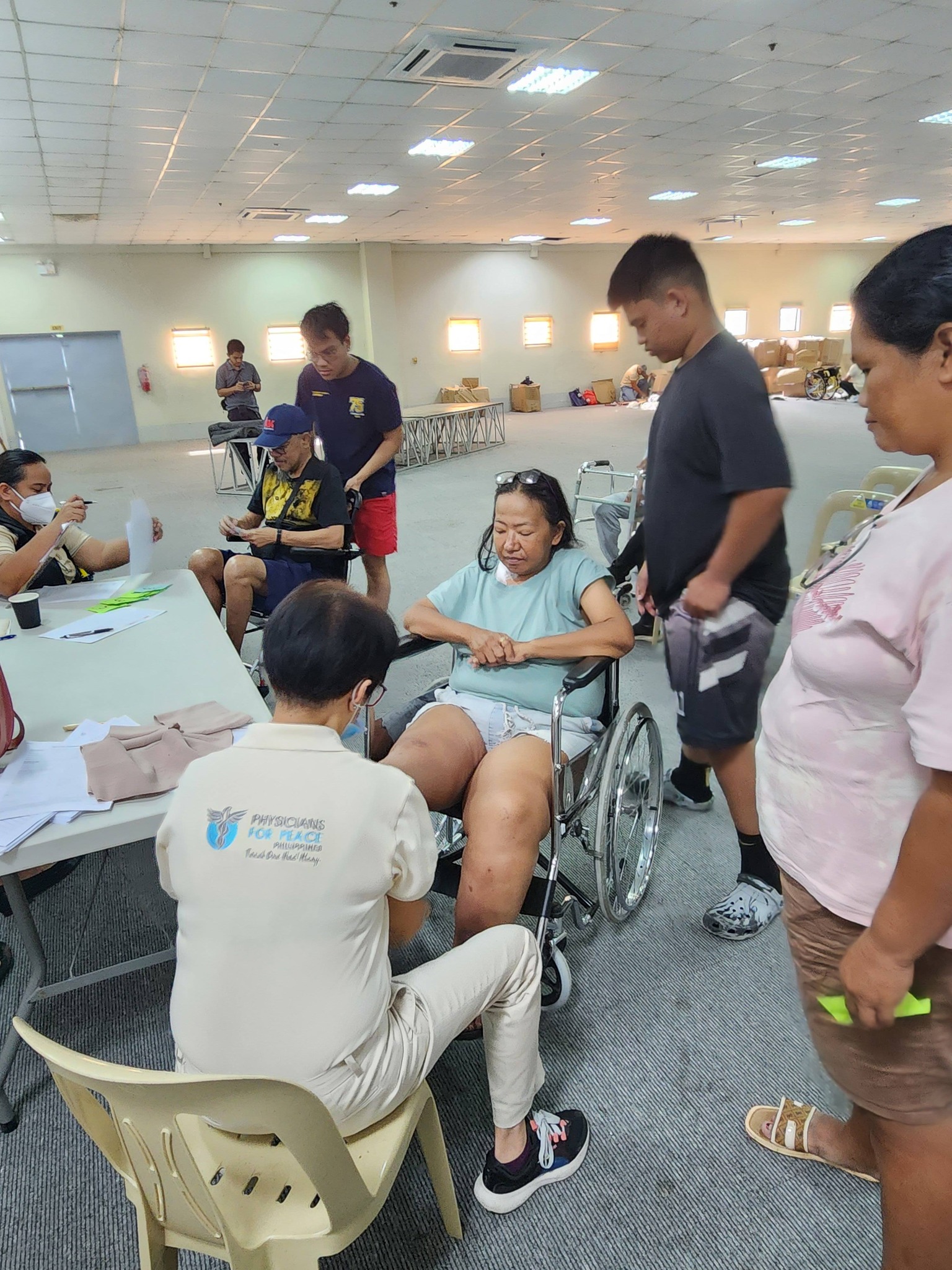
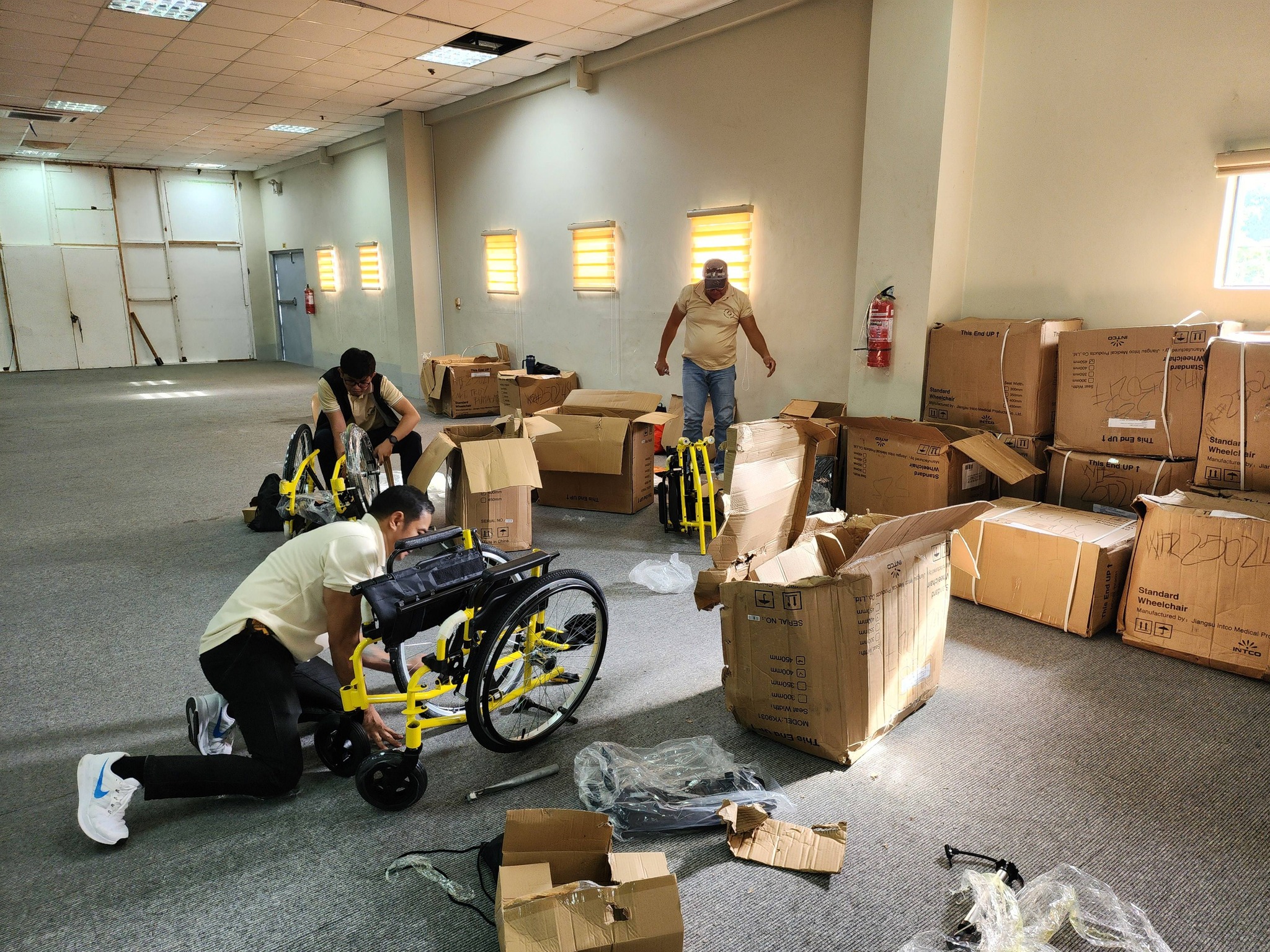
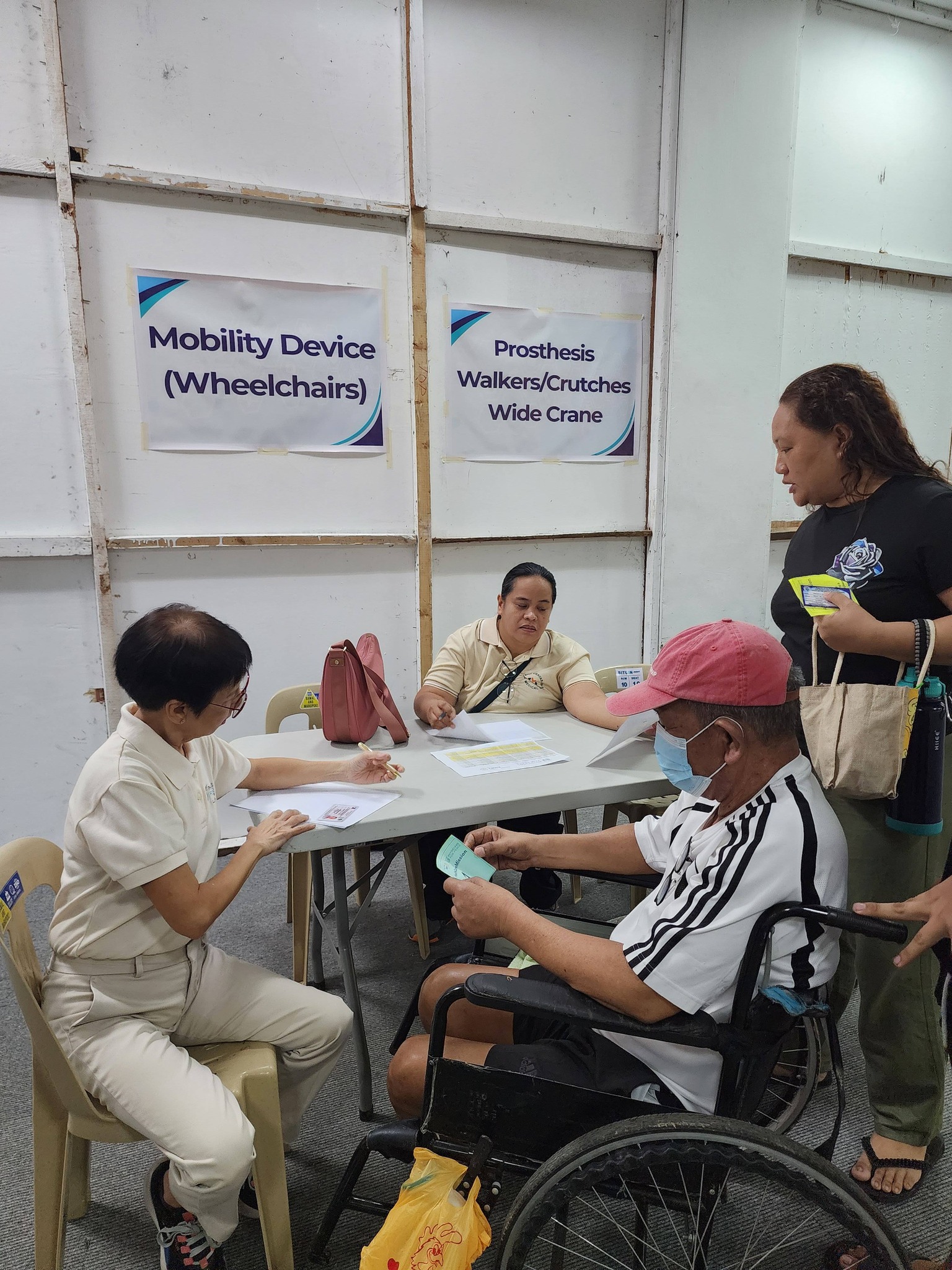
The Mobility Program: This was set up in one of the halls. The work that the technicians did there was very personal. They did not just adjust prosthesis. The Mobility Program technicians were actually handling the realities of the Mobility Program patients’ lives. These were people who had lost limbs in accidents or because of diabetes. Some people were using crutches that had been taped together for years. The relief that the Mobility Program brought was not loud. It was, in the nod of a Mobility Program patient who realized they would not have to limp through another harvest season.
-
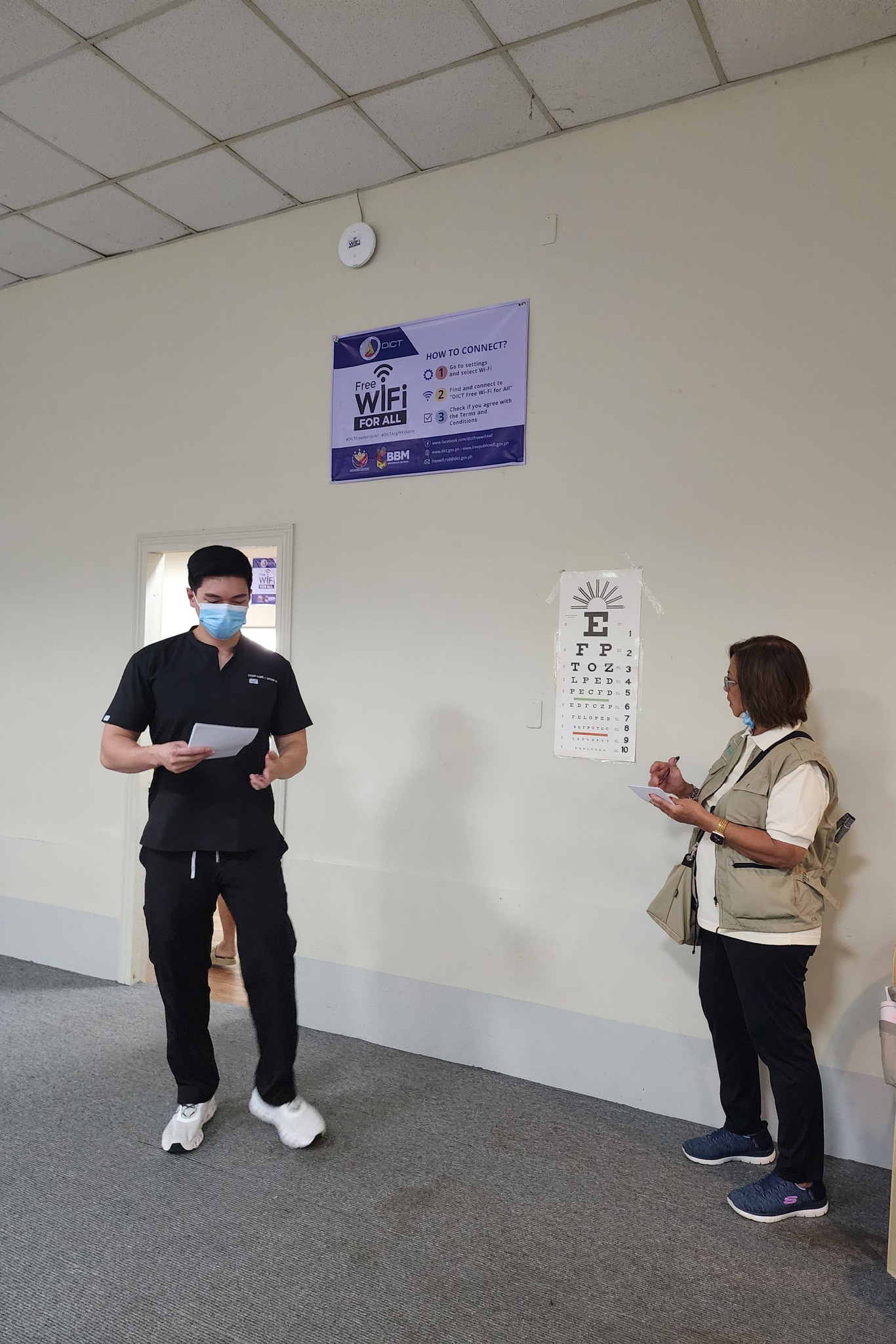
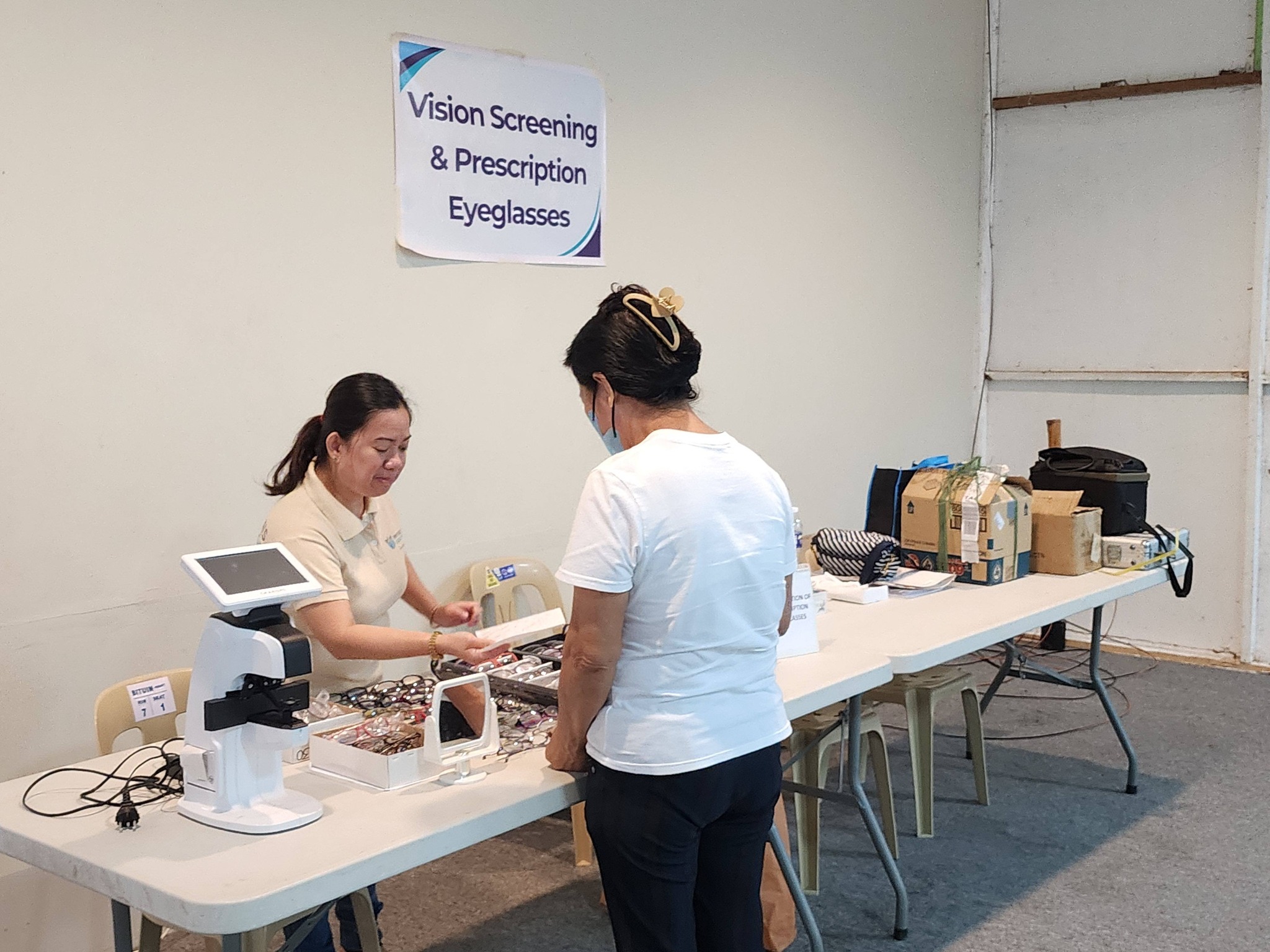
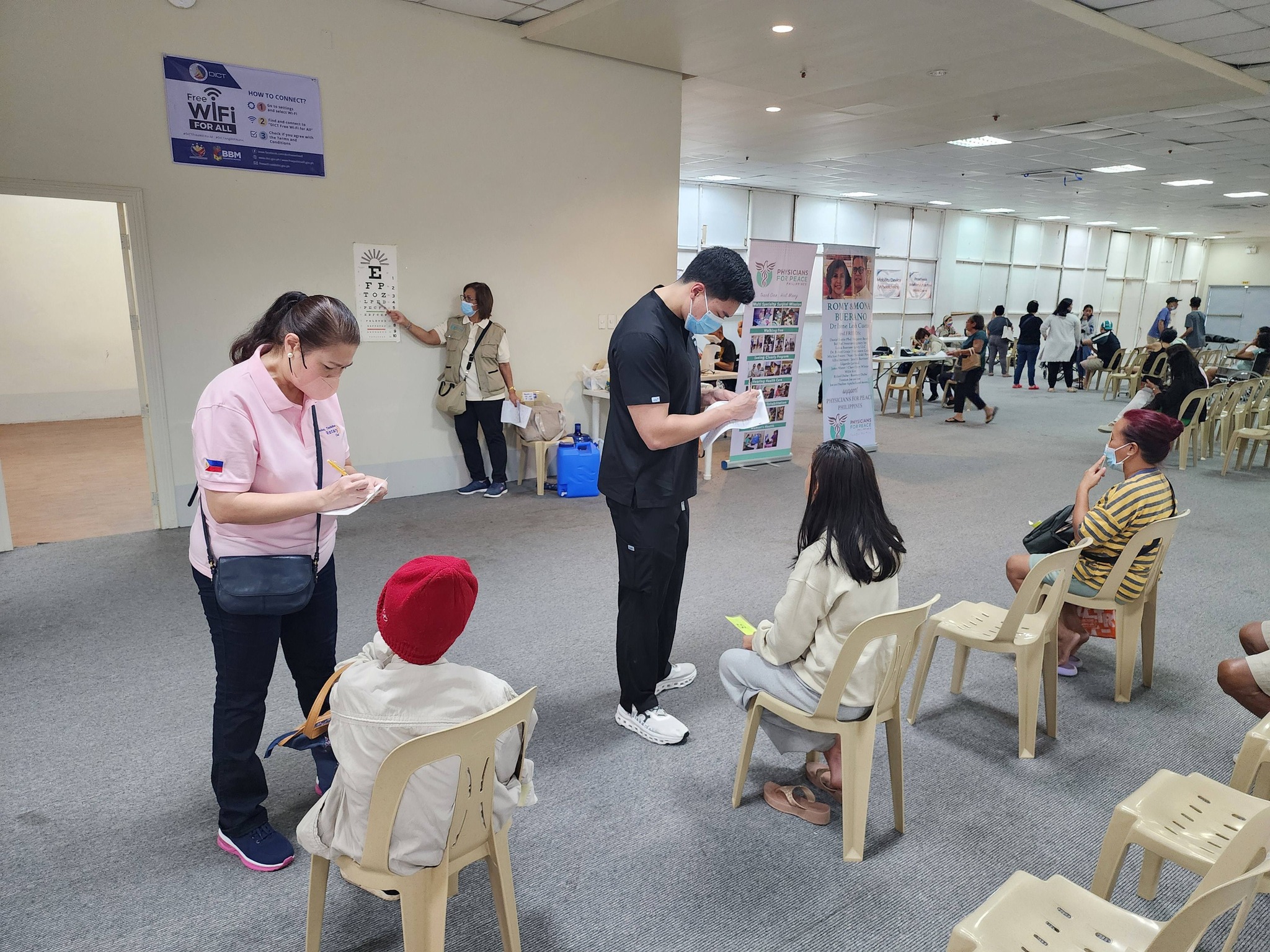
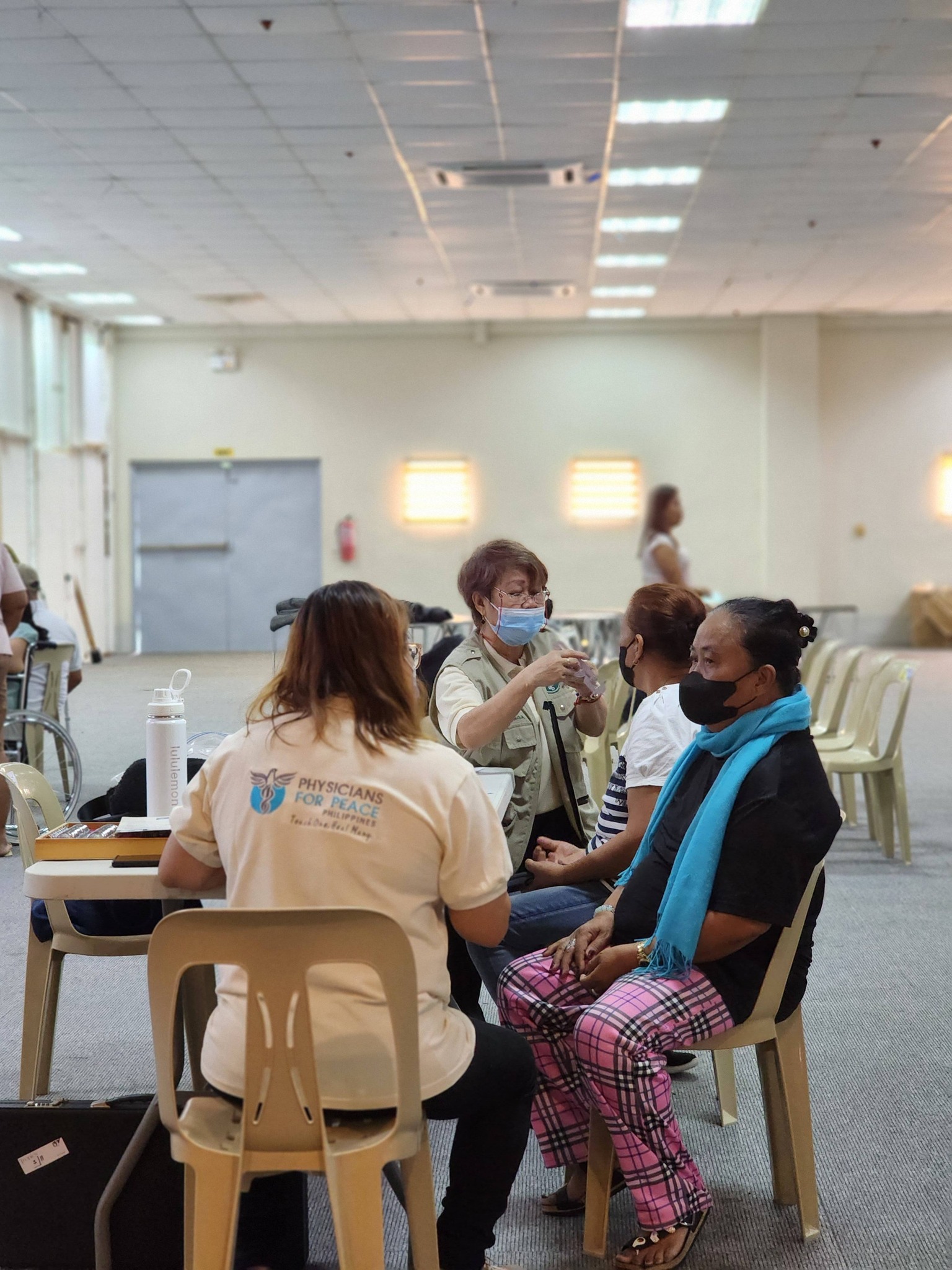
The Vision Care Station: At the Vision Care station, things were really different. There were a lot of people waiting. It did not get better. The Vision Care station is always the most popular part of our mission. You could hear people laughing as they waited in line to get their eyes tested. They were surprised at how bad their eyesight was. When they put on the test glasses, they could see the difference right away. It is a powerful thing to see a grandmother find out she can thread a needle again. The Vision Care station is where you see a grandmother who can finally see the details of her grandson’s face.
-
The Hearing Health Section: This section was really quiet. The Hearing Health section was still very important. The team from Starkey Foundation was giving exams to kids who had never been to see an audiologist. When the kids put on the headphones and could hear a sound clearly for a time, you could see a special look on their faces. It was a look that was a little confused and also had a smile. The kids were smiling, but they were not really sure what was happening. The Hearing Health section was doing work with the kids, and the kids were really benefiting from the exams by the Starkey team.
Privacy and Practicality
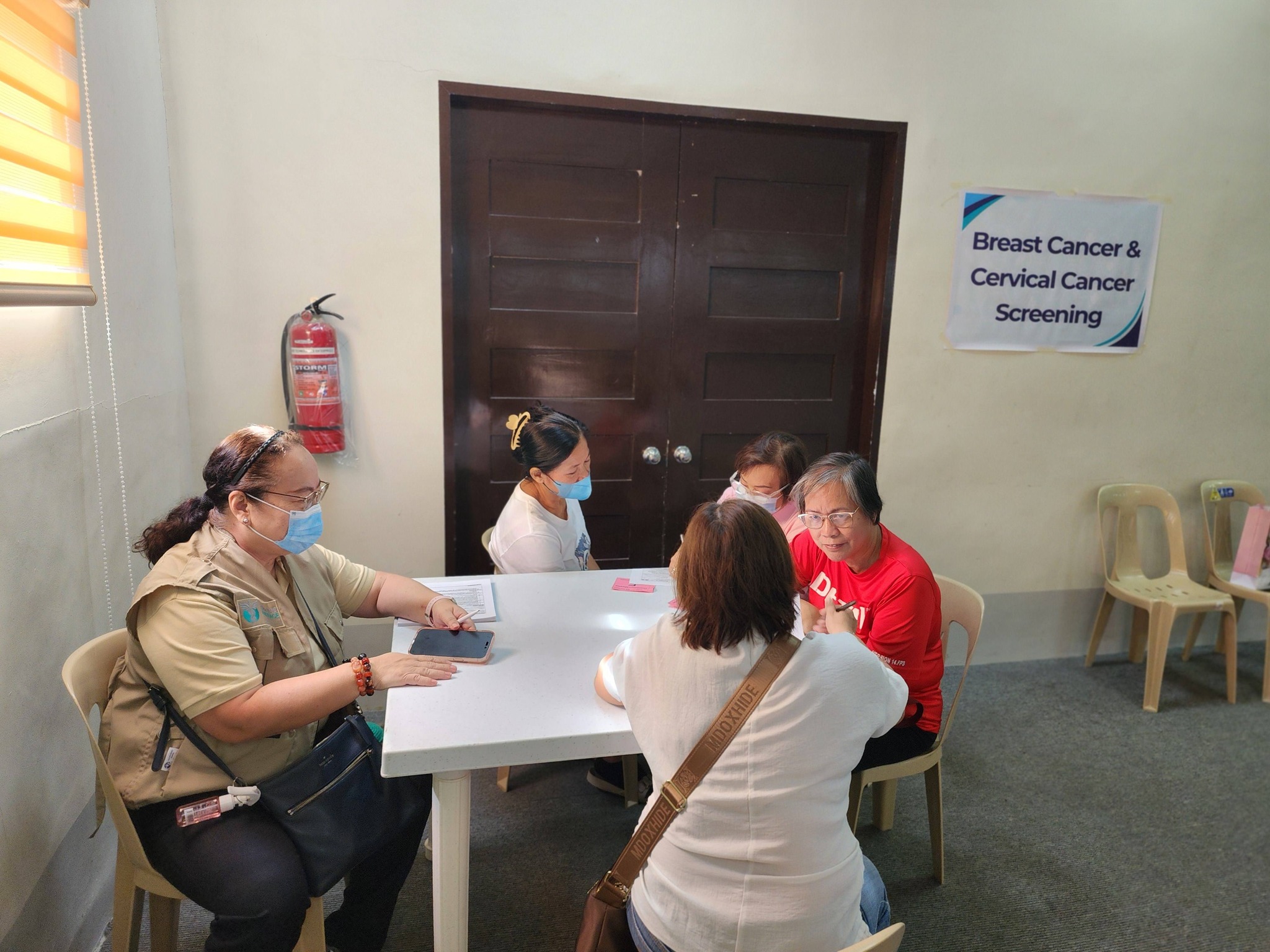
The Women’s Health team did a tough job in a special area that was closed off from the rest of the place. It is hard to get women to agree to have breast exams and Pap smears because of these things. A lot of women are too afraid or embarrassed to do it. The people who work at the PFPP took the time to explain everything to them and help them feel better. You could see the difference in the women who came out of that area. They looked like a weight had been lifted off their shoulders. The Women’s Health team and the PFPP staff were really helping the women deal with the anxiety of not knowing what was going on with their health. The Women’s Health team was doing work.
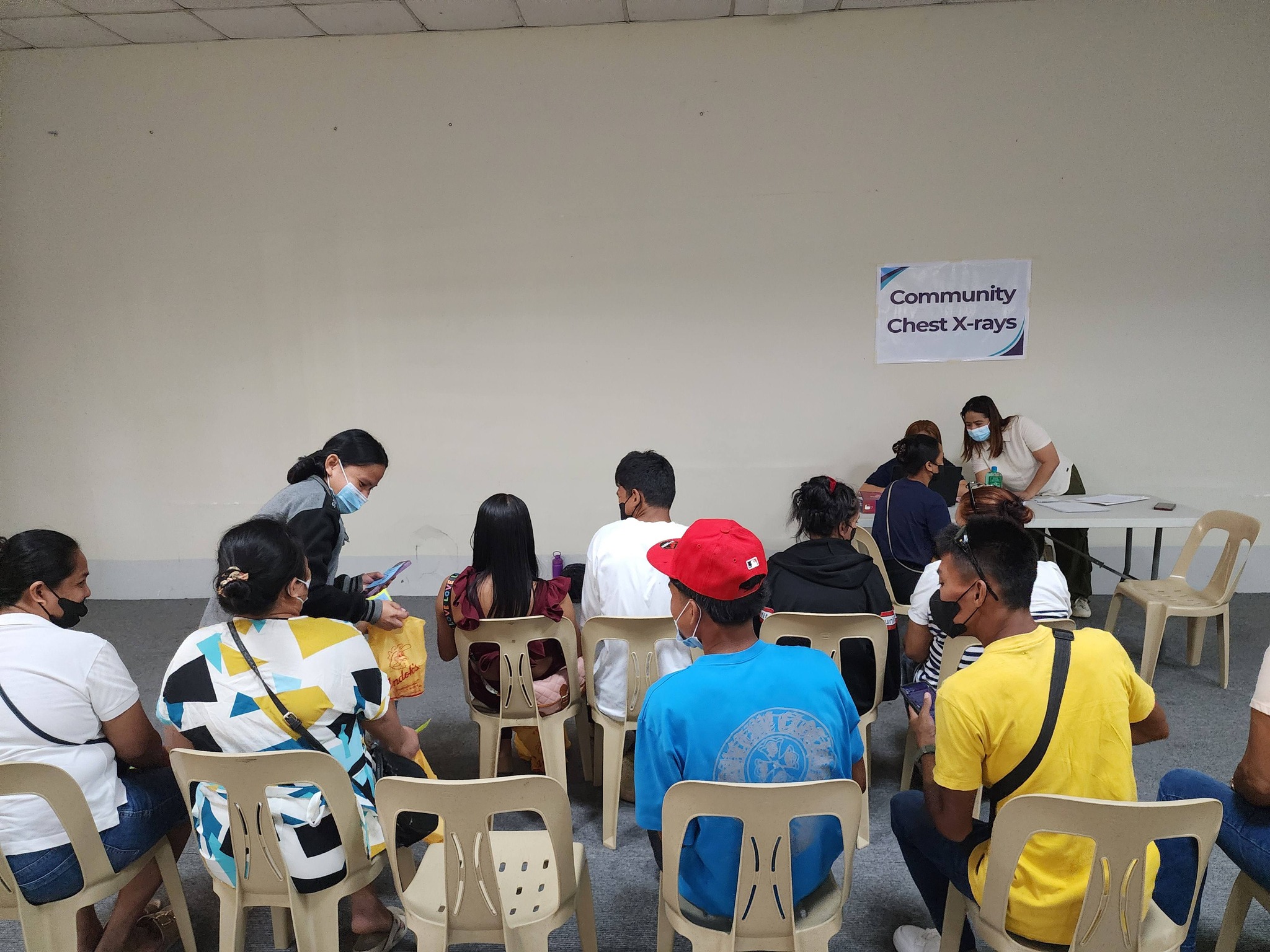
The radiology team was really something it was like they had a whole diagnostic center right there. This was the thing that made all the difference. For many of these families, getting an Xray is a hassle. They have to take a day off work, which means they do not get paid. They have to pay for a jeepney to take them to the city.. When they get to the hospital, they have to wait for hours in the hallway. Here, the X-ray machine was just a short walk from where the doctors were seeing patients. The families did not have to lose a day of work or pay for a ride. They could just get the X-ray. Get the result. The radiology team and the X-ray machine were really making things easier for the families.
The Engine Behind the Mission
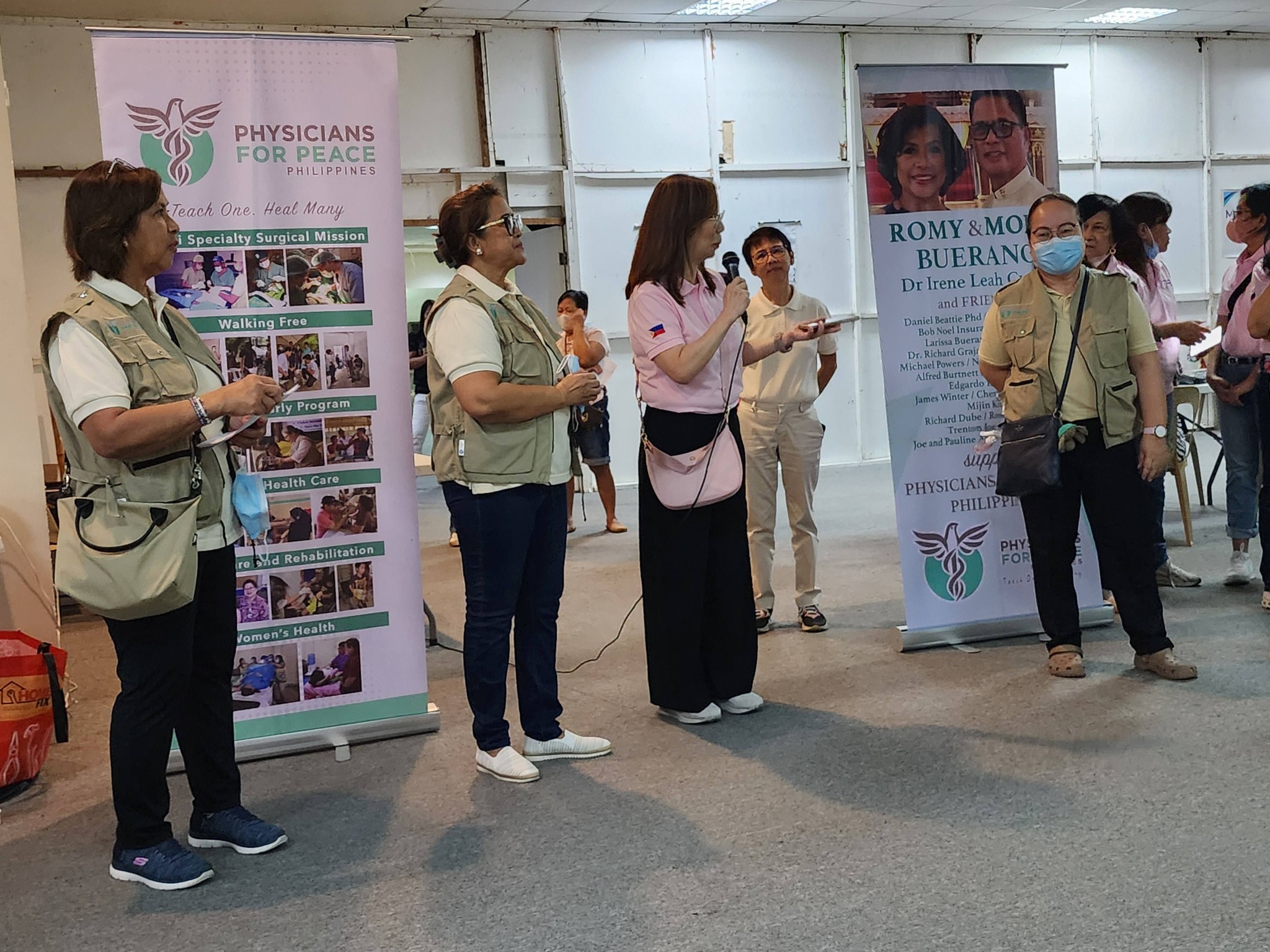
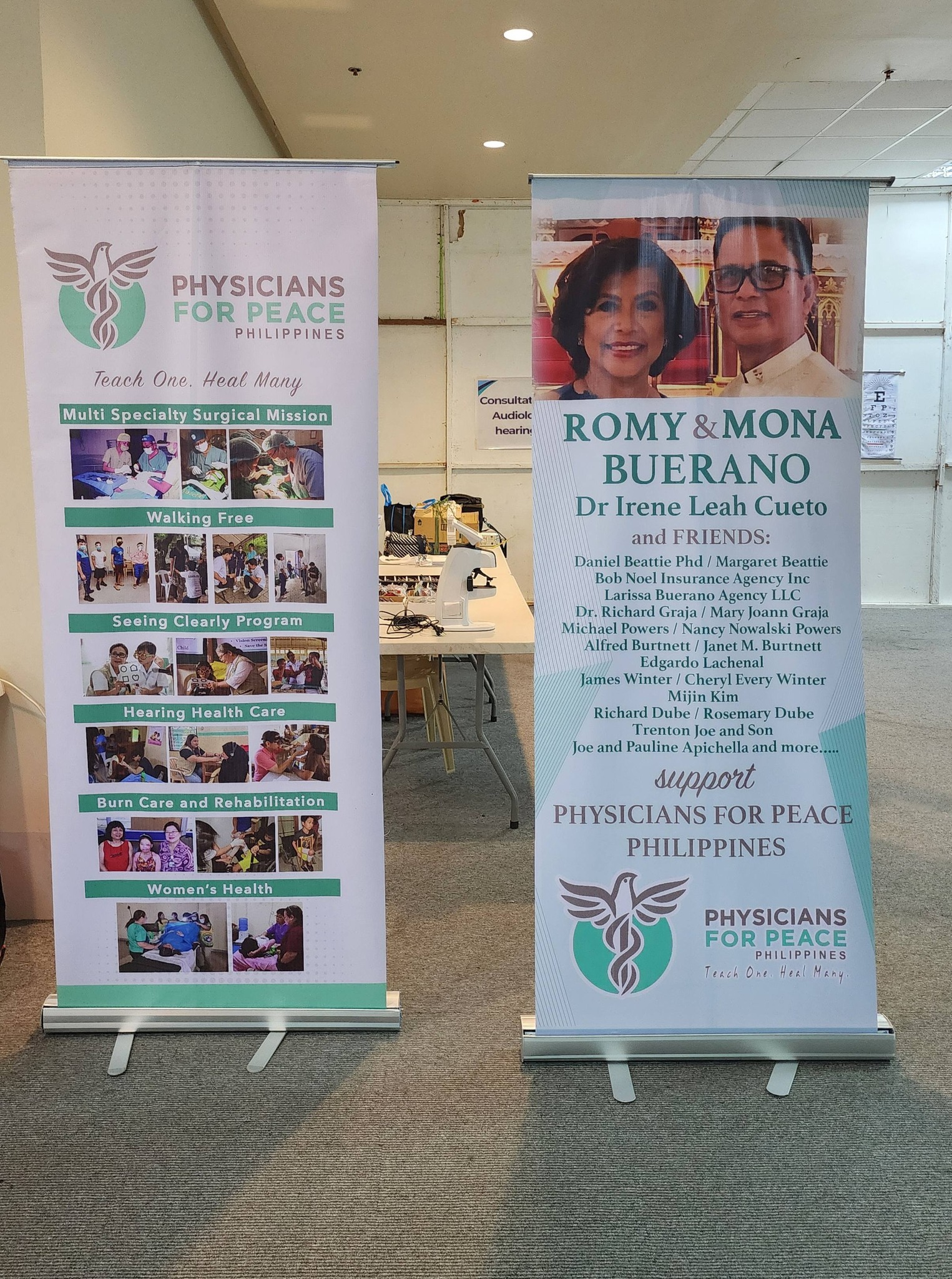
Missions, like this one, are really costly. The people who need the help usually have to pay for it. But this time, PFP Ambassadors Romy and Mona Buerano and the people they know from New Jersey took care of the cost. They did not do the work, but you could see what they did everywhere. PFP Ambassadors Romy and Mona Buerano and their network paid for every X-ray film, every prescription, and every meal box before the day even started. That meant the service was really free for all the people who were there. There were no costs that would show up later, and no one was told to come back another time. The service was free for the hundreds of people who were there.
The money for this project might have come from another country. The people who did the hard work were all, from around here. The Rotary Club of Kandaya-Tacloban did all the jobs that nobody really talks about. They were the ones who made sure everything ran smoothly. They gave out food to people. They explained what the doctors meant in a language that people could understand, which is Waray. The Rotary Club of Kandaya-Tacloban kept going even when it got really hot. People were getting tired. The Rotary Club of Kandaya-Tacloban stayed until every single person who was waiting in line had been helped.
This is the living proof of that feeling: the help comes from a far place, but it feels very close to the heart of the people. The help comes from a far place, but it feels very close to the heart of the people. That is what the Filipino people experienced, the help is really from a far place, but the effect of the help is very close to the hearts of the people.
The Aftermath
The light in the afternoon became really heavy and golden. It shone down on all the dust that people had kicked up as they walked around. The crazy busy feeling from the morning was gone. Now people were leaving the compound. Families were going out, trying to get used to using a walker or carefully putting away a piece of paper that told them where to go next.
The volunteers were completely exhausted. They were sitting on plastic chairs, their uniforms all dusty, and they did not have any energy left. But every time they heard the engine of a tricycle start up, the volunteers still found the strength to wave goodbye to the people who were leaving. The volunteers would wave goodbye every time they saw a family get on a tricycle and drive away. There were no fireworks or countdowns, but this felt like the real start to 2026 for Tacloban. It wasn’t about a celebration; it was about dignity. January 10 proved that when you strip away the bureaucracy and the cost, healthcare isn’t just a service—it’s a way of telling a community that they matter.